





Introduction: Taste Pisa Beyond the Tower
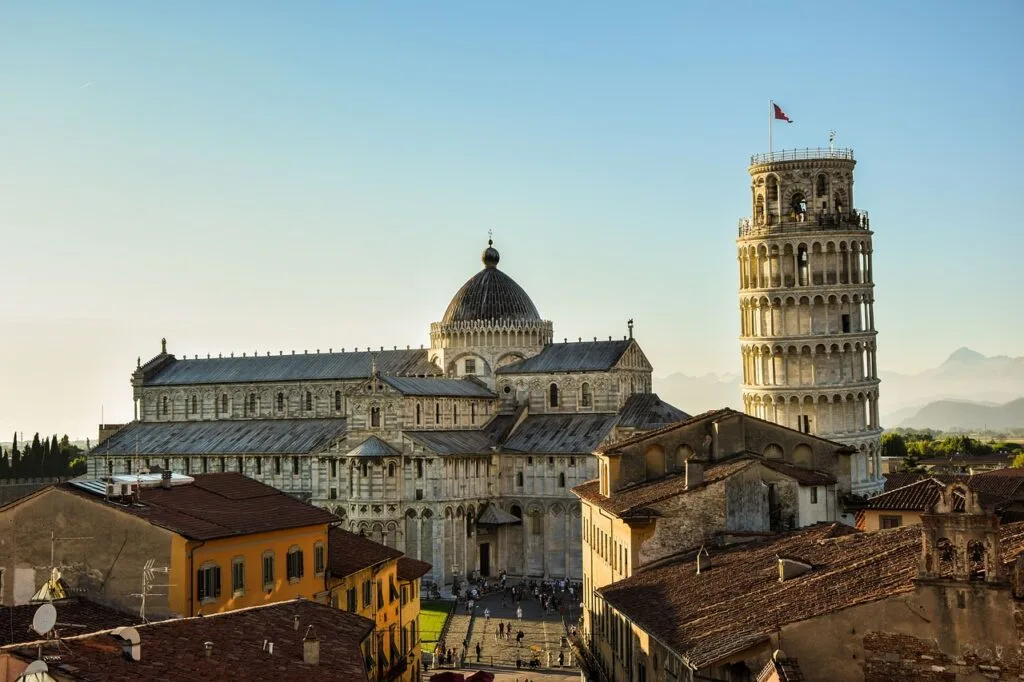
Pisa is more than the famous Torre Pendente di Pisa (Leaning Tower of Pisa) and the grand Piazza dei Miracoli: it’s a city of aromas, textures and culinary traditions rooted in authentic Tuscany. Strolling along the lungarni, walking under the arcades of Borgo Stretto, lingering on the Piazza dei Cavalieri or grabbing a pastry from a tiny pasticceria becomes a sensory adventure. Pisan cooking relies on humble ingredients — bread, olive oil, river and sea fish, seasonal vegetables, local cheese — yet it elevates everyday meals with recipes passed down through generations.
This article offers a tasty itinerary: the ten Pisan specialties you shouldn’t miss, where to find them in town and how to enjoy them best. Each specialty is described vividly, with specific addresses (cafés, trattorie, markets or workshops), practical info (opening hours, indicative prices), and local tips to eat like a Pisano. You’ll also find suggestions for nearby sights to pair with your tasting so a simple bite turns into a full experience — for example, pairing artisan gelato with a walk by the Camposanto Monumentale, or savoring a hot soup after visiting the Museo dell’Opera del Duomo.
Pisa is best discovered with your stomach as well as your eyes. Whether it’s a warm focaccia to-go for a picnic on the Arno bank, a bowl of cacciucco shared in a family-run trattoria at night, or an almond-based dolce eaten in the shade of the Duomo’s columns, every specialty tells a story. This guide is for both the traveler short on time and the curious foodie: it lists places easily reached from Pisa Centrale station and gives tips to respect seasonality and opening times. Throughout the sections you’ll learn where to find the best schiacciata, the most authentic gelato, hearty fish soups, torta co’ bischeri (or its Pisan version), and other treasures.
To help you picture these tasty moments, visual markers
are inserted throughout. Get ready to note down a few great addresses, remember opening hours and prices, and above all, (re)discover Pisa through its flavors.
I. La schiacciata pisana and schiacciata con l’uva — traditional breads and focaccias
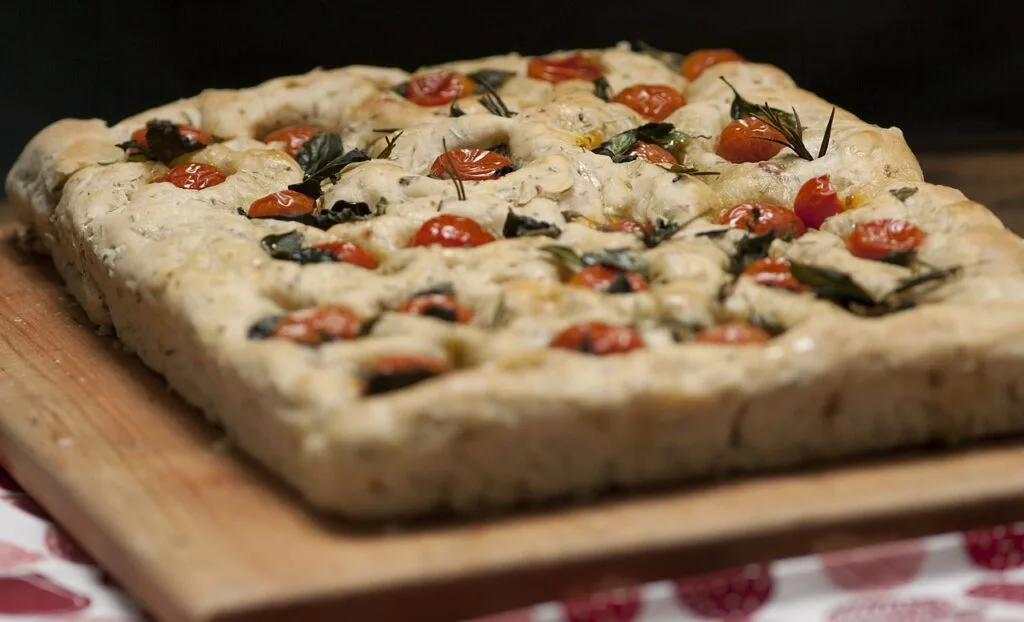
Schiacciata is Tuscany’s version of focaccia: flat, crisp at the edges and soft inside. In Pisa you’ll find several varieties — plain, herbed, savory with lard, or sweet like schiacciata con l’uva (grape focaccia), a seasonal autumn specialty. Schiacciata is perfect as street food: great for a picnic on the Arno banks or a quick snack in front of the Cattedrale di Pisa.
Where to find it?
- Panificio Pasticceria Montino — Via San Frediano 26, 56126 Pisa PI. Open Tuesday–Sunday, 07:00–13:00 and 16:00–20:00. Schiacciata from €1.50 a slice; schiacciata con l’uva (seasonal) €2.50–4.00.
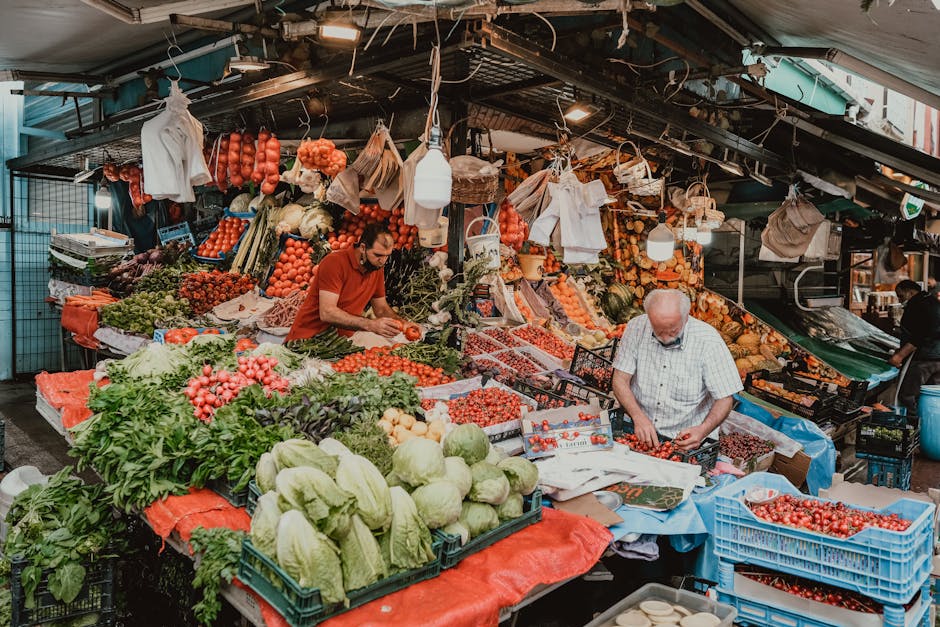
- Mercato delle Vettovaglie — Piazza delle Vettovaglie, 56125 Pisa PI. Food stalls open Monday–Saturday, 07:00–14:00; some close earlier. Schiacciata portions €1.80–3.00.
 Click here to discover Pisa street food and highlights
Click here to discover Pisa street food and highlights
Immersive description: pull a warm schiacciata straight from the oven and breathe in the scent of extra-virgin olive oil. The thin crust gives way to a fragrant crumb; savory versions might include bits of pancetta or caramelized onion for depth. For the grape version, the sweet dough and burst grape skins create a delightful contrast. Enjoy it while strolling down Borgo Stretto or sit by the Arno at sunset.
Practical tips: for an authentic touch, ask for your schiacciata « calda, per favore » (warm, please). If you’re taking it for lunch, avoid market rush hour (12:30–13:30). Schiacciata pairs perfectly with a glass of acqua frizzante (sparkling water) or a local wine such as Vermentino della Toscana.
II. Crostini pisani, zuppa pisana and other Tuscan antipasti
Meals in Pisa often start with simple, tasty antipasti: crostini topped with fegatini (chicken liver pâté), tomato bruschette, or the famous zuppa pisana, a rustic soup of vegetables, beans and sometimes potatoes. These starters showcase rural Tuscany, where each ingredient is treated with respect for seasonality and flavor.
Recommended spots:
- Osteria dei Cavalieri — Piazza dei Cavalieri 2, 56126 Pisa PI. Open daily, 12:00–15:00 and 19:00–23:00. Antipasti from €6.00, zuppa portions €8.00–12.00.
- Trattoria da Elisa — Via della Faggiola 35, 56126 Pisa PI. Open Tuesday–Sunday, 12:00–14:30 and 19:00–22:30. Crostini and small plates €5.00–9.00.
Immersive description: picture a wooden table, a carafe of local red wine, and in front of you a board of crostini: lightly grilled bread, generously buttered, topped with a fegatini preparation that melts on the tongue. Zuppa pisana, served steaming in a warm bowl, mixes cannellini beans, cabbage leaves, a drizzle of olive oil and sometimes flakes of fish for a coastal twist. The flavors are honest, nourishing and comforting — perfect after a morning of museum visits.
Practical tips: crostini are for sharing — order several varieties to try different combinations. Zuppa pisana is seasonal: aim for cooler months (October–March). If you plan a romantic walk after your meal, politely ask for less garlic — locals appreciate the courtesy!
Click here to taste charcuterie and olive oil near Pisa
III. Fish and seafood: cacciucco, brodetto and Lungarno specialties
Pisa’s proximity to the Ligurian Sea and the Tuscan coast strongly influences its cuisine. Fish and seafood are front and center, cooked simply but respectfully. Two dishes to know: cacciucco (a hearty Tuscan fish stew, famed in Livorno but enjoyed in Pisa) and brodetto (a lighter fish soup). You’ll also find small fried seafood, grilled calamari and plates starring clams and mussels.
Where to enjoy these dishes:
- Ristorante Il Bersagliere — Lungarno Galilei 36, 56127 Pisa PI. Open daily 12:00–15:00 and 19:00–23:00. Cacciucco €18.00–28.00 depending on portion; brodetto €14.00–20.00.
- Pescheria Gastronomia Da Paolo — Via San Martino 79, 56127 Pisa PI. Fish market/deli, open Tuesday–Saturday, 08:00–13:00 and 16:00–19:00. Small takeaway portions €6.00–12.00.
Immersive description: a steaming bowl of cacciucco, deep red from tomatoes and spiced with garlic and chili, overflows with mixed fish — scorpion fish, cuttlefish, prawns — and slices of crusty bread soaked in the broth. Brodetto is purer: a clear broth, vegetables, and flaky local white fish. The flavors evoke the sea, but remain delicate. Pair these dishes with a glass of Vermentino or a light Chianti for a full Tuscan experience.
Practical tips: check the fish counter for freshness before ordering. Lungarno restaurants are lovely at dusk; reserve a table by the river for the view. Cacciucco’s price varies wildly with the fish used and portion size — plan €20–30 for a full meal with wine.
Click here to enjoy a lunch by boat along the coast
IV. Dolci and pastries: cantucci, ricciarelli and artisan gelato
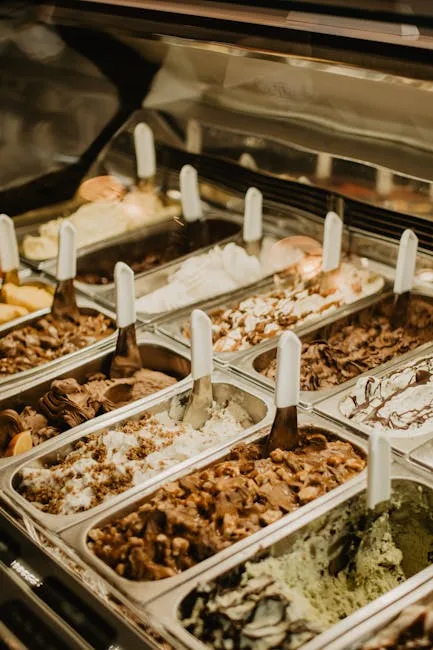
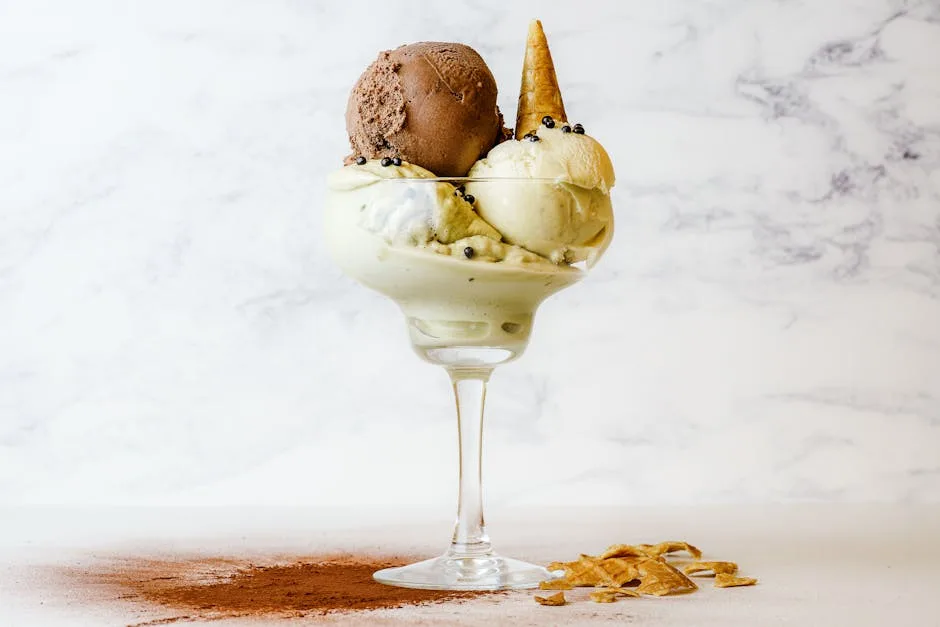
Pisan sweets carry the imprint of Tuscany and the Mediterranean: almonds, honey, and dry biscuits traditionally dunked in vin santo. In Pisa you’ll find excellent cantucci (almond biscotti), ricciarelli in select patisseries, and above all artisanal gelato that can rival the best gelaterie in Italy.
Must-visit spots:
- Pasticceria Salvi — Via San Martino 74, 56126 Pisa PI. Open daily 07:30–20:00. Cantucci €3.50 a box; pastries and slices €2.50–4.50.
- Gelateria De’ Coltelli — Via Santa Maria 41, 56126 Pisa PI. Open 11:00–23:00 (seasonal hours may vary). Single scoops €2.50–4.00; specialty creations €5.00–7.00.
- Antico Forno Pisano — Piazza Garibaldi 15, 56126 Pisa PI. Bakery/patisserie, open 06:30–19:00. Cantucci and other biscuits €2.00–5.00.
Immersive description: begin with a cantuccio dunked in a glass of vin santo — the crunchy texture softens, releasing toasted almond notes and the wine’s woody aromas. De’ Coltelli’s gelato is often offered in intense flavors (Bronte pistachio, stracciatella, ricotta-fig): each spoonful is creamy, dense and less sweet than big chains. In a historic pasticceria, a slice of torta alle mandorle (almond cake) with an espresso gives a true taste of local sweet traditions.
Practical tips: if you’re taking cantucci home, ask for a sealed box for the journey. For gelato, go for flavors made with local ingredients and avoid overly bright colors (often a sign of artificial flavoring). Late afternoon is the perfect time for gelato — grab a cone and sit by the Ponte di Mezzo to watch life on the Arno.
Click here to discover the ultimate food tour in Pisa
V. Rustic mains and cheeses: torta co’ bischeri, pecorino and Pisan primi courses
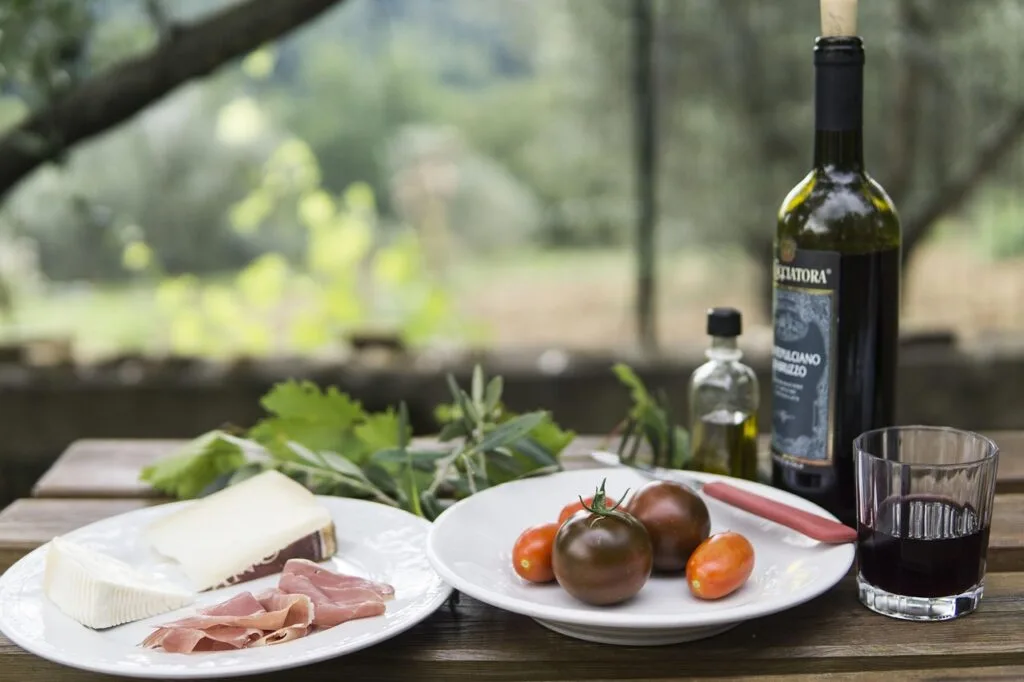
Pisan cuisine also includes hearty country dishes: gratins, simple yet rich pasta dishes, and savory pies. The torta co’ bischeri is a sweet-savory pie from Pisa (especially popular during local festivals) made with rice, cocoa, raisins and various flavorings. On the cheese front, Tuscan pecorino is everywhere, often served in thick slices with honey or jam. Primi dishes are usually fresh pasta or local rice — simple, comforting and satisfying.
Click here to pair wines with local dishes near the Tower
Click here to learn Pisan cooking at a local home
Where to try them:
- Trattoria La Buca — Via San Francesco 42, 56126 Pisa PI. Open 12:00–15:00 and 19:00–22:30 (closed Mondays). Main dishes €10.00–18.00; slices of torta co’ bischeri €4.50–6.00.
- Formaggeria Toscana — Borgo Stretto 70, 56127 Pisa PI. Shop and tastings, open 09:00–19:00. Pecorino plates €6.00–12.00 depending on selection.
- Ristorante Alle Bandierine — Piazza XX Settembre 1, 56125 Pisa PI. Open daily 12:00–14:30 and 19:00–23:00. Fresh pasta and risotti €9.00–16.00.
Immersive description: torta co’ bischeri can surprise visitors: a golden crust hiding a rich filling of rice, chocolate, soaked raisins and a touch of spice. Served in slices, it pairs wonderfully with coffee or a sweet wine. A cheese board is a showstopper: young and aged pecorino slices, fig jam, walnuts and thick rustic bread. The primi — pici al ragù, seafood risotto or tagliatelle with pecorino — are meant to be shared and savored slowly.
Practical tips: torta co’ bischeri is often seasonal and more commonly found during local festivities or in higher-end patisseries. If you love cheese, ask for a guided tasting at the cheesemonger — local artisans love to tell the story of their cheeses and aging processes. For primi dishes, avoid touristy restaurants around Piazza dei Miracoli: head down the side streets (perpendicolari) to find family-run trattorie.
More general tips for eating in Pisa
- Hours: in Tuscany lunch (pranzo) usually runs between 12:00 and 14:30, dinner (cena) between 19:00 and 22:30. Many shops close between 14:00 and 16:00.
- Reservations: for popular restaurants (especially along the Arno or near Piazza dei Miracoli) it’s wise to book, particularly in high season (May–September).
- Markets: visit the Mercato delle Vettovaglie for fresh products and local stalls; it’s a great way to taste different specialties on a budget.
- Transport: most places listed are within walking distance of Pisa Centrale station (10–25 minutes depending on where you’re headed); wear comfortable shoes for the cobbles.
Conclusion: Taste Pisa with all your senses
Pisa truly reveals itself when you take the time to sit, smell and taste. The ten specialties presented here — from schiacciata to torta co’ bischeri, crostini, cacciucco, artisan gelato and local cheeses — invite you to explore the city in a different way. Every bite tells a story: of farmers, fishermen, artisans and families who have handed down simple yet meaningful recipes. The addresses included give you concrete starting points, while the hours and prices help you plan tasty stops without surprises.
A few final recommendations: start with a morning walk along the Lungarno and buy a warm schiacciata for breakfast; book a trattoria for cacciucco in the evening and ask the server about market specials; finish with artisan gelato by the Ponte di Mezzo at sunset. Don’t hesitate to chat with shop owners and craftsmen: a local tip can lead you to a secret recipe or an extraordinary seasonal product. Finally, respect the seasons — some dishes are best in autumn or winter — and let Tuscany’s generosity surprise you.
Enjoy your culinary journey in Pisa: let the Tower lean, but keep your plate balanced!
Click here to book your ticket for the Piazza dei Miracoli and the Tower