





Introduction
Pisa immediately brings to mind the famous Leaning Tower, but it’s also a hub of humble, flavorful culinary traditions rooted in the Tuscan countryside and the nearby Ligurian sea. In this post I invite you on a food-focused stroll through the heart of Pisa, where every alley, market and monument tells a story of taste. We’ll explore essential Pisan recipes you can make at home: cecina (chickpea flour flatbread), torta co’ bischeri (traditional sweet cake), acquacotta (peasant soup) and other local specialties. Each recipe is paired with strong ties to specific spots in Pisa so your cooking becomes a visual and cultural walk as well.
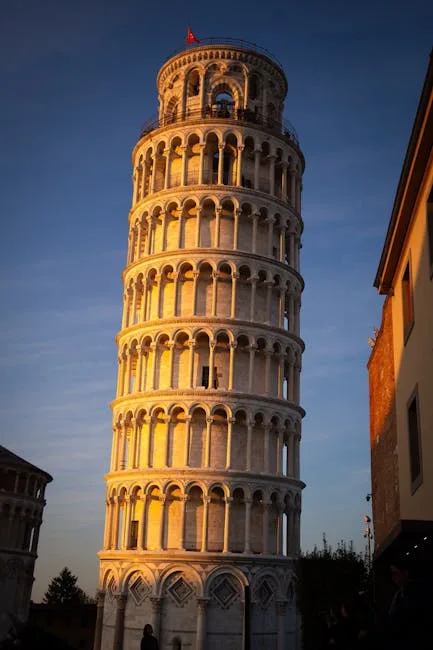
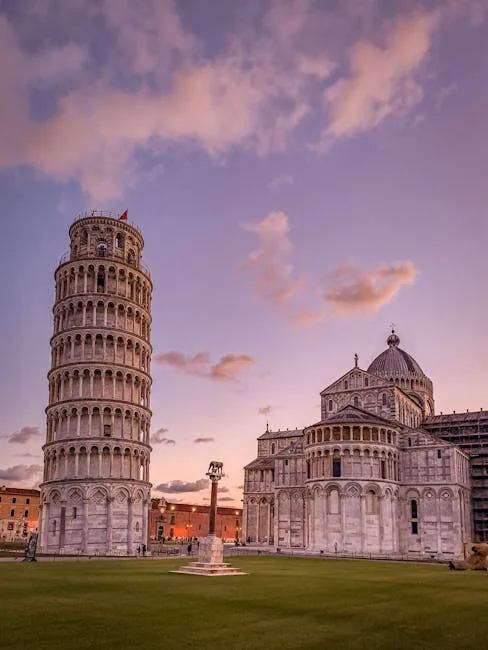
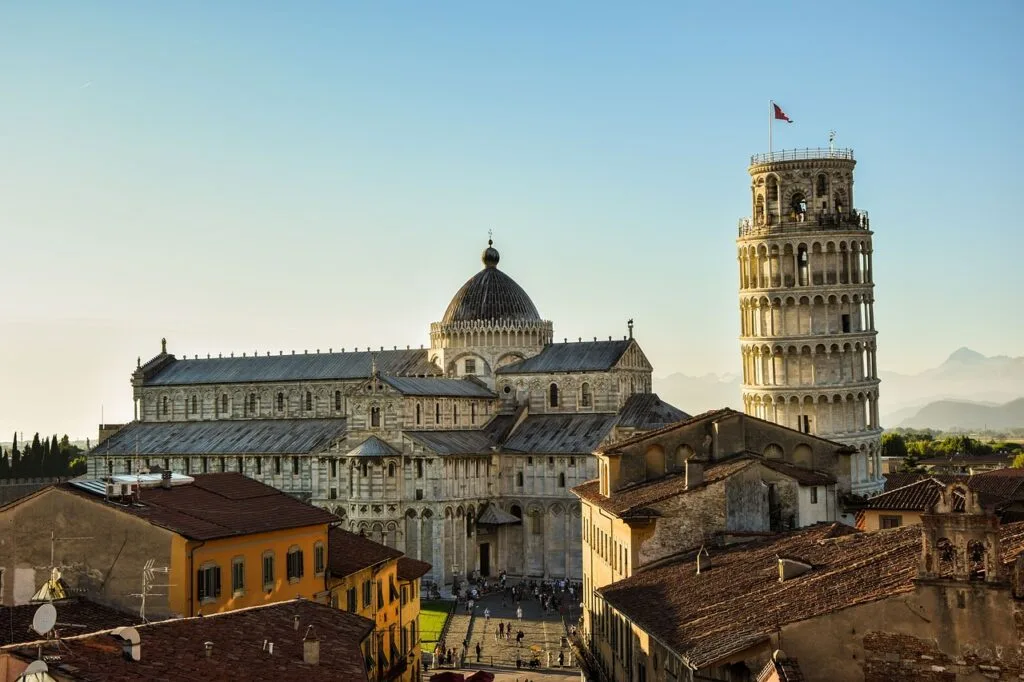
Pisa has iconic places that feed curiosity as much as appetite: the Piazza dei Miracoli (Piazza del Duomo, 56126 Pisa PI, Italy) with the Duomo di Santa Maria Assunta (Pisa Cathedral), the Battistero di San Giovanni (Baptistery) and of course the Torre Pendente di Pisa (Leaning Tower of Pisa). These monuments draw visitors from around the world and make the perfect backdrop for enjoying a slice of freshly made cecina from a street stand or a coffee in a historic trattoria. The contrast between ancient stone and the rustic flavors of Pisan cuisine is ideal inspiration for recreating the dishes at home, using authentic ingredients and adapting traditional techniques.
 Click here to book your ticket for the Leaning Tower and the Cathedral
Click here to learn Pisan cooking with a local host
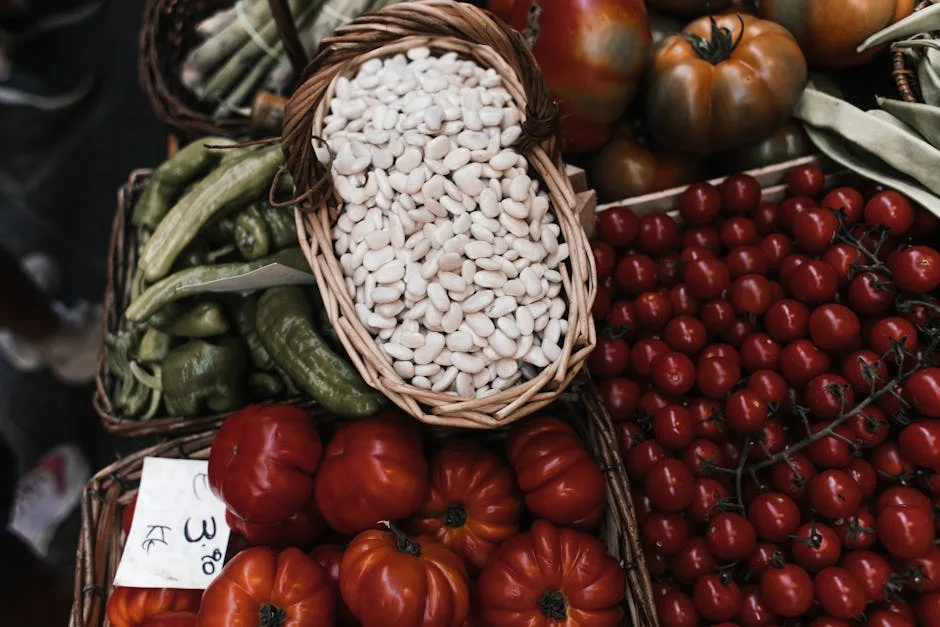
Beyond the Piazza dei Miracoli, wander the Mercato di Piazza delle Vettovaglie (Piazza delle Vettovaglie, 56127 Pisa PI) to smell fresh herbs, seasonal vegetables and pick up quality fish for your recipes. This market—typically open from 07:00 to 14:00, Tuesday to Saturday—is a lively spot where prices vary: a slice of cecina can cost between €3 and €5, a dozen free-range eggs €2.50–4, and a bunch of chard or cavolo nero around €1.50–3 depending on the season. These figures help you estimate recipe costs and choose products that honor the Pisan spirit.

In the sections below I’ll give specific recipes, ingredient lists, local tips and addresses where you can taste each dish in Pisa. I also include practical info: full addresses, entrance fees for museums and monuments (as a guide), opening hours and shopping tips to find the best ingredients. My aim is to help you bring a bit of Pisan table culture back home—with both flavor and travel anecdotes.
Pisa’s signature flavors and where to try them
To understand a city’s cuisine, start where people eat and shop. In Pisa the Piazza dei Miracoli (Piazza del Duomo, 56126 Pisa PI) is the main tourist hub: the Torre Pendente di Pisa (Piazza del Duomo, 56126 Pisa PI, tickets around €25, typically open 09:00–20:00 depending on season) and the Cattedrale di Santa Maria Assunta (Cathedral—free entry though guided tours may cost) set the scene between history and gastronomy. After visiting the monuments it’s common to head to small shops and forni (bakeries) selling hot cecina.
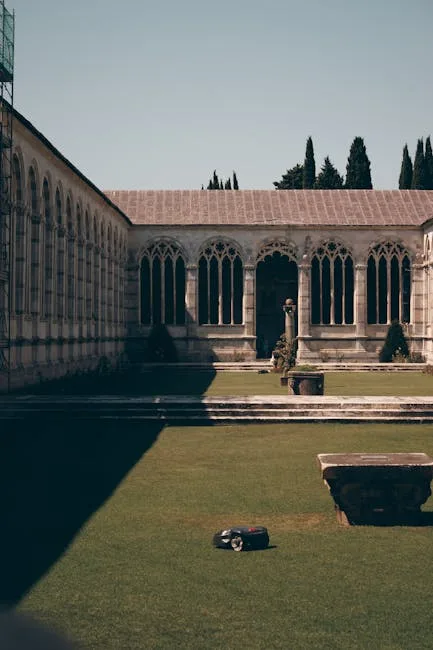
The Battistero di San Giovanni (Piazza del Duomo, 56126 Pisa PI) and the Camposanto Monumentale (same piazza) round out the visit; their opening times often follow the Duomo, and combined tickets for these sites can cost between €5 and €10 per site or within a pass. For an authentic tasty break, go to the Mercato di Piazza delle Vettovaglie (Piazza delle Vettovaglie, 56127 Pisa PI) — the perfect place to buy chickpea flour, extra-virgin olive oil and local vegetables. Typical hours: 07:00–14:00 (closed Sunday), and approachable prices: a 500 ml bottle of olive oil ~ €6–12 depending on quality.
For a sit-down meal, I recommend classic spots like Osteria dei Cavalieri (Piazza dei Cavalieri 16, 56125 Pisa PI); this osteria serves traditional Tuscan dishes in generous portions. Expect main courses in the range of €12–25. Another good place for local pastries is an artisanal bakery near Borgo Stretto, a historic shopping street (Borgo Stretto, 56125 Pisa PI), where you can grab a coffee and a slice of torta co’ bischeri for about €2.50–4.
Click here to buy tickets for the Square of Miracles
Click here to discover Pisa culinary tour with wine pairings
Detailed recipes to recreate at home
Here are four traditional Pisan recipes with ingredient lists, step-by-step instructions and tips to bring the spirit of Pisa into your kitchen: Cecina (Pisan farinata), Torta co’ bischeri, Acquacotta, and a simple seafood antipasto. Each recipe serves 4 and uses ingredients that are generally easy to find.
Cecina (Pisan farinata) — Chickpea flour flatbread
Ingredients: 300 g chickpea flour, 900 ml water, 50 ml extra-virgin olive oil, 10 g salt, freshly ground black pepper, fresh rosemary (optional). Rest time: 4 to 8 hours.
Method: In a large bowl, gradually whisk the chickpea flour into the water to avoid lumps. Add the oil and let the batter rest at least 4 hours (ideally overnight). After resting, pour a thin, even layer into a well-oiled baking tray (or a cast-iron skillet if you prefer). Bake in a very hot oven (250–280 °C / 480–535 °F) for 10–15 minutes until the surface is golden and crisp. Season with salt, pepper and rosemary. Serve hot, cut into diamond-shaped pieces.
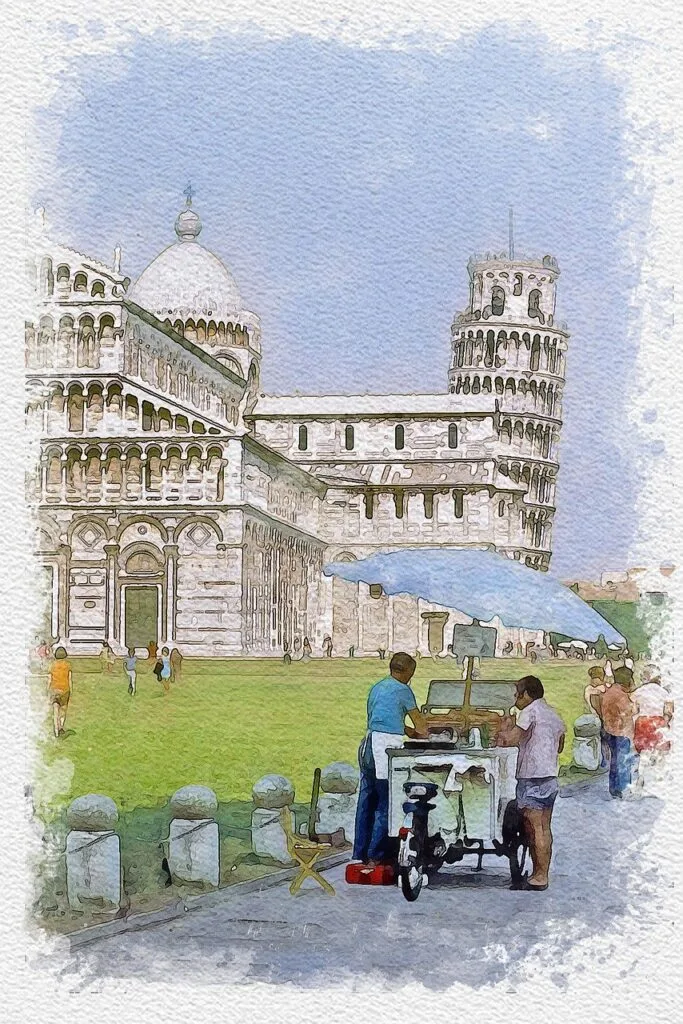
Local tip: In Pisa it’s commonly eaten plain or with a drizzle of olive oil and black pepper. At the market, look for a DOP Tuscan olive oil to stay true to the local flavor profile.
Torta co’ bischeri — Traditional Pisan cake
Ingredients: 300 g 00 flour, 150 g sugar, 150 g butter, 3 eggs, 1 lemon (zest), 200 g cooked rice, 150 g dark chocolate chopped, 50 g blanched almonds, 1 packet baking powder, pinch of salt. Baking time: 35–45 minutes at 180 °C (350 °F).
Method: Make a classic shortcrust pastry with flour, butter, sugar and one egg; chill for 30 minutes. Prepare the filling by blending the cooled cooked rice with eggs, sugar, lemon zest, chocolate and almonds. Roll out the pastry into a buttered tin and pour in the filling. Cover with pastry strips in a lattice or decorative pattern and bake at 180 °C until golden.
Local tip: In Pisan tradition this cake is often served at local festivals. For an authentic texture use arborio rice (the same rice used for risotto), which is commonly found in Italian groceries.
Acquacotta — Tuscan peasant soup
Ingredients: 500 g chopped tomatoes, 1 onion, 2 garlic cloves, 200 g stale bread sliced, 1 liter vegetable stock, 200 g chard or leeks, 50 ml olive oil, salt, pepper, basil. Cooking time: 30–40 minutes.
Method: Sauté onion and garlic in the oil, add the chard, then the tomatoes. Pour in the stock and simmer for 20 minutes. Place the stale bread in the bottom of bowls and ladle the hot soup over it. Garnish with basil and a drizzle of olive oil.
Local tip: Acquacotta is a frugal countryside dish. In Pisa it’s sometimes served on cool evenings in family-run trattorias.
Click here to learn how to make fresh pasta privately
Ingredients, substitutions and local tips to make the dishes shine
Local products make or break Pisan recipes. Here are tips for selecting and substituting ingredients, plus cooking tricks handed down from Pisa’s osterie.
- Chickpea flour: buy a fine-quality grind, often labeled « farina di ceci. » If you can’t find it, bulk chickpea flour from Italian specialty shops or markets is ideal. In Pisa a 500 g pack costs about €3–5.
- Extra-virgin olive oil: opt for a DOP Tuscan oil or one with grassy notes. Taste at the market: good oil transforms a cecina. Indicative price: 500 ml €6–12.
- Rice for the cake: use a round grain like arborio for structure and texture. Rice is usually available for €1–2 per kilo at local markets.
- Cheeses and eggs: for acquacotta or the cake, prefer free-range eggs and, if adding cheese, a grated Tuscan pecorino for a salty kick.
Click here to discover local specialties and wine pairings

Cooking tips: for ultra-crispy cecina use a well-oiled cast-iron pan and a very hot oven; allow the batter to rest so the flour fully hydrates. For torta co’ bischeri, cool fully before unmolding to avoid it falling apart; letting it rest a day enhances the flavors.
Foodie route in Pisa: practical addresses, opening hours and prices
If you’re planning a foodie trip to Pisa, here’s a simple route to taste dishes and buy the ingredients that will inspire your home cooking. Start early at the Mercato di Piazza delle Vettovaglie (Piazza delle Vettovaglie, 56127 Pisa PI) — typical hours 07:00–14:00. You’ll find chickpea flour, vegetables and oils. Budget: €10–20 for a basket of fresh produce.
Next head to the Piazza dei Miracoli (Piazza del Duomo, 56126 Pisa PI) to visit the Torre Pendente di Pisa (tickets around €25, opening hours 09:00–20:00), the Battistero di San Giovanni and the Camposanto Monumentale (individual tickets generally €5–10 depending on combinations). Pause for a meal in a central osteria like Osteria dei Cavalieri (Piazza dei Cavalieri 16, 56125 Pisa PI): starter + main roughly €18–30 per person depending on choices.
Click here to book your ticket for the Leaning Tower and the Cathedral
Click here to book an ultimate Pisan culinary experience
Practical local tips: wear comfortable shoes (cobblestones are everywhere), buy monument tickets online to avoid queues (especially for the tower), and eat cecina on the spot rather than taking it away to enjoy it hot. Also, if you visit museums like the Museo Nazionale di San Matteo (Piazza San Matteo 1, 56127 Pisa PI, hours 09:00–19:00, approximate fee €6) or the Museo dell’Opera del Duomo (Piazza del Duomo 19, 56126 Pisa PI, fee around €5–8), pair your cultural visit with a sweet break in the central patisseries.
Conclusion
Recreating Pisan recipes at home is more than following a list of ingredients and steps: it’s about recreating an atmosphere, a relationship to the product and a way of sharing meals. The dishes I’ve suggested—cecina, torta co’ bischeri, acquacotta and a few simple antipasti—carry Pisa’s story: simplicity, respect for raw ingredients, and conviviality. By sourcing ingredients as locals do, for example at the Mercato di Piazza delle Vettovaglie, and choosing good Tuscan olive oil and quality flours, you’ll get much closer to authenticity.
On your next trip to Pisa, take time to buy a slice of cecina near the Piazza dei Miracoli, stroll along Borgo Stretto, and enjoy a piece of torta co’ bischeri with an espresso in a local pastry shop. Note the addresses and hours listed here to plan your tasty breaks: Piazza del Duomo, 56126 Pisa PI (monuments), Piazza delle Vettovaglie, 56127 Pisa PI (market), Osteria dei Cavalieri, Piazza dei Cavalieri 16, 56125 Pisa PI (dine in), Museo Nazionale di San Matteo, Piazza San Matteo 1, 56127 Pisa PI (museum). These places will give you as much inspiration as great ingredients.
Finally, keep in mind that prices and opening hours can change with the season; I recommend checking online before you travel (tickets for the Torre Pendente sell fast). Prepare your ingredients in advance, respect the resting time for cecina, and accept that Tuscan cooking favors the right gesture over millimeter precision. By combining stories of monuments with simple recipes, you’ll bring a little of Pisa’s culinary soul home. Enjoy your meal and have a wonderful trip!
Click here to experience a home-cooked gastronomic meal with a local host