





Introduction
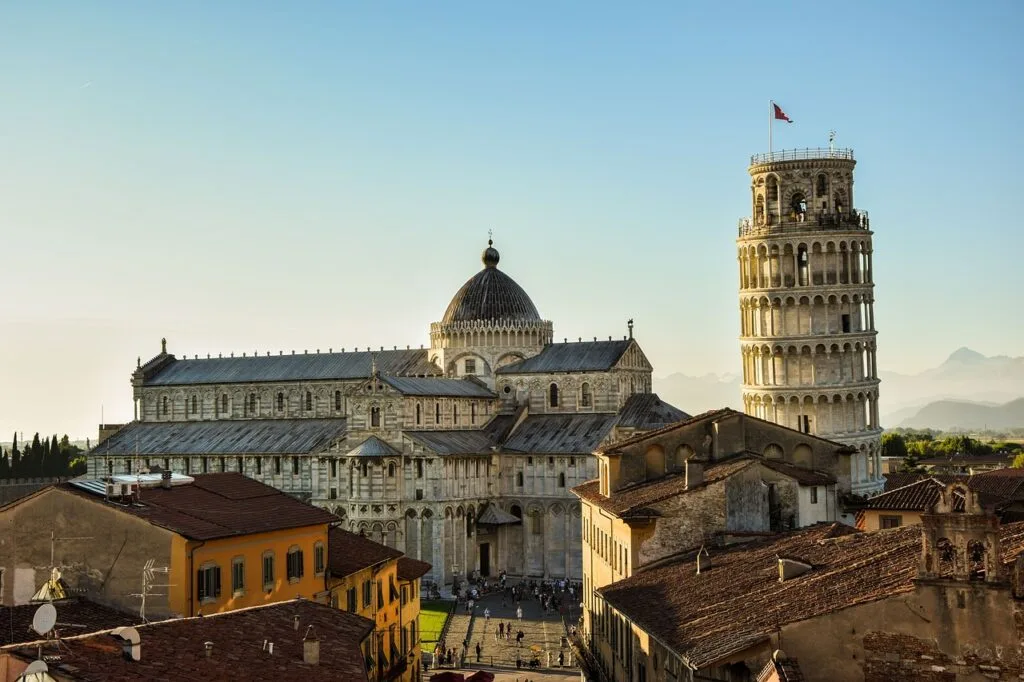
Pisa — or Firenze’s smaller cousin in fame, Pisa in Italian — packs centuries of European history, dramatic medieval architecture and that warm, lively Tuscan vibe into just a few streets. The “Leaning Tower of Pisa” (Torre Pendente di Pisa) is the image everyone knows, but seeing Pisa is more than a tilted selfie: it’s a harmonious cluster of buildings, museums, squares and walks along the Arno that deserves some relaxed planning. This article is a practical, realistic guide to help you organize a calm visit, make the most of your time at Piazza dei Miracoli and in the historic center, avoid queues and enjoy authentic culinary and cultural experiences.
The key to a successful visit in Pisa is anticipation: book timed-entry tickets, choose less crowded time slots, understand the short walking distances (everything is very concentrated around the Piazza del Duomo) and have a weather Plan B. This guide gives you the practical details — full addresses, indicative prices in euros, opening hours and access rules — as well as vivid descriptions designed to help you picture each site before you arrive. You’ll also find local tips on getting around, eating and finding unique photo angles away from the usual crowds.
Whether you’re a photographer hunting the perfect light, a traveler with a short layover at Pisa Centrale, a family with kids or an art-history enthusiast, this guide walks you through everything. We cover must-see monuments like the Torre Pendente di Pisa, the Cattedrale di Santa Maria Assunta (Duomo di Pisa), the Battistero di San Giovanni and the Camposanto Monumentale, including info on the Museo dell’Opera del Duomo and the Museo delle Sinopie. Each section offers tips to avoid lines (skip-the-line tickets, early-morning or late-afternoon slots), food recommendations and directions from the main train station Pisa Centrale (Piazza della Stazione, 56125 Pisa PI, Italy).
We’ll finish with the practical side: how to get around, where to store luggage, restrictions for climbing the tower, and how to balance cultural visits with relaxing moments along the Arno. Get your camera and comfy shoes ready: here’s how to visit the Leaning Tower of Pisa without the stress.
Planning Access and Tickets: Where, When and How Much
Main address to remember: Piazza del Duomo, 56126 Pisa PI, Italy. This wide esplanade is where the Torre Pendente di Pisa, the Cattedrale di Santa Maria Assunta, the Battistero di San Giovanni and the Camposanto Monumentale are located. The first thing to do is book your tickets online via the official Opera della Primaziale Pisana website or through authorized resellers to secure timed slots. There is a physical ticket office, but queues can exceed an hour during high season.
Indicative prices (check before you go):
- Torre Pendente di Pisa (climb): around €20 per adult for a timed-entry ticket (seasonal variation possible).
- Biglietto Opera della Primaziale Pisana (combined ticket): around €20–€25 — gives access to the Duomo, Battistero, Camposanto, Museo dell’Opera del Duomo, and Museo delle Sinopie, often valid for several days.
- Duomo di Pisa: entry is generally free but controlled; donations are suggested and access tickets may be required during events (hours vary).
General opening hours (subject to seasonal change — always check):
- Torre Pendente di Pisa: often 09:00–20:00 in high season, with time slots every 10–15 minutes to manage capacity.
- Battistero di San Giovanni: generally 09:00–19:00.
- Camposanto Monumentale: around 10:00–18:00.
- Duomo di Santa Maria Assunta: opening times vary with mass schedules; typically open 10:00–19:00.
Practical tips: book the earliest slot (9:00) or late-afternoon slots to avoid coach tour groups; choose the combined ticket if you plan to visit multiple monuments to save money and skip repeated lines. For the Tower, note your precise time slot: you must arrive 15 minutes before the scheduled time for security checks. Tickets are dated and timed and are usually non-refundable.
 Click here to book tickets for the Square of Miracles
Visiting Piazza dei Miracoli: Architecture, Atmosphere and a Suggested Route
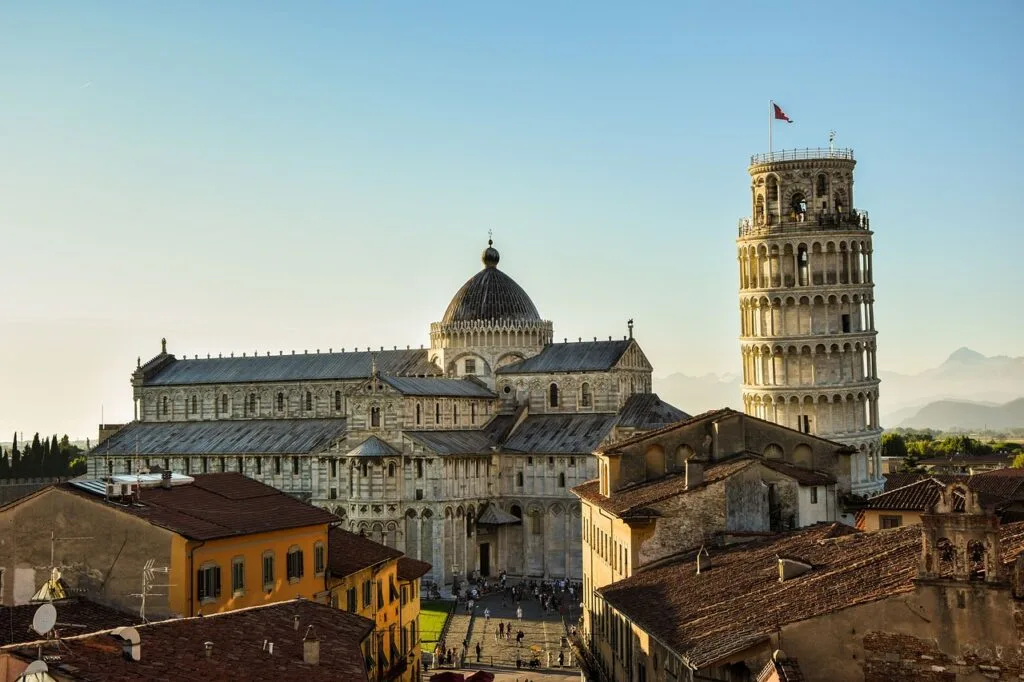
The Piazza dei Miracoli (literally “Square of Miracles”) is a rectangular lawn framed by extraordinary buildings: the Cattedrale di Santa Maria Assunta (Duomo), the Torre Pendente di Pisa, the Battistero di San Giovanni, and the Camposanto Monumentale. The shared address is Piazza del Duomo, 56126 Pisa PI, Italy. Start by taking time to appreciate the perspective and the polychrome of white, green and grey marble that shapes the façades.
Suggested route (1.5–3 hours depending on depth):
- First stop: Duomo di Santa Maria Assunta. Enter through the central nave to feel the acoustics and filtered light. Look for the cosmatesque floor and the gilded ceiling, and notice the side chapels.
- Second stop: Battistero di San Giovanni. Wander inside and, if you’re lucky, listen to the acoustic demonstration — a frequent and impressive phenomenon.
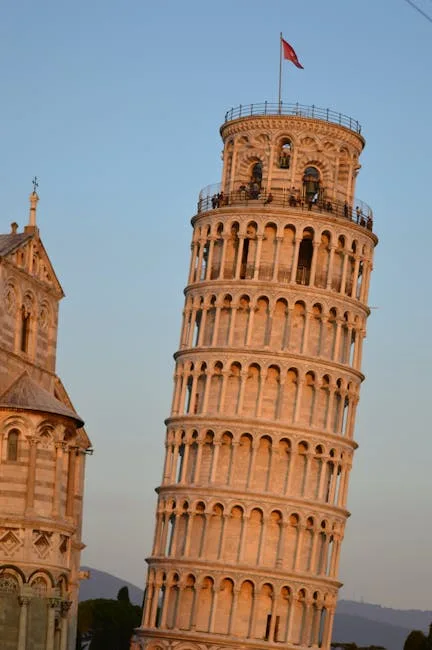
- Third stop: Torre Pendente di Pisa. Climb the tower if you’re fit: 294 spiral steps with narrow landings. The panorama from the top is worth it, but be aware the experience involves tight staircases and may not suit everyone.
- Fourth stop: Camposanto Monumentale, famous for its frescoes and funerary cloister. Take time to enjoy the restorations and carved details.
Immersive description: picture yourself standing on the lawn, distant guide groups murmuring, the scent of Tuscan pines and the changing shadows of the walls as the sun moves. Late-afternoon light warms the marble tones and offers ideal photographic opportunities away from the harsh midday sun.
Click here to book a full tour of the Field of Miracles
Getting Around, Eating and Enjoying the City Like a Local
Getting around: the main station is Pisa Centrale, located at Piazza della Stazione, 56125 Pisa PI, Italy. From the station to Piazza dei Miracoli, expect about a 20–25 minute walk (1.5 km) or a 5–10 minute taxi ride (approximate fare €8–€12). Urban buses are operated by CTT Nord/PisaMover/CPT: take the LAM Rossa line or city buses toward “Stazione – Piazza del Duomo.” The Pisa Mover connects Galileo Galilei Airport to the station.
Luggage and accessibility: there are left-luggage facilities at the station and sometimes storage services near the center. The Piazza dei Miracoli is largely pedestrian and paved: bring comfortable shoes. Accessibility to monuments varies — the cathedral and some museums are partially accessible, but the Torre Pendente is not (narrow stairs). Check with official services for accessibility arrangements.
Dining: look for trattorie and cafés in the small streets around Borgo Stretto and along the Lungarno. For a classic Tuscan meal: try a ribollita (peasant soup), mushroom pasta or a tagliere of local cured meats (salame, Tuscan prosciutto). Indicative prices:
- Espresso: €1–€2
- Main course in a trattoria: €12–€20
- More formal dinner: €25–€45
Avoid restaurants right on the main square if you want authenticity: favor the side streets where prices and quality are often better.
Click here to Book a walking tour to discover Pisa
Click here to Book a culinary and wine tasting in Pisa
Practical Tips and Local Anecdotes for a Stress-Free Visit
Hours and weather: Tuscany can be very hot in summer (July–August); plan the tower visit early in the morning or late afternoon. In winter, opening times may be reduced and parts of the Campo Santo or museums can be closed for restoration — always check official hours in the week before your trip.
Rules for visiting the Torre Pendente:
- Arrive 15 minutes before your scheduled time for the security check.
- Large bags may be refused; bring a small secure bag.
- The climb has 294 spiral steps: it’s physically demanding and not recommended for those with vertigo or heart conditions.
- Children must be accompanied and follow staff instructions.
Safety and scams: watch your belongings in tourist areas and beware of street vendors offering “fast tickets” at inflated prices. Prefer official ticket offices or websites. When taking photos, be polite: ask before photographing people in religious attire or local events.
Local anecdote: many Pisans find it amusing that the tower draws the whole world for a one-meter tilt; for locals, Pisa also means the university (Università di Pisa) and a vibrant student scene. Stroll down Corso Italia or Borgo Stretto to feel that energy and you may catch a student concert or a local market.
Conclusion
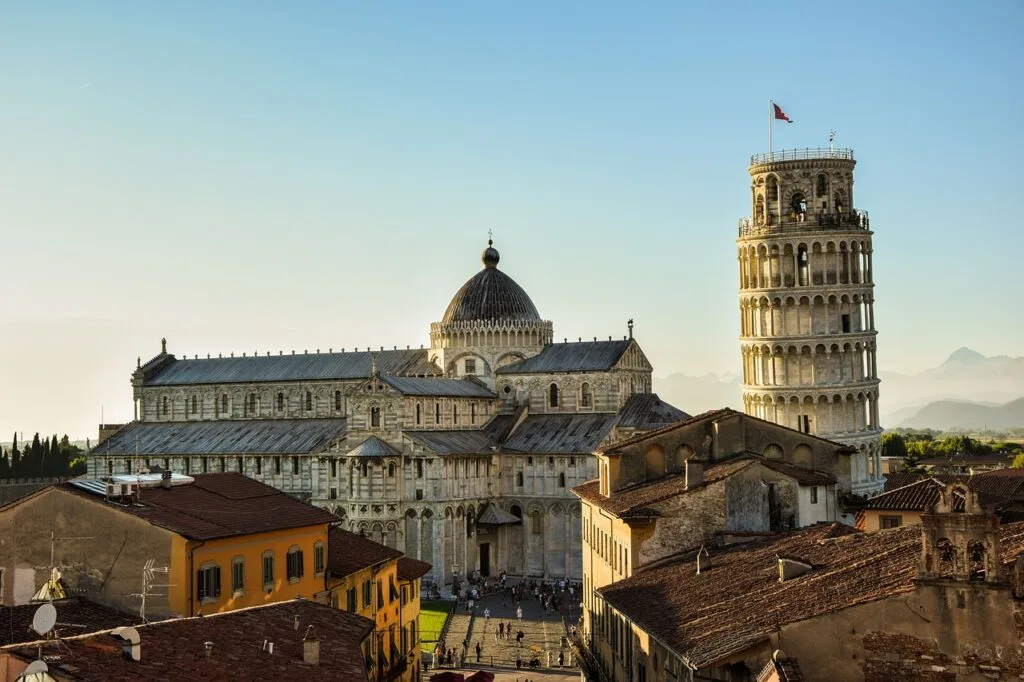
Visiting the Leaning Tower of Pisa without stress is mainly about organization, timing and attention to detail. Booking ahead, choosing less crowded time slots, opting for the combined ticket if you want to explore several monuments and preparing alternatives for changing weather are simple moves that turn a potentially chaotic outing into a smooth, memorable cultural walk. Pisa offers far more than its famous tilt: it’s a city where Romanesque and medieval history converses with contemporary life, and its streets hide as many surprises as the grand square.
Before you go, check official hours (Opera della Primaziale Pisana, Museo dell’Opera del Duomo), mind the weather and wear suitable shoes. If you’re staying longer, take time to walk along the Arno at sunset, sample Tuscan specialties in a neighborhood trattoria and explore less busy spots like Piazza dei Cavalieri or museums dedicated to Pisan art. Finally, respect the sites and safety rules: that preserves both your comfort and these monuments for future generations.
With a little preparation and the practical tips shared here — exact addresses, price ranges in euros, indicative hours and local tricks — you can turn a potentially stressful visit into a rewarding, photogenic and culturally rich experience. Enjoy Pisa: may your view from the tower top or your stroll along the Arno become an unforgettable memory.