



INTRODUCTION
Pisa isn’t just a quick stop to snap a photo of the famous Leaning Tower: in 48 hours this Tuscan city reveals deep history, a lively university vibe and a food scene worth exploring with appetite. Between cobbled streets lined with artisan shops, sunlit medieval squares and bustling markets where students converge, Pisa serves up a warm, compact slice of Italy — ideal for a short culinary getaway centered on local produce, family-run trattorie and comforting Tuscan specialties.
Contenu de l'article
This 48-hour guide is set up as a sensory route: mornings for landmark visits, lunchtimes for markets and quick bites, afternoons for museums and wandering, and evenings to dive into Pisan cuisine. Each stop includes exact addresses, usual opening hours, price indications in euros, immersive descriptions to help you picture yourself there, and practical tips — how to avoid the crowds at the Torre Pendente, where to taste the best pappa al pomodoro (Tuscan tomato soup), and which local wines to favor.
On the pages that follow you’ll find a day-by-day plan: Day One focuses on the Piazza dei Miracoli and the historic quarter, Day Two explores markets, lively neighborhoods and neighborhood tables. I picked emblematic spots and tasty pit stops that represent Pisa’s culinary identity — from morning cafés to trattorie serving cinghiale (wild boar) and crostini Toscani, finishing with artisan gelato shops for a sweet note.
A few logistics before you go: Pisa is compact and easy to explore on foot. Wear comfortable shoes for the cobbles, book your Torre slot in advance (capacity is limited) and check opening hours the same day — especially off-season. Above all, go with the flow: beyond the must-sees, the most memorable culinary finds often come by chance, following the scent of freshly baked focaccia or stepping into a tiny bistro where locals dine.

Day 1 — Monumental Morning and Traditional Lunch around the Piazza dei Miracoli
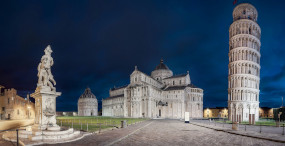
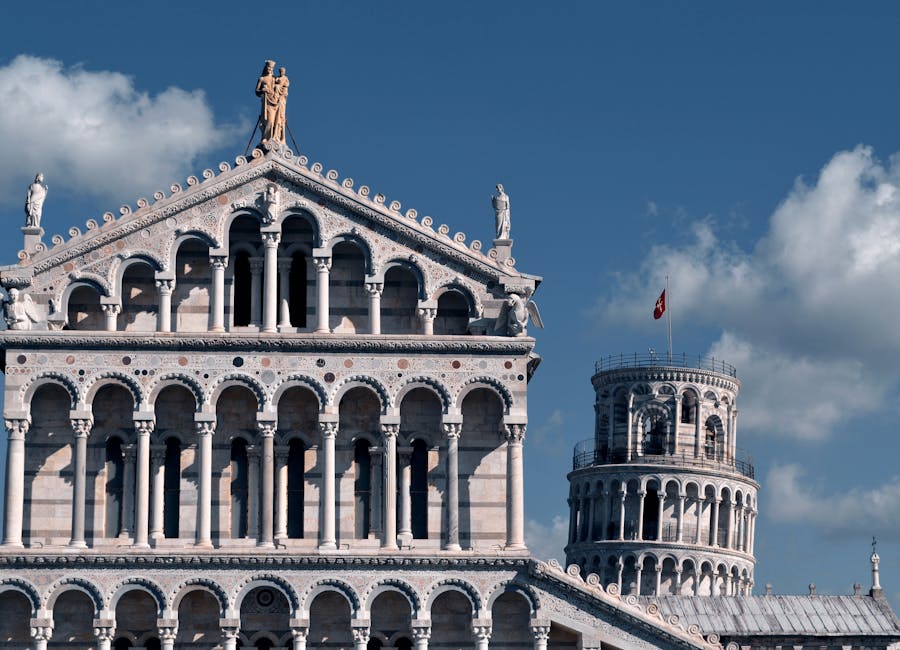
Start your immersion at the city’s historic and spiritual heart: the Piazza dei Miracoli (Piazza del Duomo, 56126 Pisa PI). This is where several UNESCO World Heritage monuments sit within a few steps of each other — a perfect cluster to make the most of a morning.
Leaning Tower of Pisa (Torre Pendente) — Address: Piazza del Duomo, 56126 Pisa PI. Opening hours: usually 09:00–20:00 (seasonal variations). Price: tickets to climb roughly €20–€30 (indicative; book online recommended; reduced fares for children/young people). Climbing the tower (234 steps) is both a physical and visual experience: the hint of imbalance, the view over the Duomo’s dome and the red-tiled Tuscan rooftops make it worth the effort. Practical tip: book an early slot to avoid heat and crowds; bring ID if you purchased a ticket.
 Click here to book tickets for the Piazza dei Miracoli

Cattedrale di Santa Maria Assunta (Duomo di Pisa) — Address: Piazza del Duomo, 56126 Pisa PI. Opening hours: generally 09:00–19:00; liturgical hours may limit visits. Price: cathedral entry is free (access control in place; donations suggested); audio guides and guided tours usually cost €5–€10. The white and green marble façade, the majestic nave and Byzantine mosaics create a solemn atmosphere — take time to admire the carved capitals and the resonant acoustics.
Battistero di San Giovanni (Baptistery) — Address: Piazza del Duomo, 56126 Pisa PI. Opening hours: 09:00–19:00 (variable). Price: a combined Piazza dei Miracoli ticket (which sometimes bundles the tower climb, the duomo and the baptistery) typically runs around €18–€27. The baptistery, with its remarkable domed acoustics, is a joy for music lovers: occasional a cappella demonstrations make the space sing — don’t miss the spectacular echo.
Where to eat lunch: for a traditional meal just steps away, head to Ristorante alle Bandierine (Via Santa Maria 141, 56126 Pisa PI). Hours: 12:00–15:00 and 19:00–23:00. Prices: main courses €12–€25. Specialties: pappardelle with wild boar ragù, chickpea soup, and bistecca alla fiorentina for sharing. The restaurant offers a rustic atmosphere, warm service and generous portions — perfect to recharge after monument-hopping.
Day 1 — Museums, Gelato and Sunset on the Arno
After lunch, cross over to the Museo dell’Opera del Duomo (Museo dell’Opera del Duomo, Piazza del Duomo, 56126 Pisa PI). Opening hours: often 10:00–18:00; closed some days off-season. Price: entry about €5–€10. The museum houses original sculptures, liturgical objects and cathedral models; it frames the piazza’s artistic history and helps you appreciate the restorations visible on the façades.
Click here to buy your ticket for the Opera del Duomo museum

Then treat yourself to a sweet break: Gelateria De’ Coltelli (Via Giuseppe Garibaldi 97, 56125 Pisa PI) is an artisan gelato shop renowned for seasonal creations. Hours: 10:00–23:00. Price: a two-scoop cup €3–€5, three scoops €5–€7. The gelato is dense and creamy, made from fresh local ingredients; try the Bronte pistachio, an ultra-delicate stracciatella and the seasonal fruit sorbets.
After your snack, cross the Arno via the Ponte di Mezzo and stroll along the riverbanks. Sunset from the Lungarno bathes the city in golden tones: façades reflecting on the water and historic palazzi taking on a warm glow. This is also where students and locals meet up — wine bars and small osterie come alive for aperitivo.

Evening dining: reserve a table at Osteria dei Cavalieri (Piazza dei Cavalieri 7, 56126 Pisa PI). Hours: 12:00–15:00 and 19:00–23:00. Prices: antipasti €6–€12, mains €12–€28. This osteria blends traditional Pisan recipes with polished presentation; cozy atmosphere and a wine list focused on Tuscan bottles (Chianti Classico, Vernaccia di San Gimignano) to pair with your meal. Local tip: ask the server for the wine of the day — it’s often a great value.
Day 2 — The Vettovaglie Market, an Authentic Breakfast and Cooking Workshops
Day two begins in the beating heart of everyday Pisan life: the mercato delle Vettovaglie (Piazza delle Vettovaglie, 56125 Pisa). Opening hours: generally open in the morning from 08:00 to 14:00 (some stalls remain later). Exact address: Piazza delle Vettovaglie, 56125 Pisa PI. Prices: fresh produce sold by the piece; expect €3–€10 for fruit and vegetables, €5–€15 for cuts of cured meats/cheeses.
Immersive description: the market is a chorus of voices, colorful stalls and aromas — basil, citrus, ripe tomatoes and aged cheeses. You’ll also find artisan bakeries, fishmongers and small counters serving focacce or tramezzini for a late breakfast. Practical tip: arrive early to avoid the crowds and get the freshest picks; if you’re staying in an apartment, the market is perfect for putting together a picnic to go.
Recommended breakfast: Pasticceria Salza (Piazza delle Vettovaglie 3, 56125 Pisa PI). Hours: 07:30–13:00 and 16:00–20:00. Prices: coffee €1–€1.50, cornetto €1.20–€2.50. They serve filled croissants, brioches and local pastries — the ideal spot for a strong espresso and something sweet before a cooking class.

Cooking workshop: several local schools offer short Tuscan cooking classes, often focused on pasta fatta a mano (handmade pasta) or classic Tuscan sauces. Example: Cooking School Pisa (Via Pietrasantina 22, 56126 Pisa PI) — hours vary, morning workshops 10:00–13:00. Price: workshops €50–€80 depending on length and menu. These experiences often include an optional market visit, preparing antipasti, rolling and cooking pasta, followed by a tasting with local wine. Tip: book ahead; English is often available but specify if you’d prefer a French-language class.
Click here to book a private handmade pasta class

Day 2 — Santa Maria Neighborhood and a Typical Pisan Dinner
The afternoon is a chance to explore neighborhoods less trodden by tourists, like Santa Maria, with its quiet lanes and small shops. Wander toward Piazza San Paolo a Ripa d’Arno, admire the colorful façades and watch daily life unfold. Secondhand bookstores and artisan workshops are great places to find authentic souvenirs.
For a light lunch, try a local focaccia with a glass of Vernaccia at Focacceria Da Michele (Via San Martino 82, 56126 Pisa PI). Hours: 11:00–16:00. Prices: focaccia €3–€6, drinks €2–€4. Tuscan focaccia tends to be flatter and less salty than its Ligurian cousin and comes topped with grilled vegetables, ham and cheeses. Eat it on a bench while people-watching.
Final dinner: to finish on a high note, reserve a table at Ristorante Il Toscano (Lungarno Francesco Puddu 12, 56125 Pisa PI). Hours: 19:00–23:30. Prices: à la carte €18–€35 per dish; tasting menu €35–€55. Specialties: Pisan-style fish soup, tagliolini al limone, and bistecca alla fiorentina (order in advance). The restaurant offers pleasant Arno views and a carefully curated regional wine list. Practical tip: request a table on the river side for atmosphere and book ahead on weekends.
CONCLUSION
In 48 hours in Pisa you can balance major monuments with culinary pleasures without losing authenticity. Start with the splendor of the Piazza dei Miracoli — the Torre Pendente, the Duomo, the Baptistery and the Camposanto — then follow up the morning with a hearty lunch in a traditional trattoria. Afternoons lend themselves to cultural discoveries at the Museo dell’Opera del Duomo and indulgent breaks at artisan gelaterie or patisseries. On day two, dive into local life at the mercato delle Vettovaglie, take a cooking class to learn the gestures of pasta fatta in casa, and finish with a convivial dinner on the Arno.
Click here to book a Tuscan wine tasting near Pisa
Practical recap: book the tower climb and workshops in advance; bring cash for the market — some small stalls don’t accept cards; tipping in Italy is modest (€1–€3 at cafés, 5–10% in restaurants if service isn’t included); time your visits to avoid peak tourist hours (early morning or late afternoon); and enjoy Tuscan wines — Vernaccia and Chianti — with every meal. Finally, leave room for the unexpected: the best places are sometimes just around the corner, guided by the smell of a slow-simmered sauce or a wood-fired oven.
Have a great trip and buon appetito — Pisa is meant to be tasted as much as seen.