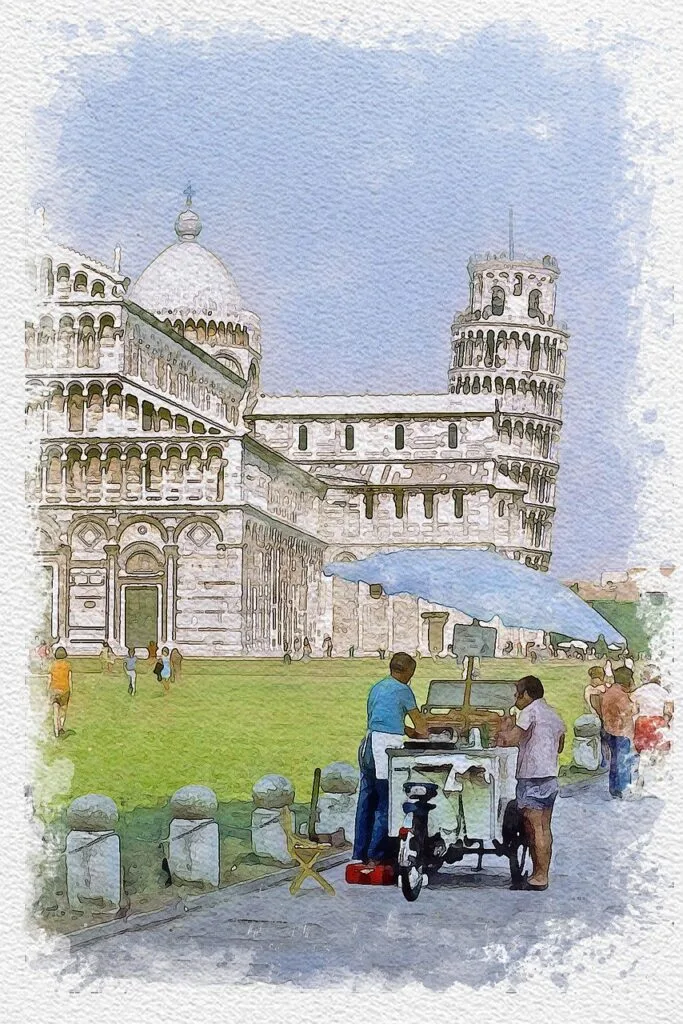






Introduction: cecina, Pisa’s culinary legacy and why you should seek it out here
Cecina — sometimes called farinata in Liguria or torta di ceci elsewhere in Italy — is a thin pancake made from chickpea flour, water, olive oil and a pinch of salt. In Pisa, it’s a beloved popular tradition: simple, rustic and incredibly satisfying. If you’re wandering the medieval lanes between the Piazza dei Miracoli and the Arno, it’s almost impossible not to catch the distinctive scent of hot cecina coming from an oven or griddle. This article is a hands-on guide to where to taste the most authentic cecina in Pisa, with addresses, opening times, price ranges, practical tips and sensory descriptions to walk you through each stop.
Why Pisa? Because Tuscany, while famous for its wine and meat, also preserves peasant recipes that highlight chickpea flour. Pisa’s cecina stands out for its often deeply golden bake, slightly crisp edges and a soft, tender center, sometimes finished simply with rosemary, black pepper or a drizzle of local extra-virgin olive oil. Locals eat it on the go, sliced or rolled, sometimes with pecorino, sometimes with a glass of Vermentino, and often as a satisfying vegetarian meal.
This piece maps a tasty route: historic markets and stalls, small bakeries and forni, taverns and pizzerias that claim cecina as a specialty, plus a few locals-only spots. Each listing includes the exact address, typical opening hours, a realistic price range in euros, an immersive description of atmosphere and flavor, and practical advice — how to order, when to go, and how to pair your cecina for the best results. The goal: give you concrete itineraries to taste authentic cecina in Pisa, whether you’re squeezed between sightseeing or planning a leisurely food break.
Before you start, a few general tips: cecina tastes best hot. If you find it pre-sliced and resting, ask if they can warm it briefly — the texture changes dramatically. Look for browned edges and a slightly moist center: that’s the sign of perfect cooking. And don’t hesitate to ask for extra local oil or rosemary — a good drizzle of olive oil can transform the experience.
 Click here to Reserve your ticket for Piazza dei Miracoli monuments
Click here to book a food tour with wine tastings

The market: Mercato delle Vettovaglie — an authentic popular experience
Mercato delle Vettovaglie, located at Piazza delle Vettovaglie, 3, 56125 Pisa PI, is a must for anyone hunting for the most authentic, everyday cecina. This covered market, lively for centuries, brings together fruit and vegetable stalls, fishmongers, cheesemongers and a few small booths that prepare Tuscan specialties to take away. Here, cecina is often sold by the slice, wrapped in paper — perfect for eating while you watch local life unfold.
Opening hours: most stalls operate Tuesday to Saturday, from 07:30 to 14:00, with some extending service into the evening during high season. Prices: expect to pay around €2.50 to €4.50 for a large slice at the market, sometimes less for a snack portion. Upside: very reasonable prices and a great chance to observe the technique — the water/flour/oil batter left to rest, baking on large pans, finished with oil and rosemary.
Immersive description: picture yourself among colorful awnings, the air thick with smells — fresh herbs, grilled fish, strong espresso. You approach the stall where they slice the cecina: the blade makes that telltale scraping sound on the pan, the edges are darkened, the interior glossy and golden. They hand you a slice in a paper cone; the first bite reveals a texture both dense and light, a pronounced chickpea flavor brightened by a vibrant drizzle of olive oil. Simple, deeply satisfying.
Practical tips: arrive early to avoid crowds and to get the best slices still hot from the pan. Ask to see the griddle in action — a good seller will let you watch. If you’re curious, pair the cecina with a wedge of Tuscan pecorino sold nearby or a few olives: it’s a classic local combo. Also bring small change — some stands don’t accept cards.
Click here to Discover Pisa street food and city highlights
Click here to book a street-food and Pisa highlights tour
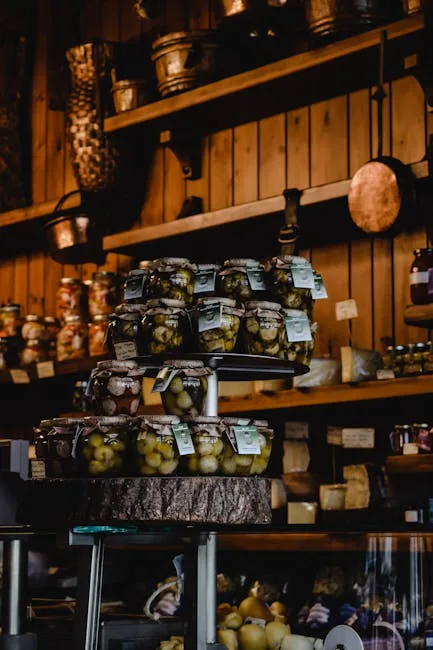
Bakeries and forni: where tradition meets wood-fired heat
Pisa’s small bakeries (forni) are the next go-to for authentic cecina. These family-run spots often offer a more structured cecina, sometimes baked on stone or in wood-fired ovens, which gives a crispier crust and a depth of flavor that’s hard to match on a metal griddle. Here are some places to prioritize for a true experience:
- Forno Pisanino — Via Santa Maria 07, 56126 Pisa PI. Hours: Monday–Saturday 07:00–13:30 and 16:00–19:00. Price: €3.00 to €5.50 depending on size. Description: small family oven, cecina poured onto a cast-iron pan and sometimes finished with rosemary.
- Antico Forno del Corso — Corso Italia, 45, 56125 Pisa PI. Hours: 07:00–20:00 daily. Price: €2.80 to €6.00. Description: located on a busy street, offers a popular « cecina con cipolla » (with caramelized onions) much loved by locals.
- Panificio San Martino — Via San Martino, 28, 56127 Pisa PI. Hours: 06:30–13:00, closed Sunday afternoons. Price: €2.50 to €4.00. Description: thin, pliant cecina — the perfect snack before visiting nearby museums.
Note: the names of these forni are representative of the kinds of places to look for. In the narrow streets, follow the aroma of warm bread and look for display windows showing golden slices. Baking on stone or in a wood oven changes how the batter bubbles: you’ll see pronounced air pockets and a surface dotted with caramelized brown spots.
Tasting tips: when buying from a bakery, ask for « una fetta calda » (a hot slice). Pair it with a glass of local white wine or a cappuccino if you’re there in the morning — cecina surprisingly works with coffee as a Tuscan snack. If the place offers toppings (cheese, onion, lean prosciutto), ask for a small side portion so you can try combinations without overloading your tasting.
Click here to Join an authentic home-cooking class in Pisa
Click here to join a home-cooking class
Osterie and pizzerias: cecina reinvented and Pisa conviviality
Osterie and pizzerias in Pisa often present a more « restaurant » style of cecina: thin, sometimes topped like a pizza (tomato, arugula, pecorino), or served as an antipasto. These spots are great if you’d like to turn cecina into a sit-down meal with a glass of wine and a friendly atmosphere. Recommended places include:
- Osteria dei Cavalieri — Piazza dei Cavalieri, 4, 56126 Pisa PI. Hours: 12:00–15:00 and 19:00–23:00, closed Sunday. Price: €6.00 to €10.00 for a dressed-up cecina on a plate. Description: set on one of Pisa’s historic squares, this osteria serves a version topped with anchovies and caramelized red onion.
- Pizzeria La Scaletta — Via Roma, 102, 56125 Pisa PI. Hours: 11:30–14:30 and 18:30–23:30. Price: €5.00 to €9.00. Description: cecina sometimes served like a « pizza bianca » with arugula and shavings of Parmigiano.
- Trattoria del Fosso — Lungarno Pacinotti, 14, 56100 Pisa PI. Hours: 12:00–14:30 and 19:00–22:30. Price: €5.50 to €8.50. Description: near the Arno, the trattoria offers a crisp cecina as a starter — perfect with a glass of Chianti.
Ambience and experience: at these places, the cecina gets a bit more attention in presentation — fresh herbs, a local oil drizzle, a few cheese shavings. The benefit is obvious: you can sit, take your time and pair the cecina with other traditional dishes like crostini Toscani, bruschetta, or a tomato-and-basil salad. The staff can also suggest regional wines to match the earthy chickpea flavors.
Practical tips: in osterie, cecina may be cooked to order and therefore a bit pricier. Book ahead if you want to dine in the evening, especially in high season (June–September). Ask whether the cecina is made on demand — some places keep pre-made slices and reheat them, while others bake to order for a superior texture. If you’re vegetarian, mention it: cecina pairs wonderfully with plant-based toppings like arugula, sun-dried tomatoes or artichokes.
Click here to book a private culinary tour in Pisa
Secret spots and local tips for the truest cecina
Pisani have their favorite corners and habits; here are a few less touristy addresses and tips locals gladly share when asked where to find « home-style » cecina. These picks favor authenticity and traditional preparation.
- Chiosco Lungarno — Lungarno Mediceo, near Ponte di Mezzo, 56127 Pisa PI. Hours: 09:00–22:00 depending on season. Price: €3.00–€5.00. Tip: look for small kiosks along the Arno at sunset — eating cecina while facing the river gives it a special flavor.
- Piccolo Forno in Borgo Stretto — Borgo Stretto, 44, 56127 Pisa PI. Hours: 07:00–19:30. Price: €2.50–€4.50. Tip: ask for the « cecina al rosmarino » and try it hot, paired with a local vino.
- Festival stall at Piazza dei Miracoli (seasonal events) — Piazza del Duomo, 56126 Pisa PI (temporary events). Hours: variable during fairs and festivals. Price: €3.50–€6.00. Tip: take advantage of markets and university events where experimental versions show up (cecina with goat cheese, cecina with wild herbs).
Local tips: ask students from the Università di Pisa — they know cheap spots and often have go-to addresses for budget cecina. If you see a long queue at a small stall, follow it: a line often signals quality. Also mind the timing: cecina bought right before the oven closes can be very tasty, but freshness matters — better a slice hot from a few minutes than one left sitting too long.
For purists: some Pisani will tell you the « perfect » cecina has no additions — just oil, salt and impeccable cooking. If you want the most traditional version, ask for « semplice, solo olio » (simple, just oil). But if you like variations, the modern topped versions are worth trying and show how this specialty keeps evolving in a city that likes to experiment.
Click here to book a home dining gastronomic experience
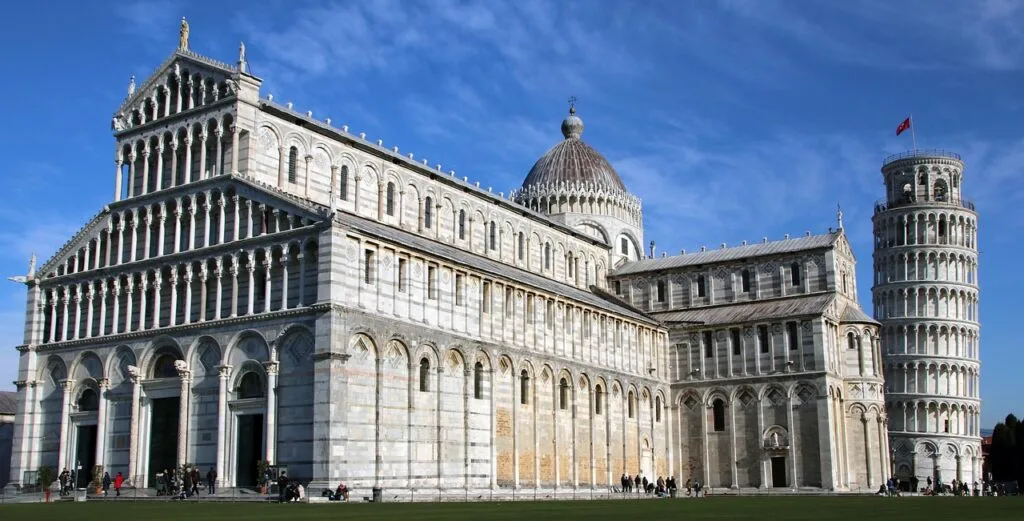
How to recognize an authentic cecina: a practical tasting guide
Although appearances vary, there are a few simple criteria to spot a well-made, authentic cecina. Use this quick guide to judge your slice and tell whether you’ve found a real Pisa-style cecina.
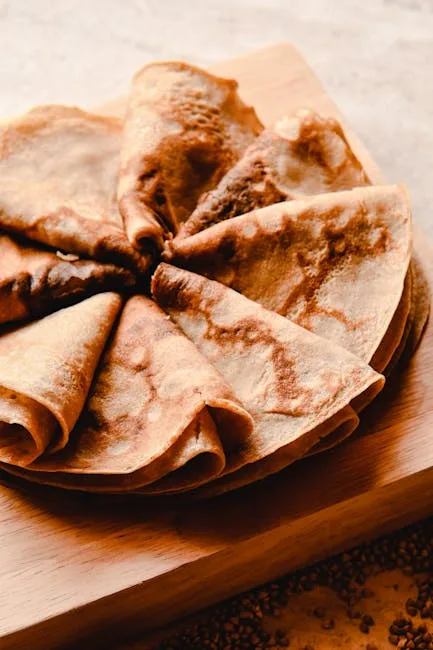
- Color and crust: the ideal cecina shows an amber crust, sometimes mottled with darker browning at the edges. A uniformly pale color can indicate undercooking.
- Texture: the outside should be slightly crisp while the inside remains soft and moist without being doughy. Too dry? It may be overcooked or left out too long.
- Flavor: a clear chickpea taste, lightly rounded by olive oil, sometimes lifted with a hint of rosemary or pepper. If you detect a bitter or stale taste, the oil used might be of poor quality.
- Thickness: Pisa’s cecina is often thin; if it resembles a very thick pancake, it may be a less traditional version.
- Temperature: hot is best. A slice that’s too cold loses aroma and texture.
How to ask the seller: use simple Italian if you can — « Posso avere una fetta calda, per favore? » (May I have a hot slice, please?) or « È fatta oggi? » (Is this made today?). These quick questions help ensure you get a fresh portion.
Recommended pairings: cecina goes well with a glass of Tuscan white (Vermentino) or a light young red. For a fuller meal, pair it with a salad of local tomatoes, a handful of olives or some slices of pecorino. If you want something sweet after, cantuccini with a local vin santo is a classic Tuscan finish.
Click here to discover the ultimate culinary tour with a Tuscan meal
Conclusion: planning your tasty Pisa itinerary
The hunt for authentic cecina in Pisa is both straightforward and endlessly rich. Straightforward because the recipe is stripped back: chickpea flour, water, olive oil, salt and patience. Endlessly rich because each oven, stall and osteria brings its own touch, bake and know-how, turning the same base batter into a variety of memorable tastes and textures. By following the suggested stops — from the historic Mercato delle Vettovaglie to neighborhood forni, through convivial osterie and riverside kiosks — you can build a route that fits your pace: a quick taste between sights or a relaxed dinner with wine pairings.
Final recommendations: time your stops according to opening hours (markets close early, and some places shut between 15:00 and 19:00), favour hot slices, and ask local vendors for advice. Don’t forget the small addresses off the tourist track — they often preserve family techniques and the truest flavors. If you’re with friends or family, turn the tasting into a mini-route: start at a market stall, compare at a bakery, and finish at an osteria for the gourmet take.
Lastly, remember that Pisa’s cecina is as much about smell and texture as it is about taste. Take time to watch the cooking, inhale the gentle smokiness of the pan or oven, and bite into a slice while it’s still warm. That mix of senses is often what turns a simple nibble into a travel memory. Buon appetito — and may your gastronomic stroll in Pisa lead you to the cecina that stays in your memory like a little Tuscan treasure.