Introduction: Why visit Lucca from Pisa?
Less than 30 kilometres from Pisa, Lucca (Italian: Lucca) makes a perfect short escape for anyone wanting to extend their Tuscany stay without venturing far. This medieval town, ringed by exceptionally well-preserved Renaissance walls, offers a soothing contrast to the tourist buzz around Pisa’s Piazza dei Miracoli: peaceful cobbled streets, intimate squares, richly decorated churches and an authentically Tuscan atmosphere that begs to be savoured at a leisurely pace.
Contenu de l'article
Getting from Pisa to Lucca is simple, cheap and fast — the train ride from Pisa Centrale usually takes 25–35 minutes and is often the independent traveller’s preferred choice. If you want alternatives, there are buses and car rental services as well. This close proximity makes Lucca ideal for a day trip, but the town truly benefits from at least one night: staying behind the walls lets you enjoy evening light, quiet cafés before the coach tours arrive, and a more relaxed cultural programme.
Lucca is notable for its wealth of landmarks: the Torre Guinigi with its trees on the roof, the splendid Cathedral of San Martino (Duomo di San Martino) housing notable artworks and the Volto Santo, the Romanesque Basilica of San Frediano with its mosaic façade, and the oval Piazza dell’Anfiteatro built on the foundations of a Roman amphitheatre. Museums like the Museo Nazionale di Palazzo Mansi and Villa Guinigi plunge you into the region’s local and artistic history, while gardens, markets and trattorie let you taste everyday Lucchese life.
In this article we’ll walk you through organising your escape from Pisa: suggested routes, practical schedules and prices, exact addresses of main sights, tips to skip queues and food recommendations. Whether you’re stopping by briefly or staying longer, you’ll leave with everything you need to enjoy Lucca. Lace up your walking shoes, grab your camera and bring your curiosity: Lucca awaits with its rare mix of heritage, slow pace and Tuscan charm.

Getting to Lucca from Pisa: trains, buses and car
The Pisa → Lucca route is one of the easiest in Tuscany and is tailor-made for a day trip. Here are the practical, fast and budget-friendly options.
Train (the most convenient option)
The rail link between Pisa Centrale and Lucca is direct and frequent. Depart from Stazione di Pisa Centrale, located at Piazza della Stazione, 56125 Pisa PI, Italia. Duration: around 25–35 minutes depending on the service. Price: tickets from €2.20 to €5.00 in second class (regional fares — check trenitalia.com before you travel). Timetable: regional trains run from early morning (around 5:30–6:00) until late evening, with high frequency during the day (every 20–40 minutes or so).
Practical tip: buy your ticket from station machines or via the Trenitalia / Italo apps. Validate (stamp) your ticket before boarding if required on regional lines. Arrival: Lucca – Stazione di Lucca, roughly a 10–15 minute walk from the main sights via Via Vittorio Veneto.

Bus
Intercity bus lines also link Pisa and Lucca (companies like Autolinee Toscana). The journey is a little longer (about 40–60 minutes depending on traffic) and can be more direct from some neighbourhoods or from Galileo Galilei airport. Price: typically €3–€7. Timetables vary by season — check online or ask at Pisa’s bus information point.
Car
If you prefer driving, allow 30–40 minutes on the SS12/SS439 depending on traffic. Parking in Lucca is available in peripheral or paid lots (blue zones). Handy parking spots: Parcheggio Cittadella, Viale Maria Luisa; Parcheggio ex Campo di Marte, Viale Martiri d’Ungheria. Parking costs vary, typically €1–€2 per hour.
Local tip: choose the train for a stress-free arrival in the heart of the town. In high season, parking inside the walls is limited and often reserved for residents.
The walls of Lucca and outdoor walks
Lucca’s most iconic feature is undoubtedly its walls (Le Mura di Lucca), a Renaissance defensive ring converted into a circular promenade. About 4 kilometres long, the walls offer a flat, shaded path ideal for walking, jogging and especially cycling — a popular choice with families and visitors. The walls have wide grassy walkways lined with trees, offering panoramic views over the town and surrounding countryside.
Access and starting points: several historic gates lead onto the walls. The most convenient from the centre are Porta San Pietro (Piazza Chiasso delle Carra, 3, 55100 Lucca LU) and Porta Elisa (Viale Regina Margherita, 55100 Lucca LU). The promenade is free and open year-round. Hours: access is unrestricted 24/7, but it’s best to walk during the day to enjoy views and nearby services (cafés, bike rentals).
Bike rentals: many hire shops are found around Piazza Napoleone and the Stazione di Lucca. Typical rates: €6–€12 per hour or day packages €15–€25. Cycling is a perfect way to complete the full circuit (around 4 km) in 20–40 minutes at a relaxed pace.
Views not to miss: at sunset the southwest stretch of the walls is particularly pretty — you’ll spot red rooftops and medieval towers piercing the skyline. Stop for a coffee at one of the kiosks along the way for a true Lucchese break.
Local tips:
- Avoid the hottest hours in summer (12:00–16:00) and aim for morning or late afternoon.
- If you’re travelling with children, the walls are safe and ideal for strollers and scooters.
- Bring a small water bottle: there are public fountains but they’re not everywhere.
 Click here to book your Lucca to Pisa bike tour
Must-see churches and monuments
Lucca is a city of art and faith, where every square seems flanked by a charming church. Here are the sights you shouldn’t miss, with addresses, opening hours and prices where relevant.
Duomo di San Martino (Cathedral of Saint Martin)
Address: Piazza San Martino, 7, 55100 Lucca LU. The Romanesque-Gothic façade of the Duomo di San Martino hides an interior rich in artworks: the chapel of the Volto Santo (the Holy Face reliquary) and notable paintings. Opening hours: generally 09:00–19:00 (may vary for religious services). Price: cathedral entry is often free, but access to the treasury or some diocesan museums may be chargeable (around €3–€5).
Torre Guinigi
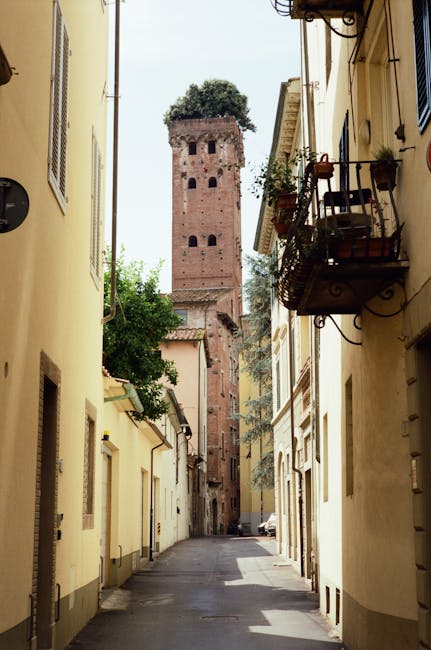
Address: Via Sant’Andrea, 45, 55100 Lucca LU. One of Lucca’s most famous medieval towers, the Torre Guinigi is instantly recognisable for the oaks growing on its rooftop terrace. Hours: roughly 09:00–19:00 (seasonal variation). Price: entrance about €5–€7. The climb is a bit steep, but the panoramic view over Lucca’s roofs and the Tuscan countryside is worth every step.
Basilica di San Frediano
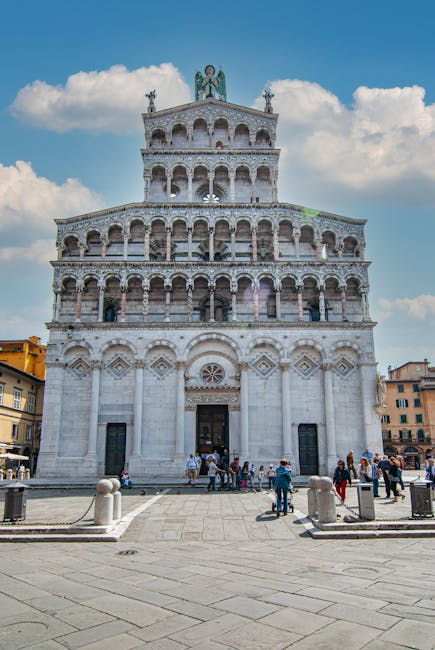
Address: Piazza San Frediano, 55100 Lucca LU. The gilded mosaic on the façade draws the eye: inside, the church retains a powerful Romanesque spirit and refined decorations. Hours: typically 09:00–18:00. Price: free entry, donations are appreciated.
Piazza dell’Anfiteatro
Address: Piazza dell’Anfiteatro, 55100 Lucca LU. Built on the remains of a Roman amphitheatre, this elliptical square is now ringed by cafés and restaurants — a great spot for a break, people-watching or photos. Open and free to visit any time of day.
Practical tips for monuments:
- Most sites accept cash and card; still carry a little cash for small entries or donations.
- For Torre Guinigi, wear comfortable shoes and avoid large suitcases: tower access is often narrow.
- Respect Mass times at the Duomo to avoid interrupting services.
Museums, palaces and gardens: cultural immersion
Beyond churches and monuments, Lucca has several museums and palaces where local history is displayed with finesse. Here are the main spots not to miss, with addresses and practical info.
Museo Nazionale di Palazzo Mansi
Address: Piazza Mazzini, 1, 55100 Lucca LU. Housed in a Baroque palace, the museum showcases paintings, furniture and tapestries from the 17th and 18th centuries. Opening hours: generally 09:00–19:00 (check seasonally). Price: around €6–€8 for full entry.
Museo Nazionale di Villa Guinigi
Address: Piazza Guidiccioni, 3, 55100 Lucca LU. This museum is dedicated to Lucca’s art and history, set in an elegant villa. Hours: often 10:00–18:00. Price: about €4–€7 to enter.
Orto Botanico Comunale di Lucca
Address: Via del Giardino Botanico, 11, 55100 Lucca LU. A small, peaceful botanical garden — ideal for a contemplative stroll away from the tourist routes. Opening hours vary, often open in the afternoons; entry usually free or donation-based.

Visiting tips:
- Buy combined tickets when available: some museums offer bundled rates for multiple sites.
- Allow 2–3 hours for the main museums if you’re an art lover; follow up with a coffee in a historic bar.
- Check temporary exhibitions: Lucca hosts an active cultural calendar (concerts, talks, summer shows).
Lucca flavours: where to eat, local specialties and markets
Lucchese cuisine is generous, simple and rooted in tradition. Local specialties to try include tordelli lucchesi (stuffed pasta often served with a ragù), zuppa di farro (spelt soup) and buccellato (a sweet ring-shaped cake typical of Lucca). Here are some places and markets for an authentic food experience.
Restaurants and trattorie:
- Ristorante Giglio – Address: Piazza del Giglio, 5, 55100 Lucca LU. A historic spot near the centre, known for traditional dishes and refined service. Average prices: mains from €12–€25.
- Family-run trattorie and osterie: around Via Fillungo you’ll find small places offering daily menus at reasonable prices (€12–€18 for a main + side).
Markets and fresh produce:
- The local market runs regularly on different squares: look for cheese stalls, cured meats (salumi) and seasonal vegetables to assemble a picnic on the walls.
- For dessert, seek out bakeries selling buccellato or artisan gelaterie near Piazza dell’Anfiteatro.
Culinary tips:
- Meal times: restaurants usually serve lunch (12:00–14:30) and dinner (19:00–22:30). In high season, book ahead.
- Tipping: a small tip is appreciated but not mandatory; rounding up the bill or leaving 5–10% for good service is common.
- Try local Tuscan wines: a glass of Chianti or a local Vernaccia pairs beautifully with pasta dishes.
Click here to book a wine tasting from Pisa or Lucca

Practical tips and recommended one-day itineraries
To make the most of a day in Lucca from Pisa, here are two sample itineraries — one relaxed, one more intensive — with suggested times and tips to avoid queues.
Leisurely itinerary (for those who like to linger)
- 08:30: Depart Pisa Centrale by train.
- 09:15: Arrive in Lucca, quick coffee near the station.
- 09:45–11:15: Walk the walls (bike rental optional).
- 11:30–13:00: Visit the Duomo di San Martino and Piazza dell’Anfiteatro, then a light lunch.
- 13:30–15:30: Climb Torre Guinigi, then wander Via Fillungo and Piazza Napoleone.
- 16:00–17:30: Museum of your choice (Palazzo Mansi or Villa Guinigi).
- 18:00: Train back to Pisa or dinner in Lucca if you decide to stay.
Intensive itinerary (for art and history buffs)
- 07:30: Early departure from Pisa Centrale.
- 08:15–10:00: In-depth visit to the Duomo and its chapels.
- 10:15–12:00: Torre Guinigi and Museo Nazionale di Villa Guinigi.
- 12:30–14:00: Lunch in a traditional trattoria (try the tordelli lucchesi).
- 14:30–16:30: Palazzo Mansi and a stroll through the gardens or the Orto Botanico.
- 17:00: Coffee on Piazza dell’Anfiteatro, artisanal shopping.
- 19:00: Return to Pisa or enjoy a late dinner in Lucca to soak up the night lights.
Final practical tips:
- Wear comfortable shoes: cobbles and steps are everywhere.
- Keep digital and paper copies of your itinerary and addresses.
- In high season, arrive early to avoid tour groups and get the best photos.
- Public toilets are limited; use those in museums or cafés.
Click here to book a private Pisa and Lucca tour
Conclusion: Lucca — a Tuscan escape not to be missed
In short, Lucca charms with a dense concentration of history, a beautifully preserved urban fabric and a relaxed way of life. Just a short hop from Pisa, the town distils the essence of Tuscany: walls that invite long walks, towers and cathedrals full of art, rich museums and squares where people take their time. Whether you’re after culture, a romantic stroll or a traditional lunch, Lucca caters to most tastes and rarely leaves visitors unmoved.
Convenient and accessible, Lucca is easy to visit in a day from Pisa but deserves, if you can, an overnight stay to better catch its atmosphere at dusk or dawn. The prices and hours shown here are averages — a useful starting point for planning, but always check up-to-date information before you go (especially for museums and towers that adjust opening times seasonally).
Finally, remember that Lucca’s real riches are in the details: a mosaic catching the sun, a glass of Chianti in a tiny osteria, the quiet of a walk along the walls. From Pisa, you add an authentic, restful chapter to your Tuscany trip — a pause where history, food and local life can be savoured in small bites.
Have a great trip and enjoy discovering Lucca!