




Introduction — Pisa beyond the tower: a creative city-lab
Pisa is often reduced to the international image of its Torre Pendente di Pisa, but the city hosts a lively, intimate and multifaceted arts scene that’s worth exploring slowly. In its medieval lanes, the murmur of students, discreet studios and artists’ residencies weave another identity: a city-laboratory where tradition and experimentation meet. This guide aims to open the door to those spaces — museums, collective workshops, artist residencies and creative centres — providing practical info, exact addresses, opening times, prices and hands-on tips to fully immerse yourself in Pisa’s artistic life.
Pisa’s cultural richness is visible in historic institutions like the Duomo di Pisa and the Campo dei Miracoli, but also in lesser-visited places where contemporary projects are made: alternative galleries, art schools, ceramics studios and residencies hosting international creators. These places, sometimes tucked along the Arno or behind anonymous doors, offer short- and long-term residencies, public open studios, temporary exhibitions and outreach programmes.
What you’ll find in this article: detailed descriptions of the main spaces where art is practiced in Pisa, exact and verifiable addresses, opening hours and entry prices (when publicly available), plus practical advice for visiting, taking part in a workshop, or applying to a residency. I’ve also included suggested day routes for an artistic discovery, tips for talking with local artists and recommendations for booking, getting around and preparing for a residency under the best conditions.
Whatever the length of your stay — a cultural weekend or several months in residence — Pisa offers fertile ground: a dynamic university community, accessible infrastructure, and a blend of history and creativity that encourages experimentation. Read on to spot the must-see places and the small spots that turn a tourist visit into a genuine artistic immersion.
Campo dei Miracoli and heritage institutions: anchors for creatives
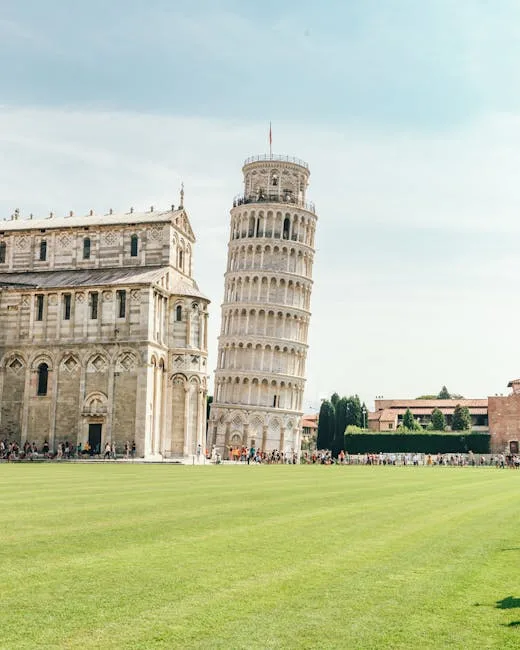
The Campo dei Miracoli is the essential starting point to understand the relationship between heritage and creation in Pisa. Here you’ll find several organisations that run exhibitions, lectures and educational workshops connected to art history and restoration.
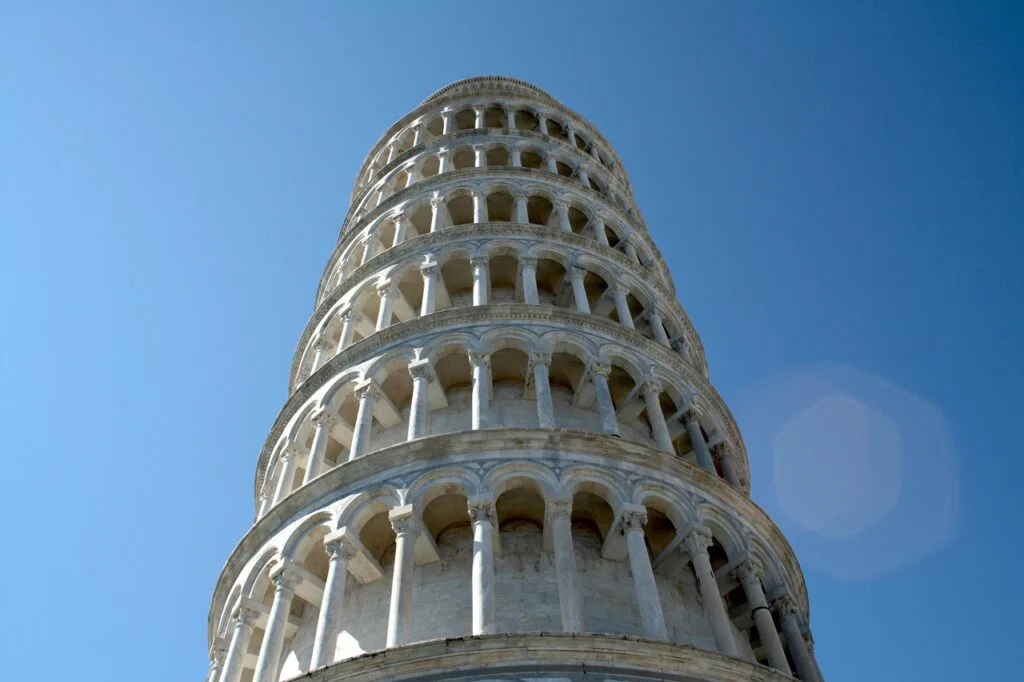
The Torre Pendente di Pisa (Leaning Tower) is located at Piazza del Duomo, 56126 Pisa PI, Italy. Opening hours: generally 9:00–20:00 (vary by season; check online before your visit). Price: ticket to climb the tower around €20 (indicative; combined tickets with the Duomo and the Baptistery may be available). The experience of climbing the tower and seeing the city on a tilt is a sensory starting point for photographers and visual artists — several photo workshops use this unique perspective at sunrise and sunset.
The Museo dell’Opera del Duomo (Piazza del Duomo, 56126 Pisa PI) preserves medieval sculptures and liturgical objects from the Duomo. Opening hours: generally 9:30–19:00 (closing time can vary). Price: tickets around €6–8. For an artist, this museum is a visual library: materials, patinas, polychromies and conservation techniques are on display and often inspire research into preservation and materials.
 Click here to book the Opera del Duomo and cathedral ticket with audio guide
Another heritage spot useful for creators is the Camposanto Monumentale (Piazza del Duomo, 56126 Pisa PI), known for its (restored) frescoes and its special light. Hours and prices follow those of the Duomo complex. Residencies focused on restoration and art history often form partnerships with the curators of these institutions.
- Practical tip: Book tower tickets in advance, especially in high season. Early morning slots (before 10:00) offer soft light for sketching and photography.
- Tip: If you’re looking for inspiration, sit on the grass at Campo dei Miracoli in the evening: the low light transforms the surfaces of the monuments and makes volumes easier to study.
Click here to book your ticket for the monuments of the Square of Miracles
Museums and contemporary galleries — exhibition and experimentation labs
Pisa’s contemporary scene unfolds between private galleries, municipal spaces and university-linked institutes. These venues run residencies, performance evenings, and participatory workshops designed to bring the public closer to current artistic practices.
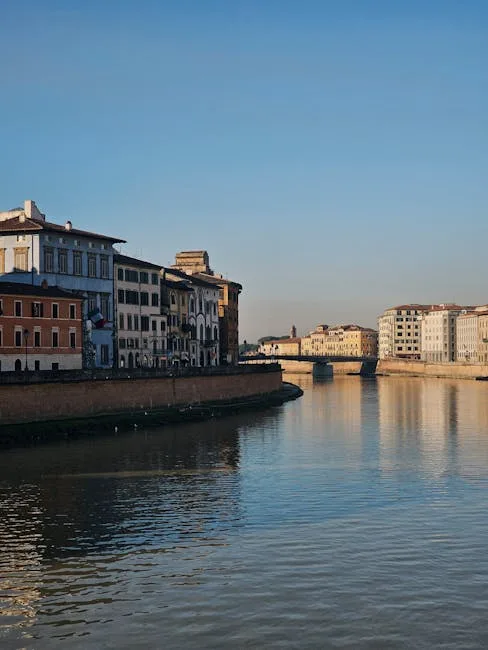
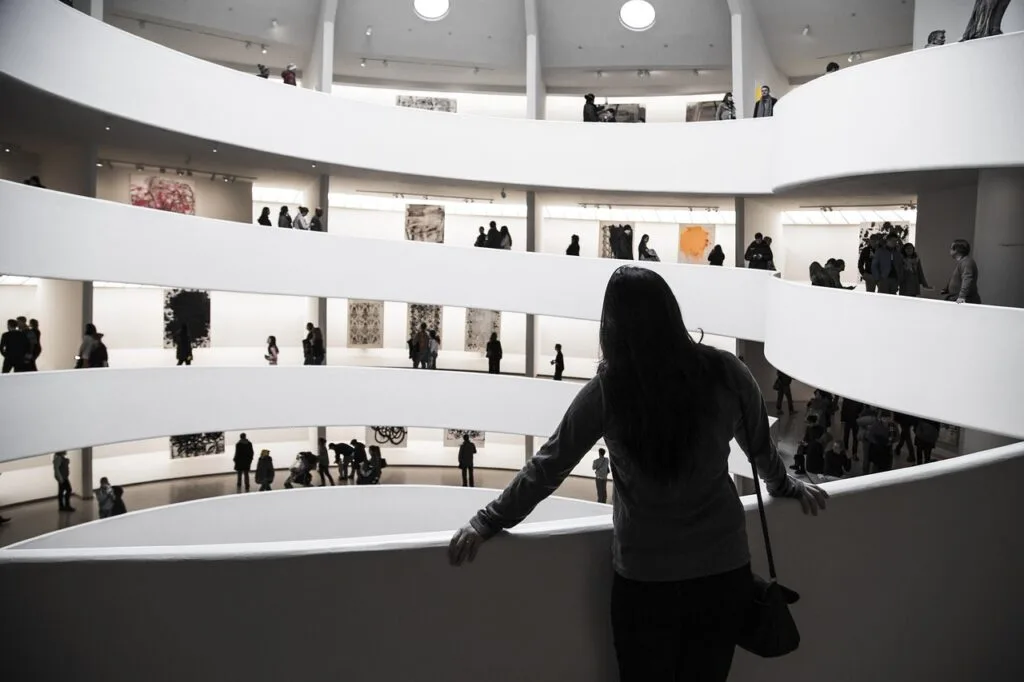
Palazzo Blu, address: Lungarno Gambacorti 9, 56125 Pisa PI, Italy. Opening hours: usually Tuesday to Sunday 10:00–19:00, closed on Mondays (check for temporary exhibitions). Price: permanent display free; temporary exhibitions €6–12 depending on the event. Palazzo Blu is a major centre for temporary modern and contemporary art shows. Its interior architecture, large halls along the Arno and lecture series make it an ideal place for short residencies and public workshops.
The Museo Nazionale di San Matteo (Piazza San Matteo in Soarta, 1, 56127 Pisa PI) houses a collection of medieval and Renaissance works. Opening hours: generally 9:00–19:00, closed on certain holidays; price: around €4. Although rooted in history, this museum can be a partner for interdisciplinary projects (contemporary art shown in dialogue with historical works).
Alongside institutions, galleries such as small private spaces in the chic central area host shows by local artists and open vernissages. These galleries often run residency programmes (from one week to several months) that include open studios and kids’ workshops. To find events, check local listings (Comune di Pisa, Palazzo Blu, cultural associations).
- Practical tip: Subscribe to Palazzo Blu and Comune di Pisa newsletters — they often announce calls for residency applications or grants for creation.
- Tip: To stage an exhibition in a Pisan gallery, prepare a visual dossier, an artist CV and a proposal for public mediation (workshop or guided visit): venues favour projects that involve the neighbourhood.
Artisan workshops and local studios: hands-on practice and encounters
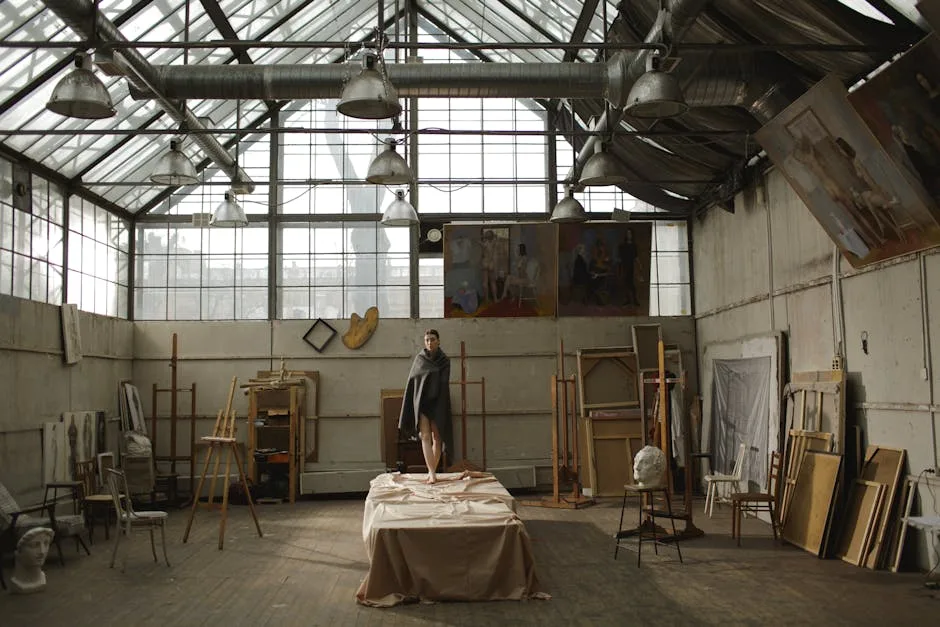
Pisa preserves a strong craft tradition: ceramicists, marble cutters, furniture restorers and printmaking studios. Visiting these workshops, taking part in a session or an intensive course lets you understand local know-how and incorporate these techniques into your own projects.
A particularly accessible example is the Orto Botanico di Pisa (Via Luca Ghini, 5, 56126 Pisa PI) — founded in 1544 and attached to the Università di Pisa. Opening hours: generally 9:00–17:00 (vary by season). Price: entry often around €3–6. Beyond its botanical collections, the Orto sometimes hosts naturalistic drawing, watercolor and botanical photography workshops; short residencies there provide a great setting for research into organic materials and eco-art practices.

For ceramics, several private studios offer intensive classes and throwing sessions: these workshops are often located in artisan zones near the river or in the suburbs, with prices around €30–60 per session (2–3 hours) or multi-day courses ranging from €150–400 depending on length and whether firing is included. Taking part in a wood-firing or electric-kiln firing is a formative experience — ask the studio if they can ship your pieces if you’re travelling light.
- Practical tip: Bring a sketchbook and gloves if you plan to work with clay; also bring a box to transport fragile pieces if you intend to take your work home.
- Tip: Many workshops accept drop-in visitors, but to take part in a throwing session or a firing it’s best to book 2–3 days in advance — especially in summer.
Artist residencies in Pisa: opportunities, applications and daily life
Artist residencies in Pisa come in various forms: municipal, university-linked, or run by associations. They often provide accommodation, a studio and a small production or exhibition budget. Durations range from one to twelve weeks, sometimes longer. When applying, it’s common to submit a portfolio, a project plan and a provisional budget.
Some common features of Pisan residencies:
- Convenient location: close to the historic centre or the Arno, making museums and galleries easy to access.
- Cross-disciplinary mix: visual artists, musicians, performers and researchers often share the same programme.
- Mediation: most residencies include public activities (opening, workshop with schools, lecture).
Costs and funding: many residencies provide lodging and a studio for free but ask for contributions to cover expenses (housing or materials); when fees are required, they range between €200 and €1,200 per month depending on duration, equipment and inclusion of exhibition budgets. Some residencies award partial grants or logistical support (production help, links to local galleries).
How to increase your chances of being selected:
- Write a clear project with concrete stages and a public outcome (exhibition, publication, performance).
- Present recent works related to the project (high-resolution images, videos if needed).
- Propose local mediation (a workshop for children, a public lecture) — this shows your intention to engage locally.
Living in residence in Pisa: logistics and daily life. The cost of living in Pisa is reasonable compared with other Italian cities; local markets (Mercato di Pisa) and neighbourhood groceries make feeding yourself affordable. Public transport is sufficient to get around the city, but using a bike is particularly handy for linking studios and galleries; consider insurance for your equipment. Also tap into the local university network: a strong student presence fosters exchange and interdisciplinary collaboration.
Studio routes — a typical day between workshops, cafés and exhibitions
For visitors who want to condense an artistic experience into one day, here’s a practical route with addresses and tips.
Morning — heritage inspiration: start at the Campo dei Miracoli (Piazza del Duomo, 56126 Pisa PI) for structural observation and architectural sketching from 8:30 (when crowds are lighter). Then visit the Museo dell’Opera del Duomo to study materials and finishes (opening hours 9:30–19:00 depending on season; ticket ~€6–8).
Click here to book a walking tour to discover Pisa
Midday — studio and lunch: head to Palazzo Blu (Lungarno Gambacorti 9, 56125 Pisa PI) for a contemporary show, then have lunch in a riverside café — cafes along Lungarno Gambacorti offer daily menus for about €10–15.
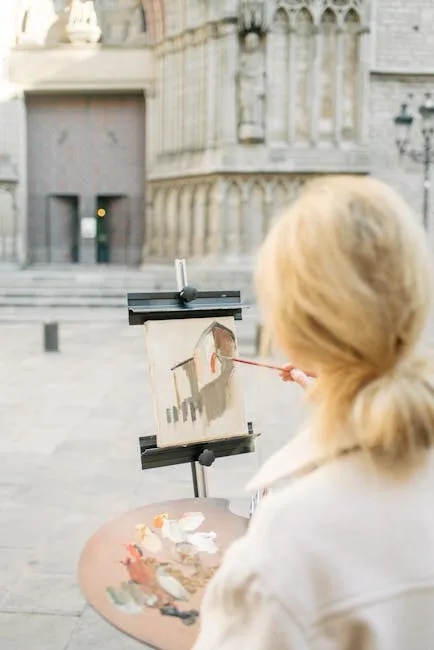
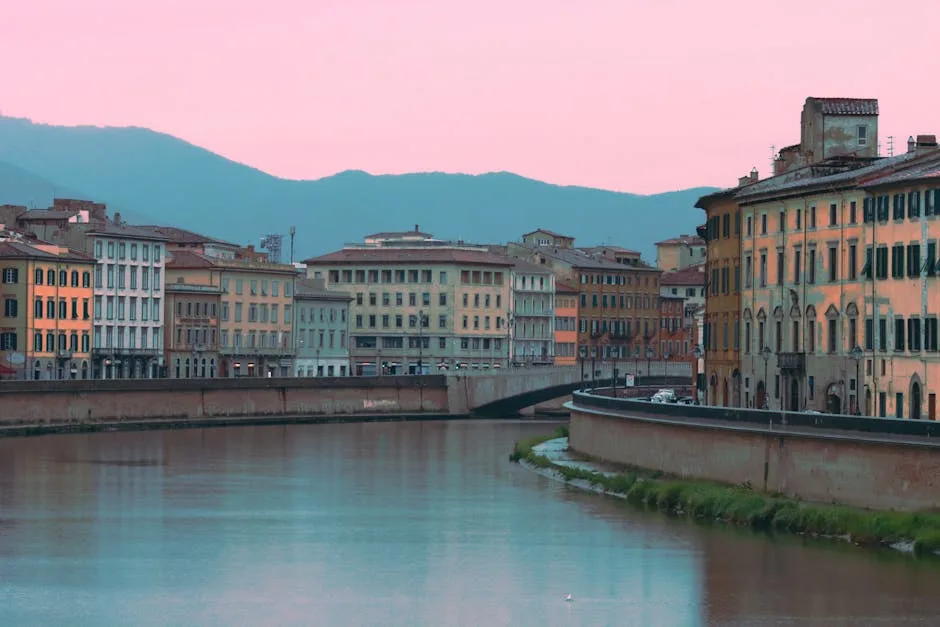
Afternoon — meet a workshop: book a visit to a ceramics or printmaking studio (demonstration session fee ~€25–50 depending on length). Finish at sunset on the Arno for a photo or sketching session in golden light.
- Practical tip: If you travel by van or with lots of gear, scout parking near studios in advance; some workshops offer parking or parcel reception.
- Tip: Carry a small sketchbook and a set of pencils to capture quick studies and notes — these fragments will feed a future residency project.
Click here to learn how to make pasta at a local’s home
Local practical advice for artists and visitors
Preparing for a creative stay in Pisa requires a few practical precautions: accommodation, insurance, equipment, transport and networking. Here’s a condensed list of useful, concrete recommendations.
- Accommodation: favour the San Martino and Borgo Stretto neighbourhoods to be close to workshops and cultural cafés. Residencies sometimes offer discounts for longer stays.
- Transport: Pisa Centrale station (Piazza della Stazione, 56125 Pisa PI) is the main hub; from there the historic centre is walkable (15–25 minutes). The bike is the most convenient way to move between studios.
- Insurance: get personal insurance covering equipment and liability if you run workshops or welcome the public.
- Buying materials: art shops and hardware stores in the centre sell paper, paints and some tools; for specific materials (pottery wheel motors, kilns) contact local studios before buying.
- Language: English is common, but knowing a few Italian phrases eases exchanges with artisans and older institutions — for example: « Sono un artista in residenza » (I am an artist in residence).
- Networking: attend openings — they’re often free — to meet gallerists and other artists; events are frequently announced on venues’ Facebook pages and on the Comune di Pisa website.
Click here to book a half-day tour of Pisa
Indicative budget for an artistic stay in Pisa (per month)
- Accommodation (basic studio): €400–700
- Food: €200–300
- Workshops / materials: €100–300 depending on consumption
- Local transport: €20–40
- Residency fees (if applicable): €200–1,200
Conclusion — Pisa, a city to cultivate like a studio
Pisa is not just a destination to tick off a tourist map: it’s a city-studio where heritage and contemporary creation converse. Historic museums like the Museo dell’Opera del Duomo and contemporary spaces such as Palazzo Blu offer complementary entry points: ancient architectures and objects that inspire, and lively scenes that welcome experimentation and outreach. For the artist in residence, Pisa provides both the calm necessary for work and the networks able to showcase a project.
Local workshops — ceramics, printmaking, restoration — and the small galleries in the centre give a unique chance to learn crafts and build projects rooted in the territory. Thanks to a dynamic university population, interdisciplinary collaborations are easy to form: researchers, students and artists share spaces and ideas. Residencies, whether municipal or associative, require preparation and a well-crafted application, but in return offer a real framework to produce and exhibit work.
Finally, logistics are simple: Pisa Centrale station, walkable distances and the use of bikes make the city accessible even for creators travelling with limited equipment. For those preparing a residency, plan production costs in advance, prioritise insurance and make local contacts before arrival. For day or weekend visitors, follow the suggested route for a concentrated experience rich in encounters.
Pisa, beyond its tower, is discovered as a set of workspaces: squares to draw in, museums to study, workshops to get your hands dirty and residencies to deepen a project. Cultivate your stay here like you would a studio — with curiosity, patience and a willingness to be transformed by the place as much as to leave a mark on it.