





Introduction — A Literary Walk Through Pisa
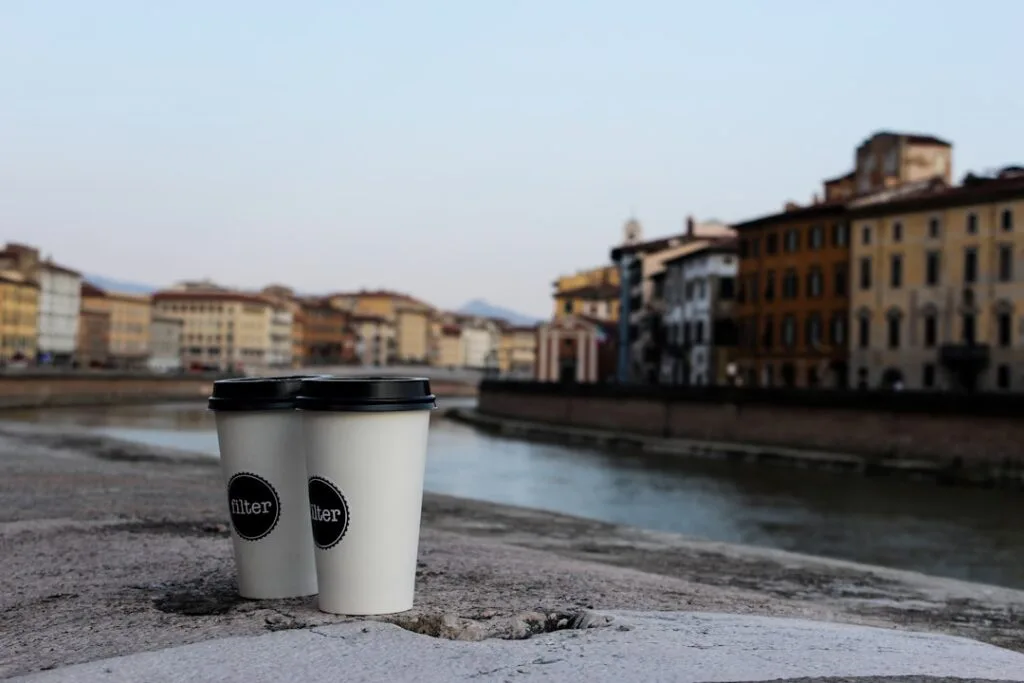
Pisa is more than just the Leaning Tower: it’s a patchwork of lively alleyways, riverside promenades along the Arno, ancient squares and cafés that have long been meeting places for students, poets and travelers. In this article I invite you on an immersive stroll through Pisa’s literary neighborhoods and historic cafés — places where the stone tells as many stories as the books stacked behind a zinc counter. Walking from the Piazza dei Miracoli to the Lungarno, threading through the medieval maze of Borgo Stretto and the promenades of Piazza dei Cavalieri, you’ll discover not only famous monuments but also tucked-away corners where words have been whispered, debated and celebrated.
Throughout these pages you’ll find detailed descriptions of emblematic sites — the Torre Pendente di Pisa (Leaning Tower), the Battistero di San Giovanni, the Camposanto Monumentale, the Chiesa di Santa Maria della Spina — along with exact addresses, opening hours and practical info (admission prices, best times to avoid crowds, photo tips). But literature isn’t confined to books: it happens at the café counter, at the table of a trattoria where a local writer scribbles the next chapter, or in a secondhand bookshop where yellowed pages carry the traces of past readings. I’ll describe several historic cafés and artisan bookshops, their addresses, opening hours and the kind of atmosphere you can expect — from bustling student coffee bars to cozy salons where poems are swapped over a strong espresso.
You’ll also get practical tips to make the most of your visit: how to combine a culture-filled morning at the Piazza dei Miracoli with an afternoon of literary wandering along the Lungarno, which routes bring out the bohemian soul of certain neighborhoods, and tricks for spotting small independent bookshops. For photographers and aesthetes, I’ve included visual cues so you know the best moment of day to capture light on a church façade or the reflection of a café in the river.
Finally, expect down-to-earth recommendations: indicative prices in euros for attractions, updated opening hours — and local tips to dodge queues, find a table in the busiest cafés or spot the best days to visit a museum. This guide isn’t just about facts; it aims to evoke the sensory experience of a city where history, literature and coffee meet on every corner. Lace up your walking shoes, bring a notebook and curiosity: Pisa awaits, full of stories and flavors.
 Click here to book your tickets for the Square of Miracles
Borgo Stretto, Borgo Largo and Heartfelt Bookshops
Borgo Stretto is one of the most charming and lively streets in central Pisa: a medieval road lined with arcades, shops, bookshops and cafés. For centuries students and townspeople have met here to talk literature, politics and passion. If you want to feel the city’s literary heartbeat, Borgo Stretto is a must-visit.
Getting there and landmarks: Borgo Stretto starts at the Ponte di Mezzo and runs up toward Piazza dei Cavalieri. The general address to remember is Borgo Stretto, 56127 Pisa. In its heart you’ll find independent bookshops offering contemporary Italian literature and antiquarian volumes. The shops under the arcades often display themed windows — poetry, local history or political essays — and the booksellers usually offer personal recommendations; many are readers themselves.
Atmosphere and services: expect tight bookshelves, stacks of new and secondhand volumes, sometimes a small table where you can leaf through a find. Borgo bookshops regularly host author events and public readings, especially in the evenings or during the spring literary season. Many shops open early, around 09:00–09:30, and close between 19:00 and 20:00 (hours vary by season).
Practical tips: if you’re hunting for secondhand treasures, mornings (09:30–12:30) are the calmest times. If you’re after rare editions or local manuscripts, ask to speak with the bookseller — they often keep items off-display. Card payments are generally accepted, but some small stalls prefer cash for small purchases.
Nearby, Piazza dei Cavalieri (Piazza dei Cavalieri, 56126 Pisa) is another intellectual hub, dominated by the Palazzo della Carovana and the historic orbit of the University of Pisa. The cafés around the square serve as informal salons where professors and students debate ideas after class.
- Best time to wander: 10:00–12:30 for bookshops, and 17:00–20:00 for café atmosphere and readings.
- Tip: Bring a reusable bag for purchases; many secondhand shops offer discounts if you buy multiple volumes.
Click here to discover Pisa on a 2-hour walking tour

The Lungarno and Historic Cafés Along the Arno
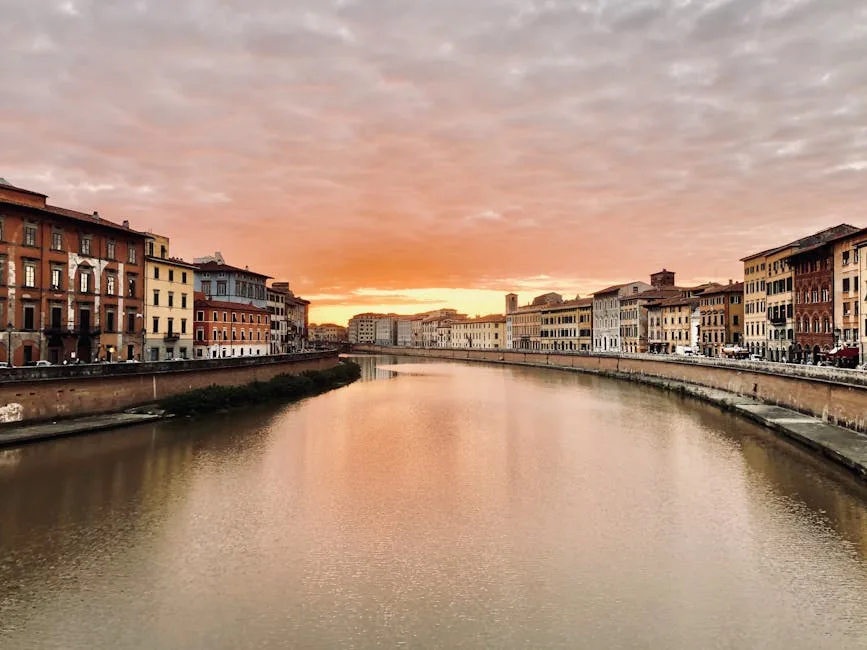
The Lungarno — the quays lining the Arno river — is a living postcard: colorful façades, historic bridges and cafés that open onto the water. It’s along these banks that everyday life in Pisa mingles with its cultural scene. Lungarno cafés have witnessed long conversations, impromptu readings and the spark of literary enthusiasms.
Points of interest: stroll the Lungarno Galilei and Lungarno Pacinotti, passing by Lungarno Mediceo and Lungarno Gambacorti. Useful addresses to know: Ponte di Mezzo, Lungarno Galilei, 56125 Pisa (the heart of the Lungarno), and Piazza Vittorio Emanuele II, 56125 Pisa (a major junction connecting the Lungarno to the city center).
Historic cafés and vibes: along the Lungarno you’ll find cafés that have kept an old-world charm — moldings, tiny balconies, marble tables and servers who know the regulars. Expect a classic espresso priced around €1.20–€2.00, cappuccino roughly €1.80–€3.00, and small pastries (cornetti, cantucci) from €1.50 to €4.00 depending on quality and presentation. Typical opening hours range from 07:30 to 22:00; some cafés stay open later, especially in summer.
Immersive experience: take a seat at a table facing the Arno at dusk and watch the golden reflections on the water while conversations drift from poetry to literary theory and a server brings a comforting cup of coffee. Students from the University of Pisa have long frequented these spots, bringing notebooks and intellectual life to the river’s rhythm.
Practical tips: for the perfect Lungarno photo, aim for the golden hour just before sunset. If you want to catch a reading or a small concert, check noticeboards or ask the barista — many cafés advertise events in their windows or on social channels. Consider booking a table on weekends if you want a seat right by the water.
- Indicative prices: espresso €1.20–2.00, cappuccino €1.80–3.00, pastry €1.50–4.00.
- Typical hours: 07:30–22:00 (vary by season).
- Photo tip: Sit on the Arno-facing side to catch reflections and pedestrian life.
Click here to book a kayaking trip on the Arno
Piazza dei Miracoli and Its Literary Nooks — Beyond the Tower
The Piazza dei Miracoli (Piazza dei Miracoli, 56126 Pisa) is Pisa’s tourist heart: the Tower of Pisa (Torre Pendente di Pisa), the Duomo di Pisa (Cattedrale di Santa Maria Assunta), the Battistero di San Giovanni and the Camposanto Monumentale form a remarkable religious and artistic ensemble. But beyond the typical photos, there are literary paths and small bookshops around this area where history comes alive.
Addresses and opening hours for main monuments:
- Torre Pendente di Pisa (Leaning Tower of Pisa) — Piazza del Duomo, 56126 Pisa. Hours: generally 09:00–20:00 (vary by season). Admission: around €20 per adult to climb (indicative rate; can vary by season and restrictions).
- Cattedrale di Santa Maria Assunta (Duomo) — Piazza del Duomo, 56126 Pisa. Hours: 10:00–18:00 (hours may change for religious services). Entry to the cathedral is free, though certain areas may require a ticket (€3–5) for guided access.
- Battistero di San Giovanni — Piazza del Duomo, 56126 Pisa. Hours: 10:00–18:00. Price: around €5–7.
- Camposanto Monumentale — Piazza del Duomo, 56126 Pisa. Hours: 10:00–18:00. Price: around €5–7 (often combined in a single ticket for the Duomo area).
Literary atmosphere: these sites inspire reflection and storytelling, and it’s common to see literature students drafting essays beneath the arcades or guides weaving anecdotes where fiction and history mingle. The cloister and gardens around the Camposanto are particularly suited to contemplative reading.
Practical tips: buy skip-the-line tickets online for the Torre Pendente to avoid long queues. Allow 1.5 to 2 hours to visit the ensemble of monuments at Piazza dei Miracoli. If you’re a photographer, early morning (08:00–09:30) offers soft light and fewer crowds. Ticket offices for the Duomo and surrounding monuments often sell combined tickets to save a few euros if you plan to visit several sites.
Click here to buy a ticket for the Leaning Tower and the Cathedral
Small Literary Scenes: Neighborhood Cafés, Salons and Author Meetups
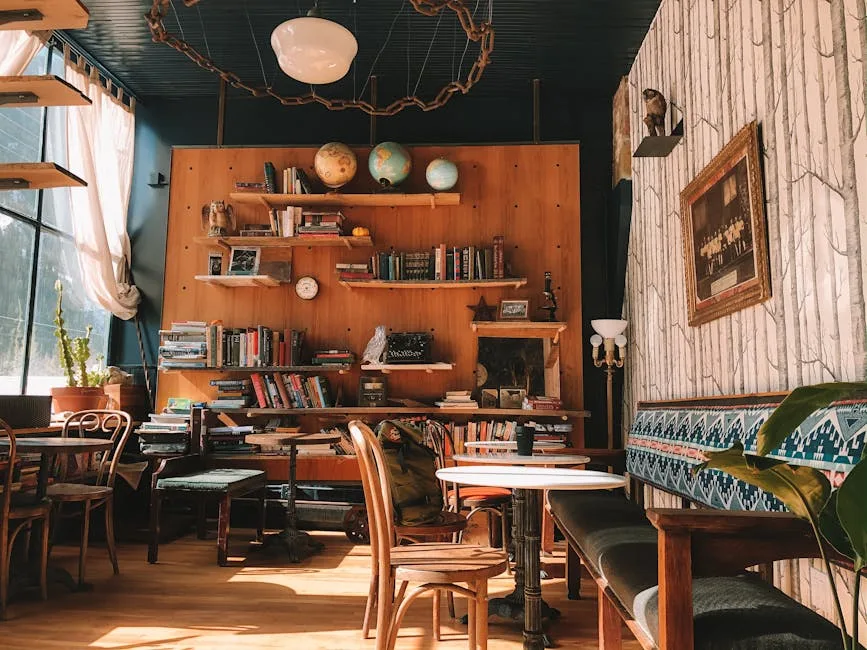
Pisa’s true literary treasures are often tucked inside modest neighborhood cafés where travelers read and the local tongue rings lively. Some venues have welcomed generations of students and local authors; others host readings and “caffè-filosofia” evenings where ideas overflow. Here’s a guide to the types of places to look for and how to enjoy them.
Types of venues to seek out:
- Student cafés — often near University of Pisa faculties, open early and lively in the afternoon. Great for vibrant conversation and meeting locals.
- Literary salons — intimate spaces in historic cafés where readings and book launches take place. Check window posters and the cafés’ social pages.
- Bookshop-cafés — combining books for sale with a counter; ideal for a long reading break with coffee and a sandwich.
Typical hours and prices: most cafés open between 07:30 and 08:30 and close between 20:00 and 23:00, depending on cultural programming. For an evening literary meet-up, budget €5–15 depending on whether you order just a drink or a full menu. Paid events (readings, meetings) are usually inexpensive: €3–10 entry, sometimes free with a purchase.
Local tips:
- Ask the barista: The best info on local events often comes from staff — ask if any readings or book clubs are coming up.
- Quiet hours: Cafés are calmest between 15:00 and 17:00 — the perfect window for uninterrupted reading.
- Reserve for evenings: If you want to attend a weekend reading, reserve a seat by phone or in person the day before.
Click here to discover Pisa’s street food and highlights
Suggested Routes for a Literary Day in Pisa
Here are two sample routes to experience Pisa through its words and cafés — a « Cultural Morning + Literary Afternoon » route and a « Slow Day » for readers seeking calm and slow discoveries.
Itinerary 1 — Cultural morning, literary afternoon:
- 08:30 — Head to Piazza dei Miracoli to enjoy the monuments (Leaning Tower, Duomo, Baptistery).
- 11:30 — Coffee break along the Lungarno, with an espresso and a cornetto (budget €3–4).
- 13:00 — Light lunch in a bistro in Borgo Stretto.
- 15:00 — Wander the bookshops of Borgo Stretto and Piazza dei Cavalieri, hunt for books and make discoveries.
- 18:00 — Evening at a salon café with a reading or acoustic concert (entry €3–10).
Itinerary 2 — Slow day for readers:
- 09:00 — Late breakfast in a Lungarno café and reading by the Arno.
- 11:00 — Visit a local literary museum or temporary exhibition (budget €5–12).
- 14:00 — Cultural nap in the Camposanto garden or reading under the arcades of Borgo Stretto.
- 17:00 — Dinner in an osteria and conversations with locals about literature and life in Pisa.
These routes are flexible: adapt them to the season, weather and your interests. Prices and times listed are common estimates and vary; it’s always wise to check online or by phone before your visit.
Click here to book a half-day trip to Pisa from Florence
Conclusion — Take Pisa Home in Your Suitcase
Pisa reads like an old book: each page — each street, every bench by the Arno, every café — carries a slice of history you can slowly leaf through. The city’s literary neighborhoods and historic cafés offer a range of experiences, from the fervor of student life to the hushed salons of intimate readings. Walking from Borgo Stretto to Piazza dei Miracoli, down to the Lungarno and into neighborhood bookshops, you’ll gather not only images and lines to jot in your notebook, but also encounters and conversations that will enrich your stay.
To keep Pisa close after you leave: pick a book at a secondhand shop, note the café where you shared a memorable conversation, and save a quote you heard at a reading. A few practical tips to take away: visit major monuments early in the morning, ask baristas about current events, and carry some coins for small bookshops. Prices and opening times in this guide are reliable reference points but can change with the season; checking ahead is always useful.
Finally, remember that the best way to discover literary Pisa is to get pleasantly lost: sit down at random, open a book, listen to conversations and let the city tell you its stories. With a notebook, a good pair of shoes and curiosity as your guide, Pisa will give you unforgettable pages to read and reread.