





Introduction
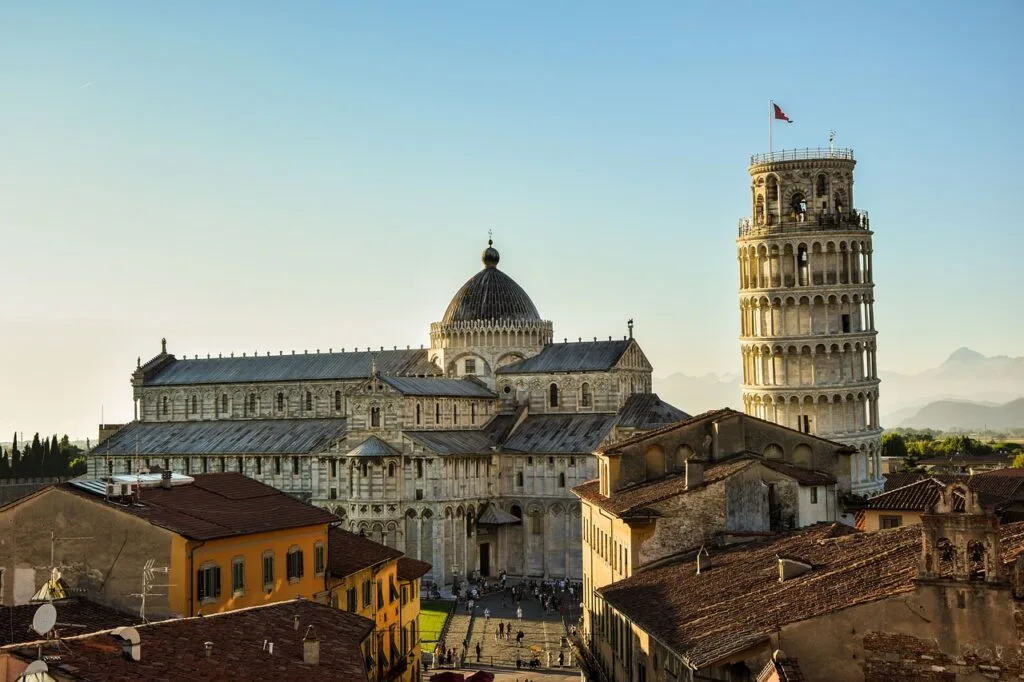
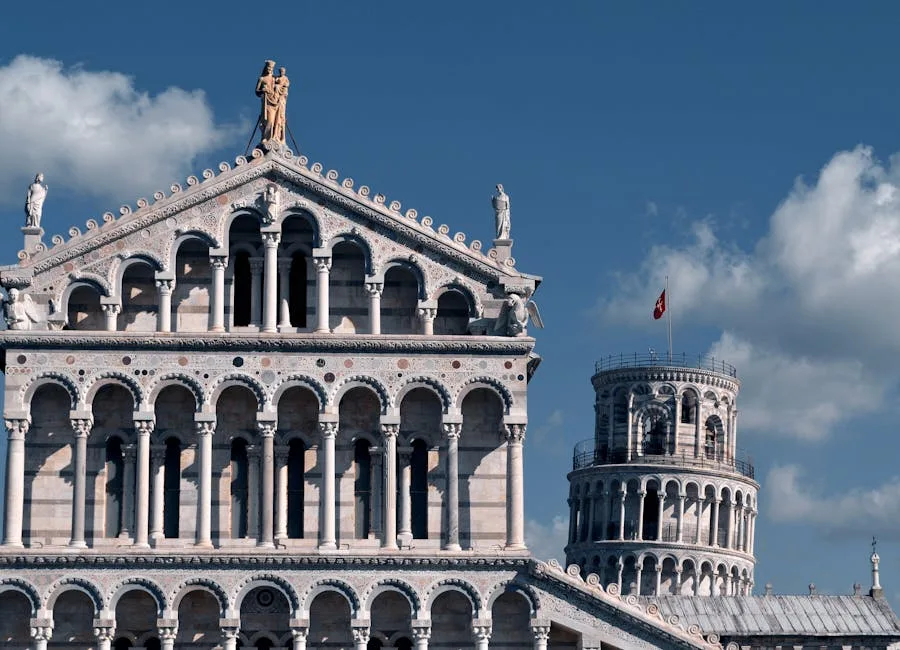
Pisa is all too often reduced to a single picture: the Leaning Tower framed by tourists holding up phones, striking that iconic pose. Yet this Tuscan city has far more to offer than that postcard snapshot. Beyond the Campo dei Miracoli, medieval alleyways, quiet convents, little-visited museums and the banks of the Arno reveal a more authentic, almost intimate side of the city. This “Pisa off the beaten path” guide aims to help you uncover those hidden gems: little-known historic sites, cafés locals actually go to, riverside walks at sunset, and practical tips to enjoy the city like someone who lives here.
A local perspective changes everything. Grabbing a coffee in a museum café, browsing the old bookshops on Borgo Stretto, or pausing in front of a small Romanesque church lets you feel the city breathe at its own pace. Here, bell towers mark the hours, neighborhood markets sell seasonal produce, and artisans still practice traditions handed down through generations. This guide focuses on concrete experiences: full addresses, opening hours, prices in euros and practical tips so you can plan your visit without losing the joy of discovery.
We’ll suggest routes that favor walking, biking or local buses rather than packaged tours. You’ll find recommendations to visit lesser-known museums like the Museo Nazionale di San Matteo, architectural gems such as Santa Maria della Spina, and green spaces like the Orto Botanico di Pisa—one of the oldest university botanical gardens in the world. We’ll also list family-run restaurants, food markets and the best spots for sunrise or sunset photos.
Finally, this guide offers practical tips: how to avoid the crowds around the Campo dei Miracoli, where to park a bike, which tickets to book ahead, and how to read local transport schedules. The goal is to give you an itinerary that blends history, art, food and local encounters so Pisa stops being just a pit stop on a Tuscan itinerary and becomes a destination in its own right. Pack your curiosity and appetite for the unexpected: the real Pisa awaits, away from the queues and Instagram hotspots.
 Click here to book your ticket for the Square of Miracles
Little-known museums and churches: treasures away from the Campo dei Miracoli
Pisa has a concentration of art and religious heritage that goes far beyond the Campo dei Miracoli. One often overlooked spot on quick tours is the Museo Nazionale di San Matteo, housed in the former San Matteo Convent. Address: Piazza San Matteo, 1, 56126 Pisa PI. The museum preserves a remarkable collection of medieval art and Tuscan sculpture, including painted panels, altarpieces and works by local masters. Indicative price: around €6-8; opening hours: generally Tuesday to Sunday 9:00–19:00, closed on Mondays (double-check before you go).
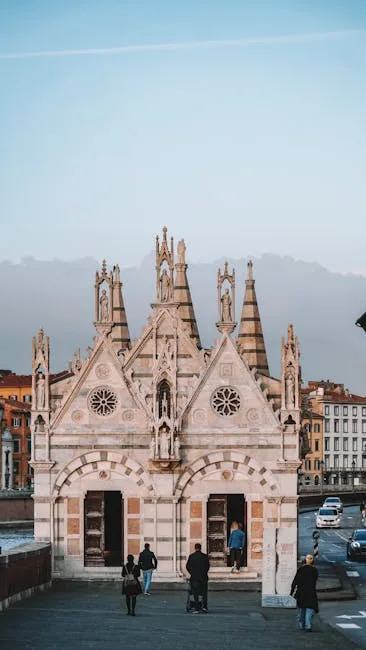
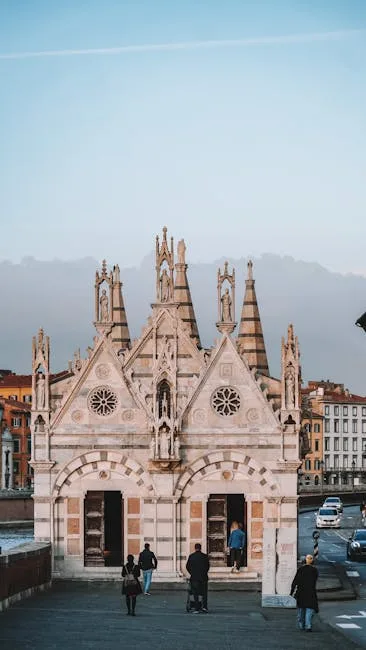
Not far away, the Santa Maria della Spina church is a tiny Gothic jewel perched on the banks of the Arno. Address: Lungarno Gambacorti, 56125 Pisa PI. Its small scale contrasts with the delicacy of its exterior decoration; it once served as a chapel for seafaring and merchant confraternities. The atmosphere inside feels intimate, very different from the vastness of the Duomo. Entry is often free or by donation, and opening times vary with the season and services (often open during the day, closed for masses).
The Museo dell’Opera del Duomo (Address: Piazza del Duomo, 8, 56126 Pisa PI) is another spot worth rediscovering away from the crowds. It houses original works removed from the cathedral, baptistery and Camposanto to protect them. Price: around €10-12; usual hours: 9:00–18:00, with seasonal variations. Visiting helps you understand the architectural evolution of the Duomo complex and admire medieval sculpture without the tourist photographic frenzy.
Practical tips: arrive early for museums or late afternoon for churches to avoid tour groups. Buy combined tickets when available (there are sometimes passes covering the Museo dell’Opera and the Camposanto) and check for potential free admission days (local culture days, etc.). Also respect silence and photo rules: some items are light-sensitive and conservation often takes priority over visitor convenience.
Click here to buy a ticket for the Museo dell’Opera of the Duomo
Riverside walks and neighborhoods to explore: Borgo Stretto, the Lungarno and San Francesco
Strolling along the Arno, away from the bustle of the Torre Pendente, reveals another face of Pisa: calmer, more residential and extremely photogenic. Start on Borgo Stretto, a historic shopping street lined with arcades and artisan shops. Indicative address: Borgo Stretto, 56127 Pisa PI. Here, old bookshops like Libreria Ubik (check the local address) and traditional cafés invite you to pause. The Saturday market, Piazza dei Cavalieri and nearby alleys are great places to watch everyday life of the Pisani.
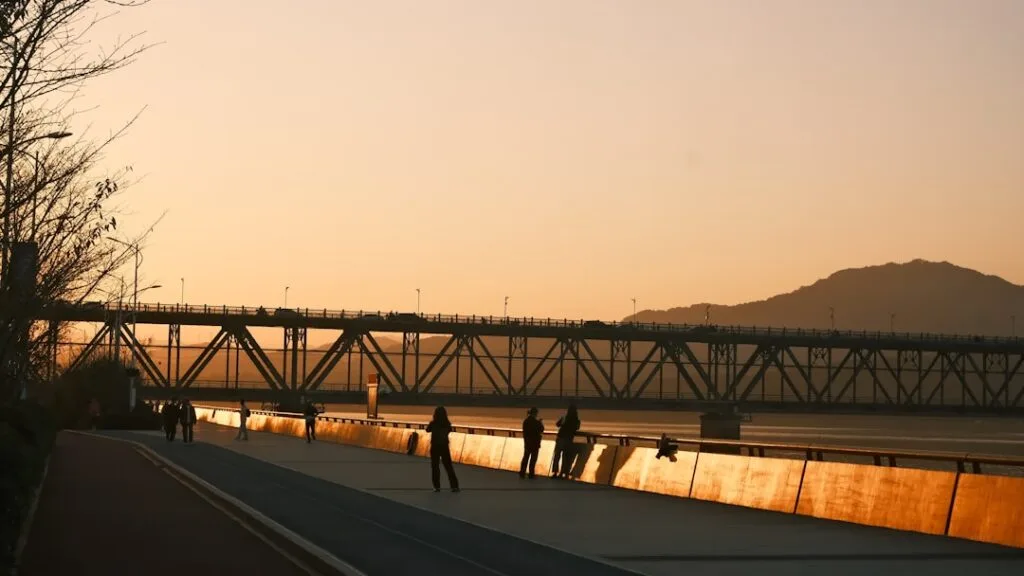
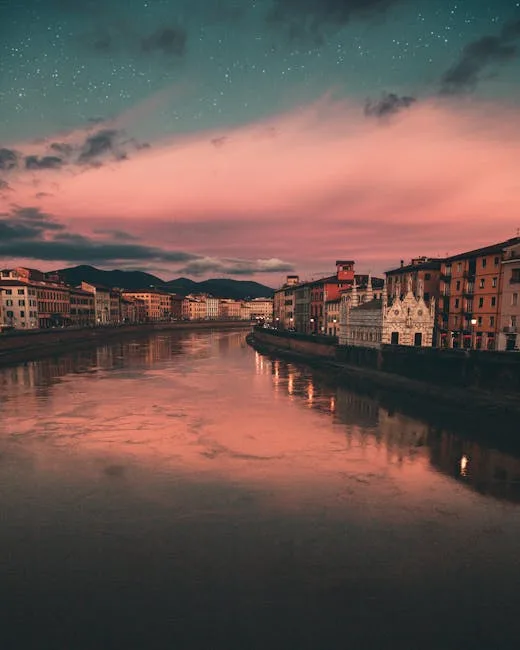
Following the Lungarno (the Arno’s quays) turns the walk into a contemplative experience. Near Ponte di Mezzo (Address: Ponte di Mezzo, 56125 Pisa PI), you’ll find bars that in the evening serve aperitivi with river views. The bridge itself is a perfect viewpoint for a sunset shot, with colorful palazzo facades reflected in the water. The quays are often used by joggers and local strollers: keep their pace in mind and adapt your walk accordingly.
The San Francesco neighborhood (around Piazza San Francesco, 56125 Pisa PI) keeps a medieval feel with small inner courtyards and family-run trattorie. The San Francesco church, with its plain façade and frescoed interior, is worth a visit. This area also hosts small art galleries and workshops where artisans practice traditional techniques like gilding or furniture restoration.
Local tips: rent a bike from a service such as « Pisa by Bike » (check local address and rates) to cover more ground and reach less central stretches of the Arno. If you prefer walking, set out early to enjoy soft light and avoid the summer heat. In the evening, opt for riverside terraces for aperitivi (typical prices: €6-12 for a spritz or a glass of local wine).
Click here to book a self-guided bike ride to the sea
Local tips: rent a bike from a service such as « Pisa by Bike » (check local address and rates) to cover more ground and reach less central stretches of the Arno. If you prefer walking, set out early to enjoy soft light and avoid the summer heat. In the evening, opt for riverside terraces for aperitivi (typical prices: €6-12 for a spritz or a glass of local wine).
Gardens, parks and green spaces: Orto Botanico, Giardino Scotto and walks beyond the center
Pisa isn’t just stone and churches: it has several green spaces perfect for a break, reading or a picnic. The Orto Botanico di Pisa, founded in 1544 by botanists from the Università di Pisa, is one of Europe’s oldest university botanical gardens. Address: Borgo Stretto, 80, 56127 Pisa PI. Entrance is often around €3-5, hours: generally 8:30–18:00 in high season, though they vary. Shaded paths, historic greenhouses and medicinal plant collections make it a perfect refuge on a hot day.
The Giardino Scotto (Address: Via Cardinale Ferdinando Capponi, 56127 Pisa PI) is a public park popular with families and students. There are lawns to lie on, playgrounds and neighborhood cafés. The fortress that gives the garden its name, the Rocca di San Giovanni (or Rocca Scotto), is an interesting spot to learn about urban fortifications and enjoy a different view of the city.
If you want to venture further afield, the north bank of the Arno and areas along the provincial road toward San Giuliano Terme offer walking and cycling trails, ideal for mountain biking or morning strolls. Locals like to meet for riverside walks or sunrise jogs, when the soft light turns the stone golden.
Practical tips: bring a small blanket for a picnic, buy artisanal bread and cheese from a local shop (approximate cost: €5-12 for a light shared meal). In summer bring water and hats; in winter the gardens can be damp in the morning, so wear suitable shoes.
Local food scene and neighborhood spots: trattorie, markets and Pisan specialties
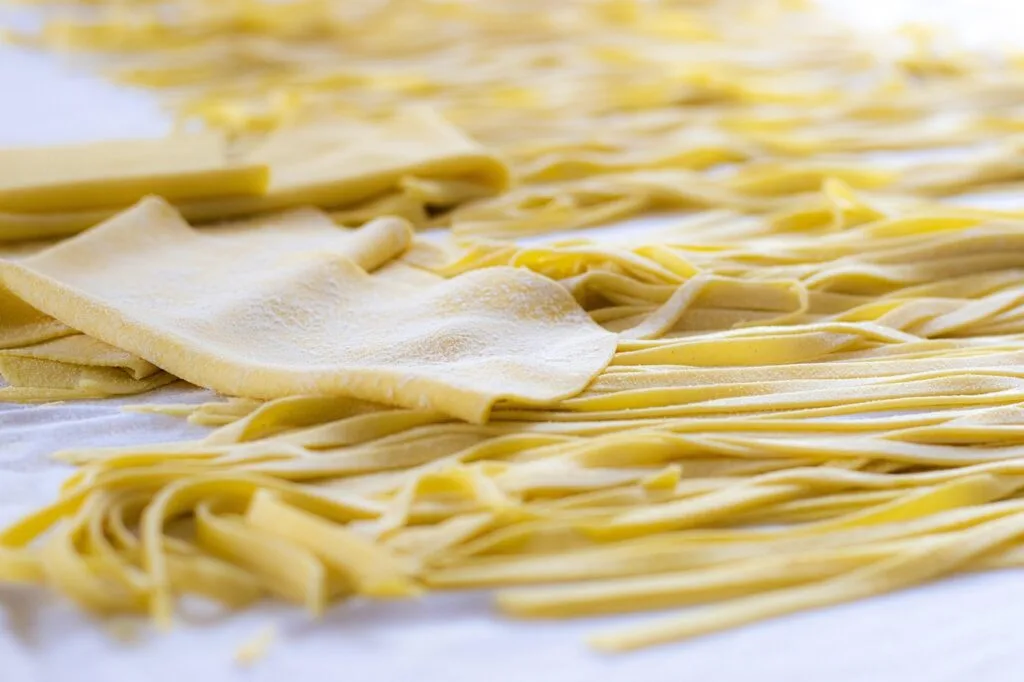
Pisan cuisine is simple, generous and based on local produce: unsalted Tuscan bread, freshwater and sea fish, seasonal vegetables and handmade pasta. To taste authentic food away from tourist traps, here are some addresses and recommendations.
Central market: Mercato di Pisa – Piazza delle Vettovaglie, address: Piazza delle Vettovaglie, 56125 Pisa PI. This market sells fruit, vegetables, fish, cheese and cured meats. It’s the perfect place to build a picnic or buy local products. Hours: morning markets, typically 8:00–13:00, closed on some public holidays. Tip: arrive at opening for the best selection.

Recommended trattorie (examples):
- Trattoria da Bruno (example) — often favored by locals for fish dishes and homemade pasta. Address varies by venue; expect dishes in the range of €10-18 for a starter and a main.
- Osteria dei Cavalieri (example) — located near Piazza dei Cavalieri, specializing in traditional Tuscan cuisine, regional wines from €4-6 per glass.
Don’t miss:
- Cacciucco (a fish stew with origins in Livorno, sometimes served in Pisa), around €12-20.
- Chickpea soup (zuppa di ceci) and Tuscan crostini, perfect for winter (prices: €5-10).
- Artisanal gelaterias for an afternoon gelato: €2-4 a scoop.
Local tips: favor places that don’t display an English menu — they’re often more authentic. Book ahead for dinner if you want to eat at a popular trattoria (especially in summer and on weekends). Ask for the house wine (« vino della casa ») for the best value and look for daily specials (« piatto del giorno ») on the chalkboards. Also try the local schiacciata from a bakery for a tasty, cheap snack (about €2-4).
Click here to discover a food and wine tasting tour
Short excursions and alternative activities: bike rides, craft workshops and night tours
Pisa lends itself well to short excursions and less touristy activities. Renting a bike is one of the best ways to explore peripheral neighborhoods and the Arno’s banks. Several rental points are located around the central train station (Stazione di Pisa Centrale, address: Piazza della Stazione, 56125 Pisa PI). Indicative rates: €8-15 per day depending on the bike type. Bike lanes along the river and toward neighboring towns are well marked.
Craft workshops: look for local studios offering pottery, furniture restoration or Pisan cooking classes. These experiences usually last two to four hours and cost between €30 and €80 depending on the activity and duration. They’re great for bringing home a personal souvenir and learning local techniques.
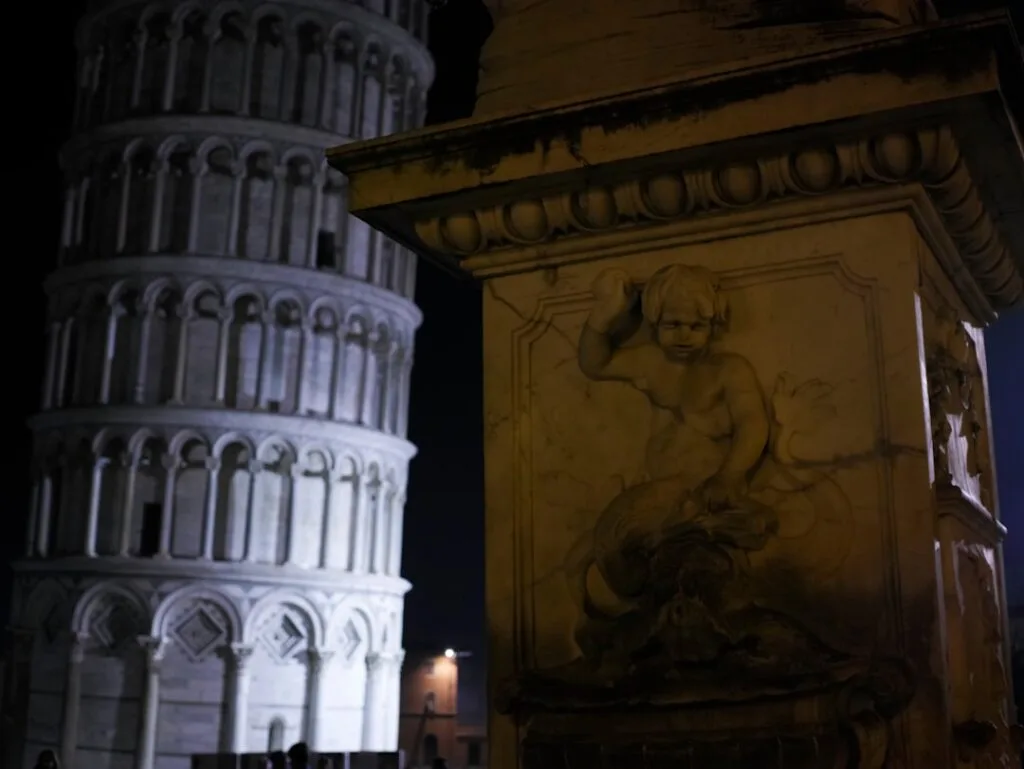
Night tours: the city changes dramatically after dark. Some local associations organize thematic walks (medieval history, Pisan legends, photo walks) led by local guides. Prices vary, often around €10-20 per person. Tours usually start around 20:00–21:00 to take advantage of evening light and illuminated façades.
Click here to join a walking tour to discover Pisa
Click here to join a home cooking class in Pisa
Practical tips: for outdoor activities, bring a small bike repair kit if you plan to explore far. For workshops, book in advance, especially in high season. In the evening, stick to well-lit, busy areas such as Borgo Stretto and the Lungarno; avoid very isolated alleys after midnight.
Practical tips for traveling like a local: transport, safety and smart moves
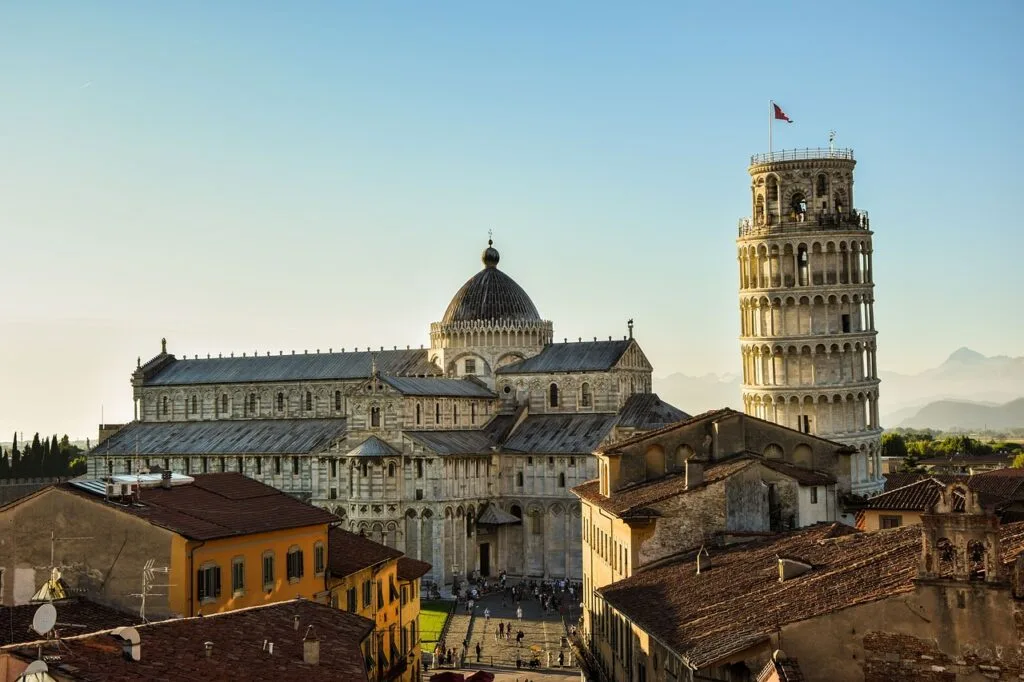
Getting around Pisa is relatively easy if you adopt a few local habits. The main station, Stazione di Pisa Centrale (Address: Piazza della Stazione, 56125 Pisa PI), is the arrival point for most visitors. From there you can walk to the historic center (about 15–25 minutes) or catch a local bus. Urban bus tickets (CPT – Compagnia Pisana Trasporti) typically cost €1.20–2.00 depending on duration and must be validated on board.
Parking and bikes: if you arrive by car, favor park-and-ride lots on the outskirts to avoid the ZTL (restricted traffic zone) in the historic center. Blue parking zones require a ticket and are regulated during the day. Renting a bike is often the most practical way to get around quickly and access narrow alleys that cars can’t reach.
Safety: Pisa is generally safe, but like any tourist destination be aware of pickpockets in heavily trafficked spots such as the Campo dei Miracoli and around the station. Keep valuables in an inner pocket or a zipped bag, and avoid leaving items visible on a café terrace.
Smart moves: look for aperitivo deals in the late afternoon (drink + small buffet for around €8-15), take advantage of free museum days or reduced rates for students and seniors, and use tourist offices for free maps and discounts. Finally, approach locals with curiosity: a smile and a few basic Italian words often open doors and bring valuable local tips.
Conclusion
Visiting Pisa off the beaten path isn’t about skipping the Leaning Tower but about learning to see the city differently. Between discreet museums like the Museo Nazionale di San Matteo and the Museo dell’Opera del Duomo, small Gothic riverside churches, the shopping alleys of Borgo Stretto, historic gardens like the Orto Botanico and walks along the Lungarno, Pisa offers a rich palette of complementary experiences. These places tell the story of a city that was long a maritime and intellectual crossroads, home to a prestigious university and gifted artisans.
The savvy traveler will mix heritage, nature, gastronomy and encounters: wander the market at Piazza delle Vettovaglie, eat pasta at a neighborhood trattoria, rent a bike to follow the Arno at sunrise, or join a craft workshop to bring home a handmade keepsake. The addresses, hours and prices in this guide help you plan balanced days while leaving room for the unexpected—often the most memorable part of any trip.
Finally, a few practical reminders sum up the attitude to take: choose off-peak times for popular sites, book workshops and restaurants ahead in high season, buy combined museum tickets when possible, and don’t hesitate to ask locals for advice. When you take your time, Pisa reveals an authentic Tuscan ease of life—a city where every stone, quay and dish seems to have a story to tell. Travel curious, walk slowly, and let the real Pisa reveal itself step by step.