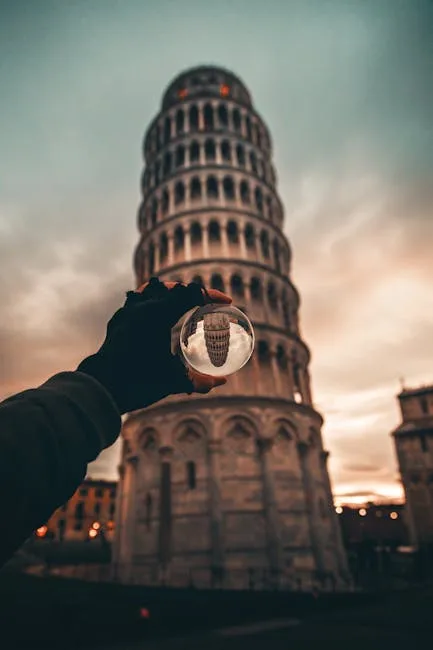






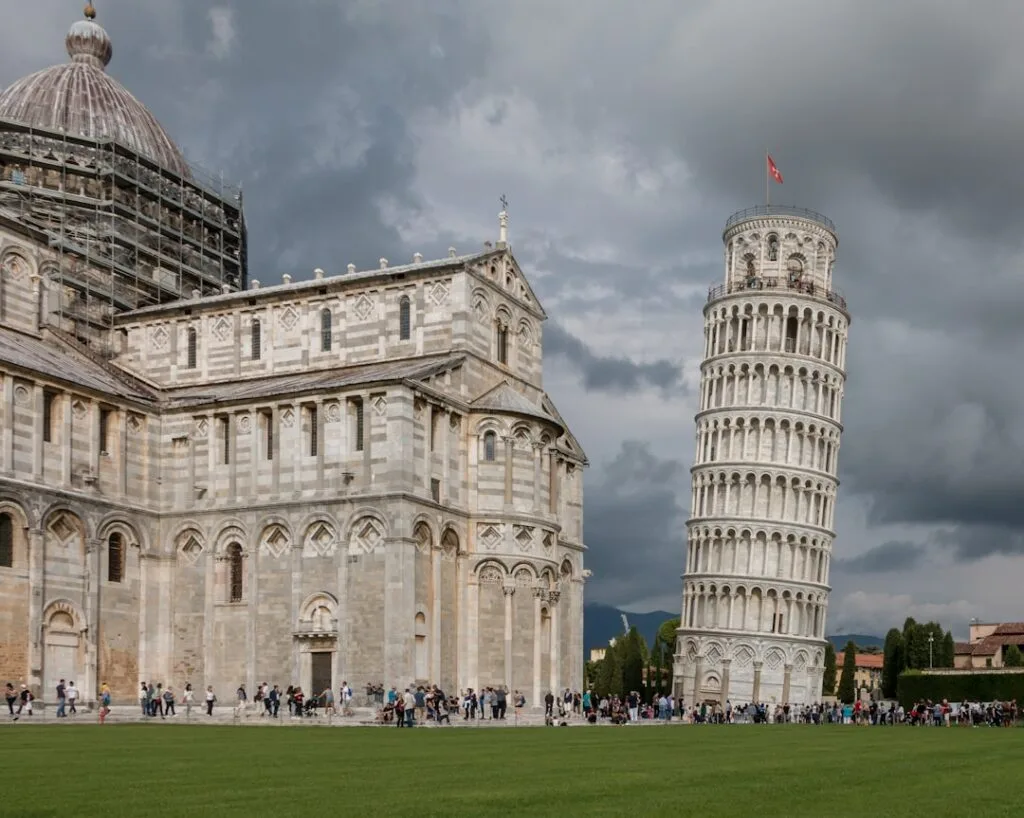
The Piazza dei Miracoli in Pisa (Piazza del Duomo, 56126 Pisa PI, Italy) is one of those places where history, architecture and photogenic charm collide in almost surreal fashion. Picture a grassy square edged by white-marble Romanesque buildings: the Torre Pendente di Pisa (Leaning Tower of Pisa), the Cattedrale di Santa Maria Assunta (Pisa Cathedral), the Battistero di San Giovanni (Baptistery) and the Camposanto Monumentale. These monuments aren’t static exhibits — they live and breathe with visitors, bells and the shifting light of the Tuscan sky. For photographers — hobbyists, enthusiasts or pros — the big question is: where should you stand to get that “perfect” shot?
In this in-depth introduction we’ll set the scene: the Piazza dei Miracoli isn’t a single viewpoint but a photographic playground. Every angle tells a different story: the Leaning Tower seen from below, the Cathedral’s carved facade lit by low sun, the Baptistery’s elliptical dome glimpsed from the gardens, or the polychrome marbles of the Camposanto under an overcast sky. Many visitors settle for the cliché — holding up the Tower with their hands — but the square offers endless possibilities for anyone who takes time to study lines, textures and composition. The travertine paving, Romanesque patterns, and reflections on wet slabs after rain are the details that can turn an ordinary picture into a memorable one.
We’ll cover not only the best spots to shoot but also practicalities: exact addresses, entrance fees in euros, opening hours, weather tips, best light windows, recommended gear, local rules (drones, tripods, flash) and crowd-beating tricks. I’ll describe classic vantage points and lesser-known markers — for example via Santa Maria, the small square behind the Camposanto, the nearby Arno riverbank, or the terrace of the Museo dell’Opera del Duomo — that let you find fresh perspectives. Expect immersive descriptions designed to sharpen your visual instincts and prep you for a productive shoot.
Finally, this guide is aimed at all kinds of visitors: the hurried traveler after the iconic snap, the photographer chasing sunrise magic, and the creative focused on sculptural details or the place’s soul. You’ll learn how to book a visit to the Torre Pendente di Pisa (Torre Pendente di Pisa, Piazza del Duomo, 56126 Pisa PI — ticketing at ticket.pisa.it), grab combo tickets for the Camposanto and Baptistery, and which time slots give you the best shooting conditions. If you’re planning a professional shoot (commercial, fashion, product), you’ll also find info on permits and the right municipal contacts in Pisa.
1) Can’t-miss shots: the Leaning Tower, the Duomo, the Baptistery — where to stand for iconic images
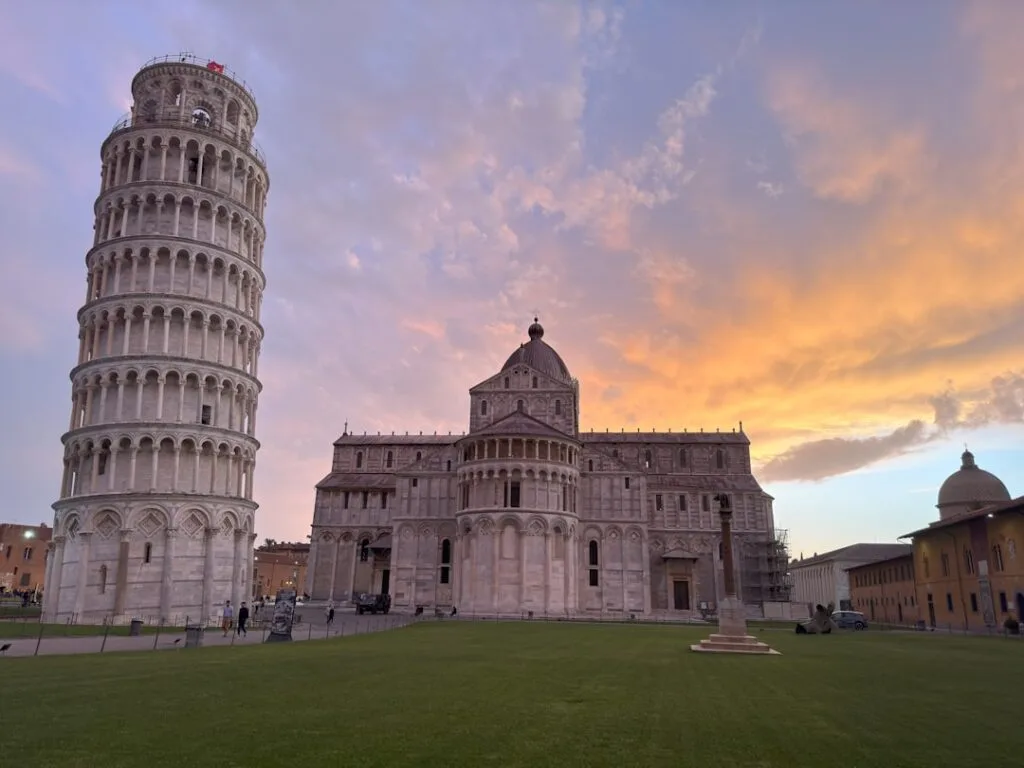
The first group of images to plan are the classics: the Torre Pendente di Pisa, the Cattedrale di Santa Maria Assunta and the Battistero di San Giovanni. These landmarks sit right on the Piazza del Duomo (common address: Piazza del Duomo, 56126 Pisa PI). For emblematic photos many people default to a centered composition with the Leaning Tower in mid-frame. To make stronger photos vary your distances and focal lengths.
Recommended vantage points:
- In front of the Tower, slight low angle: stand at the southeast edge of the lawn to capture the whole Tower against a clean sky. Ideal at sunrise (roughly 06:00–08:30 depending on the season) for soft light. Typical Tower opening hours: 09:00–19:00 (seasonal variations). Typical cost to climb: about €20–€25 per person (book ahead at ticket.pisa.it).
- Cathedral facade: for the Cattedrale di Santa Maria Assunta (main entrance on Piazza del Duomo), late-afternoon light (around 17:00–19:30) brings out the polychrome marble and reliefs. Entry to the interior is often free but subject to checks; check Cathedral hours: 10:00–19:00. Interior access can sometimes require a donation or a ticket during special events.
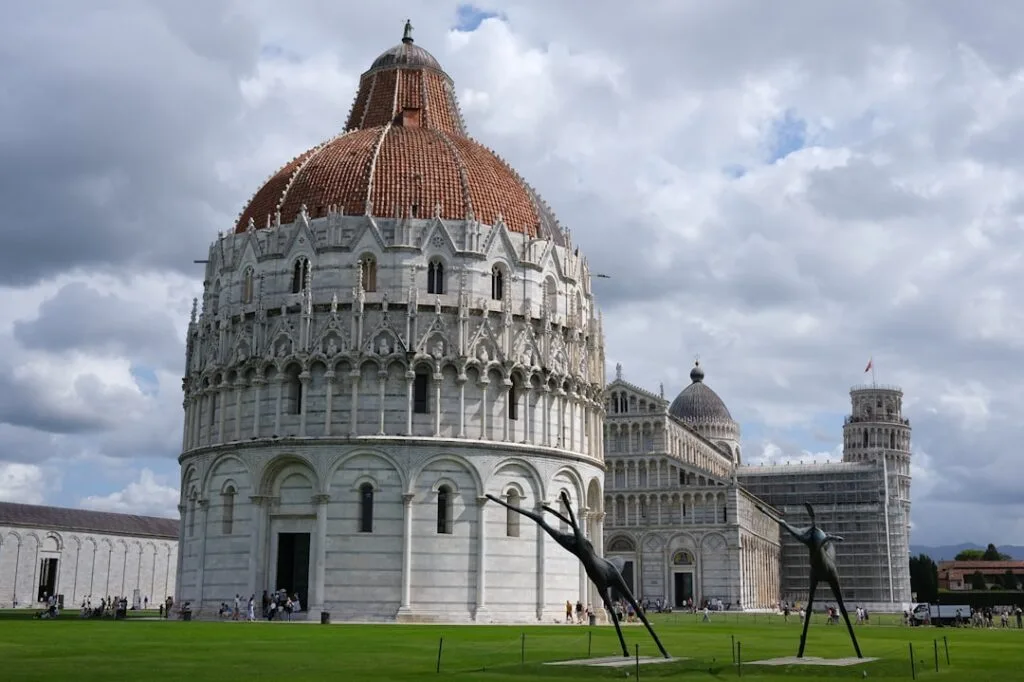
- Baptistery close-ups: the Battistero di San Giovanni has an impressive dome. Address: Piazza del Duomo, 56126 Pisa. Hours: 08:30–18:30. Entry fee around €5–€7. North-side angles highlight graceful curves and shadow plays — great for portraits and architectural detail shots.
Technical tips:
- Recommended lenses: wide-angle (16–35mm) for sweeping views, 35–85mm for environmental portraits, and a 70–200mm tele for isolating sculptural details.
- Use shallow depth of field (f/2.8–f/5.6) for portraits in front of the Tower; opt for f/8–f/11 for architectural landscapes to keep the whole scene sharp.
- Follow local rules: tripods are often not allowed inside the Duomo without permission; drones are regulated by the municipality and flying over historic sites is usually prohibited. Check with the Comune di Pisa (official channels or the tourist office) for permits.
 Click here to book your ticket for the Piazza dei Miracoli monuments
Click here to Book the Baptistery and Cathedral audioguide ticket
2) Lesser-known spots and fresh angles: play with lines and shadows
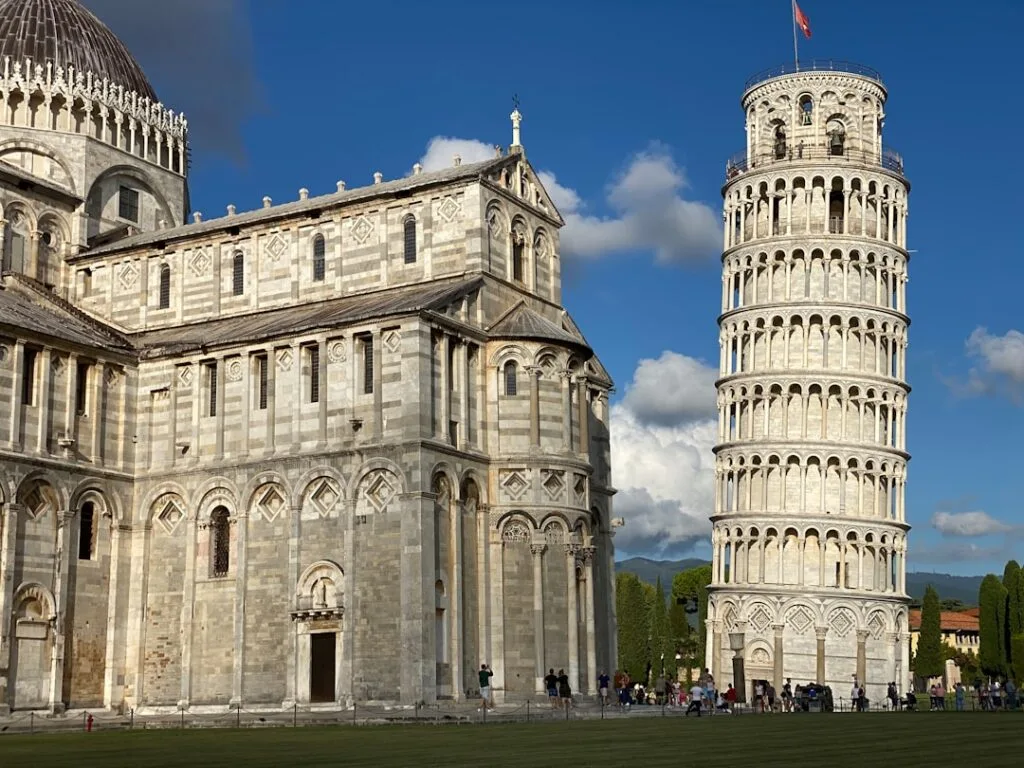
If you want to move beyond tourist postcards, explore less-traveled angles. The Piazza dei Miracoli is ringed by small streets and terraces that offer surprising frames. For instance, via Santa Maria along the south side of the square lets the Tower peek out behind a colorful facade — perfect for a contrast between marble and warm Tuscan ochres.
Other interesting markers:
- Back of the Camposanto Monumentale (Camposanto, Piazza del Duomo): the rear of the monumental cemetery reveals arcades and restored frescoes. Exact address: Camposanto Monumentale, Piazza del Duomo, 56126 Pisa. Entry: roughly €7–€10 (often included in a combined Opera della Primaziale ticket). Hours: 09:00–18:00 (seasonal). The passages between columns create natural frames for portraits and detail shots.
- Museo dell’Opera del Duomo – terrace (Museo dell’Opera del Duomo, Piazza del Duomo, 56126 Pisa): the museum terrace gives you an elevated view of the square. Address and contact: Museo dell’Opera del Duomo, Piazza del Duomo 1. Museum entry: about €10–€12. Hours: 10:00–17:30 (varying). It’s perfect at sunset for backlit cityscapes.
- Museum of Sinopie (Museo delle Sinopie): north of the square, it displays the preparatory drawings for the frescoes. Address: Piazza del Duomo. Entry around €5–€8. These interiors reveal intimate details you can’t see from outside.
Composition tips:
- Look for column-shadow patterns at dawn; repetitive motifs work beautifully in black and white.
- Get close to sculptures and use a mid-range focal length to isolate textures and expressions.
- Walk the perimeter — sometimes the best view is counterintuitive: behind a bench, under a tree or on a raised walkway.
Click here to Reserve entry to the Opera del Duomo museum
Click here to book your ticket for the Camposanto and the Cathedral
3) Best times and weather: when light transforms the square
Light is the single most decisive factor in successful images. In Pisa, Tuscan light shifts dramatically with the seasons, and the Piazza dei Miracoli changes by the hour. The two can’t-miss windows for shooting are sunrise (golden hour) and sunset (golden hour), but there are special opportunities at midday and in the rain.
Sunrise (approx. 05:30–08:30 depending on season):
- Advantages: low foot traffic, warm raking light, a quiet atmosphere. Ideal for crowd-free photos and long shadows that gild the marble.
- Practical tip: the Torre Pendente di Pisa ticket office typically opens around 09:00; to avoid the rush, either book an early slot or shoot the Tower’s silhouette from outside before doors open.
Sunset (approx. 17:30–20:30 depending on season):
- Advantages: saturated colors, dramatic skies, chances for silhouettes and the gentle glow of artificial lights. The Cathedral facade is especially photogenic late in the day.
- Practical tip: arrive 45 minutes before sunset to set up compositions and scout the best light-catching positions.
Rain and overcast skies:
- Advantages: marble colors deepen, reflections on wet paving add drama, crowds thin out, and carved details pop without harsh shadows.
- Practical tip: bring a small umbrella and a rain cover for your gear. Note that some venues dislike open umbrellas indoors — be mindful of other visitors.
Other weather notes:
- Strong wind can make stability tricky — use higher shutter speeds or a stabilizer.
- Clear nights allow long exposures for cloud streaks or lamp trails; check whether tripods are permitted at night.
Click here to book a walking tour of the Piazza dei Miracoli
4) Practicalities: tickets, hours, prices, services and local tips
To plan a successful photo session on the Piazza dei Miracoli it’s crucial to know administrative and logistical constraints. Here’s a practical, up-to-date roundup (always double-check official sources for changes).
Tickets and prices (indicative):
- Torre Pendente di Pisa (Climb the Tower) — Ticket office address: Piazza del Duomo, 56126 Pisa. Price: roughly €20–€25 per person to climb (rates vary by season). Online booking recommended at ticket.pisa.it.
- Museo dell’Opera del Duomo — Entry: about €10–€12.
- Camposanto Monumentale and Museo delle Sinopie — Entry: around €7–€10 each; often bundled in a combo (Opera card) for about €18–€22 covering multiple sites.
- Battistero di San Giovanni — Entry: around €5–€7 (sometimes included in combo tickets).
General opening times (indicative):
- Torre Pendente di Pisa: 09:00–19:00 (extended hours in summer)
- Cattedrale di Santa Maria Assunta: 10:00–19:00 (may close for religious services)
- Battistero di San Giovanni: 08:30–18:30
- Museo dell’Opera del Duomo: 10:00–17:30
- Camposanto Monumentale: 09:00–18:00
Transport and parking:
- Nearest train station: Pisa Centrale (Piazza della Stazione, 56100 Pisa PI). The Piazza dei Miracoli is about a 20-minute walk from the station (1.6 km) or a 5–10 minute taxi ride (local fare ~€6–€10 depending on traffic).
- Nearby parking: Parcheggio di Piazza Carrara and Parcheggio Scornigiana — rates vary (plan for roughly €1.50–€2.50/hour in the city center). Beware ZTL (limited traffic zones) around the historic center; check signs and payment rules.
Useful services:
- Public restrooms and tourist info points are located near the square.
- Luggage storage: the train station offers left-luggage services if you want to travel light for a shoot.
- Nearby restaurants and cafés: Ristorante da Bruno (Via Santa Maria) and cafés along Borgo Stretto — typical mains cost around €12–€18.
Local tips:
- Avoid peak hours (10:30–16:30) if you want cleaner compositions.
- Respect “No photo” signs and areas where photography is restricted (mainly inside exhibitions or restoration zones). Some rooms charge for professional photography.
- For commercial shoots (fashion, advertising), contact the Comune di Pisa and the Opera della Primaziale Pisana for permits and insurance (allow 2–4 weeks for processing).
Click here to book your ticket for the Leaning Tower and the Cathedral
5) Creativity and post-production: making your shots sing
After the shoot, post-production is where good frames become memorable images. At the Piazza dei Miracoli, marble textures, warm stone tones and the lawn’s greenery call for careful processing to stay true without overcooking the picture.
Editing approaches:
- White balance: keep tones natural and correct for the light (golden hour: +200–400K warm). Avoid over-saturating the white marble to preserve subtle variations.
- Local contrast: use luminosity masks to boost sculptural detail without blowing out highlights.
- Perspective correction: for architectural shots, correct vertical distortion (but sometimes keep the Tower’s tilt as a storytelling element).
- Black and white: great for isolating shadow-and-structure plays — marble gains texture and depth in monochrome.
Presentation and publishing:
- Think in series: the same scene at sunrise, overcast noon and sunset tells a powerful story about the place.
- For Instagram or your portfolio, mix formats and crops — the Piazza works well both as panoramas and as vertical shots for the Tower.
- Add metadata (exact location Piazza del Duomo, date, time) for complete documentation and future reference.
6) Ethical rules and respecting the site: responsible tourism
The Piazza dei Miracoli is both a listed site and a living place of worship. Photography is allowed, but it comes with responsibilities. Here are ethical rules to keep in mind:
- Respect signs and barriers: don’t cross grassy areas closed to the public, and don’t climb on structures. The lawns are fragile and heavy foot traffic damages them.
- Avoid disruptive setups: elaborate scenes can block circulation or disturb religious services; be discreet inside the Duomo.
- Consent: when photographing people — locals or tourists — always ask permission before publishing or using the images commercially.
- Leave no trace: don’t leave litter and follow local recycling rules if you picnic around the square.
Click here to Book a private photoshoot with a pro photographer
Click here to book a professional photo session at the Leaning Tower
Official resources and useful contacts
For bookings, opening times and permits consult: Opera della Primaziale Pisana (official site), Comune di Pisa (Tourist Office), and ticket.pisa.it for Torre Pendente di Pisa tickets. Local tourist offices (Infopoints) near the square can confirm current hours and prices.
Conclusion
The Piazza dei Miracoli in Pisa is a visual lab where every angle tells a different story. Whether you’re after the classic shot of the Torre Pendente di Pisa (Piazza del Duomo, 56126 Pisa PI) with the hand-in-perspective trick, want to capture the sculptural soul of the Cattedrale di Santa Maria Assunta, explore the forms and sounds of the Battistero di San Giovanni, or investigate details at the Camposanto Monumentale and neighboring museums, preparation is key. Knowing the opening times (Torre Pendente di Pisa 09:00–19:00, Battistero 08:30–18:30, Duomo around 10:00–19:00) and prices (climbing the Tower ~€20–€25, museum entries ~€5–€12) will save you surprises and maximize your shooting time on site.
Don’t forget to give as much attention to small details as to wide views: a shadowed sculpture, a gargoyle, a strip of marble texture, or the way light plays across columns — these are the elements that make powerful images. If you’re doing commercial work, get the proper permits, respect local rules (no drones without authorization, limited tripod use indoors), and act responsibly to help preserve the site. Above all, experiment: visit at different hours and in different weather, vary focal lengths and editing styles. Often the second or third visit reveals the most original compositions.
The Piazza dei Miracoli isn’t a place to ‘compete’ with but to observe, feel and translate into images. With patience, planning and respect, you’ll leave with shots that showcase not only the monuments — Torre Pendente di Pisa, Cattedrale di Santa Maria Assunta, Battistero di San Giovanni, Camposanto Monumentale — but the unique atmosphere of Pisa itself. Happy shooting and buon viaggio!