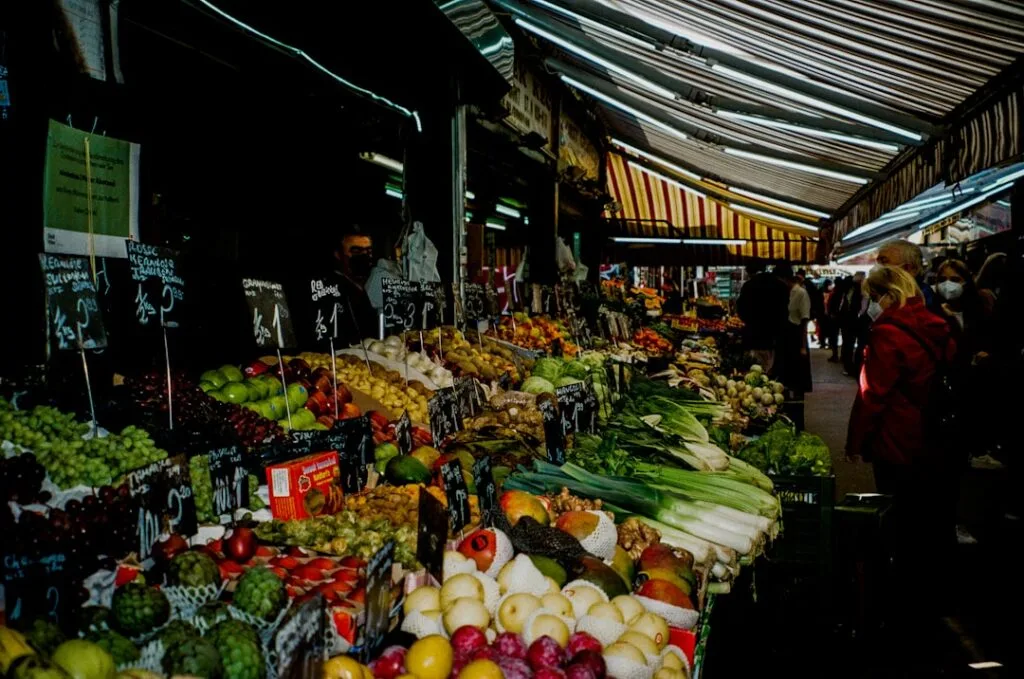






Introduction: Pisa’s Market Soul — Tradition, Scents and Daily Life
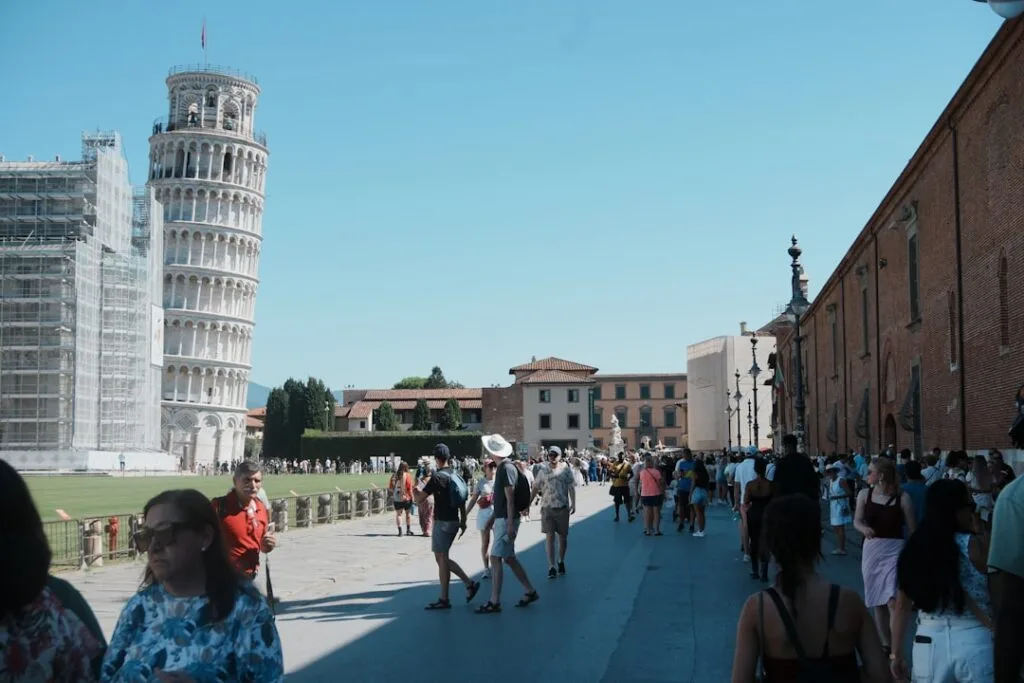
Pisa isn’t just the Leaning Tower and the Piazza dei Miracoli — it’s also a city where everyday life still pivots around its markets. Wandering between fruit stalls, antique booths and artisanal deli counters is a way to taste popular Tuscany: smell fresh bread, hear the local dialect, and watch residents do their shopping the same way they have for decades. Pisa’s typical markets deliver a full sensory immersion: colors, sounds, textures and a steady stream of small gastronomic or cultural discoveries.
This guide walks you through the city’s most iconic market spots with practical, on-the-ground information: exact addresses, usual opening hours, any admission costs (when applicable), vivid descriptions of the atmosphere, and local tips to make your visit as authentic and enjoyable as possible. Whether you’re after fresh produce, hunting antiques, snapping photos of charming scenes, or just curious, you’ll find suggestions for planning your visits, making the most of your shopping and connecting warmly with Pisan vendors.
We cover permanent covered markets offering delicacies and local specialties, weekly outdoor markets, the famous Fiera Antiquaria — a must for period pieces — as well as small farmers’ markets (organic and local) highlighting zero-kilometre produce and seasonal fare. Each section includes a detailed description, full address, typical opening hours (note: these can change with seasons and public holidays), indicative prices and practical tips for bargaining, carrying purchases and getting great photos.
Finally, to help you capture the vibe, visual cues are sprinkled throughout: photo suggestions to look for or take yourself, so you can bring back not only goods but striking images of your Pisan escape.
Mercato delle Vettovaglie (Mercato Centrale) — The Historic Hub for Fresh Produce
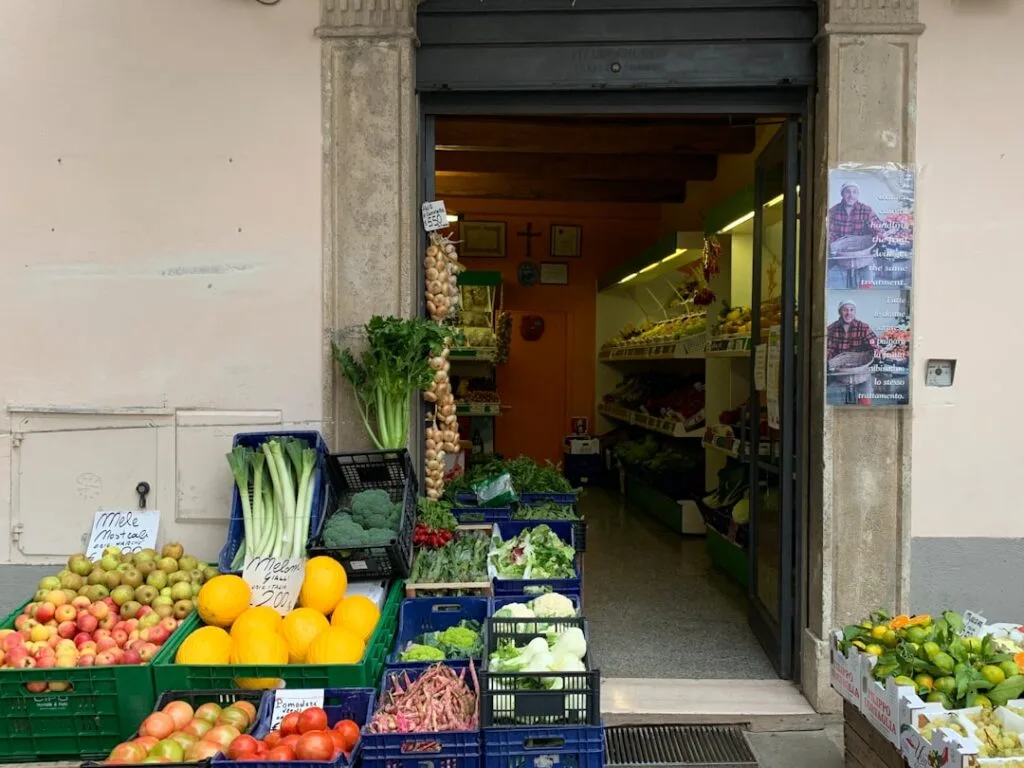
The Mercato delle Vettovaglie, commonly called Pisa’s Mercato Centrale, sits in the heart of the old town at Piazza delle Vettovaglie, 56126 Pisa. It’s part covered, part open-air and famous for its grocery stalls, cheesemongers, butchers, fishmongers and small prepared-food vendors. The architecture is simple but characterful: wooden counters, low arches and narrow aisles where vendors and locals mingle. In the mornings the vibe is very local — Pisani come to buy bread, seasonal vegetables, freshly landed fish and Tuscan cured meats.
Opening hours: typically Monday to Saturday, 7:30 AM to 2:00 PM. Sundays and public holidays the market is usually closed, except for special events. Admission: free. Indicative prices: expect artisan bread around €2.50–4.00; tomatoes €3.00–5.50 per kilo depending on season; aged Tuscan pecorino €18–28 per kilo depending on quality.
Immersive description: arrive right at opening to enjoy the fullest stalls and the morning light filtering through the arcades. Sellers will often offer small samples of cheese or cured meat — accept them; it’s the best way to start a conversation. Don’t miss the fish stall which, on some days, shows local species less known outside Tuscany: mullet, sea bass (cefalo) and small octopus. Fresh herbs (rosmarino, salvia, basilico) perfume the vegetable section and round out the olfactory experience.
Practical tips: bring a reusable bag and, if possible, a small cooler bag for fish or cheese. Many vendors still prefer cash; for purchases over €30–40 cards are often accepted but ask first. Don’t be shy to ask « How much is it? » (Italian: « Quanto costa? ») and to taste before buying. If you buy olive oil or wine, check labels — local producers sometimes state the exact origin (e.g. Terre di Pisa).
 Click here to taste wines paired with local bites in Pisa
Click here to learn to make homemade pasta with a local
Weekly Market at Piazza Vittorio Emanuele II — Where to Find Bargains
Pisa’s weekly market, usually set up at Piazza Vittorio Emanuele II, 56125 Pisa (or along nearby streets depending on layout), is the go-to place for clothes, textiles, accessories, tools and budget-friendly goods. The market generally takes place on Monday mornings and draws both residents and students (Pisa is a university city). You’ll find everything from trendy shoes and linen tablecloths to household items, toys and smaller food stalls.
Opening hours: typically 8:00 AM to 2:00 PM on Mondays. Free entry. Indicative prices: clothing from €5–10 per item, scarves and small leather goods €10–25, kitchen utensils €2–15 depending on quality. The variety often lets you score brand-new items at very low prices.
Immersive description: this market is louder and more bustling than the food markets. Stallholders set up early; the smell of coffee from nearby cafés mixes with the scent of textiles and leather bags. It’s a lively show where you’ll hear bargaining in Italian and local dialects, see parents with strollers and students hunting for budget finds to furnish their flats. It’s also the perfect place to practice your haggling: a smile and a « Can you give me a better price? » (Italian: « Mi fa un prezzo? ») will often get you a discount.
Practical tips: get there early for the best pieces and to avoid crowds. If you’re buying textiles or clothing inspect seams and zips. For transport, bring a sturdy bag or a small wheeled suitcase if you plan on bulkier purchases. Mobile vendors usually don’t issue receipts — if you need an invoice, ask in advance, as it’s not always available.
Click here to explore Pisa on a walking tour
Fiera Antiquaria di Pisa — Treasure Hunting between Borgo Stretto and Piazza dei Cavalieri
The Fiera Antiquaria di Pisa is a must for lovers of antiques, vintage furniture, books and period tableware. It usually takes place in the historic center along Borgo Stretto, Piazza dei Cavalieri and nearby streets. Traditionally organized on the second Sunday of the month (check local calendars or the municipal website for exact dates), the fair attracts professional sellers and local flea market dealers.
Hours: generally 9:00 AM to 7:00 PM on Sundays (hours can vary by season or special events). Admission: mostly free; some specific zones or exhibitions may charge a ticket (€5–10) if special organization requires it.
Immersive description: wandering the Fiera Antiquaria, you’ll smell old paper, run your fingers over leather-bound books, discover blown-glass decanters, and leaf through posters and postcards from another era. Stalls show a mixed array of finds: Art Deco lamps, Tuscan earthenware, vintage frames, retro jewelry and old musical instruments. Collectors can uncover remarkable pieces, while casual visitors enjoy the cultural stroll and the historic cafés where you can sit and soak it all in.
Local tips: arrive early to spot the best items and check condition carefully (look for repairs, cracks or missing parts). For bulky purchases, ask the seller if they offer shipping or transport — many work with couriers or can arrange delivery to major Italian cities. Bargain courteously: the perceived value of an antique often differs between seller and buyer, and a friendly chat can lead to a fair deal for both.
Click here to discover Pisa’s must-see sights with a guide
Click here to book a private photo session in Pisa

Farmers’ Markets & km 0 — Producer Markets and Local Flavors
Increasingly popular, farmers’ markets showcase local and organic production: seasonal fruits and vegetables, raw-milk cheeses, honey, extra virgin olive oil, wines from small producers and minimally processed goods. In Pisa several locations host these initiatives; one of the more regular markets is often set up at Piazza dei Miracoli (though it can move depending on permits) or nearby squares like Piazza XX Settembre. Check local notices for exact dates, as these markets vary by season and events.
Opening hours: commonly on Saturday mornings from 9:00 AM to 1:00 PM, with local variants. Prices: organic, km 0 products tend to cost more than supermarket alternatives — expect around €6–12 per litre for local extra-virgin olive oil, €5–12 for a jar of artisan honey depending on floral source, and €10–25 for a bottle of wine from a small producer.
Immersive description: farmers’ markets are usually calmer and more educational: each stall is run by the producer who can explain their methods (e.g. harvesting, pressing, aging). You’ll find heirloom tomato varieties, different-aged sheep cheeses and baskets of forgotten vegetables. It’s the place to ask about seasonality, learn how to judge good olive oil (colour, aroma, bitterness) and to taste small pours of local wine when producers offer sampling.
Practical tips: bring containers if you plan to buy in bulk (jars for honey, for example). Budget a little higher for guaranteed quality and traceable origin. Always ask the exact origin and, if possible, the farm’s name — many producers will share contact details for future purchases or farm visits. If you have dietary restrictions, ask about composition and production methods (organic, additive-free).
Click here to book a tasting at a Tuscan vineyard
Click here to taste Pisa on a culinary and wine tour
General Tips for Visiting Pisa’s Markets
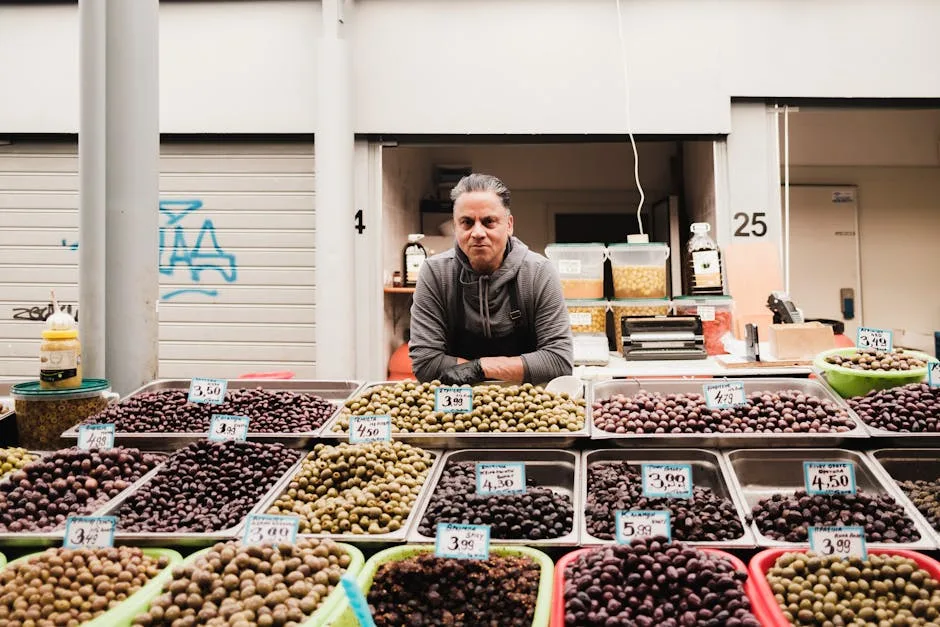
Whether you’re visiting a covered market like Mercato delle Vettovaglie or a flea market like the Fiera Antiquaria, a few practical rules make the experience smoother and more enjoyable. First, time of day: most markets close before 2:00 PM, so mornings are the prime window. Second, money: while an increasing number of vendors accept cards, many still prefer cash — carry some notes and coins. Third, transport: if you travel light, bring a cooler bag for perishables and a small wheeled suitcase or sturdy bag for heavier or bulkier purchases.
Here are some other handy pointers:
- Language: learning a few Italian phrases (for example « How much is it? » — Italian: « Quanto costa? », « Can I taste it? » — Italian: « Posso assaggiare? », « Can you give me a discount? » — Italian: « Mi fa lo sconto? ») helps interactions and is always appreciated.
- Photography: ask permission before photographing a vendor up close — many are happy to oblige, especially if you show interest in their product.
- Seasonality: favour local, seasonal products — Tuscany has marked seasons: asparagus in spring, tomatoes and melons in summer, mushrooms in autumn, citrus in winter.
- Food safety: if you buy fresh products meant to be eaten quickly, keep them cool and consume within 24 hours for best safety.
- International transport: if you’re taking items home internationally, check customs rules for exporting certain foods or antique objects.
Conclusion: Markets as Your Doorway to the Real Pisa
Pisa’s markets are far more than shopping spots: they’re stages of everyday life, weekly rituals that tell the city’s economic and social story. From the Mercato delle Vettovaglie with its bustling fresh stalls to the Fiera Antiquaria that transports you back in time, plus lively weekly markets and farmers’ markets celebrating local know-how, each market offers a palette of complementary experiences. Visiting these places reveals a less touristy, more authentic Pisa — where residents and vendors weave the fabric of daily life.
Take your time to stroll, taste and chat, then bring home a few local products (olive oil, pecorino cheese, honey, artisanal wines) or a vintage find from the Fiera Antiquaria; it’s a tangible way to extend your trip long after you leave. Remember market hours (they often close early afternoon), pack a suitable bag for transport, and always ask if the seller accepts cards. Above all, approach vendors with curiosity and politeness: Pisani are proud of their terroir and love to share the stories behind their products.
Happy shopping, happy tasting and great discoveries: may your time in Pisa be punctuated by the warmth of a morning coffee, the richness of a farmers’ stall, the buzz of a weekly market and the poetry of a street lined with old treasures. These markets will give you reasons to come back — for a forgotten flavour, for an object found down an alley, or simply to relive the unique atmosphere of a Tuscan town that keeps its traditions alive.