





Introduction — Why Photograph Pisa’s Bridges?
Pisa is more than just the famous Torre Pendente: it’s a city shaped by the Arno, where bridges stitch together banks, neighborhoods and stories. Photographing Pisa’s bridges isn’t just about capturing stonework: it’s about freezing the meeting of the river, Tuscan light, colorful façades, perfect morning reflections and neon glints at night. Each bridge has its own personality — some are bustling thoroughfares for locals, others quiet observatories for photographers hunting the perfect composition.
In this article we’ll explore where and how to photograph Pisa’s bridges to capture memorable and varied images: wide sunset vistas, architectural close-ups, compositions with the Leaning Tower in the background, water reflections at dawn, street scenes with markets, and night perspectives. I’ll give precise addresses, access times, conditions (free or paid), technical tips (best lenses, settings), and local hacks to optimize your shots without disrupting everyday life for the Pisani.
Whether you’re an amateur shooting on a smartphone or a seasoned photographer with a tripod and multiple lenses, this guide will help you plan efficient photo sessions: which times of day to favor, where to set up your tripod, how to arrange any necessary permits, and which angles work best for each spot. We’ll also look at composition options to include local elements: small boats, lines of drying laundry, café terraces on the lungarni (riverside quays), and silhouetted cyclists crossing the bridges.
Finally, I’ll share practical local tips: where to park, which streets to avoid at peak times, where to grab a coffee after a session, and how to respect municipal rules about using photo equipment at sunset and after dark. The goal is for you to leave not only with beautiful and varied images, but also with a respectful and enjoyable local experience. Charge your batteries and format your memory cards: here’s a detailed route through Pisa’s main bridges and photogenic viewpoints.
<img width="1024" height="683" src="https://ue.is/wp-content/uploads/sites/11/2026/04/ponte-di-mezzo-pisa-sunset-view-river-1024×683.webp" class="aligncenter" alt="Ponte di Mezzo at sunset reflecting on the Arno » loading= »lazy » />
Ponte di Mezzo — The Photographic Heart of the Arno in Pisa (Lungarno Pacinotti / Piazza XX Settembre)
The Ponte di Mezzo is Pisa’s central bridge crossing the Arno, connecting the historic north bank to the more modern south bank. Practical address: Ponte di Mezzo, Lungarno Antonio Pacinotti, 56125 Pisa (running along Piazza XX Settembre). Access: free, the bridge is open 24/7. It’s the go-to spot for dynamic shots showing the symmetry between the colorful lungarni façades and the river.
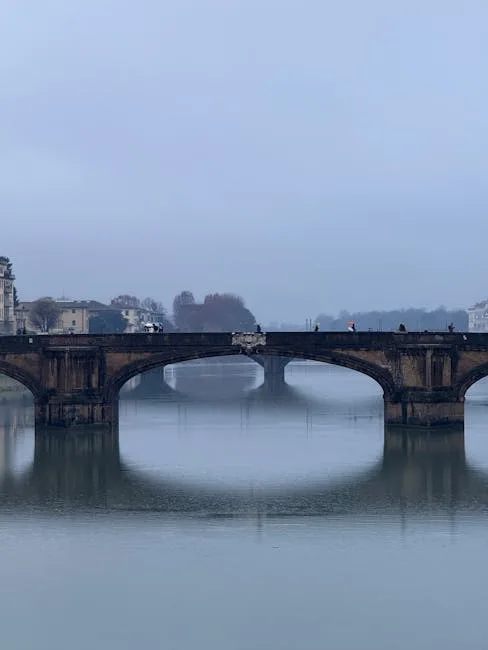
Immersive description: at sunrise Ponte di Mezzo becomes a golden mirror: ochre and pastel façades almost perfectly reflect on the Arno when the wind is calm. The bridge itself, simple yet elegant, allows for frontal compositions, high-angle shots from the quays, or low-angle views from the south bank. On summer evenings the crowds strolling create compelling street scenes — couples, families and buskers — adding a lively dimension to your pictures.
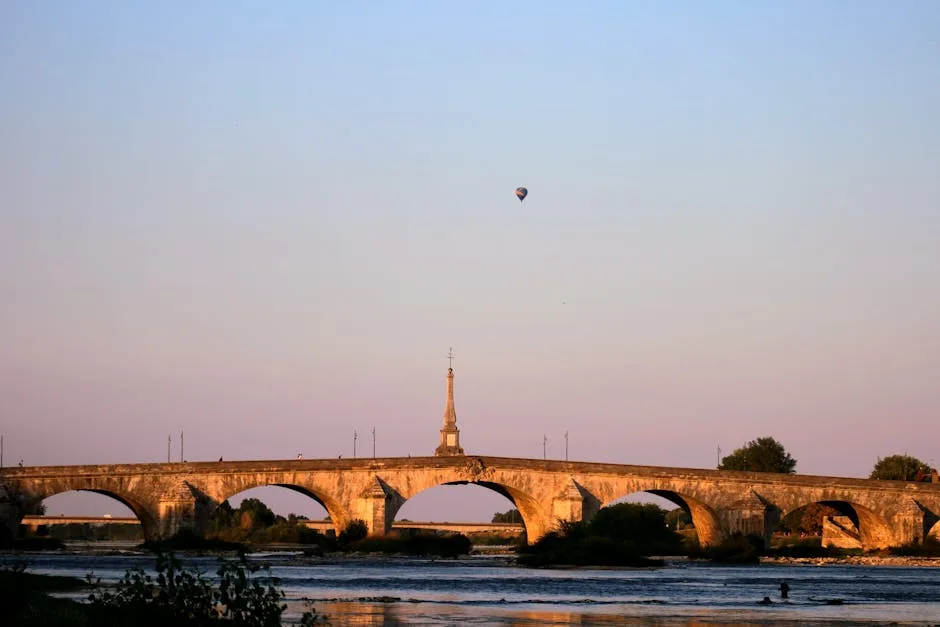
Technical tips: for panoramas use a short focal length (16–35 mm) and long exposures (1/2 to several seconds) if you want to smooth reflections — tripod strongly recommended. For portraits with the Leaning Tower in the background, place your subject on the bridge and use a wide aperture (f/1.8–f/4) to separate the subject while keeping the setting recognizable. Best times: the golden hour (30–60 minutes after sunrise and before sunset) and the blue hour (20–40 minutes after sunset) for rich, saturated colors.
Local tips: park in paid lots near Piazza Vittorio Emanuele II or along the Lungarno; during high season favor mornings (6am–9am) to avoid crowds. Respect traffic — the bridge is pedestrian but can be busy with bikes and scooters. If you plan to use a drone, check local regulations and request permission from the Comune di Pisa, as urban flights are strictly regulated.
 Click here to book a private photo session with a professional photographer
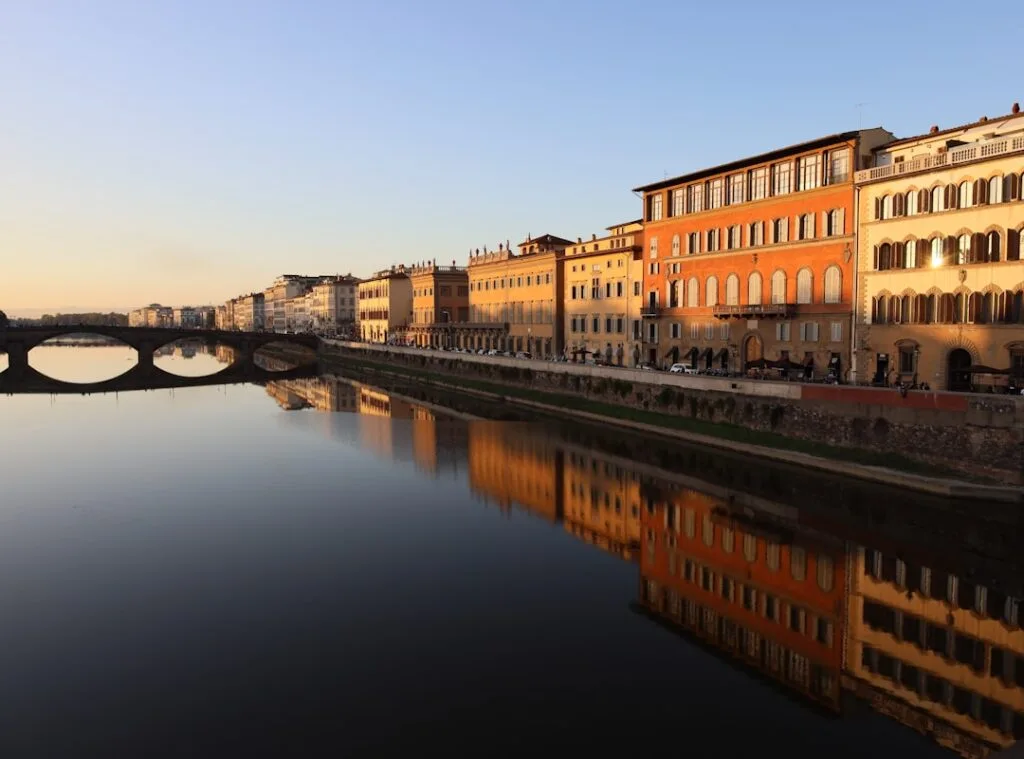
Lungarno Gambacorti and Views from Palazzo Blu — Compositions with Historic Buildings
The Lungarno Gambacorti is an iconic riverside promenade offering excellent framing options to photograph bridges from the bank. Key address to know: Palazzo Blu, Lungarno Gambacorti 9, 56125 Pisa. Opening hours: Palazzo Blu is usually open Tuesday to Sunday from 10:00 to 19:00 (check the official site for temporary exhibition times). Admission: varies, standard tickets roughly €5–€10 depending on the exhibition. Observation point: the quay in front of Palazzo Blu and adjacent walkways let you compose shots where a bridge stands out against a historic façade.
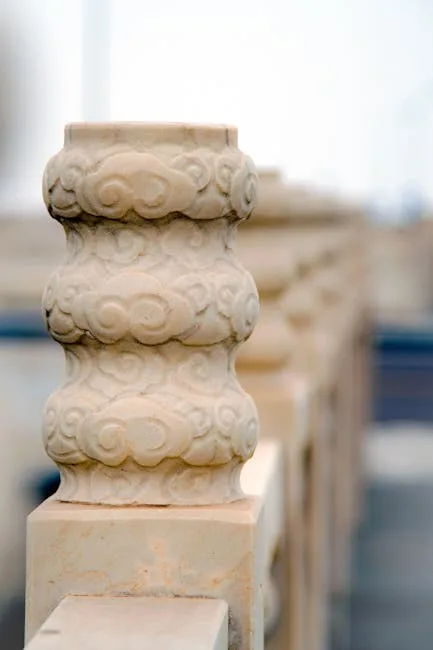
Immersive description: from Lungarno Gambacorti you can frame a bridge flanked by elegant façades and café terraces. When the Palazzo Blu galleries cast colored lights at night, they create a spectacular interplay on the water. In the morning, low-angle light highlights the textures of stone and plaster, ideal for architectural close-ups of parapets and balustrades.
Practical advice: combine an interior visit to Palazzo Blu to photograph artistic details, then step out to the promenade to capture the contrast between culture and urban landscape. Recommended gear: a 24–70 mm for versatility, and a 70–200 mm telephoto to isolate details on bridges from a distance. If you want to include people, look for cafés with terrace seating along the Lungarno: they provide authentic human elements without staged setups.
Local tips: access to the Lungarno is free and open all day. On the first Sunday of the month some municipal exhibitions may be free; check Palazzo Blu’s schedule to plan a combined day. For clean compositions, move up to the benches near the church of Santo Stefano dei Cavalieri (Piazza dei Cavalieri) and experiment with depth of field to separate bridge, river and architecture.
Click here to Book a walking tour to discover Pisa
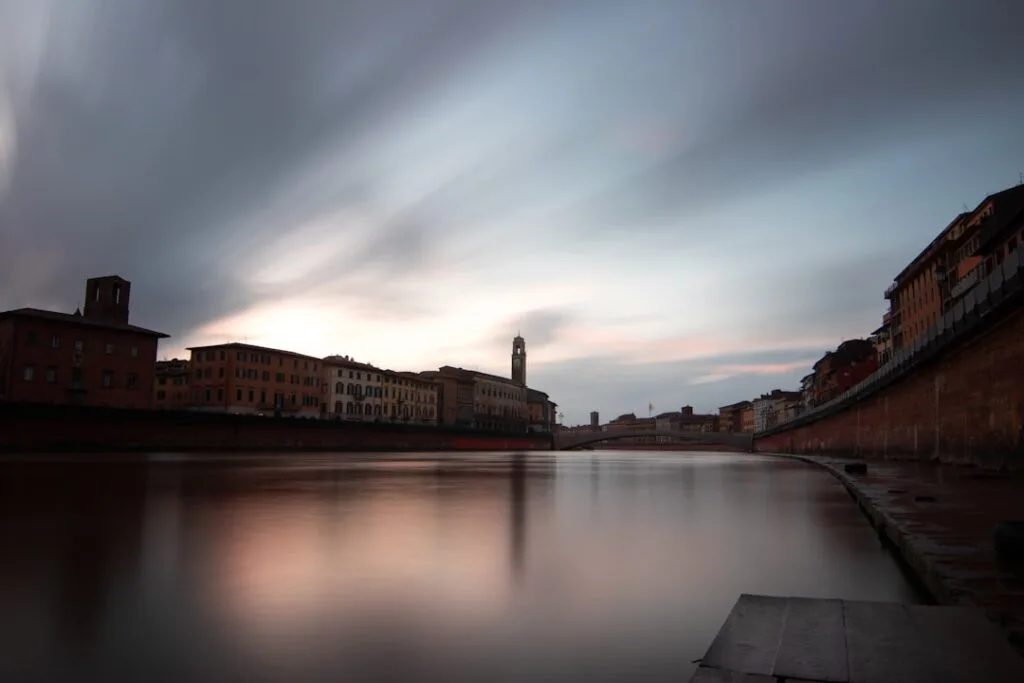
Secondary Bridges and Uncommon Viewpoints — Passeggiata sul Lungarno and the North Quay
Beyond the central Ponte di Mezzo, Pisa offers several lesser-known but equally photogenic bridges and walkways: small pedestrian footbridges, road bridges flanked by urban greenery, and quiet quays ideal for reflections. Useful starting address: Passeggiata sul Lungarno (sections along Lungarno Pacinotti and Lungarno Galileo Galilei). These spots are free and open 24/7.
Immersive description: venture slightly away from the centre and you’ll find more intimate scenes — morning fishermen, cats on the parapets, colorful curtains and small moored boats. Secondary bridges allow original perspectives: viewing a larger bridge from a smaller one, or framing successive arches that create strong graphic depth. In autumn, riverside vegetation turns warm, saturating the scene and providing a beautiful contrast with the grey stone of the bridges.
Technical tips: for these locations a standard focal length (35 mm or 50 mm) offers a natural perspective. Long lenses help isolate details like plaque inscriptions, ironwork on balustrades and mosaics. Don’t forget a microfiber cloth to wipe filters: Arno spray can deposit fine particles on your optics. If the bridge is narrow and you shoot at dusk, enable stabilization or use a compact travel tripod.
Local tips: walk northwest toward Porta a Mare and the San Martino neighborhood for less touristy angles. Local cafés open early; a takeaway espresso will keep you going through long morning sessions. Respect signs and private property: some riverbank sections are privately owned by residents or businesses.
Click here to discover Pisa by bike all the way to the sea
Click here to Explore Pisa’s surroundings on a guided e-bike tour
Click here to Rent a kayak on the Arno River
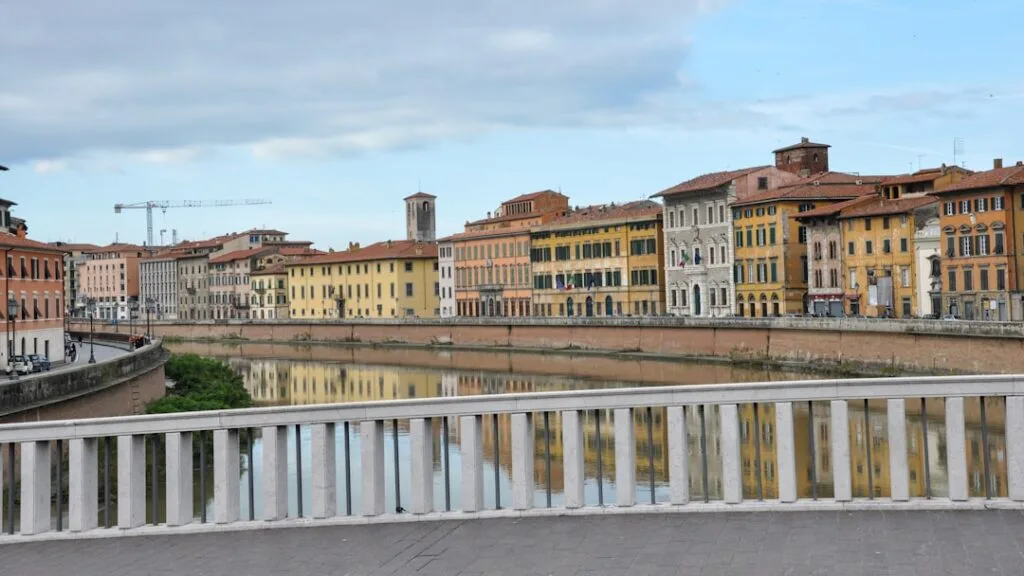
Shooting at Night and the Blue Hour — Tips to Capture the Nocturnal Mood
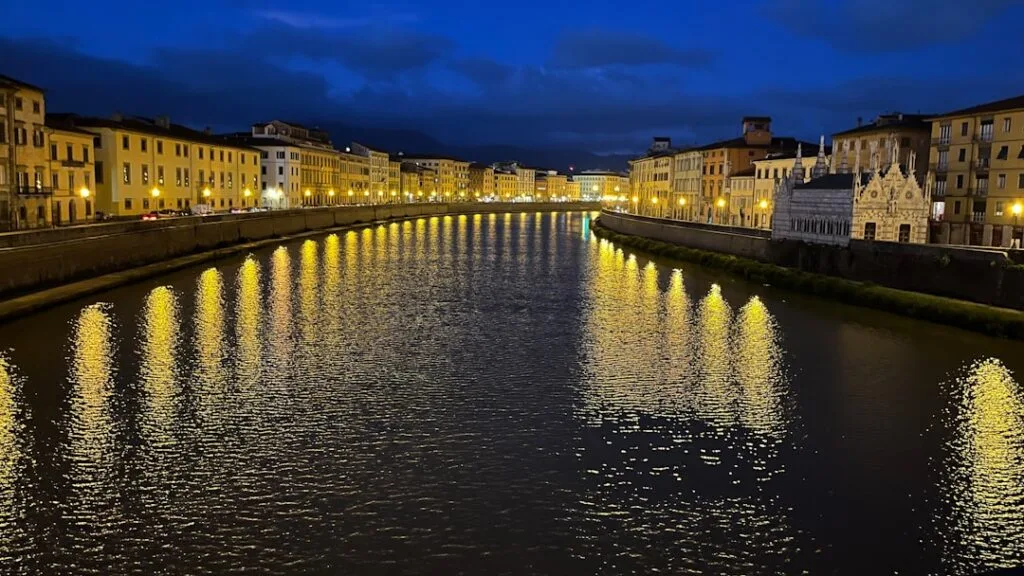
At night Pisa’s bridges are transformed: street lighting, urban reflections and illuminated backdrops create atmospheres often even more photogenic than daytime. Recommended night locations: Ponte di Mezzo (Lungarno Pacinotti), Lungarno Mediceo (near Piazza dei Cavalieri) and the quays in front of Palazzo Blu. Access: public and free. Safety: Pisa is generally safe but keep an eye on your gear and avoid isolated alleys after midnight.
Immersive description: during the blue hour the soft ambient light blends with artificial lighting; bridges form strong silhouettes and the river turns into a mirror. Reflections from cafés and street lamps make vertical streaks on the surface, ideal for long exposures of 5 to 30 seconds depending on the effect you want. Stone walls and parapet textures respond well to low-side lighting.
Technical tips: tripod essential. Set a low ISO (100–400) and stop down between f/5.6 and f/11 to maximize sharpness and depth of field. Use a remote release or the self-timer to avoid vibration. To capture movement from passersby, try 1–5 second exposures to get soft blurred silhouettes that add life without identifying individuals. If shooting from the middle of a bridge, be mindful of traffic cycles and municipal restrictions on setting up equipment or blocking pathways.
Local tips: some bars and restaurants along the lungarni stay open late — they can serve as bright anchors for your compositions. Check weather forecasts: a light mist over the Arno in autumn enhances light diffusion and adds cinematic mood. Above all, respect residents and riverside businesses: avoid intrusive lighting and leave the area tidy after your session.
Conclusion — Suggested Photo Route and Best Practices (200+ words)
Photographing Pisa’s bridges combines observation, technique and respect for the place. My recommended half-day route: start early at Lungarno Gambacorti in front of Palazzo Blu (Lungarno Gambacorti 9, 56125 Pisa) for reflections and peaceful façades; then head to Ponte di Mezzo (Lungarno Antonio Pacinotti / Piazza XX Settembre) for iconic panoramas; explore secondary bridges and walkways along the Passeggiata sul Lungarno for tight shots and neighborhood scenes; finish with a night session during the blue hour for urban reflections and artificial light. This route balances safety, subject variety and accessibility (all spots are public and free).
Key practices to remember: confirm museum and exhibition opening times (Palazzo Blu and the Museo dell’Opera del Duomo) if you want to combine architecture and bridges; use a tripod for long exposures and a versatile 24–70 mm lens for flexibility; respect local rules about drones and bulky equipment; avoid blocking pedestrian flow on narrow bridges. Don’t forget water, an extra battery and a spare memory card — in Pisa you often linger longer than planned when a great frame appears.
Finally, remember the best photo isn’t always the most technical one, but the one that tells a story: a fisherman at dawn, a couple crossing a bridge in the rain, a perfect reflection of the Leaning Tower framed by an arch — those are the moments that stick with you. Take the time to watch, wait for the right light and experiment with angles: Pisa’s bridges offer an endless palette of photographic opportunities, from documentary to highly artistic. Happy image hunting!
Click here to book a professional photo session at the Leaning Tower
Click here to book your ticket to the Piazza dei Miracoli