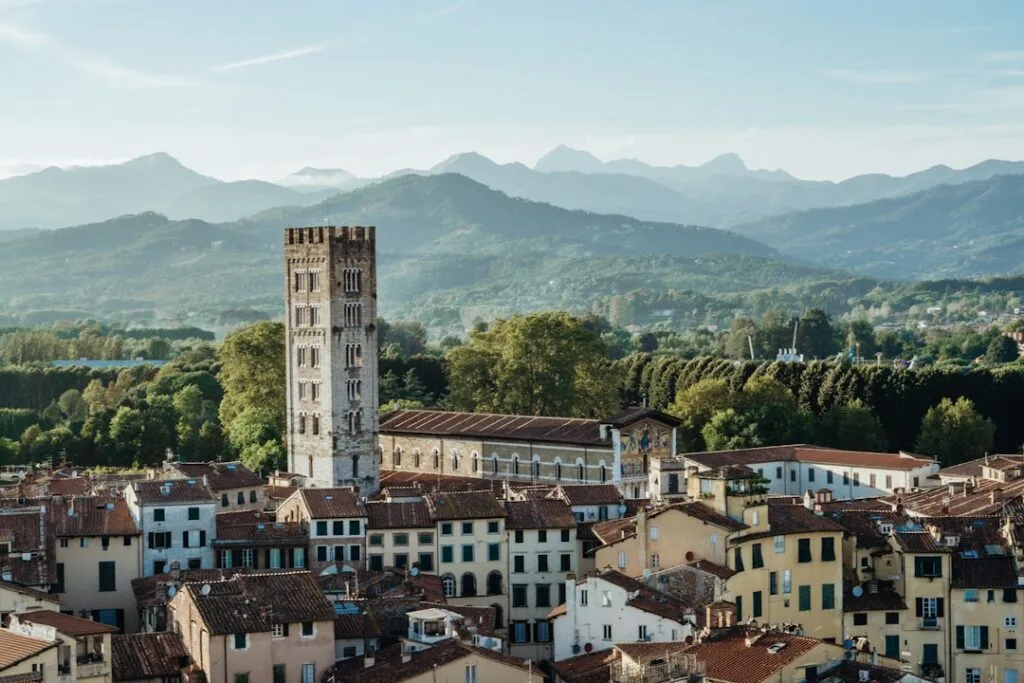






Introduction: Pisa — a surprisingly green city beyond the Leaning Tower
Pisa isn’t just about the famous Torre Pendente; it’s also an unexpectedly green city where the banks of the Arno, historic gardens and natural parks create a network of peaceful, often overlooked spots. « Pisa in Green: Neighborhoods and Secret Gardens » invites you to discover this other side of the city — shaded walks, planted courtyards, lawns where locals nap and natural areas enveloping the urban sprawl. Whether you have only a few hours or several days in Pisa, taking the time to explore these places gives you a feel for the Tuscan way of life: a blend of monumental heritage and nature, the ritual of a coffee under a trellis, and neighborhood life far from the tourist flows.
In this guide we alternate between neighborhoods and gardens: from well-known public spaces like the Campo dei Miracoli, green thanks to its lawns, to historic botanical gardens such as the Orto Botanico di Pisa, and on to hidden palace patios and riverside parks along the Arno. We’ll also cover the large natural areas surrounding the city, like the Parco Naturale di Migliarino, San Rossore e Massaciuccoli, where Mediterranean flora and fauna reclaim their space. Each place is described with precise addresses, opening times, possible entrance fees, practical tips (best time to visit, what to bring, access), and local recommendations for a successful stay.
Why focus on « Pisa in Green »? Because these places tell another story: medieval commandery gardens, aristocratic promenades, orchards and agricultural spaces that fed the city — and today, the neighborhoods that share these areas. They also offer essential refuges when the crowds overwhelm the Piazza dei Miracoli: often just a few steps are enough to find a shady bench and the sound of water. Finally, Pisa in Green lets you experience Tuscany differently, combining cultural sightseeing with relaxed active pursuits — cycling, running, birdwatching or simply reading beneath a plane tree.
This guide doesn’t just list locations: it suggests routes, practical information (transport, tickets, accessibility) and useful addresses (cafés, bike rentals, free gardens) to turn a touristy day into a calming immersion. Whether you enjoy wandering through a Renaissance courtyard, photographing a row of cypresses at sunset, or heading out on a coastal marsh expedition, Pisa in Green will surprise you. Pack comfortable shoes, your camera and a healthy curiosity — here is the Pisa that tourist maps often forget, but that locals enjoy every day.
Must-see parks and gardens in Pisa
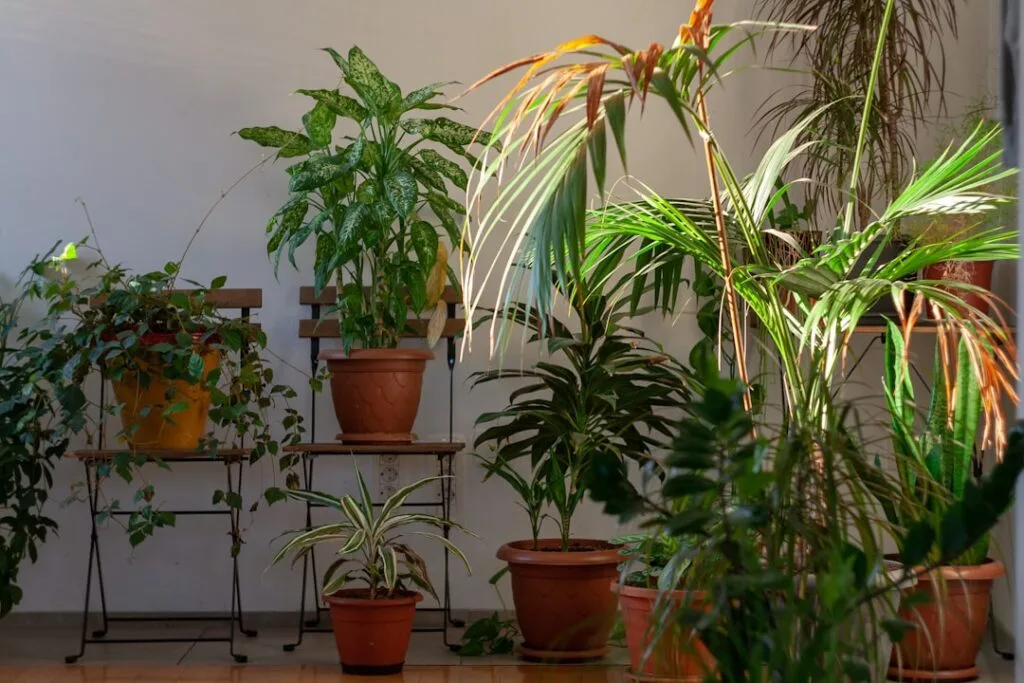
Pisa hides historic parks and gardens that offer welcome green breaths in the heart of the city. A must for lovers of plants and garden history is the Orto Botanico of the University of Pisa. Located at Orto botanico di Pisa, via Luca Ghini 5, 56126 Pisa, it’s one of the oldest university botanical gardens in the Western world, founded in 1544. Typical opening hours: open Tuesday to Sunday from 9:00 to 18:00 (hours vary seasonally), closed on Mondays; entrance fee: around €4.50 for adults, with discounts for students and groups. The garden has greenhouses, flowerbeds, a large collection of medicinal and exotic plants and a small arboretum — an ideal place to learn about Mediterranean plants and to find shade on hot days.
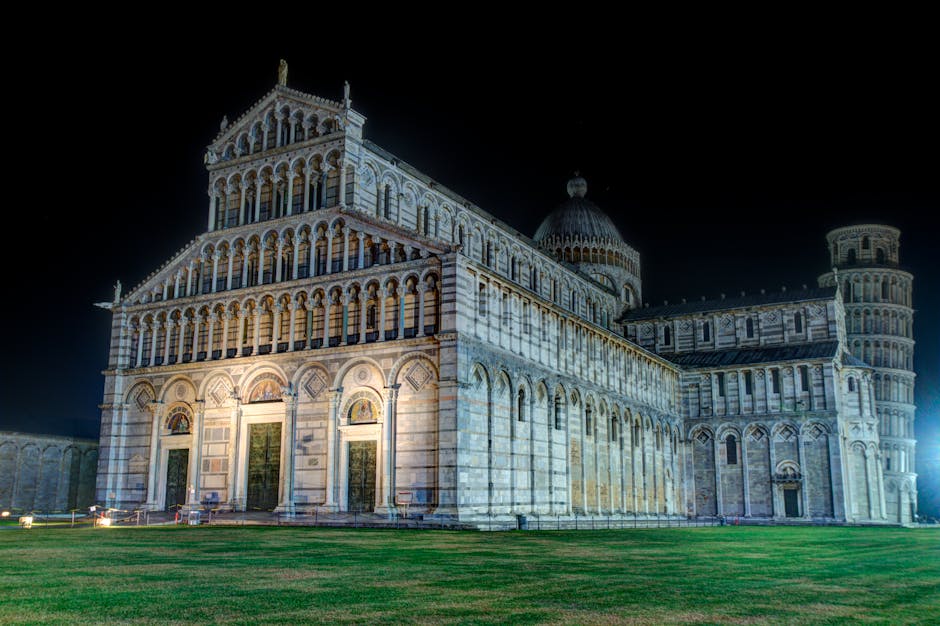
Another major green space is the lawns of the Giardini della Piazza dei Miracoli surrounding the Torre di Pisa and the Duomo. Address: Piazza del Duomo, 56126 Pisa. The area is open to the public but access to the monuments requires tickets and specific time slots: the Leaning Tower (Torre di Pisa, Piazza del Duomo) operates time slots, generally from 9:00 to 20:00 depending on the season; ticket to climb the tower: around €20–25 (prices vary by year and concessions may apply). The Baptistery of San Giovanni (Piazza del Duomo) is typically open from 10:00 to 18:00, entrance fee: around €5–7. The Cathedral of Santa Maria Assunta (Cattedrale di Pisa) is sometimes accessible for free or by group reservation; check posted times at the entrance because religious services can affect access. Strolling on the lawns at dusk, when the light fades and the monuments are lit up, is magical for photographers and lovers of green spaces.
 Click here to book your ticket for Piazza dei Miracoli
Click here to book your ticket for the baptistery and cathedral
Click here to book your ticket for Piazza dei Miracoli monuments
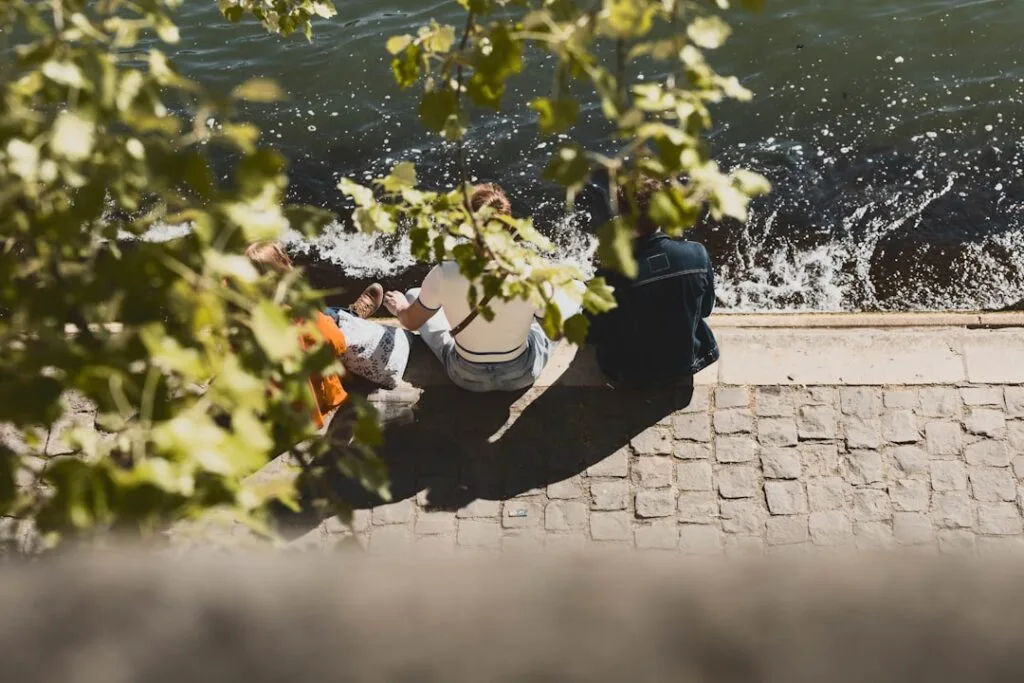
The Giardino Scotto, along Lungarno Pacinotti / Lungarno Mediceo (specifically Piazza Garibaldi / Lungarno Mediceo 3, 56127 Pisa), is a popular public park with families and students. Opening hours: often open from 7:00 to 23:00; free entry. It offers lawns, a playground and shady walls — perfect for a picnic after exploring the historic center. Nearby cafés on Corso Italia or Borgo Stretto sell snacks or a hearty Tuscan sandwich before you settle under a plane tree.
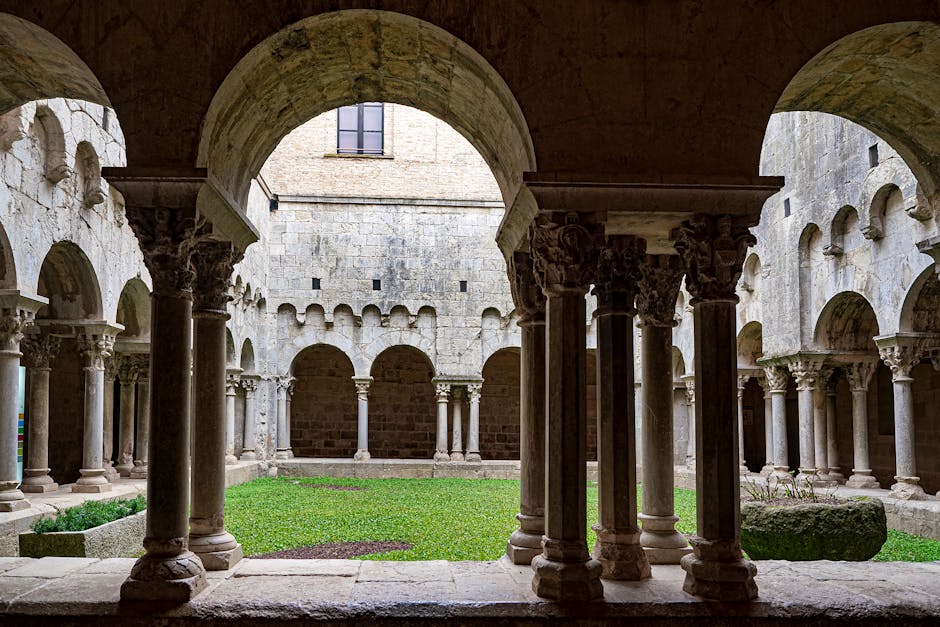
For a more contemporary take on green spaces, the Giardino dei Semplici and the small hidden gardens around Borgo Stretto are worth a wander. Borgo Stretto (Via Borgo Stretto, 56127 Pisa) is a historic street lined with arcades and shops; behind the façades you’ll often spot small planted courtyards and terraced nooks that give a village-within-the-city vibe. These micro-gardens, while private, sometimes peek through open gates or windows during heritage days.
Practical tips: aim for morning visits (8:00–11:00) or late afternoon (17:00–20:00) to avoid crowds and enjoy soft light. Bring a water bottle (public fountains are available in the center), a picnic blanket and, if you plan to climb the Torre di Pisa, book your ticket online (Billetteria Campo dei Miracoli, Piazza del Duomo, 56126 Pisa) to choose a time slot and skip long queues. Botanical gardens often run guided tours in Italian and English; check the University of Pisa website or the garden entrance for specific times and reduced rates.
Green neighborhoods and riverside walks along the Arno
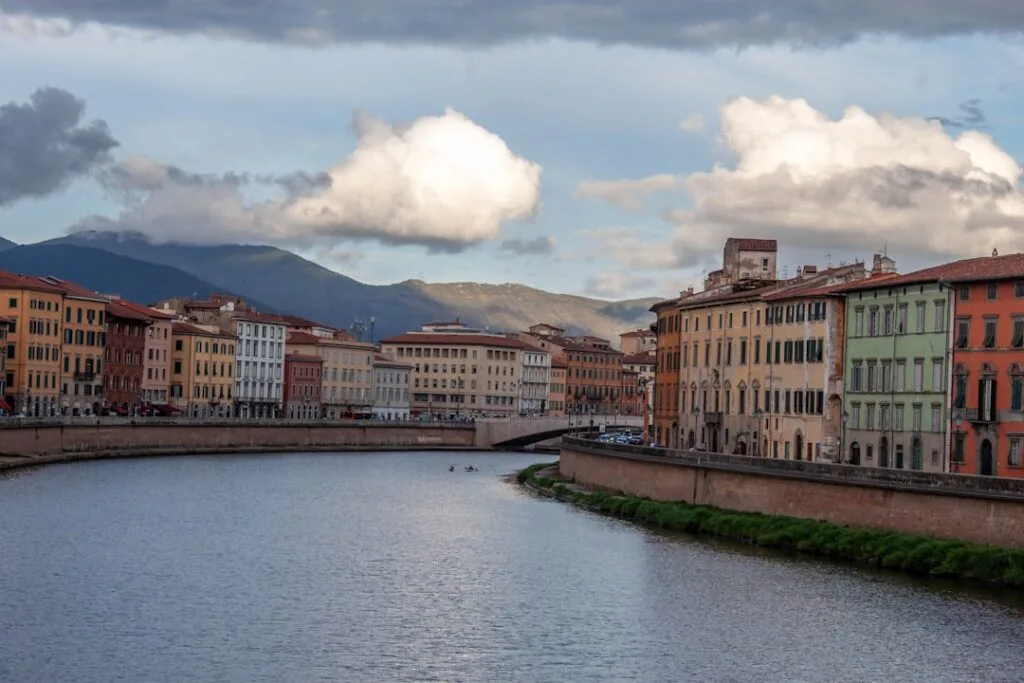
The Arno is Pisa’s liquid soul and its banks offer bucolic walks, cycling paths and quays frequented by joggers and students. The lungarno — the riverfront quays — form a green corridor across the city: Lungarno Pacinotti, Lungarno Mediceo and Lungarno Gambacorti are stretches where trees, lawns and benches invite lingering. For a classic riverside stroll, start at Ponte di Mezzo (Piazza XX Settembre / Lungarno Gambacorti), cross toward Borgo Stretto and continue along the river to the Giardino Scotto area.
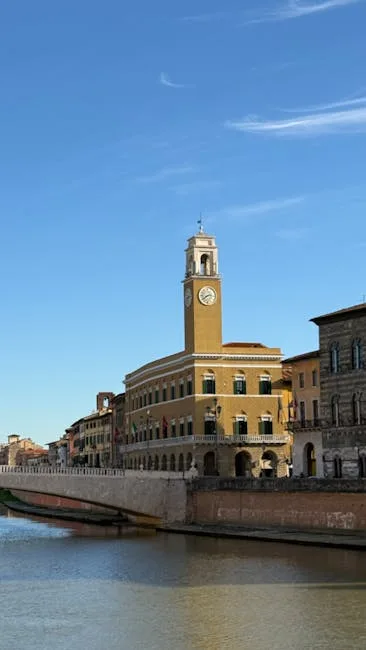
A recommended route starts at Piazza Vittorio Emanuele II, descends to Lungarno Mediceo and then follows the Arno west toward Ponte Solferino. This walk, about 2–3 km, is perfect late in the afternoon: palace façades reflect in the water and café terraces come alive. Starting address: Piazza Vittorio Emanuele II, 56125 Pisa (city center). The quays are open 24/7; there’s no entrance fee for the promenade, though some private gardens or riverside museums may have specific opening times.
For cyclists, Pisa is flat and pleasant: bike rental is easy near Piazza dei Miracoli. Rental shops close to Via Santa Maria or Piazza Sant’Omobono offer standard bikes for around €8–12 per day and e-bikes for about €20–30 a day. Renting a bike makes riverside discovery easier and puts Parco di San Rossore within reach from the center (expect 30–45 minutes depending on your starting point).
Click here to book an electric bike tour
Click here to book an electric bike tour around Pisa
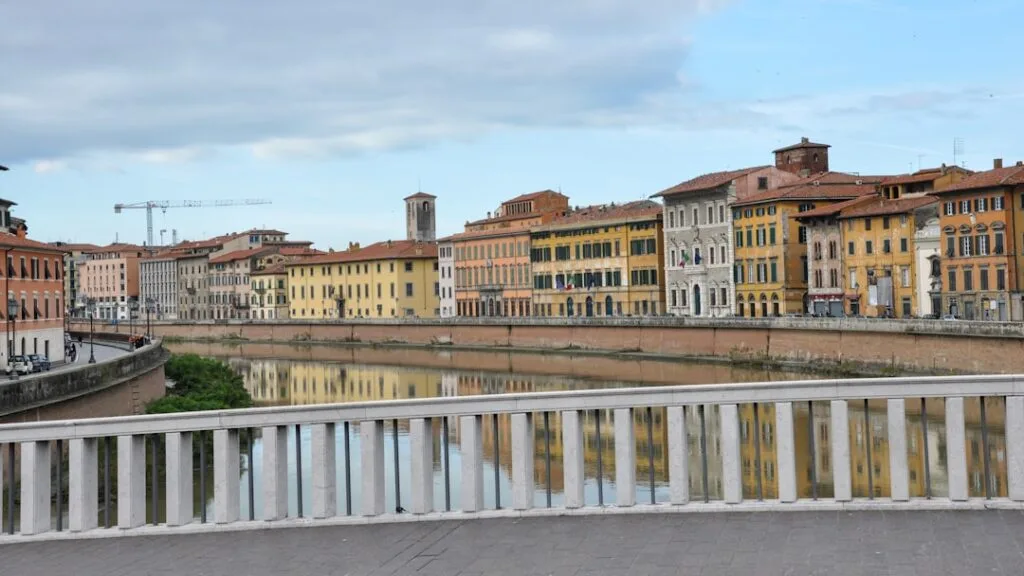
Another walk to favor is the route from Piazza dei Cavalieri (Piazza dei Cavalieri, 56126 Pisa) through the Oltrarno — the left bank of the Arno — where artisan workshops, small squares and quiet gardens attract fewer tourists. On the Oltrarno, stop at the Giardino dei Platani (via Cardinale Maffi — check local signs), linger in small squares like Piazza della Berlina and peek into inner courtyards that sometimes open to passersby. These neighborhoods keep a residential atmosphere, perfect for watching everyday Pisano life.

Local tips: the banks can be windy due to the sea breeze, so bring a light jacket for the evening. In summer, aim for morning or evening walks to enjoy milder temperatures. Benches along the river are limited; if you plan a picnic, head to the Giardino Scotto or Lungarno Gambacorti lawns. Lastly, respect local rules about recycling and drinking in public — the municipality may enforce restrictions during events or peak tourist periods.
Secret gardens and inner courtyards: hidden treasures of the center
If you’re after intimate spots, hunt down the secret gardens and cortili (courtyards) sprinkled through the historic center. Many of these spaces belong to palazzi or religious institutions and rarely open to the public, but they sometimes reveal themselves during heritage days, guided tours or temporary exhibitions. Start with the Corte dei Miracoli (approximate location: Via Santa Maria area, 56126 Pisa), a maze of passages and small squares behind the Piazza del Duomo where old façades hide elevated gardens and loggias.
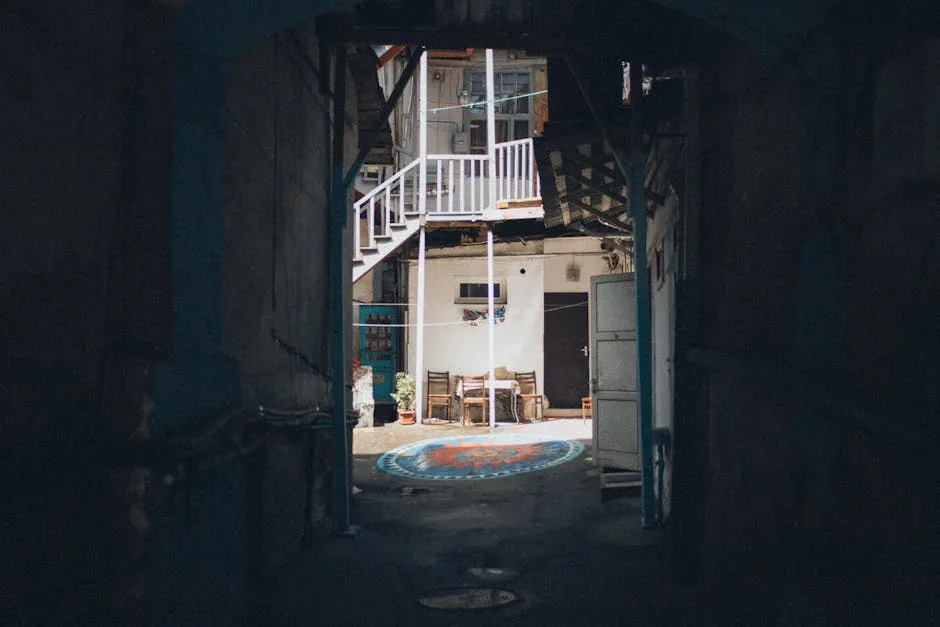
Palazzo Blu (Palazzo Blu, Lungarno Gambacorti 9, 56125 Pisa) sometimes hosts exhibitions that spill into its inner courtyard and green areas; check opening times — usually Tuesday to Sunday from 10:00 to 19:00 — and entrance fees (often €4–8, depending on the exhibition). Similarly, the University Library of Pisa (Biblioteca Universitaria di Pisa, Via Santa Maria 85, 56126 Pisa) and some college cloisters open their cloisters and small gardens for visits; ask at the desk for current access windows.
Themed guided walks (on urban botany or the history of palazzi) are organized by local associations; prices vary, expect around €10–20 for a 1.5-hour tour.
Click here to book a private walking tour of hidden gems
Click here to book a private walking tour of hidden gems
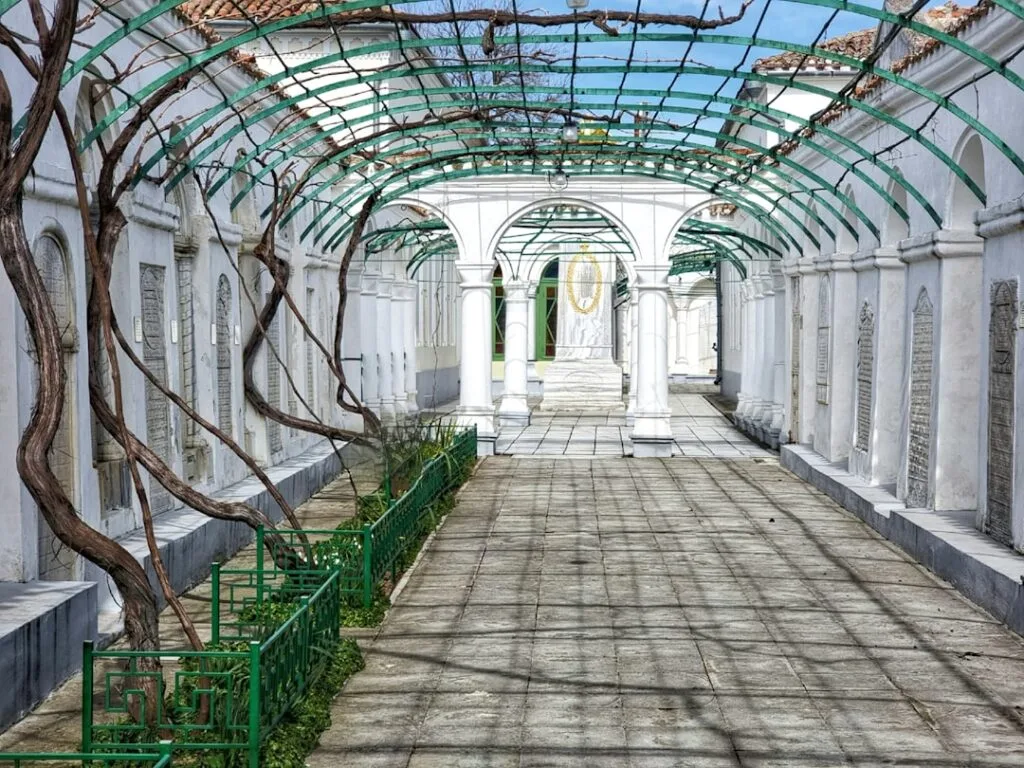
Another discreet treasure is the Giardino della Gherardesca, a private garden near Corso Italia: while not open permanently, it can be accessed during cultural events. Approximate reference: Corso Italia area, 56127 Pisa. Likewise, many churches, such as San Michele in Borgo (Piazza San Michele, 56127 Pisa), hide cloisters and small green spaces behind their façades that are often peaceful and very photogenic.
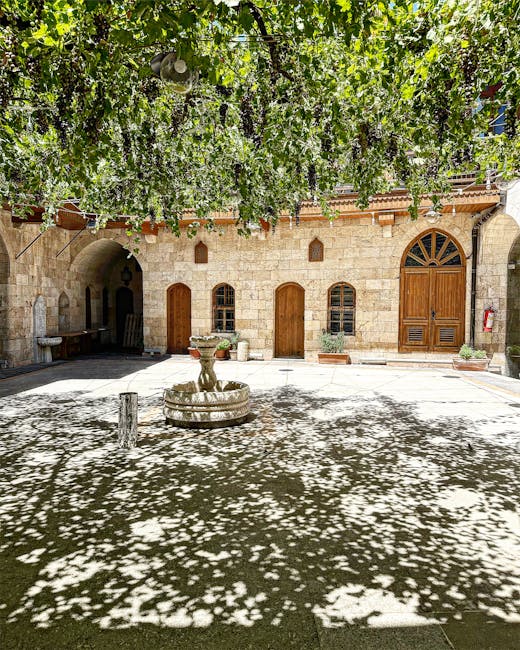
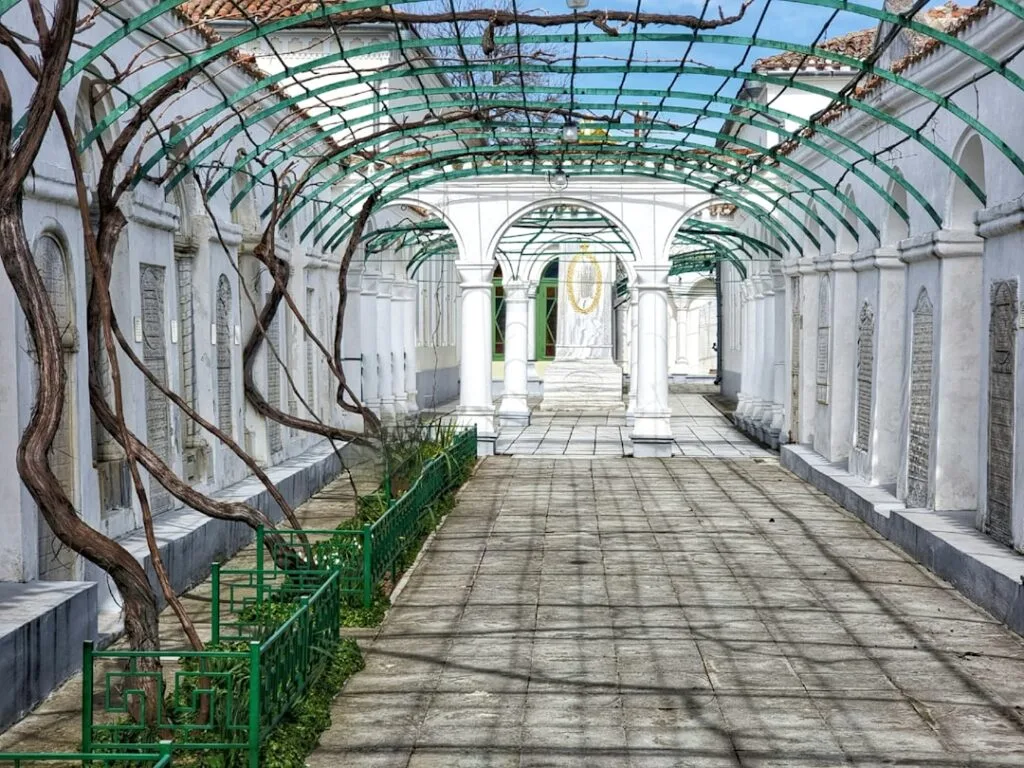
For fans of architecture and greenery, the mix of patios and Tuscan façades is irresistible: walls draped in Virginia creeper, small fountains, stone benches and beds of aromatic herbs. Explore the alleys around Via Giustiniani and Via Carducci, where gates sometimes open onto Renaissance-style gardens. Themed guided tours focusing on urban botany or palazzo history recur regularly with local associations; budget roughly €10–20 for a 1.5-hour walk.
Practical advice: respect people’s privacy — don’t enter closed gates and ask permission before photographing a private courtyard from a private entrance. For heritage days (Giornate FAI), get your tickets or information in advance as some visits sell out. If you’re after open, free gardens, favor small squares like Piazza delle Vettovaglie to watch terraces and tree-shaded tables, or ask the tourist information office (Ufficio Informazioni Turistiche, Piazza Vittorio Emanuele II) for updated maps of public spaces you can access.
Natural areas around Pisa: from the coast to the marshes
Beyond the urban fabric, Pisa is surrounded by remarkable natural areas. The Parco Naturale di Migliarino, San Rossore e Massaciuccoli is the large reserve protecting dunes, pine woods and wetlands between Pisa and the Tyrrhenian coast. The main access point is via Stazione di San Rossore (Piazza della Stazione di San Rossore, 56127 Pisa). Park entry is generally free, but protected zones and certain activities (guided excursions, boat tours, e-bike rentals) are paid: guided visits cost about €10–15 per person, nature safaris or boat trips on Lago di Massaciuccoli start from €20–30 depending on the operator.
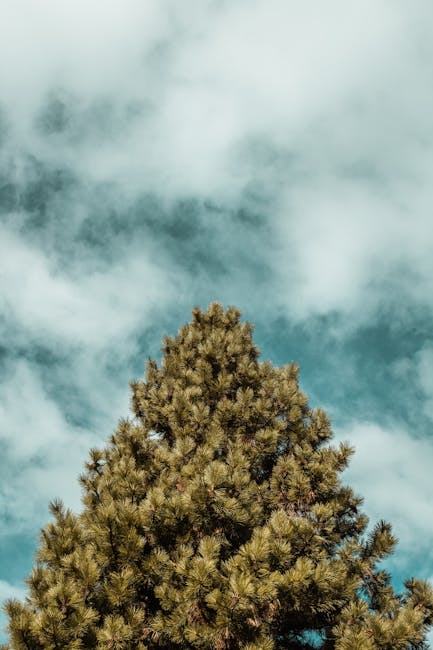
The park is open from dawn to dusk; check the official Parco website for seasonal restrictions and visitor rules (breeding season protections, nighttime access bans in certain areas). A popular option is cycling or taking a carriage ride through the pinewood that leads to the Spiaggia della Renaio: allow half a day for a relaxed circuit from Pisa, and bring water, sun lotion and closed shoes for sandy trails.
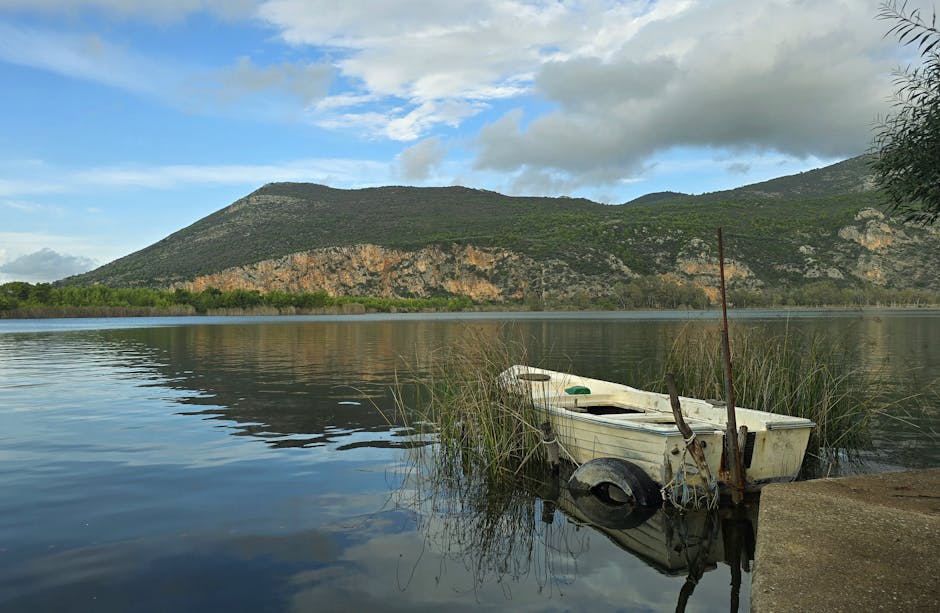
The Pisa coast, with beaches near Marina di Pisa (Via della Repubblica, 56018 Marina di Pisa, near Vecchiano), offers a mix of developed beaches and natural areas. For a wilder experience, head to the Riserva Naturale di Tombolo di Marina di Vecchiano, where dunes and coastal vegetation form a fragile habitat: access is controlled, with parking and marked trails — a perfect spot for birdwatching in spring and autumn migrations.
Click here to book a coastal boat tour with lunch and aperitif
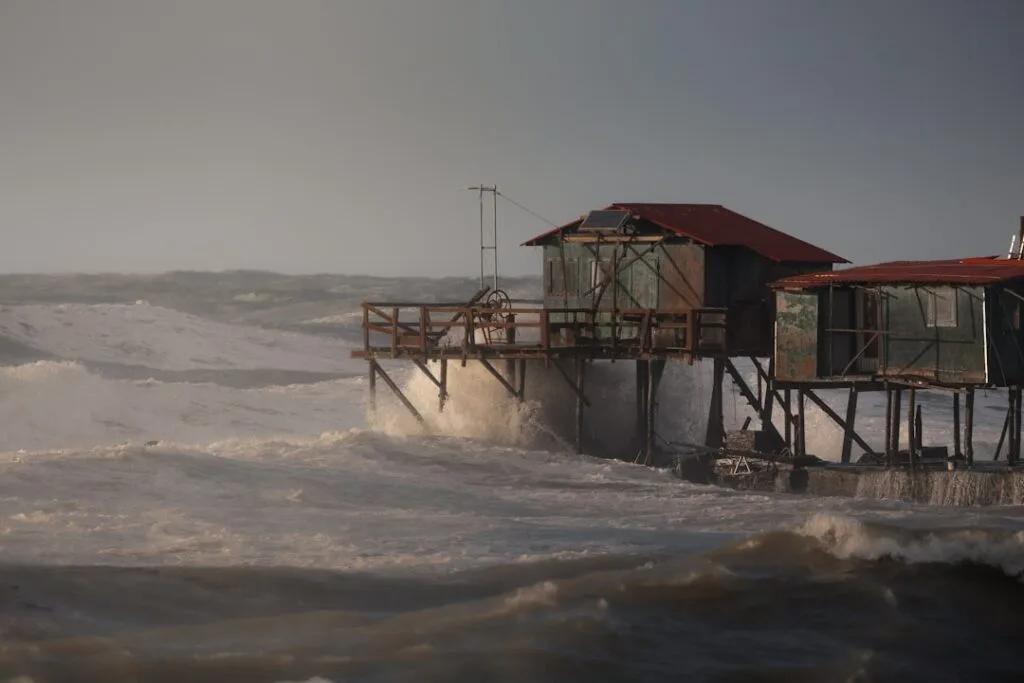
Another observation site is Lago di Massaciuccoli (Ville di Massaciuccoli, 55015 Massarosa/near Pisa), known for its reeds, ducks and occasional flamingos during migration waves. Boat tours and birdwatching outings are offered by local operators; book ahead (prices roughly €15–25 for a short guided trip). These excursions show a different side of Tuscany, focusing on wetlands and biodiversity rather than vineyards and rolling hills.
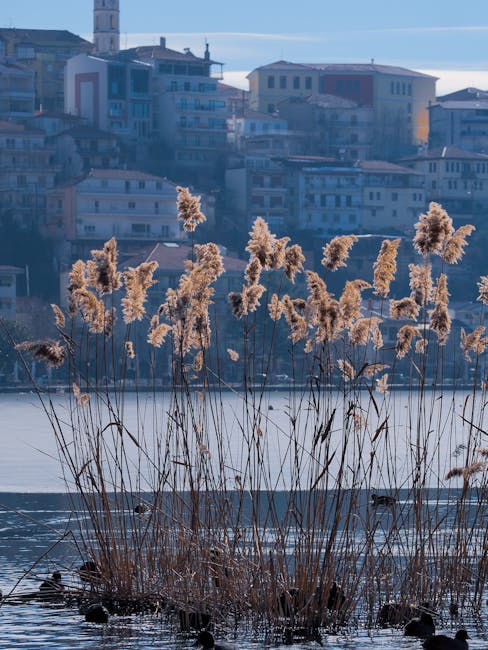
Practical nature tips: always follow marked trails, take your trash with you and respect signs indicating restrictions (dogs on leashes, protected zones). Carry some cash for small tour operators and seaside cafés that may not accept cards. If you want a full immersion, local operators offer « bike + boat » or « photo tour » packages that combine several natural settings in one day — ideal for photographers and active families.
Local practical tips to enjoy Pisa in Green
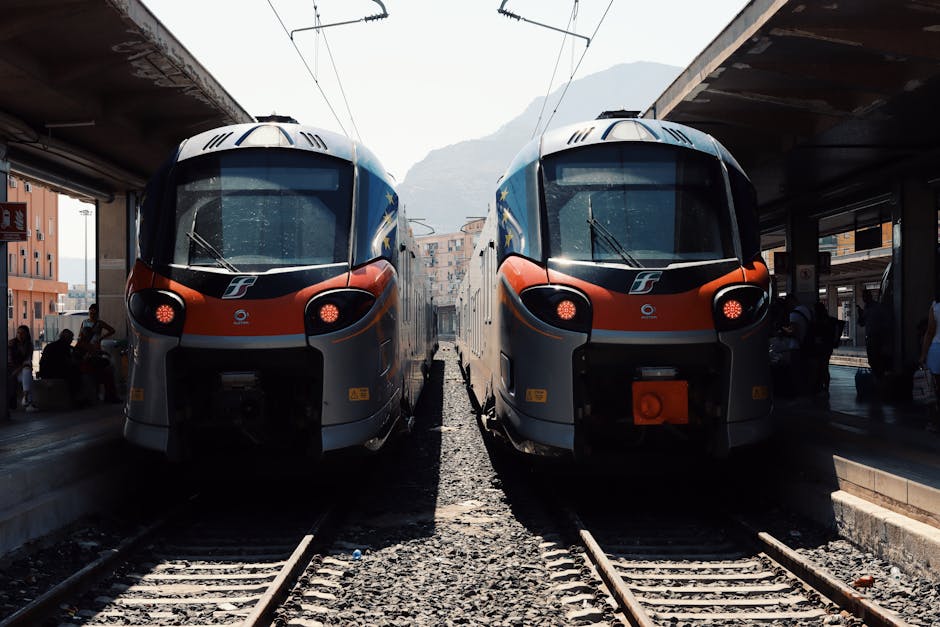
Here are practical recommendations from locals and seasoned travelers to make the most of Pisa in Green. Transport: Pisa’s center is compact and easy to explore on foot or by bike. Trains serve the central station Pisa Centrale (Piazza della Stazione, 56125 Pisa); to reach natural areas, take a local train to Stazione di San Rossore for the park, or a regional bus to Marina di Pisa. Public transport fares vary: a city bus ticket costs about €1.50–2.00 (single), and day passes are available (prices change, often around €4–6).
Tickets: for Campo dei Miracoli monuments, book online via the official site (Musei di Piazza dei Miracoli). Indicative prices: Torre di Pisa €20–25, Baptistery €5–7, Museo dell’Opera del Duomo €6–8, combined tickets vary by season €25–30. Timetables change with the season: in high season expect early morning slots to be in high demand. Botanical gardens and university museums often offer reduced rates for students and EU residents; always carry an ID or student card.
Best times to visit: spring (April–June) and early autumn (September–October) give pleasant temperatures and ideal light. In summer, favor early morning or late afternoon to avoid heat and crowds. In winter the city is quieter and still accessible; bring warm clothes as the wind can be sharp along the Arno and near the coast.
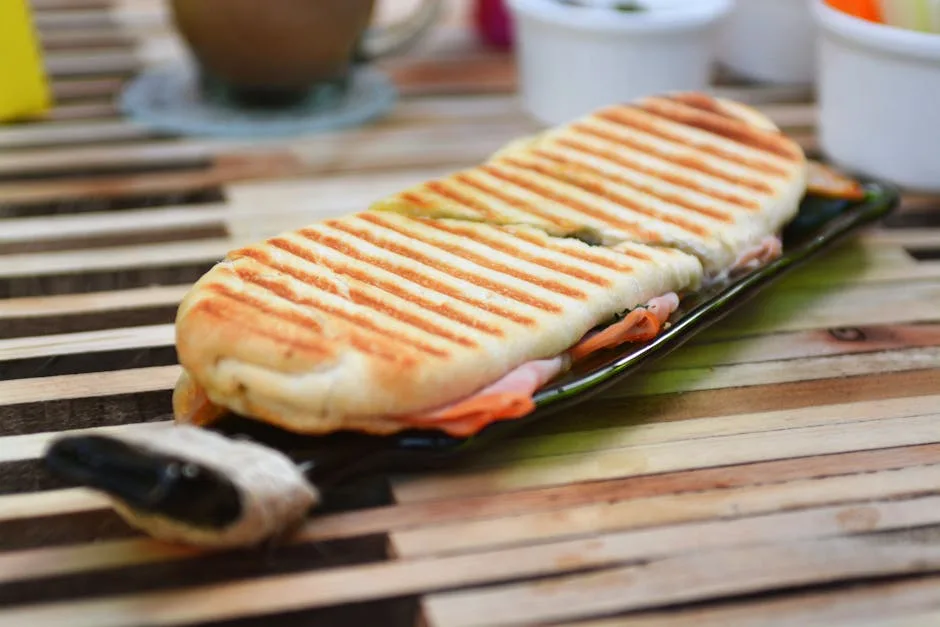
Food and green breaks: for an outdoor lunch try the panini from Pasticceria Salza (Via Santa Maria 128, 56126 Pisa — check opening hours), or pick up fresh produce at Mercato Centrale (Via Paparelli area) and sit down in a public garden. For a coffee after a walk, Caffè dell’Ussero (Borgo Stretto area) has outdoor tables; expect €1.20–1.80 for an espresso and €2.50–4.00 for a cappuccino at a terrace.
Safety and respect: Pisa in Green is generally safe, but use common sense as in any tourist city: don’t leave valuables unattended, lock bikes with a solid chain (occasional thefts occur) and follow park rules (no open fires, pet restrictions). To be respectful, avoid picking plants and flowers in protected areas and heed environmental signage.
Conclusion: immerse yourself in Pisa’s gentle green side
Beyond its worldwide fame for the Leaning Tower, Pisa reveals a soft side thanks to its green neighborhoods, historic gardens and nearby natural areas. The Orto Botanico di Pisa, the lawns of Campo dei Miracoli, the Arno’s banks, Giardino Scotto and palace secret gardens offer a range of experiences for every taste: culture, relaxation, active walks and nature watching. These places show how the city balances monumental heritage with quality of life.
Visiting Pisa in Green means slowing down, taking a sunny break, exploring a hidden courtyard, following a forest path or joining a birdwatching trip. The addresses, times and prices in this guide will help you plan your days: book time slots for the Torre di Pisa, check Orto Botanico opening hours, ask about guided visits in Parco di San Rossore and consider renting a bike to follow the Arno. Practical tips — choose the best hours, bring water, respect nature — will ensure a serene and rewarding visit.
Finally, for travelers seeking authenticity, Pisa in Green offers chances to mix local encounters and botanical discoveries: share an aperitivo on a lawn at sunset, ask residents for their favorite spots and explore markets and small squares where real Pisan life plays out. Whether you’re here for a day or a longer stay, let nature guide you: you’ll discover a calmer, warmer and wonderfully green Pisa.