





Introduction: A Flavor Journey Through Pisa’s Cheeses and Cured Meats
Pisa is more than just the city with the famous Leaning Tower — it’s a perfect gateway to discover Tuscany’s culinary treasures. With olive-covered hills, sunlit pastures and age-old aging traditions, the area around Pisa produces cheeses and cured meats that tell a story of terroir, family craftsmanship and respect for the seasons. Whether you’re an inquisitive traveler, a seasoned foodie or simply someone who loves good food, Pisa offers everything you need to build memorable platters, buy artisanal products and enjoy informal, delicious tastings.
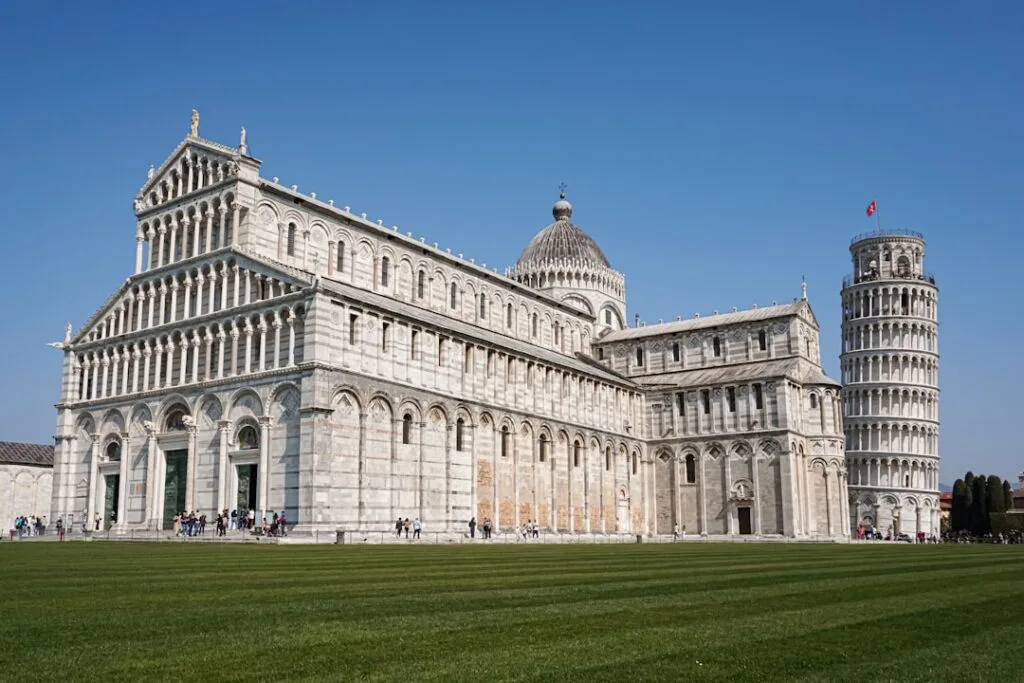
Amid the city’s rich architectural heritage — Piazza dei Miracoli, Pisa Cathedral (Duomo di Pisa), the Baptistery of St. John — you’ll also find tasty spots, lively markets and small workshops where salami, prosciutto and pecorino are still hand-made. Short supply chains are notable here: small local producers from the Tuscan countryside sell their goods directly at market stalls or in carefully packaged jars and wraps ready to take away. The richness lies in the variety: from Pecorino Toscano DOP, a semi-hard sheep’s cheese, to rustic cow’s milk cheeses and the salami from Cinta Senese — each product has its own distinct personality.
This guide aims to be both practical and immersive. You’ll find detailed, sensory descriptions of the typical cheeses and cured meats to taste in Pisa, precise addresses (markets, shops, restaurants and producers), usual opening hours and price indications to help you navigate, plus local tips for buying, storing and enjoying your finds. I’ll also suggest platter ideas, wine pairings and tricks for arranging a tasting at a producer. Whether you’re planning a picnic on the Arno, a leisurely afternoon at the markets or a more structured visit, this guide will help you build an authentic Tuscan tasting experience.
Before diving into specific products, keep three simple rules in mind that will improve your discoveries: 1) always ask to taste before you buy — artisans love sharing their products; 2) favor seasonality — some raw-milk cheeses and cured meats vary significantly by season; 3) check export and airline restrictions if you plan to take products home (some raw-milk cheeses may be restricted). Now, grab an appetite and a notebook: let’s explore the local cheeses and cured meats to try in and around Pisa.
Tuscan Cheeses You Have to Taste
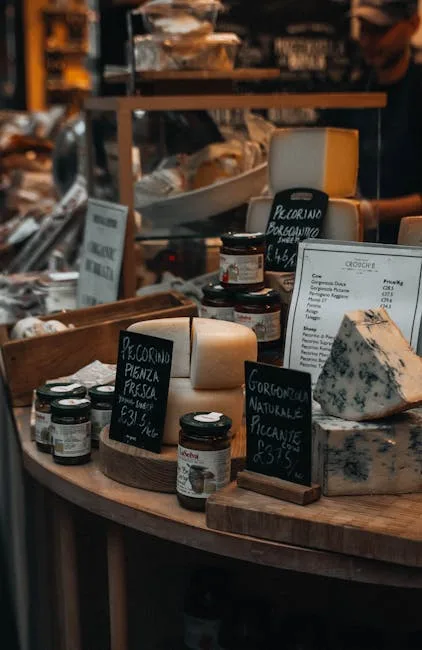
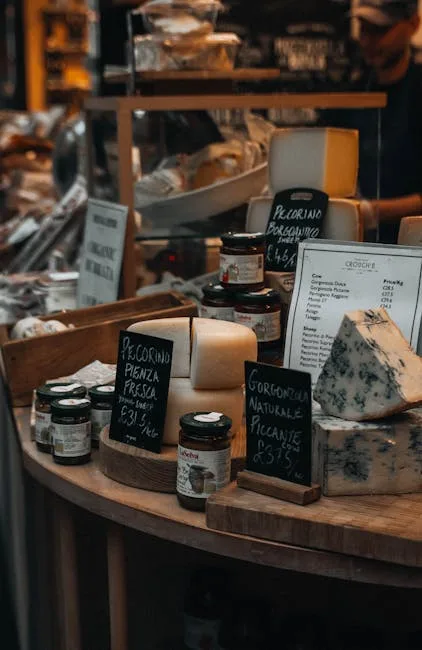
Tuscany offers a range of cheeses from fresh and creamy to robust and well-aged. In Pisa, you’ll easily find these Tuscan classics, often labeled “Pecorino Toscano DOP” when they meet protected standards. Pecorino Toscano DOP is a sheep’s cheese with a pressed texture; its character shifts with aging: young (prima stagionatura) it’s mild and almost milky; aged six months or more it develops nutty notes, a crumblier texture and a pronounced aromatic complexity. Typical prices range from €12–18 per kilo for the younger wheels and €18–30 per kilo for well-aged specimens, depending on the producer.
Another staple is the local ricotta (ricotta di pecora or ricotta fresca). It’s usually sold fresh and still slightly moist, perfect for spreading on a warm crostino. Price guide: €3–6 for a 250 g portion. You’ll often find it topped with local honey or a drizzle of regional extra virgin olive oil (olio extravergine di oliva DOP delle Colline Pisane).
For cow’s milk cheese lovers, look for small artisanal productions labeled “formaggio di mucca.” These can include soft-ripened cheeses with bloomy rinds, rustic tommes aged in cellars and sometimes creations flavored with local herbs like rosemary or savory. Aged cow’s milk cheeses generally sell for €10–22 per kilo depending on age and rarity.
Don’t overlook flavored Pecorinos: pecorino with black pepper, chili or wild fennel. These small-batch varieties are ideal on platters because they add contrast and color. Regional cheeses are sometimes sold in individual portions (200–400 g), which is convenient for travelers — expect €5–12 per portion.
Practical tip: to test freshness and quality, ask your seller for a thin slice. A good pecorino has a clean smell, not ammonia; its texture should be firm but not brittle when young, becoming grittier and more crumbly with longer aging. If you’re buying for a picnic by the Arno or on the lawns around Piazza dei Miracoli, wrap the cheese in wax paper and pop it into an insulated bag to keep it fresh for a few hours.
Local Cured Meats and Where to Find Them
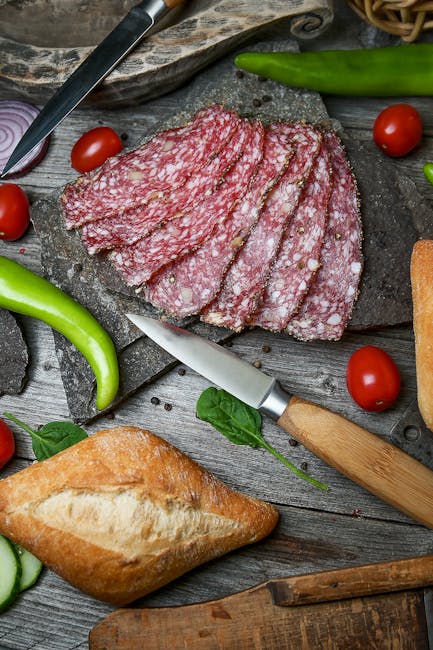
Tuscany has a long charcuterie tradition rooted in the local pig breed, Cinta Senese, known for its flavorful meat. Typical cured products around Pisa include salame di Cinta Senese (an intensely flavored salami), Prosciutto Toscano DOP (Tuscan-style dry-cured ham), finocchiona (salami flavored with fennel) and gently smoked lard products. These items can be bought sliced or whole depending on your needs.
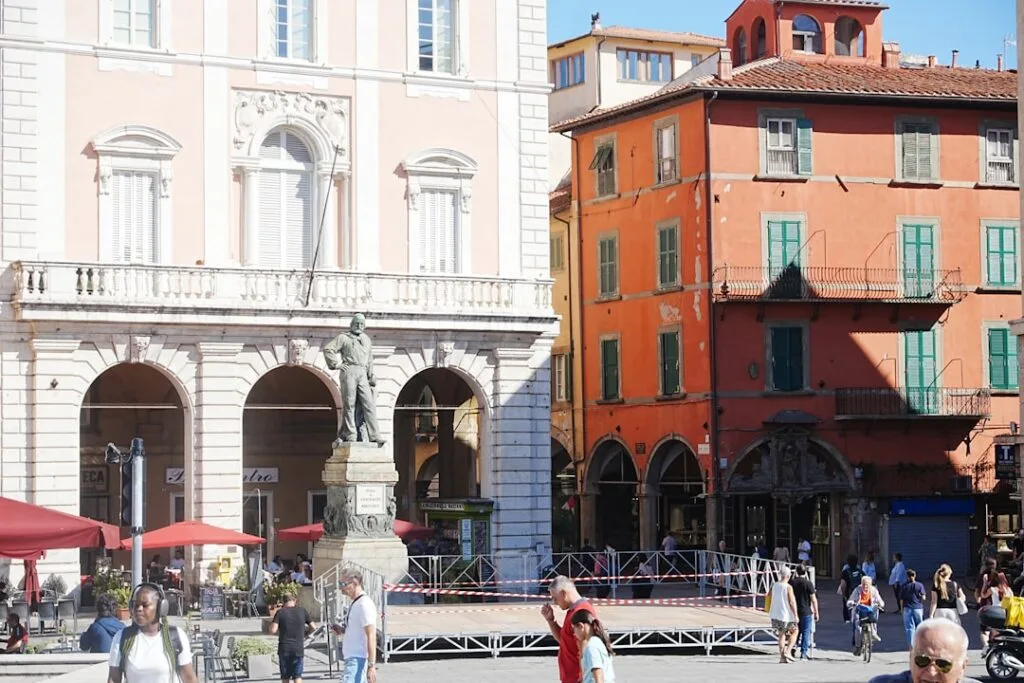
To find quality cured meats in Pisa, start at the Mercato delle Vettovaglie (Piazza delle Vettovaglie, 56127 Pisa). This historic market is open Monday to Saturday, generally from 7:00 to 14:00. Salumeria stalls here often offer tastings — expect prices from €18–35 per kilo for artisanal salami and €20–40 per kilo for local prosciutto depending on aging.
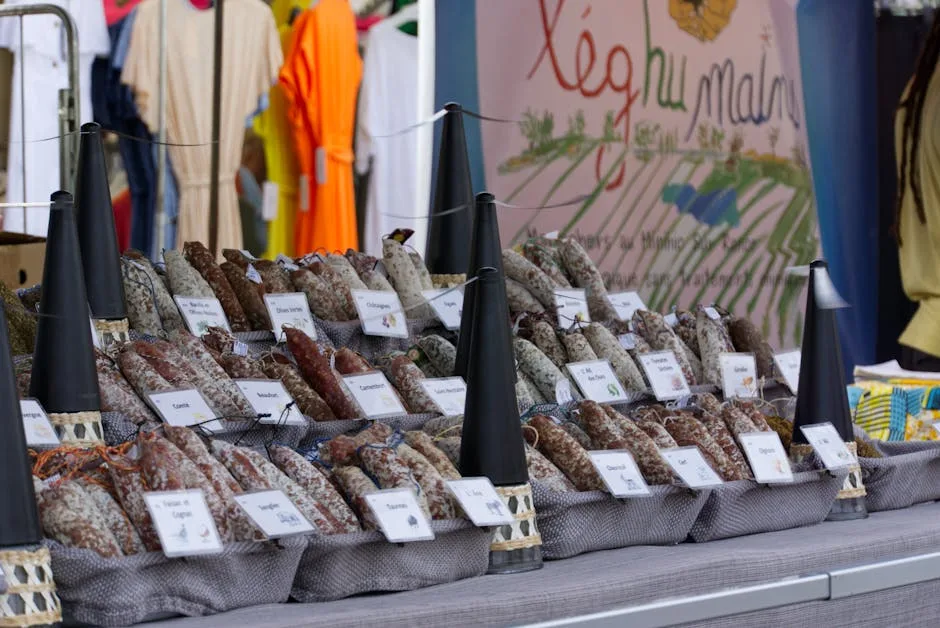
A recommended shop for charcuterie is a traditional salumeria near the Lungarno, where small local producers’ products are highlighted (suggested area: central Lungarno — check labels for details). These shops often offer pre-portioned packs and take-away platters: for a simple platter for 2–3 people count on €12–25 depending on the selection. If you plan to bring prosciutto on a plane, ask about customs and packaging rules: it’s usually best to buy vacuum-sealed slices (50–60 g packs) to simplify transport.
If you’re willing to venture outside the city, visit small farms and processing workshops in the Pisa province and Valdinievole: many accept visits by appointment and offer cutting workshops and guided tastings. Visit + tasting fees usually range from €10–30 per person. These encounters are invaluable for understanding Cinta Senese breeding, aging times and traditional salting techniques.
Local tips: to keep cured meats for a few days, vacuum-seal the slices or wrap them tightly and store in a cool place (max 4–6 °C). Avoid leaving a slice of salami in the sun — heat can alter the flavor. Always ask the butcher how he recommends serving each product — some salamis reveal their aromas best at room temperature, while others benefit from a slight warm-up or pairing with onion or fig jam.
 Click here to Taste charcuterie and olive oil near Pisa
Tastings, Recommended Platters and Wine Pairings
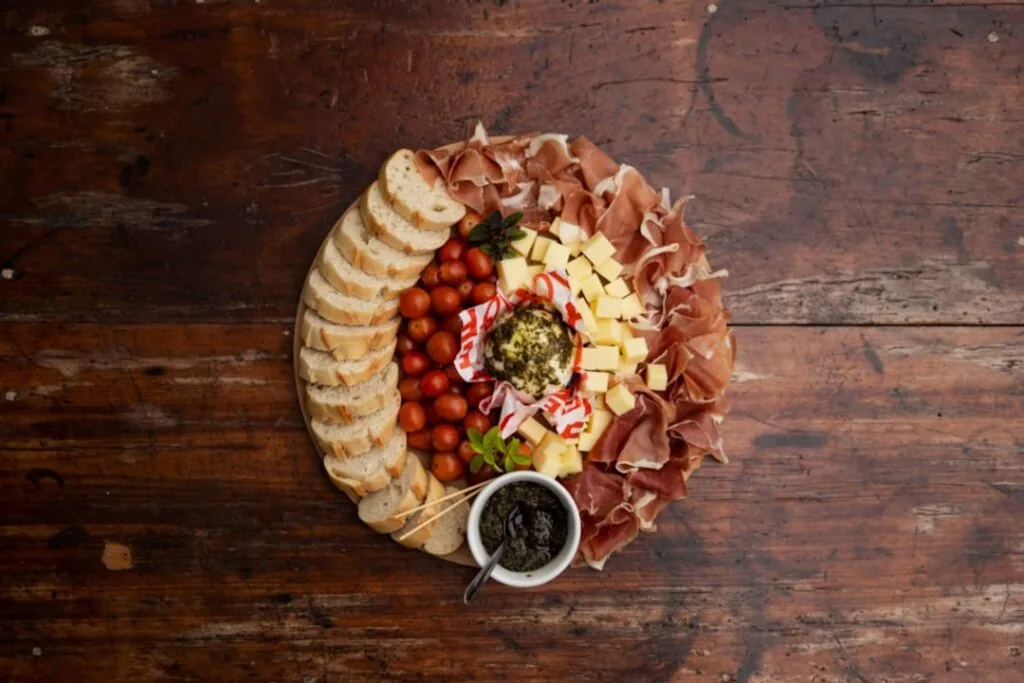
Building a Pisane-style platter is about balancing textures and flavors: a fresh cheese, an aged cheese, a mild cured meat and a bolder one, paired with rustic bread, Taggiasca olives and a local jam. Here are three platter ideas depending on the time of day and appetite:
- Light aperitivo: fresh ricotta (150–200 g), thin slices of finocchiona (50 g), Tuscan crostini, Taggiasca olives (100 g) and local honey. Approximate budget: €10–15 per person.
- Rustic lunch platter: young Pecorino Toscano (150 g), Pecorino aged 6–12 months (100 g), salame di Cinta Senese (80 g), sliced Prosciutto Toscano (80 g), sun-dried tomatoes and Colline Pisane olive oil. Budget: €15–25 per person.
- Evening sharing board: mixed cheeses (salted ricotta, cow’s-tomme, aged pecorino), assorted cured meats (copa, lonza, thinly sliced guanciale for toasting on crostini), artisanal jams, walnuts and wine. Budget: €20–35 per person depending on selection.
Click here to Book a culinary and wine tasting in Pisa
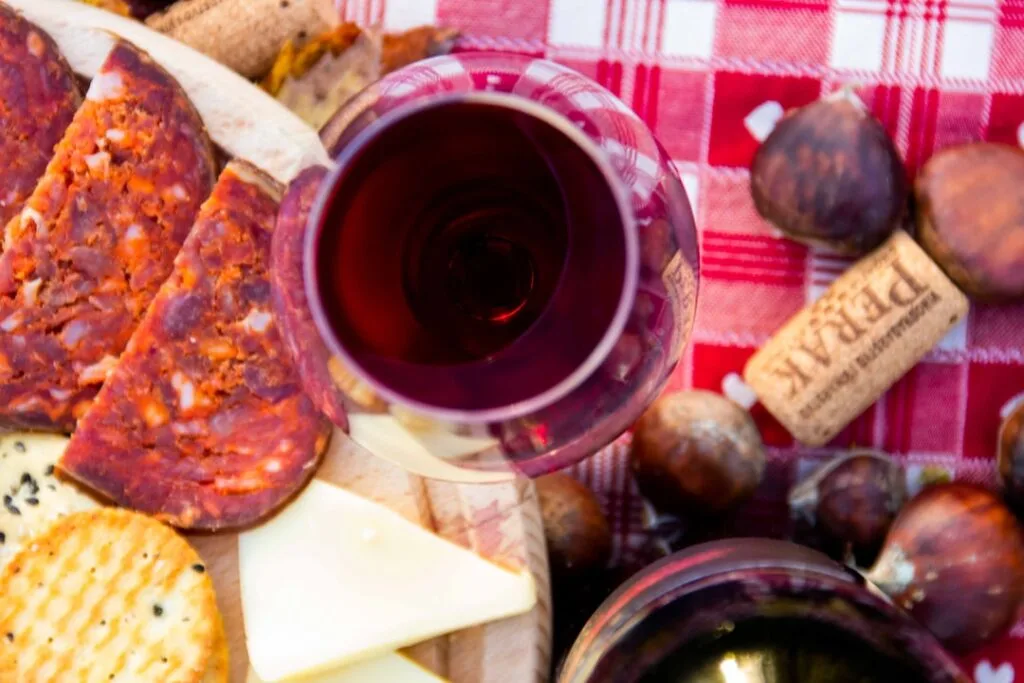
Wine pairings: in Tuscany, lighter yet structured reds like Chianti Colli Pisani or a youthful Sangiovese pair wonderfully with aged pecorinos and salty cured meats. For fresh cheeses and ricotta, choose a Vermentino della Costa Toscana or a crisp inland white (local bottle prices €6–18). If you buy wine at an enoteca in Pisa, expect good local bottles to range from €10–35.
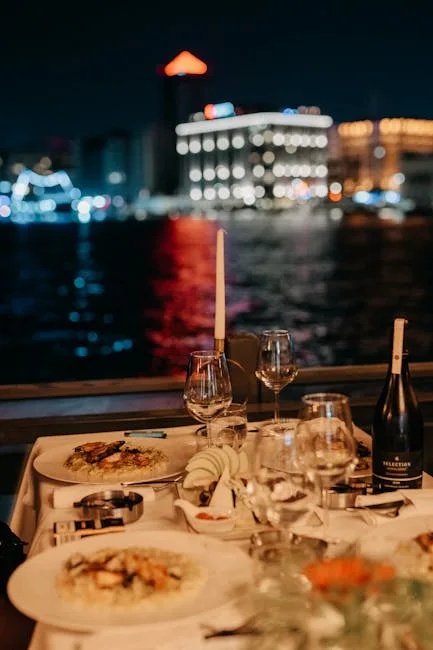
Where to taste on site: several osterie and enoteche around Piazza dei Miracoli and along the Lungarno offer tasting boards. For example, a typical city-center enoteca will offer a board for two starting around €18 up to €40 depending on quality. Common opening hours for these places are 11:00–15:00 for lunch and 18:00–23:00 for aperitivo and dinner, but check locally, especially outside high season.
Practical tip: if you plan to picnic near the Campo dei Miracoli (Piazza del Duomo, 56126 Pisa), follow local rules and prefer a greener, less crowded spot at the edges to avoid busy areas. Transport tip: buy cheeses from shops that offer vacuum-packing if you’re traveling by train or plane. For a more intimate tasting, contact a producer for a private session — these usually require 24–48 hours’ notice.
Must-Visit Markets, Shops and Addresses in Pisa
To buy and taste on the spot, here’s a curated list of practical spots (hours and prices are indicative). Note that opening times can change with the tourist season and public holidays: it’s wise to check online or call ahead.
- Mercato delle Vettovaglie — Piazza delle Vettovaglie, 56127 Pisa. Hours: Monday to Saturday 7:00–14:00 (some stalls may close earlier). Products: local cheeses, cured meats, fruit and vegetables. Prices: cheese portions €3–12, cured meats €18–35/kg depending on origin.
- Enoteche and osterie on the Lungarno — Lungarno Pacinotti / Lungarno Gambacorti area. Hours: varied (usually 11:00–15:00 and 18:00–23:00). Offer: cheese and charcuterie boards from €12 per person, local wines from €6 per bottle in-store.
- Artisan cheesemonger shop (local example) — small artisan cheese shop in the historic center (address: characteristic street near the Duomo). Hours: 9:00–13:00 / 16:00–19:30 (closed Sunday mornings). Products: pecorinos, ricotta, artisanal tommes. Prices: €5–25 depending on selection and aging.
- Peri-urban farmer markets — local markets held on certain days in the outskirts of Pisa (areas like San Giusto, Porta a Lucca). Hours: mornings 7:00–13:00. Farm products: Cinta Senese cured meats, fresh sheep cheeses, olive oil. Prices: €5–30 depending on the producer and item.
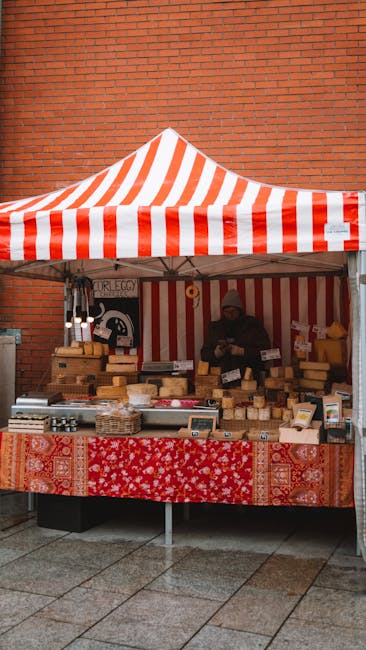
Practical buying tips: bring a small soft cooler if you plan to buy multiple items; always ask for the aging date; taste before you buy and look for the DOP mark on protected products (e.g. Pecorino Toscano DOP, Prosciutto Toscano DOP). If you’re in a hurry, seek shops that offer vacuum-packing on the spot — it makes transport, especially by air, much easier. Finally, for an authentic souvenir, favor small producers over big supermarkets: you’ll support the local economy and go home with products that have unique character.
Local Practical Tips and Final Recommendations for Savoring Pisa
Exploring cheeses and cured meats in Pisa takes a little planning but delivers great rewards. Here are concrete tips to help you make the most of your experience:
- Best time to visit markets: early morning (7:00–10:00) for the freshest selection; stalls start to wind down in the afternoon and some specialties may sell out.
- Language and communication: learn a few basic Italian words (formaggio, salame, provare = to taste, mezza porzione = half portion) — this will make tastings and conversations with artisans easier.
- Transporting purchases: if you’re taking the train, ask for vacuum packing; by car, use a cooler especially in summer. For long flights, check sanitary and customs restrictions.
- Manners: when tasting on site, respect shops’ busy hours and remember to thank the seller — a simple “grazie” and a compliment about the product often sparks longer conversations and useful recommendations.
- Allergies and diets: disclose any nut or lactose allergies; some aged cheeses are better tolerated by lactose-sensitive people, but always ask about ingredients.
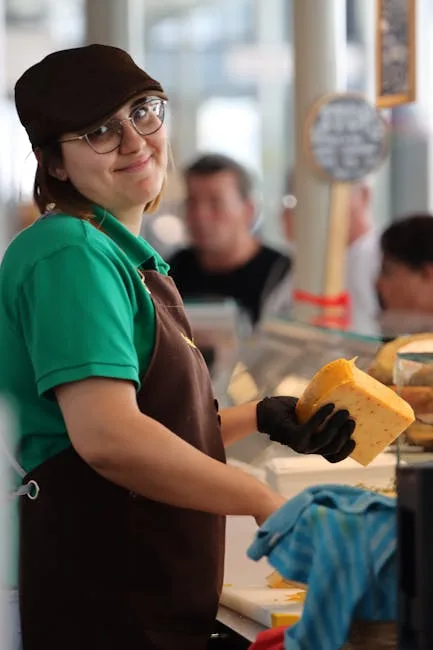
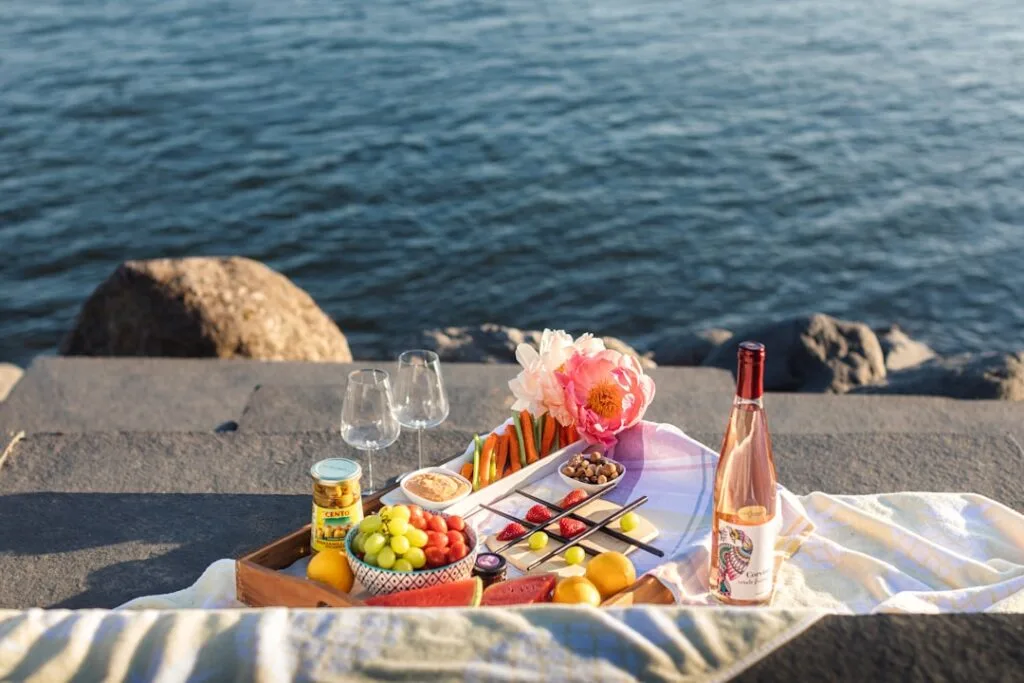
As you explore Pisa and its surroundings, you’ll find that the culinary experience goes far beyond a simple purchase: it’s about meeting people, hearing family stories of artisans and discovering a terroir where each hill adds a different nuance to the milk and meat. Whether you savor a well-aged pecorino by the Baptistery at sunset, or share a charcuterie board with a glass of Chianti on the Arno’s banks, Tuscany has a way of turning simple products into unforgettable moments. Take time to listen to sellers’ advice, watch how products are sliced and wrapped, and above all, enjoy the authenticity and generous flavors of this region.
Conclusion: Take Home a Taste of Tuscany
Discovering the cheeses and cured meats around Pisa invites you to slow down, smell and taste. From the bustling stalls at Piazza delle Vettovaglie to small artisan shops and countryside producers, every stop teaches how climate, animal husbandry and tradition shape flavor. Pecorino Toscano DOP, fresh ricotta, salame di Cinta Senese, finocchiona and Prosciutto Toscano are signature tastes of the region — easy to combine on a platter, pair with a glass of Sangiovese or Vermentino, and perfect as gifts or travel souvenirs.
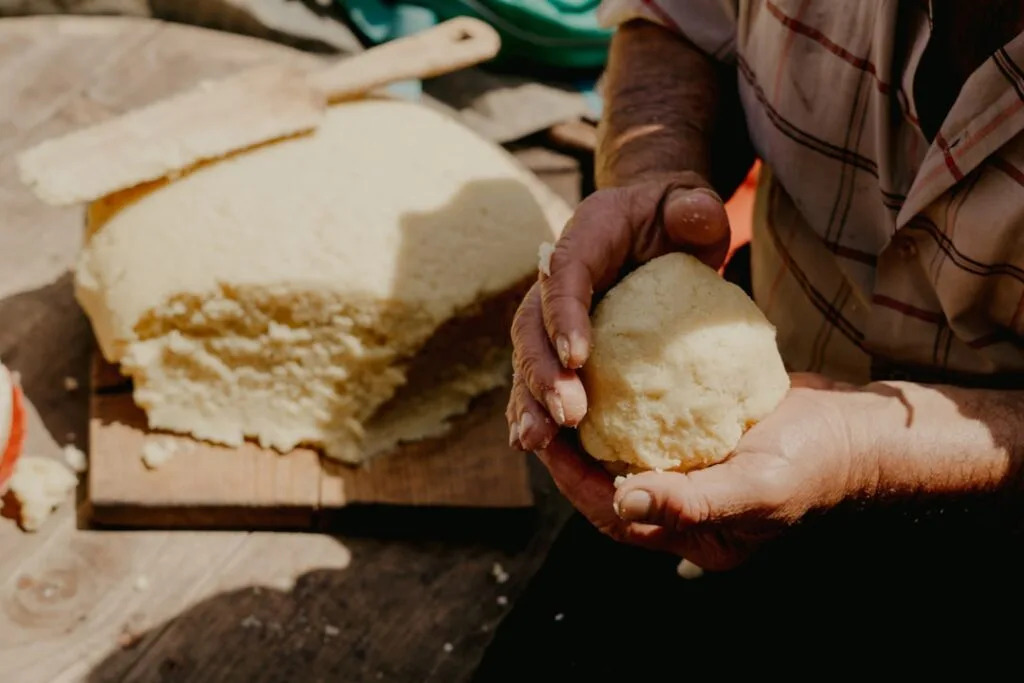
Beyond the products themselves, the best experiences come from personal interactions: talk with a cheesemaker who shows you a wheel of pecorino, listen to a butcher explain the origin of a salami, or share a board on a small terrace while people-watching. These moments add depth that anonymous purchases lack. For travelers, a few practical reminders are handy: check opening times (markets are early), ask for vacuum packing if needed, plan purchases around your transport, and don’t hesitate to book farm visits or tastings in advance.
Finally, let your senses lead the way: Tuscany is generous but reserved, and quality often trumps quantity. Taking home a wheel of cheese or a slice of cured meat from Pisa means bringing back a story, a scent and a texture that will remind you of the hills, the smell of dry grass and the Tuscan sun. Whether you leave with a whole wheel or a small vacuum-packed selection, you’ll carry home a little piece of the local gastronomic culture — and memories to savor long after your trip.