





Introduction: Pisa, its religious quarters and monasteries — a city woven from faith and history
Pisa is more than just its Leaning Tower; it’s a place where religious history has shaped the city grid, collective memory and built heritage. The city’s religious quarters and monasteries form an intimate route spanning nearly a millennium of devotion, sacred art and communal life. From the solemn grandeur of the Cattedrale di Pisa to the contemplative hush of cloisters, every site tells its own story: medieval pilgrimages, local confraternities, schools of sculpture and early Christian archaeological remains. For travelers who slow down and look, these places provide a full sensory experience — the shimmer of frescoes, the acoustics of baptisteries, the scent of wood and herbs in monastic cells, and the discreet choreography of bells marking the day.
In this article I’ll guide you through the main religious sites and monasteries in Pisa with practical tips: the Piazza dei Miracoli with its cathedral, baptistery and Camposanto Monumentale; the Certosa di Calci, a remarkable Carthusian monastery on Pisa’s doorstep; the early-Christian Basilica of San Piero a Grado, a coastal witness to ancient Christianity; plus other convents and churches that often fly under the radar but are essential to understanding Pisa’s spiritual side. Each section includes exact addresses, indicative admission prices, typical opening hours, immersive descriptions and useful practical advice — whether you’re on a half-day visit or planning a deeper exploration.
I’ll also point out how to make the most of your visits — best times to avoid crowds, ticket combinations, local transport and the respectful behavior expected in active places of worship. Throughout the text you’ll find visual cues to help plan your photography and set expectations, with suggested angles and times of day to favor — sunrise over the Piazza dei Miracoli, low light in the Certosa cloister, or the nighttime reflection of stone in the religious lanes. Whether you’re into architecture, Christian iconography or seeking quiet, these religious quarters and monasteries of Pisa hide many unexpected treasures.
The Piazza dei Miracoli complex: Duomo, Baptistery, Camposanto and Museo dell’Opera
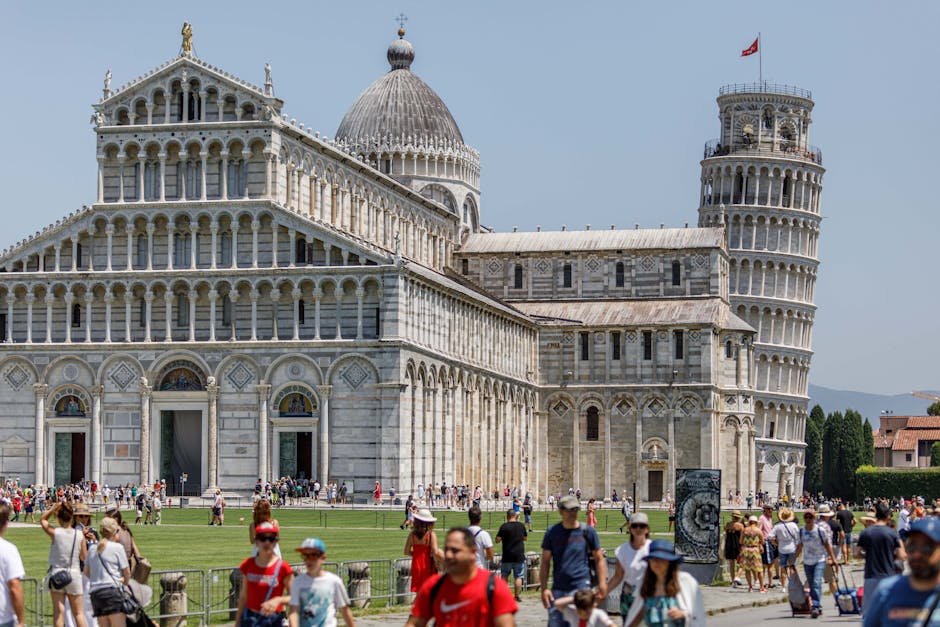
The Piazza dei Miracoli is Pisa’s religious heart. Here you’ll find the Cattedrale di Pisa (Duomo di Santa Maria Assunta), the Battistero di San Giovanni, the Camposanto Monumentale and the Torre Pendente — each with a distinct liturgical and artistic identity. General address: Piazza del Duomo, 56126 Pisa PI, Italy. The Cattedrale di Santa Maria Assunta (Duomo) stands out for its striped white and grey marble façade, a luminous interior punctuated by columns and Byzantine mosaics. Entry to the cathedral is usually free but often requires a reservation or proof of access through the Opera della Primaziale Pisana system; check the day you plan to visit for any scheduled masses. 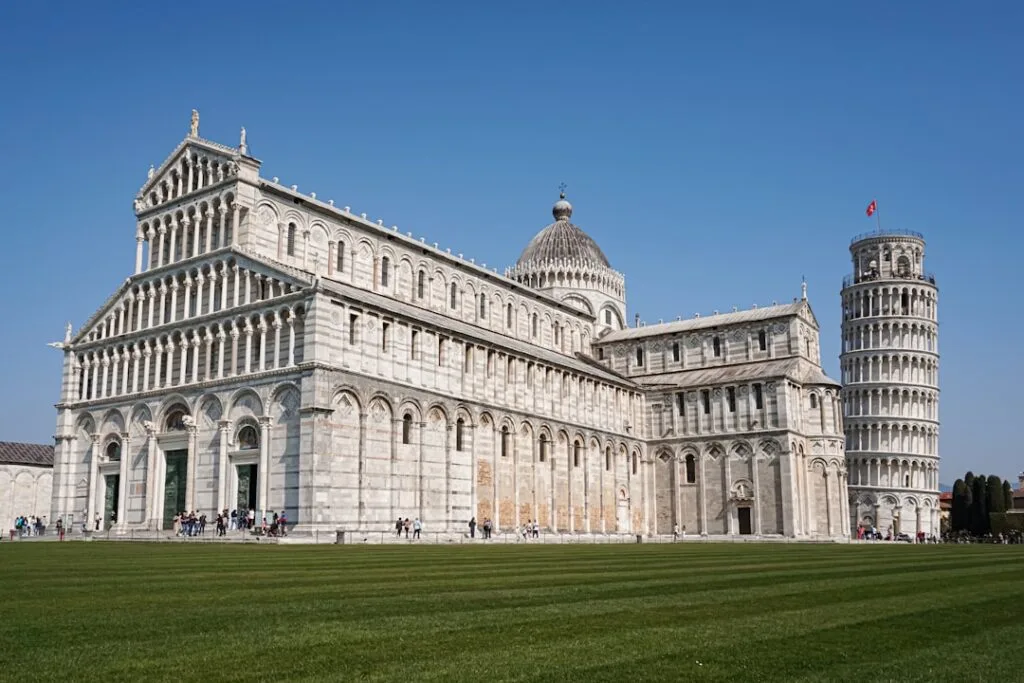
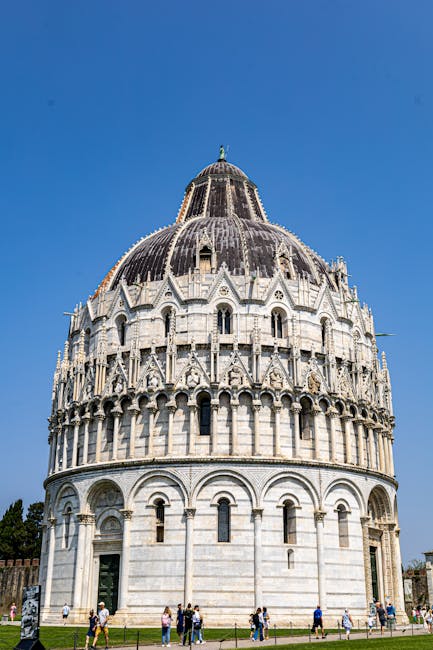
The Battistero di San Giovanni (Piazza del Duomo, 56126 Pisa) sits adjacent to the cathedral: famous for its remarkable acoustics and dome. Admission is roughly €5 per adult (indicative rate) and typical opening hours are 09:00–19:00 in high season (seasonal variations apply). Allow a few minutes to listen and appreciate the sound effects during the occasional Gregorian chant demonstrations. 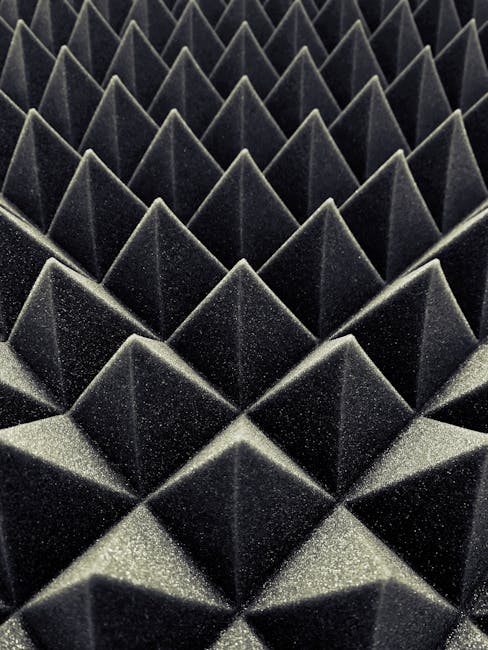
The Camposanto Monumentale (Piazza del Duomo, 56126 Pisa) is the monumental cemetery that houses restored cycles of medieval frescoes. Indicative admission: €8. Usual opening hours: 08:30–19:00 (seasonal). The frescoes demand quiet attention: look closely at funerary scenes and eschatological symbols that reveal the medieval outlook on death. 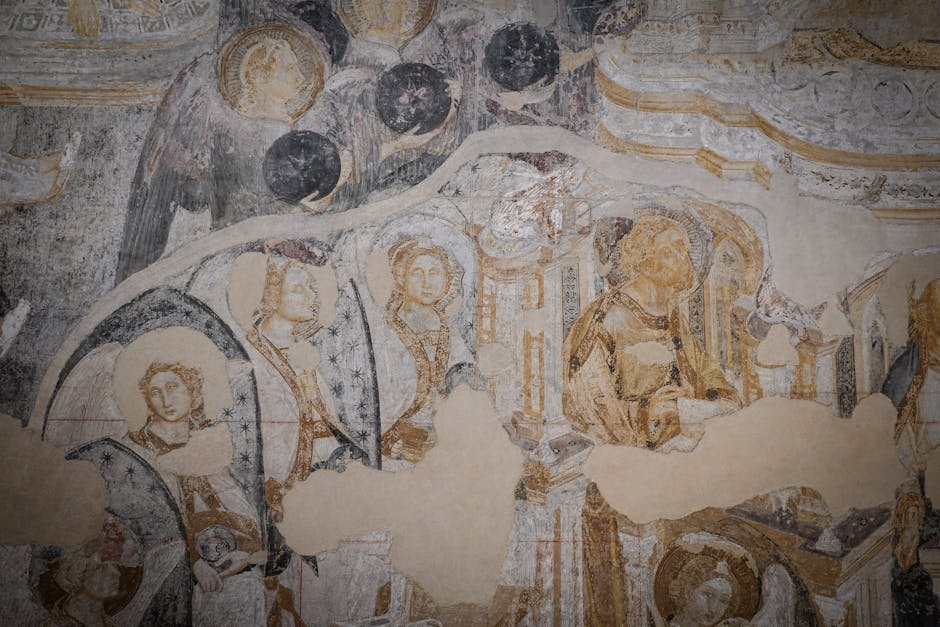
The Museo dell’Opera del Duomo (Piazza del Duomo, 56126 Pisa — adjacent building) preserves sculptures, relics and original architectural fragments from the cathedral and baptistery. Indicative price: €8; opening hours: 09:00–18:00. For the best visit, buy a combined ticket if you plan to climb the Torre di Pisa (climb ticket for the tower: roughly €20 for a timed, small-group ascent; access depends on reserved time slots). Practical tip: book the Tower and the Baptistery online to avoid lines and allow 1.5–2 hours to see the whole complex.
 Click here to book tickets for Piazza dei Miracoli monuments
The Certosa di Calci: the Carthusian monastery and the Natural History Museum
A few kilometres northeast of Pisa, the Certosa di Calci (Piazza dei Monumenti, 1, 56011 Calci PI) is one of the region’s most remarkable monasteries. Founded in the 14th century by Carthusians, it is set in a green valley, offering a striking contrast with Pisa’s urban bustle. Official address: Certosa di Calci, Piazza dei Monumenti 1, 56011 Calci (GP). Today the site houses the Museo di Storia Naturale dell’Università di Pisa in the monastery’s former wings, alongside restored cloisters and monastic gardens. 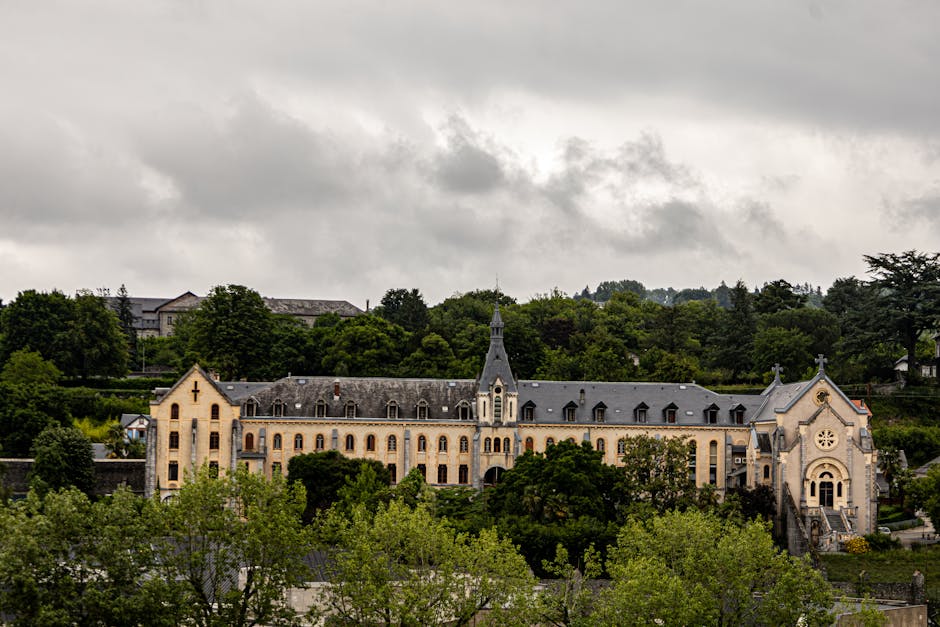
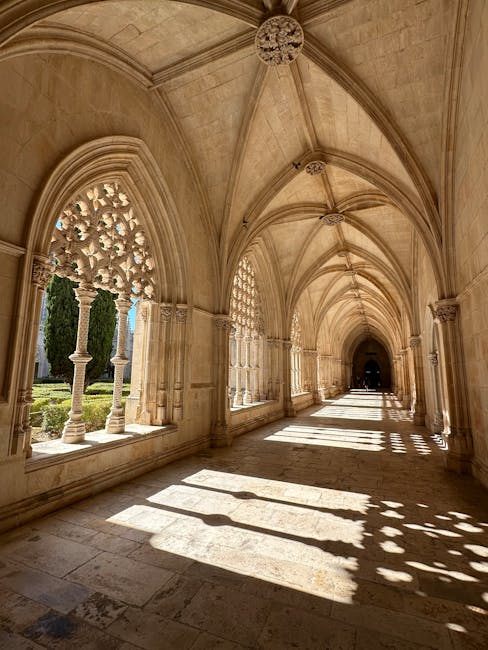
Admission to the complex and museum is about €10 (reduced rates for students and seniors available); opening hours: 10:00–18:00 (weekly closures may occur off-season — check before you go). The visit lets you explore monks’ cells, the great cloister, the monastic pharmacy and the chapter room, with panels explaining the daily life of the Carthusians. The spaces and volumes make the Rule of Silence almost tangible. The natural history museum adds an unexpected scientific angle: entomology, mineralogy and fossil collections, the result of donations and university explorations tied to the monastery’s history.
Practical tips: reach the Certosa by bus from Pisa (local line to Calci) or by car (about 20 minutes). The surrounding park is perfect for a contemplative walk after your visit; in summer, the arcades’ shade offers welcome relief. If you want a deeper experience, look into themed guided tours (monastic architecture, medicinal garden botany). In winter, a misty cloister atmosphere can heighten the site’s meditative side.
Click here to book the abbey visit with wine tasting and Tuscan lunch
Basilica di San Piero a Grado and the ancient coastal religious landscape
The Basilica di San Piero a Grado is one of the oldest early-Christian churches in the Pisa area, located near the seafront: Via Lungomare, 101, 56128 Pisa PI. Its position at the eastern edge of the Pisa plain made it a historical waypoint for pilgrims and sailors. The site preserves high-medieval mosaics in the apse and a basilical structure that illustrates the early forms of Christian worship in Tuscany. 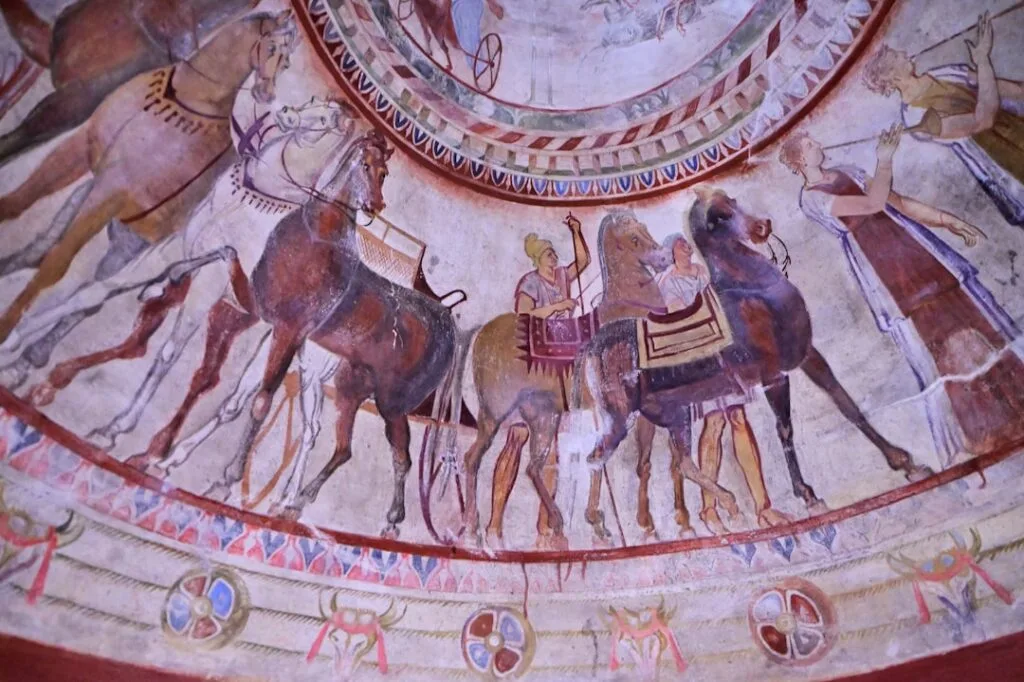
Hours and visiting: entry to the main nave is usually free; guided visits and access to the archaeological areas are possible by appointment; indicative hours: 09:00–12:30 and 15:00–18:00 off-season (subject to change depending on liturgical activities). There is often no fixed ticket price, but voluntary contributions are requested for upkeep. For archaeology and architecture enthusiasts, the crypt and early-Christian remains disclose building phases from the 5th to the 12th centuries. The site’s atmosphere, with light filtered through small windows and the nearby sea, creates a sense of continuity between liturgy and nature.
Local tips: combine the visit with a stroll along the Lungomare to Marina di Pisa; the golden hour at sunset casts warm tones on the mosaics and façade. If you rely on public transport, regional buses connect the site with Pisa’s centre. Wear comfortable shoes for accessing lower levels and follow the signage in archaeological zones (do not touch mosaics or cross barriers).
Other convents, churches and religious quarters to uncover
Beyond the major sites, Pisa is full of small churches and monasteries scattered through the historic neighbourhoods. Among them:
- Convento di San Francesco (Piazza San Francesco, 56125 Pisa PI): a former Franciscan convent often used for cultural exhibitions; the church houses Baroque altars and local works. Opening hours vary with events; suggested donation for exhibitions €3–5.
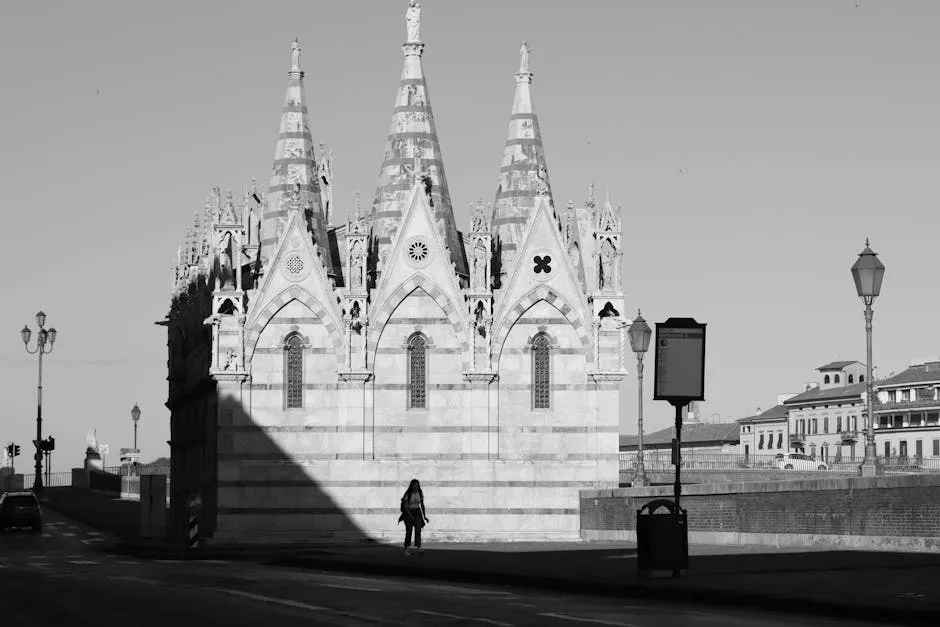
- Chiesa di Santa Maria della Spina (lungarno Gambacorti, 56125 Pisa): a small Gothic church on the Arno, notable for its finely sculpted façade. Address: Lungarno Gambacorti, 56125 Pisa. Free entry; opening hours limited depending on services.
- Monastero di San Zeno (Via San Zeno, western district): a small monastery and retreat centre, visits by appointment. Exact address varies with activities; contact the local parish.
Each stop offers moments of intimacy: a bench under a stained-glass window, a decorated side chapel, local relics. Practical advice: respect service times (don’t enter during a mass if that’s prohibited), dress modestly (shoulders and knees covered) and favor no-flash photography indoors. For photographers, morning light and backlighting over the Arno are often the most photogenic.
Click here to join a walking tour to discover Pisa
Conclusion: walking between stone, prayer and heritage
Pisa, beyond its postcard image centered on the Tower, is a city where the imprint of religion soaks both grand monuments and quiet nooks. The religious quarters and monasteries tell a multi-century story — from Byzantine and Romanesque architectural forms to the monastic silence of the Carthusians, and the humble neighbourhood chapels. Visiting the Piazza dei Miracoli, the Certosa di Calci, the Basilica di San Piero a Grado and the small churches sprinkled around the city will take you from monumental splendour to contemplative interiority. Each place includes practical details (addresses, indicative prices and opening hours), but remember these can change: always check official sites or the local tourist office before you go.
Final tips: plan visits around masses and seasonal schedules, book the Torre di Pisa and some museums online, and favor quieter hours for a more intimate experience. Bring a small torch or use your phone’s flashlight to examine crypts and basements where lighting is low. Above all, take the time to listen: murmured prayers, a baptistery’s acoustics or the whisper of wind in cloisters are elements that make Pisa’s history resonate far more than any brochure. Whether you’re a spiritual traveller, an art lover or an inquisitive stroller, Pisa’s religious quarters and monasteries will offer memorable moments of beauty, reflection and living heritage.