





Introduction — The Castle Route: Exploring Medieval Tuscany from Pisa
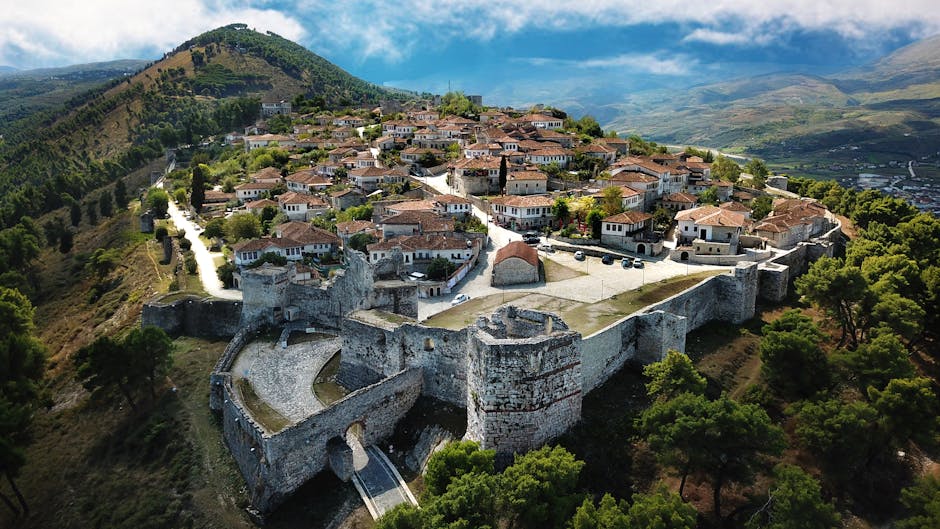
Set off to discover medieval Tuscany and you step into a living novel of stone, architecture and landscapes where every road tempts you to explore. Pisa, world-famous for its Leaning Tower, is also a perfect jumping-off point for a less-trodden “castle route” that’s every bit as enchanting as the coast or Florence. From the Piazza del Duomo you can be on winding country roads in under an hour, heading to hilltop villages, fortified castles and monasteries now turned into museums. These places keep alive traces of earlier lives: intact keeps, crenellated walls, inner courtyards, crypts and sweeping views over the Tuscan countryside.
The richness of military and religious architecture around Pisa even shows in the names: Castello dei Vicari in Lari, the Certosa di Calci (a former Carthusian monastery now a museum), the small, mysterious Castello di Ripafratta, and the many rocche and towers scattered among olive groves and vineyards. Along this route each stop offers not only a tour of stone but also a dive into rustic local gastronomy: bruschette drizzled with local olive oil, hillside wines and pecorino cheese. These sensory experiences give flesh to history and make the castle route feel like more than a list of monuments.
For photographers the area is full of picture-perfect compositions: the Leaning Tower framed from gardens, panoramic views of rocche against rolling hills, Gothic and Romanesque details caught in the golden light of evening. For practical travelers, Pisa also connects easily via the Galileo Galilei airport (Aeroporto di Pisa – Via G. Galilei, 56121 Pisa PI), frequent trains and well-maintained roads to the villages. This guide offers a structured route with exact addresses, opening hours, indicative prices and local tips so you can plan memorable day trips or a multi-day itinerary.
Bear in mind that hours and prices can change with the season and local events: medieval festivals, craft markets and special guided tours. I’ve included up-to-date practical information here, but I recommend checking official sites or calling local tourist offices before you set out. Pack your camera, sturdy shoes and curiosity: medieval Tuscany awaits, carved from stone, stories and endless horizons.
 Click here to book your ticket for the Piazza dei Miracoli monuments
From Pisa: must-see stops before you hit the castle route
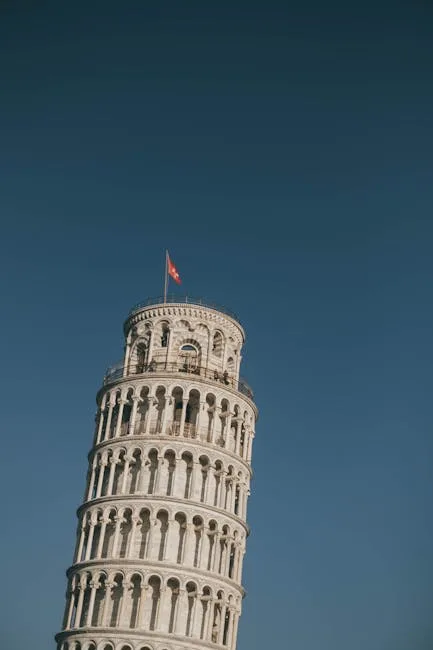
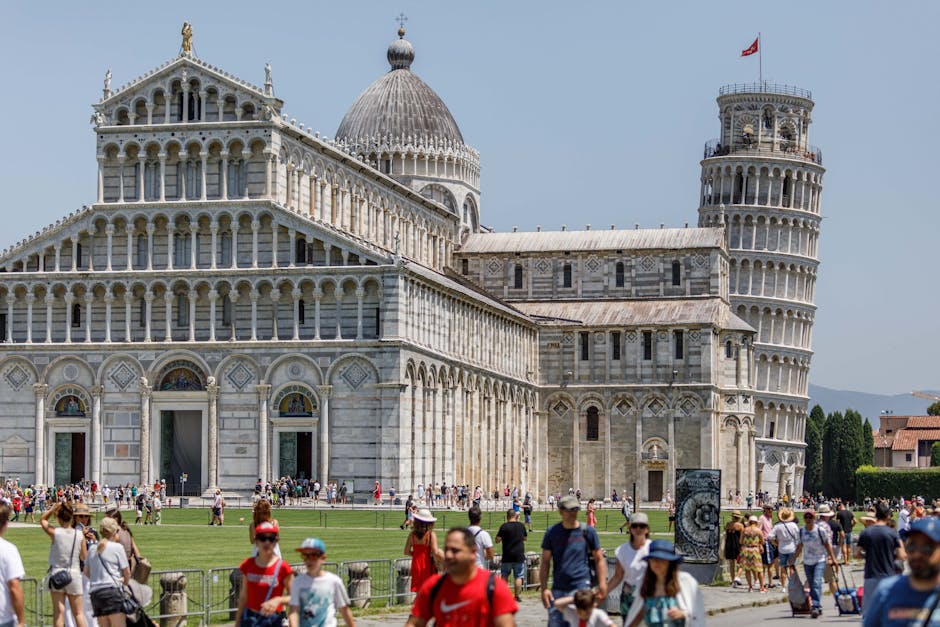
Before you start the castle route, most itineraries include a compulsory stop in Pisa itself to get the historical and architectural context. The Piazza dei Miracoli (Piazza del Duomo, 56126 Pisa PI) groups the major monuments: the Cathedral of Santa Maria Assunta (Duomo di Pisa), the Baptistery of San Giovanni and of course the Leaning Tower (Torre di Pisa). Exact address: Piazza del Duomo, 56126 Pisa PI. Indicative opening hours: Duomo 10:00–19:00, Baptistery 10:00–19:00, Leaning Tower 09:00–20:00 (longer hours in high season). Indicative prices: a full Piazza dei Miracoli ticket around €20 for the Tower; Duomo entry is often free but access can be included in a named ticket costing €5–10 depending on options. It’s highly recommended to book your Leaning Tower visit in advance on the official website to avoid queues and to respect strict time slots.
Another highlight in Pisa is the Camposanto Monumentale on the same square, where frescoes and tombstones tell stories of the medieval past. Address: Piazza del Duomo, 56126 Pisa PI. Hours: generally 10:00–18:00. Prices: often included in the combined Piazza dei Miracoli ticket, otherwise €5–10.
Practical tips for city visits: allow extra time for access checks at the Tower, book morning slots if you want soft light on the monument, and avoid the midday heat in summer. The streets around the Piazza are largely pedestrianized; wear comfortable shoes since paving is marble and cobbled and can be uneven. If you arrive by car use station lockers and official car parks (for example Parcheggio Piazza Vittorio Emanuele II, 56125 Pisa PI).
Click here to book a complete Piazza dei Miracoli tour with climb
Three major castles to visit around Pisa (with practical details)
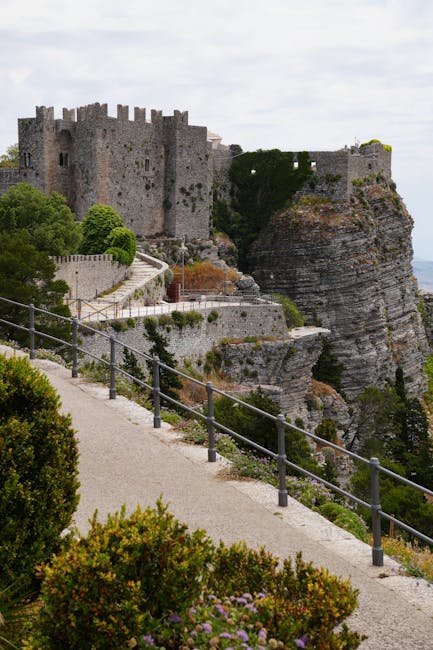
1) Castello dei Vicari (Lari) — Address: Piazza del Castello, 56035 Lari PI. Description: Dominated by a curtain wall and a tall tower, the Castello dei Vicari was once the seat of the vicari medicei and now houses restored rooms, exhibitions about lordly life and a sweeping panorama over the Era valley. Indicative hours: guided tours available on weekends 10:30–17:30 (high season), and by appointment on weekdays. Prices: museum & tower entry €8.00 adult, €5.00 reduced for youth, free for children under 6. Practical tip: take a guided tour to really understand the Vicari’s history; bring a warm layer if you visit the tower later in the day (it can be windy). The village of Lari is also known for its handmade ceramics and small trattorie.
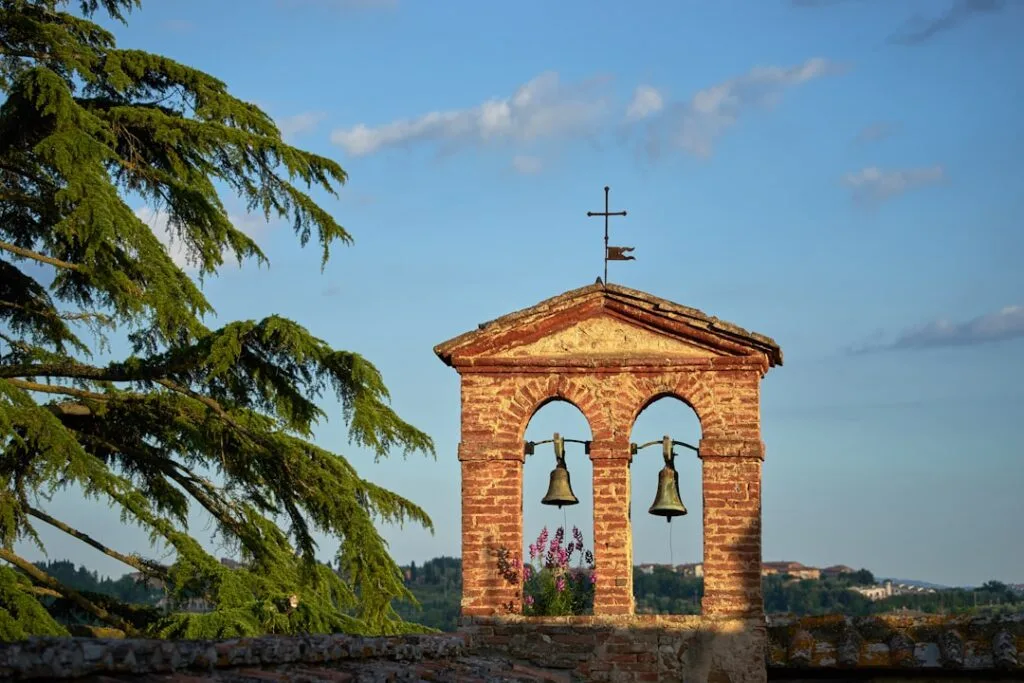
2) Certosa di Pisa (Certosa di Calci / Museo Nazionale della Certosa) — Address: Via Roma 79, 56011 Calci PI. Description: The former Carthusian monastery of Calci has been turned into a museum of natural history and a heritage site, with cloisters, chapels and collections. The meditative monastic architecture contrasts with the military fortresses — a perfect spot for a contemplative break. Hours: generally 10:00–18:00 (closed some Mondays off season). Prices: Museum + Cloister about €6.00–8.00 adult, reduced rates for students and seniors. Tip: pair the visit with a walk in the Valle della Pieve and the Pisani mountain range for dramatic views. Access by car recommended; there’s parking on site.
3) Castello di Ripafratta — Address: Via del Castello, 56017 San Giuliano Terme (Ripafratta) PI. Description: A very photogenic medieval fortress, partially in ruins and perched above a small village, it’s a good example of rural defense and has a wilder, more atmospheric feel than fully restored castles. Hours: free outdoor access all day; occasional guided tours by appointment. Prices: grounds are free; guided tours typically €3.00–5.00 per person depending on the local organizer. Tip: best visited at sunset for dramatic shadow play on the battlements; wear good shoes for the trails and respect private property in parts.
Click here to book a guided walking tour to discover Pisa
Suggested itinerary and unmissable activities (day trip and multi-day options)
Sample day itinerary from Pisa (car recommended): depart 09:00 from Piazza del Duomo; 09:30–11:00 quick visit to the Leaning Tower and Duomo (if not done the day before). 11:15 depart for Lari (about 35–40 min, 30 km). 12:00–14:00 visit Castello dei Vicari + lunch at Osteria Il Vicari (a small local spot serving Tuscan dishes, expect €15–30 per person). 14:30 depart for Calci (about 25 min). 15:00–17:00 visit the Certosa di Calci and the Museo Nazionale della Certosa (stroll the cloister, see the exhibits). 17:15 head to Ripafratta (about 20–25 min). 18:00–19:00 photo stop at Castello di Ripafratta for sunset shots. Return to Pisa around 19:30–20:00.
2–3 day itinerary: add San Miniato (Rocca di San Miniato, Piazza Buonaparte 1, 56028 San Miniato PI — outstanding viewpoints, tours and truffle markets in season), Volterra (for a deeper dive into medieval times) and Pontedera (for local museums). Accommodation: choose a base in Pisa (3-star hotels around Via Santa Maria, 56126 Pisa PI) or stay at an agriturismo in the countryside (typical rates €60–120 per night depending on season).
Complementary activities: pottery workshops in Lari, local markets (San Miniato market on weekends), wine tastings at small family-run cellars (reservations recommended). Photographers: best light is early morning and late afternoon; to avoid crowds visit castles in late autumn or early spring.
Click here to book a San Miniato organic wine tasting experience
Click here to join a Pisa wine tasting with local pairings
Practical tips: transport, food and safety
Transport: a car is the most flexible way to follow a castle route from Pisa. Rent at Aeroporto di Pisa (Aeroporto Galileo Galilei, Via G. Galilei, 56121 Pisa PI). By train, some destinations (Calci via Pontedera or San Miniato) require connections and local buses; check Trenitalia timetables and bus lines in the Province of Pisa. Parking: use official city car parks (Parcheggio Pisa Centrale, Piazza Vittorio Emanuele II) and the designated car parks near sites (many castles have free or low-cost parking).
Food: try rustic Tuscan cuisine — ribollita, pici al ragù, pecorino di Pienza and local extra virgin olive oil. Recommended addresses: Trattoria Da Gino, Via Roma 12, 56035 Lari PI (traditional dishes, average price €20–35), Osteria della Certosa, Via Roma 79, 56011 Calci PI (regional menus €18–30). For wine, ask for local denominations (I.G.T. Monti Pisani and wines from San Miniato).
Safety and respect: Tuscany is generally safe but respect historic sites (don’t climb unauthorized walls), stick to marked trails and consult local tourist offices for access rules. Bring water, a small first-aid kit and a portable charger for your phone. Also respect opening hours: many medieval sites close for a lunch break or have shorter hours off season.
Conclusion — Why the castle route from Pisa is a one-of-a-kind immersion
The castle route around Pisa delivers a balanced experience of iconic monuments and tucked-away gems. By combining a stop at the Piazza dei Miracoli and the Leaning Tower with visits to Lari, Calci and Ripafratta, you’ll craft an itinerary that blends history, landscapes and flavors. Each castle tells a different chapter of Tuscan history: feudal power, monastic spirituality and rural defense. The precise addresses, hours and prices provided let you plan with confidence, but always allow wiggle room for the unexpected and the spontaneous discoveries — those are often the best memories.
Beyond the stone, meeting local artisans, tasting trattoria dishes and taking in hilltop panoramas give this route its human dimension. Whether you’re out for a day trip or a multi-day circuit, keep the practical tips in mind (book the Tower, wear comfortable shoes, check opening times) to make the most of your visits. Medieval Tuscany isn’t frozen in time: it lives through the seasons, local festivals and cultural events. Coming back at different times of year will reveal new perspectives — winter light that contrasts with summer sunsets, truffle markets in autumn, cloister concerts in spring.
Get your camera ready, take notes and let curiosity lead: medieval Tuscany from Pisa promises discoveries you’ll read in the stones as well as in the faces and kitchens of village life. Have a great trip and enjoy the castle trail!