





Introduction — Accessible Pisa: World Heritage and Inclusive Mobility
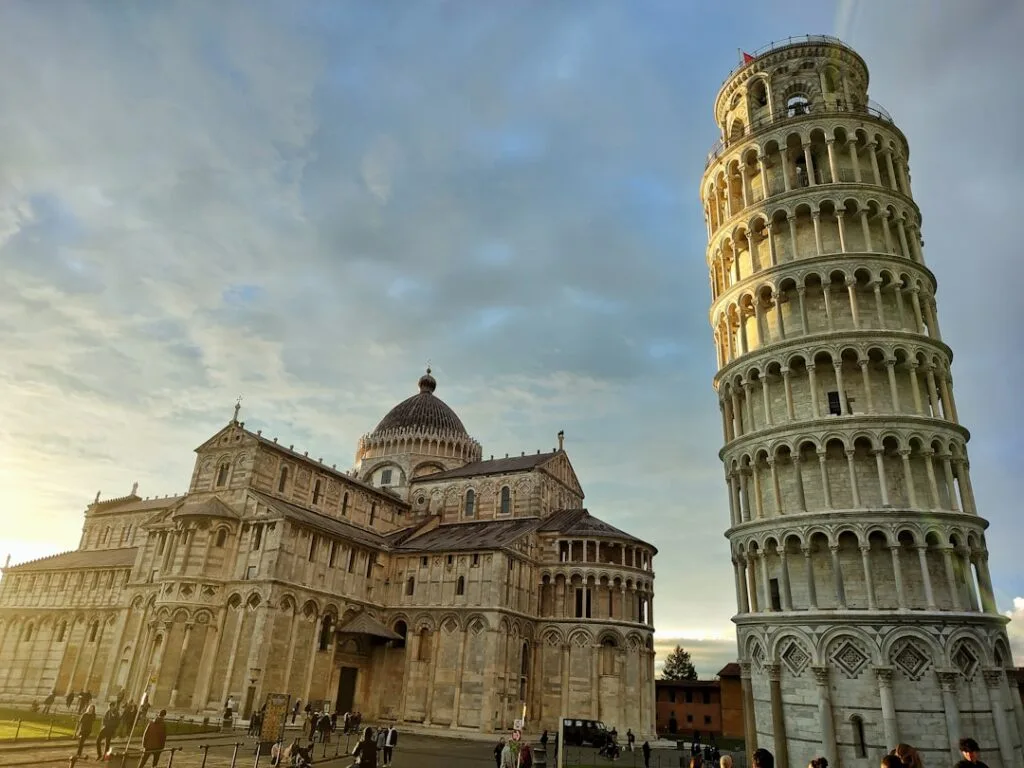
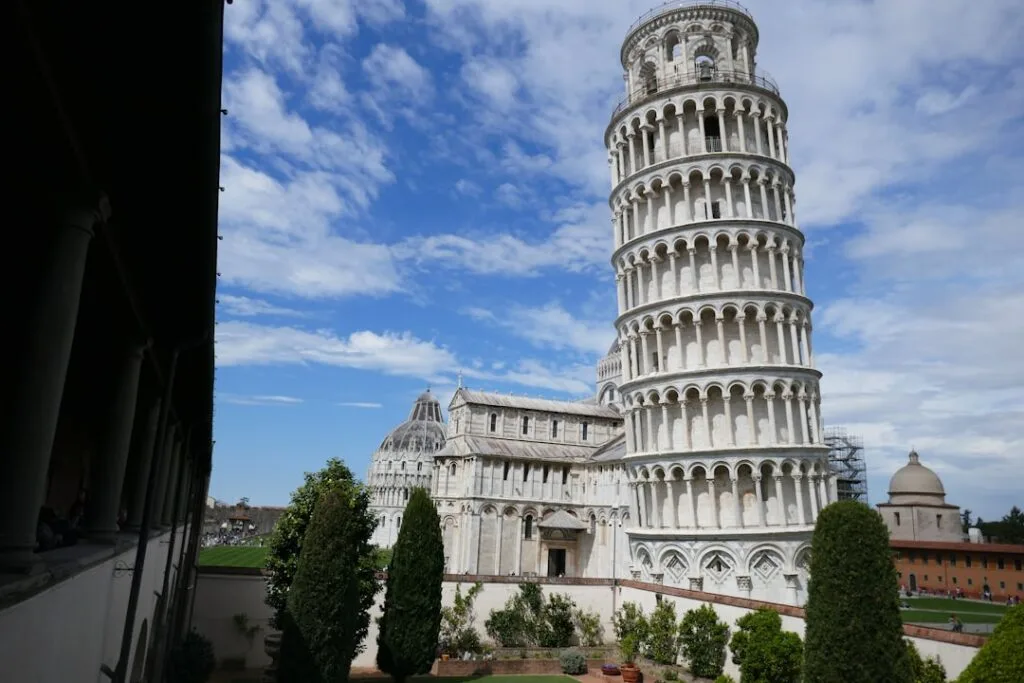
Pisa is one of those Italian cities that seems to concentrate history, art and captivating architecture into a very small area. At the heart of the Tuscan city, the Piazza del Duomo (also called Piazza dei Miracoli) hosts the famous Torre Pendente di Pisa — the Leaning Tower of Pisa — surrounded by the Duomo di Pisa (Cathedral of Santa Maria Assunta), the Battistero di San Giovanni and the Camposanto Monumentale. For travelers with reduced mobility, Pisa offers real opportunities for access and discovery, but visiting requires specific planning and practical, up-to-date information. This article focuses on accessible visits to the Leaning Tower and on urban and intercity mobility: how to arrive, get around, visit the major monuments safely and comfortably, and enjoy alternative experiences if physical access to some sites is limited.
We will cover not only exact addresses and opening hours of must-see places, but also prices in euros, the accessibility features available (ramps, lifts, assistance and adapted tours), and local practical tips — from advance booking to the best flat routes for wheelchairs and people with reduced mobility. In this guide you will find concrete recommendations for arrival at Galileo Galilei International Airport, transfers to Pisa Centrale train station, use of public transport (buses and shuttles), as well as inclusive, low-impact mobility options such as accessible taxis and rental services for wheelchairs and electric scooters.
Finally, we describe alternatives and sensory visits for those who can’t climb the 294 steps of the Tower: accessible adjacent monuments, small-group guided tours, exhibitions at the Museo dell’Opera del Duomo and multimedia resources (virtual tours, easy-language audio guides and braille options) that help you fully experience Pisa. Whether you’re traveling in a wheelchair, with a stroller, are older, or simply prefer a relaxed pace, this dossier aims to make your trip to Pisa safer, more enjoyable and genuinely inclusive.
 Click here to book your tickets for the Piazza dei Miracoli monuments
Getting to Pisa: accessible airport, stations and transfers
The first step in planning an accessible visit to Pisa is organizing your arrival. The city’s main international access point is Aeroporto Internazionale Galileo Galilei (Pisa Airport), located at: Piazza del Padre Agostino Paoletti, 56124 Pisa PI, Italy. The airport offers assistance services for passengers with reduced mobility (PRM) on request when booking your flight or by contacting the airline. It’s recommended to request assistance at least 48 hours before the flight if it hasn’t been confirmed. The terminal is compact and largely accessible: lowered curbs, ramps and adapted restrooms. An automated shuttle, the PisaMover, links the airport to Pisa Centrale station. PisaMover runs approximately every 8–10 minutes and the ride takes about 5 minutes; the price is usually around €2.70 one way (check the current fare at the counter or on the official site).
The main train station is Pisa Centrale, address: Piazza della Stazione, 56125 Pisa PI, Italy. The station has lifts and accessible platforms; station staff can help with boarding and disembarking regional and InterCity trains. If you’re coming to Pisa from Florence, Rome or Livorno, several regional and high-speed trains serve the station: for example, a regional train from Florence Santa Maria Novella to Pisa Centrale takes about 50–70 minutes and costs between €8 and €15 depending on the train type. Book high-speed trains in advance online, and notify the operator if you need assistance boarding.
Once at Pisa Centrale, Piazza dei Miracoli is about 2 km away (roughly a 20–30 minute walk for an able-bodied person). For visitors with reduced mobility, several options are available:
- Urban bus: city lines (operated by CPT / Autolinee Toscane) serve the area; some routes and stops close to Piazza del Duomo have lowered access and reserved spaces for wheelchairs. Indicative price: €1.20–€2.00 for a single city journey.
- Taxis: available outside the station (taxi rank). Prioritize companies that advertise “accessible” vehicles and book ahead if you need an adapted vehicle. Station → Piazza del Duomo fares: about €10–€15 depending on traffic.
- Private shuttles and transfers: private transfer services often offer adapted vehicles by reservation; expect about €20–€40 depending on vehicle size and pick-up point.
- Wheelchair / scooter rental: several local firms in Pisa rent day or week-long mobility equipment; prices vary (around €15–€40 per day for an electric scooter, manual wheelchairs often cheaper).
Click here to book a half-day Pisa tour from Florence
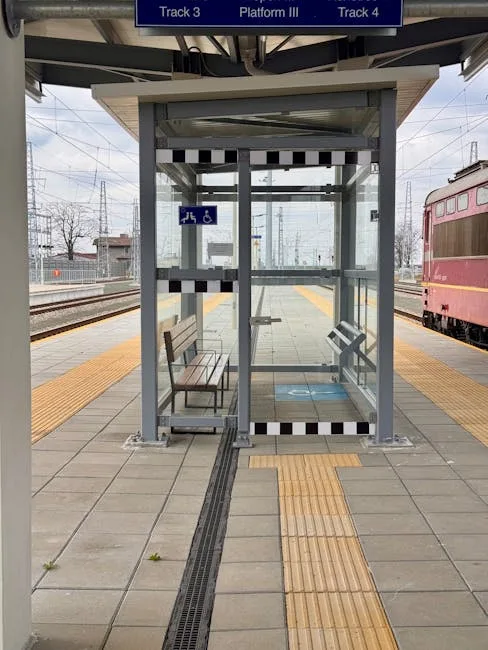
Practical tip: pre-book assistance at the airport and station at least 48 hours in advance through your airline and through Trenitalia or Italo customer service if you travel by train. Keep confirmations printed or on your phone, and note local emergency numbers: the Polizia Locale di Pisa (main municipal number) and the station’s switchboard. If in doubt, the tourist offices at Piazza del Duomo can point you to accessible services and provide tactile maps and large-print information.
The Piazza dei Miracoli and monument accessibility: Duomo, Baptistery, Camposanto, Museum
Piazza dei Miracoli (Piazza del Duomo) is the soul of Pisa’s historic center. Exact address: Piazza del Duomo, 56126 Pisa PI, Italy. It’s a broad green, paved space surrounding the main monuments: the Cattedrale di Santa Maria Assunta (Duomo di Pisa), the Battistero di San Giovanni, the Torre Pendente di Pisa (Leaning Tower of Pisa) and the Camposanto Monumentale. For wheelchair users or people with walking difficulties, the Piazza offers paved, level routes and accessible entry points; however, some paved areas can be uneven — it’s recommended to stick to the main marked paths to avoid gravel and irregular surfaces.
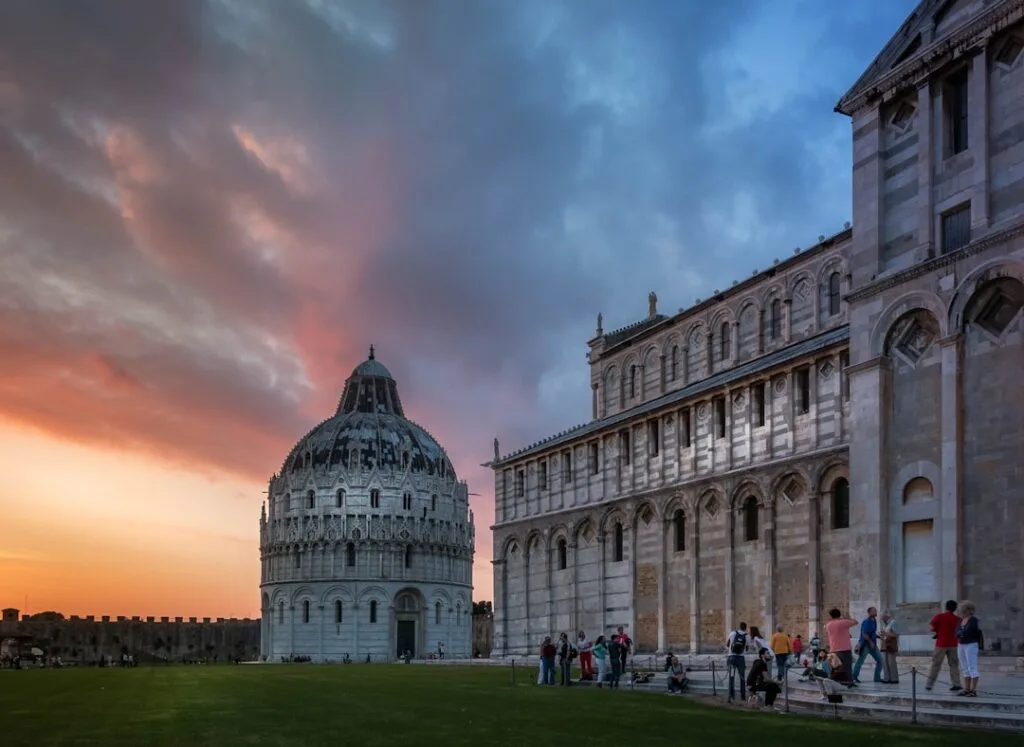
Here are practical accessibility details for each major monument:
- Duomo di Pisa (Cattedrale di Santa Maria Assunta)
Address: Piazza del Duomo, 56126 Pisa PI. Opening hours: generally 10:00–19:00 (hours vary with seasons and religious services). Fees: cathedral entry may be free under certain conditions, but guided tour access or combined tickets can be paid (often included in the « Opera Primaziale » combined ticket of around €5–€7). Accessibility: ramps and lowered thresholds are available; the main nave is accessible. Try to avoid mass times if you want a tourist visit. - Battistero di San Giovanni
Address: Piazza del Duomo, 56126 Pisa PI. Hours: roughly 9:00–19:00 (seasonal). Fees: single ticket around €5–€8; sometimes included in the combined ticket. Accessibility: ramp access and partially accessible interior, but the upper platform is only reachable by stairs. Audio guides available. - Camposanto Monumentale
Address: Piazza del Duomo, 56126 Pisa PI. Hours: 9:00–19:00 (variable). Fees: single ticket around €5–€8; included in the combined ticket. Accessibility: outdoor areas and some rooms are accessible; check temporary exhibitions which may limit access to parts of the site. - Museo dell’Opera del Duomo
Address: Piazza del Duomo, 56126 Pisa PI. Hours: 9:00–19:00 (variable). Fees: individual ticket around €7–€10. Accessibility: the museum provides lifts and routes for PRM, tactile exhibits and reproductions for visually impaired visitors on request.
Click here to reserve the baptistery and cathedral audioguide ticket
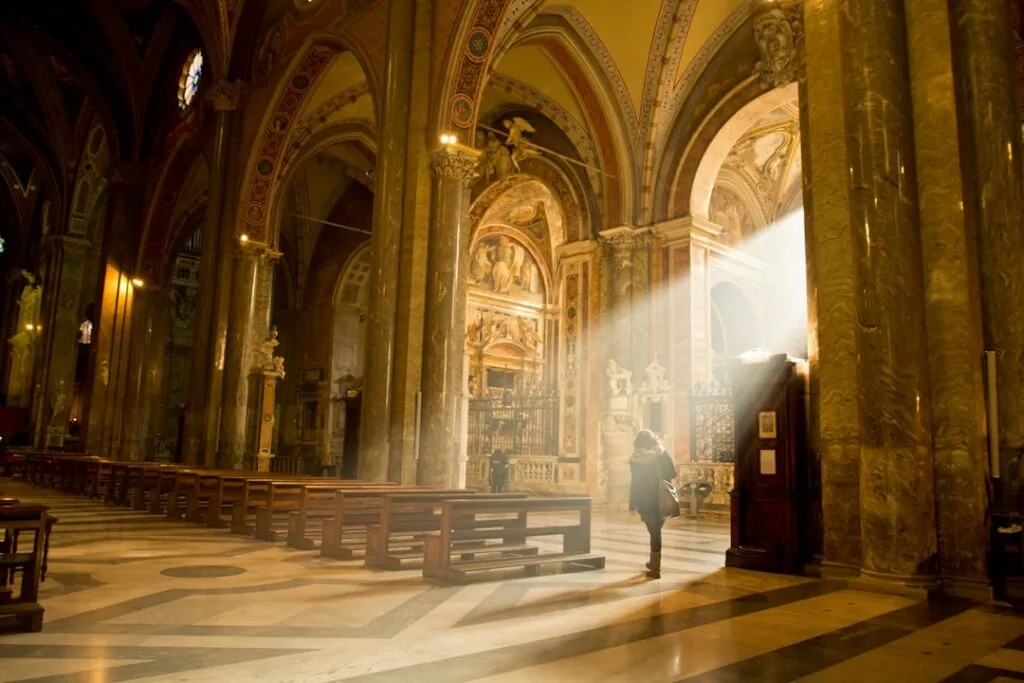
Practical tips: if you use a wheelchair, aim for early morning or late afternoon to avoid crowds and long queues in the sun, which can make getting around more tiring. The information kiosks on the Piazza sell combined tickets (Opera Pass or seasonal « Pisa Card ») that may include multiple monuments and often offer priority entry. Keep any proof of entitlement for reduced fares (disability card, age concession). For visually impaired visitors, ask at the desk for tactile materials and audio guides; for hard-of-hearing visitors, staff can sometimes provide written materials or signed explanations by request and reservation.
Visiting the Torre Pendente di Pisa: restrictions, accessible alternatives and sensory experiences
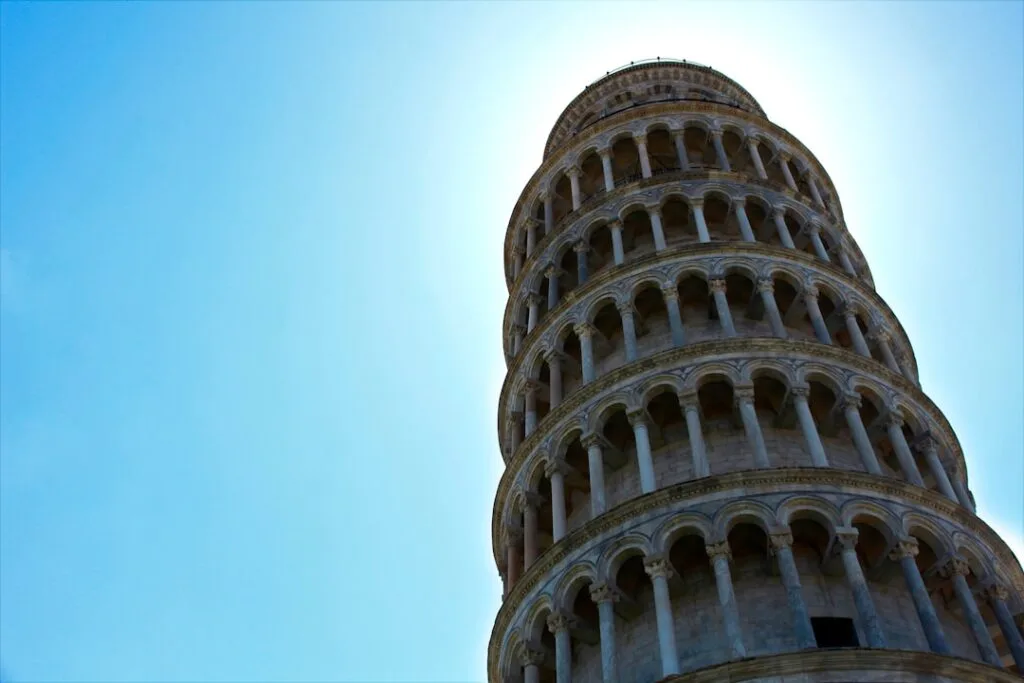
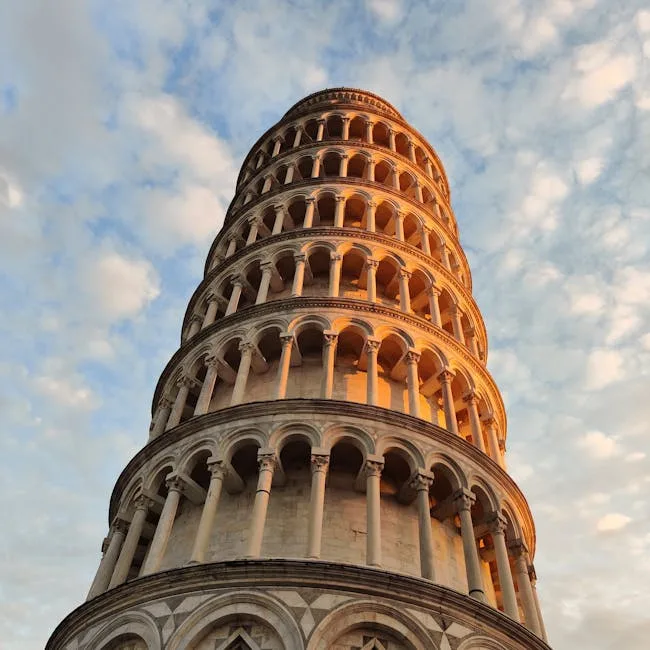
The Torre Pendente di Pisa (Leaning Tower of Pisa) sits in the heart of Piazza del Duomo. Exact address: Torre Pendente, Piazza del Duomo, 56126 Pisa PI, Italy. The Tower is famous for its tilt and attracts millions of visitors each year. Due to its medieval structure — a spiral staircase of 294 steps — interior access is generally prohibited for wheelchair users and people with very limited mobility. Opening hours: typically 9:00–20:00 in summer, reduced hours in low season; last admission is usually 15–30 minutes before closing depending on crowd levels. Fees: Tower entry is usually charged separately, with a price around €20–€25 per person (rates vary by season and time slot). It is strongly recommended to reserve a specific time slot on the official site (Opera della Primaziale Pisana) or via official ticket outlets.
For visitors who can’t climb, several alternatives let you enjoy the Tower’s story and presence:
- Panoramic view from the Piazza: the perspective from the lawn and walkways provides iconic photo points; you can approach the Tower up to the barriers, and these areas are wheelchair accessible. During quieter hours the experience is calmer and better for architectural observation.
- Visit the Museo dell’Opera del Duomo: the museum displays models, drawings and documents explaining the construction, the tilt and the restorations; the route is adapted for PRM.
- Exhibition rooms and multimedia displays: the Opera Primaziale sometimes offers 360° videos, interactive screens and audio guides that reproduce the climb and the view from the top — an ideal experience for those who can’t go up.
- Adapted guided tours: some local agencies provide « accessible-friendly » tours with guides trained to adapt narration, use flat routes and employ tactile and audio tools to illustrate the Tower.
Practical tips for the Tower:
- Book your time slot online via the official Opera della Primaziale Pisana site to avoid long queues; tickets are often date- and time-stamped.
- If accompanied, purchase a ticket for the companion if required — some reductions exist for disability card holders and sometimes a free companion is allowed, but documentation must be shown at the desk.
- Bring water and non-slip shoes if you climb; the Tower is cool inside but the steps can be narrow and worn.
- If the climb isn’t possible, ask the ticket desk about digital resources (videos, panoramic views) and whether staff can provide an escorted exterior visit with detailed explanations.
Click here to book timed entry to the Leaning Tower and cathedral
Getting around Pisa: public transport, bikes, sidewalks and accessible taxis
Getting around Pisa is generally easy if you plan according to your needs. The city is relatively compact, but some areas require special attention for people with reduced mobility. Here’s an overview of mobility options and practical tips:
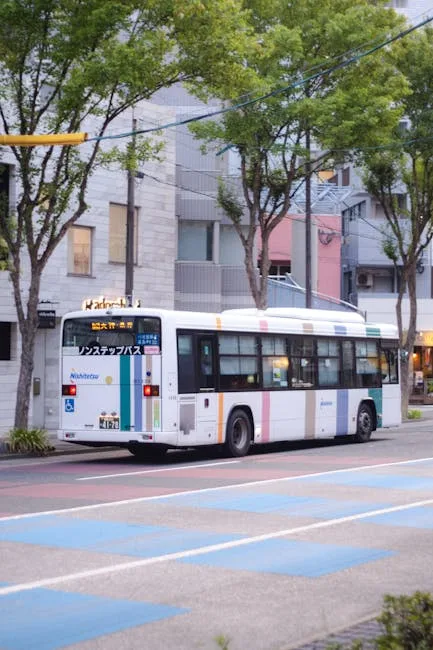
Public transport: the urban bus network is run by Autolinee Toscane (formerly CPT). Important stops for tourists include Piazza dei Miracoli, Pisa Centrale (Piazza della Stazione, 56125 Pisa) and the historic center (Corso Italia, Borgo Stretto). Modern city buses are often low-floor and have wheelchair spaces; however, not every line guarantees perfect access, so check routes on the map or ask the driver. Price: a single ticket is about €1.20–€2.00, with limited validity (around 70–90 minutes depending on type). Tickets are sold at kiosks, Tabacchi shops or via mobile apps. Remember to validate your ticket on board.
Bikes and scooters: Pisa is bike-friendly with many lanes and slow-traffic routes, but the historic center has pedestrian zones and cobbles. For travelers using electric wheelchairs or mobility scooters, some rental companies offer adapted models; check battery range and sidewalk widths. Traditional bikes can be rented from shops like « Pisa Bike Rental » near the station (addresses and prices vary by season, around €8–€15 per day).
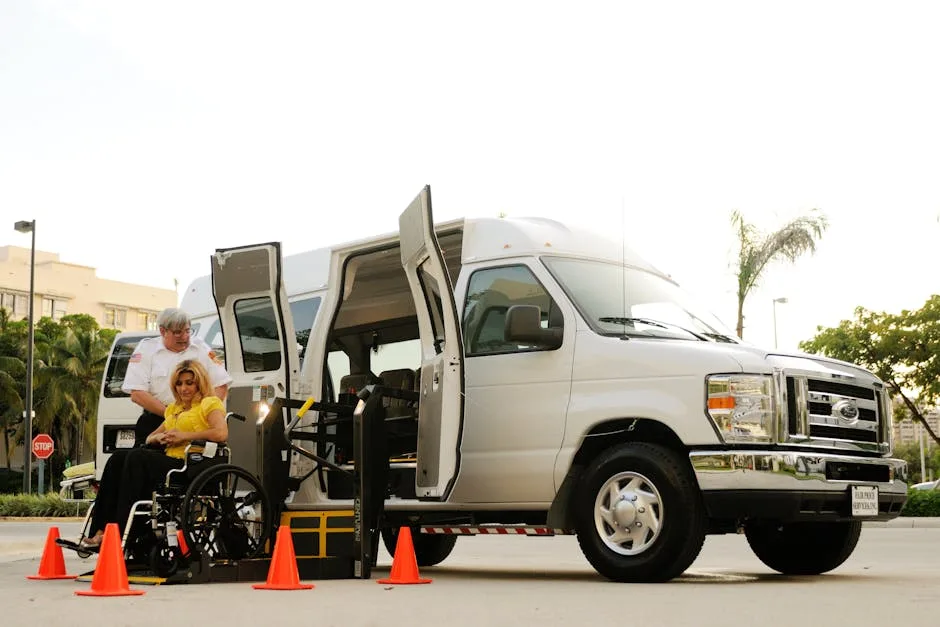
Taxis and ride-hailing: the local taxi service (rank in front of the station) offers adapted vehicles by reservation. Recommended companies: Radio Taxi Pisa (phone number to be checked locally or via the tourist office), approximate fares for a short city ride €6–€15. For accessible VTC or private transfer services, book in advance to guarantee an adapted vehicle.
Click here to book a self-guided bike tour to the sea
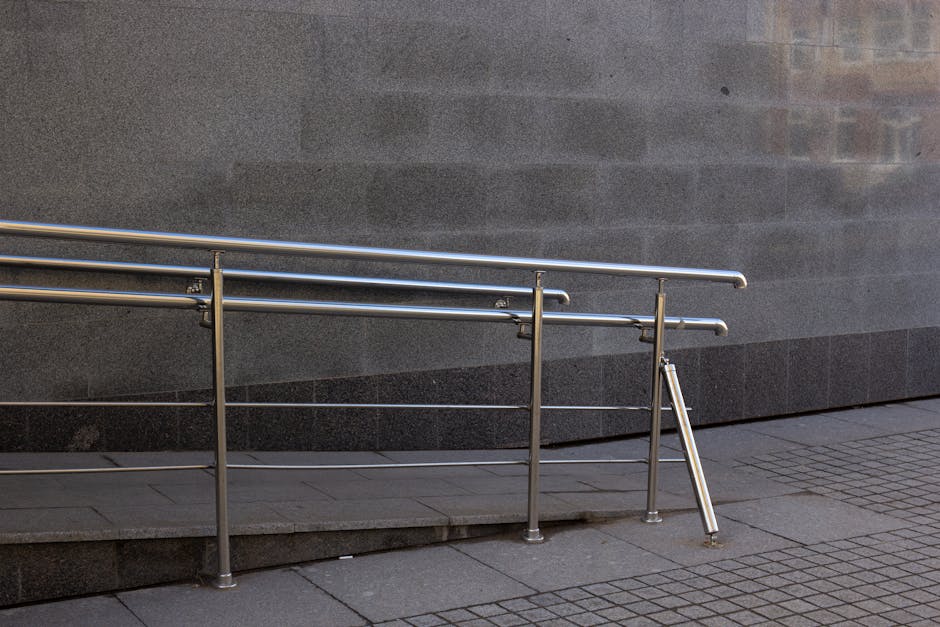
Sidewalks and routes: although the center is historic, the municipality has installed access ramps at main pedestrian crossings (notably around Piazza del Duomo). However, some secondary streets remain cobbled and uneven; to avoid uncomfortable sections, follow main axes: Corso Italia, the Lungarno (riverfront) and official approaches to Piazza dei Miracoli. Parks and public gardens like Giardino Scotto have level paths that are good for resting and relaxing.
Practical tip: download local transport apps and a PDF map of the center (Tourist Office – Ufficio I.A.T. Pisa, Piazza del Duomo) to locate lifts and ramps. Carry a paper map with addresses and a local contact number (hotel or agency) in case your smartphone runs out of battery.
Accessible accommodations and local services: hotels, restaurants and healthcare
Choosing suitable accommodation is key to a relaxed visit to Pisa. Below are typical options and booking tips:
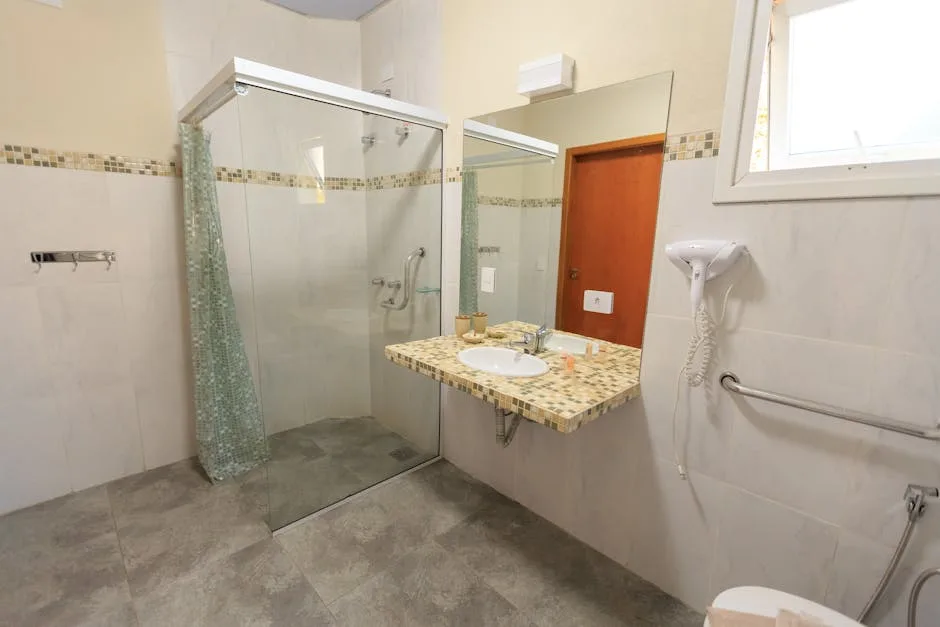
- Hôtel NH Pisa (example standard) — Address: Lungarno Pacinotti, 1, 56100 Pisa PI. Usually offers accessible rooms with adapted bathrooms and an elevator. Prices: accessible double rooms from about €90–€140 depending on season.
- Hotel Bologna Pisa — Address: Via Mazzini, 57, 56125 Pisa PI. Central and accessible property near the station. Prices: €70–€120 per night for an accessible room in low/shoulder season.
- B&B and accessible apartments: many B&Bs and apartments (via rental platforms) indicate accessibility in their profile; check door widths, step-free access and the presence of an accessible shower.
Restaurants and cafés: Pisa is full of trattorie and osterie; several venues along the Lungarno and near Piazza dei Miracoli are level-entry or equipped with ramps. Try places like « La Pergoletta » (Via del Carmine, 5) or « Osteria dei Cavalieri » (Piazza dei Cavalieri, 5) — check access before you go, especially if you have specific needs. Average meal price: €12–€30 per person depending on dish and wine.
Medical services and pharmacies: note the location of an on-call pharmacy and the hospital Azienda Ospedaliero-Universitaria Pisana (Ospedale Cisanello) at Via Paradisa, 2, 56124 Pisa PI for emergencies or specialized medical needs. Central pharmacies (Farmacia Centrale) are near the station and the historic center; hours vary, some are open late or provide continuous emergency service.
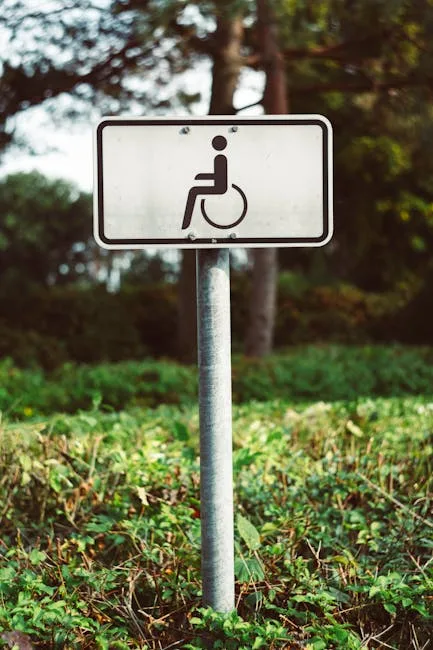
Practical tip: when booking, always request written confirmation (email) of the promised adaptations (accessible room, walk-in shower, lift, breakfast service at the chair). Higher-category hotels often have staff trained to assist guests with reduced mobility, but small B&Bs can sometimes surprise with exceptional hospitality — clear prior communication is essential.
Inclusive experiences and sensory activities around the Leaning Tower
If climbing the Tower is impossible, Pisa offers many sensory and inclusive alternatives so everyone can enjoy its history and atmosphere. Here are some adapted activity ideas:
- Adapted guided tours: several certified local guides offer « accessible-friendly » tours that include frequent rests, visual and tactile storytelling, and large-print or audio materials. These tours cover Piazza dei Miracoli, fresco histories and the tower’s stabilization works.
- Museo delle Sinopie and Museo dell’Opera del Duomo: exhibitions and scale models explain construction techniques and restoration. These museums often have ramps and lifts; ask for tactile reproductions and audio guides for a fuller experience.
- Riverside itineraries along the Arno: accessible promenades along the Arno (Lungarno Pacinotti, Lungarno Mediceo) offer views, cafés and photo spots without the constraints of historic cobbles.
- Cultural workshops and tastings: adapted Tuscan cooking classes (adjustable worktop heights) or cheese and wine tastings with assistance provided to reach tables and participate comfortably.
Click here to book a guided cathedral tour with wine tasting
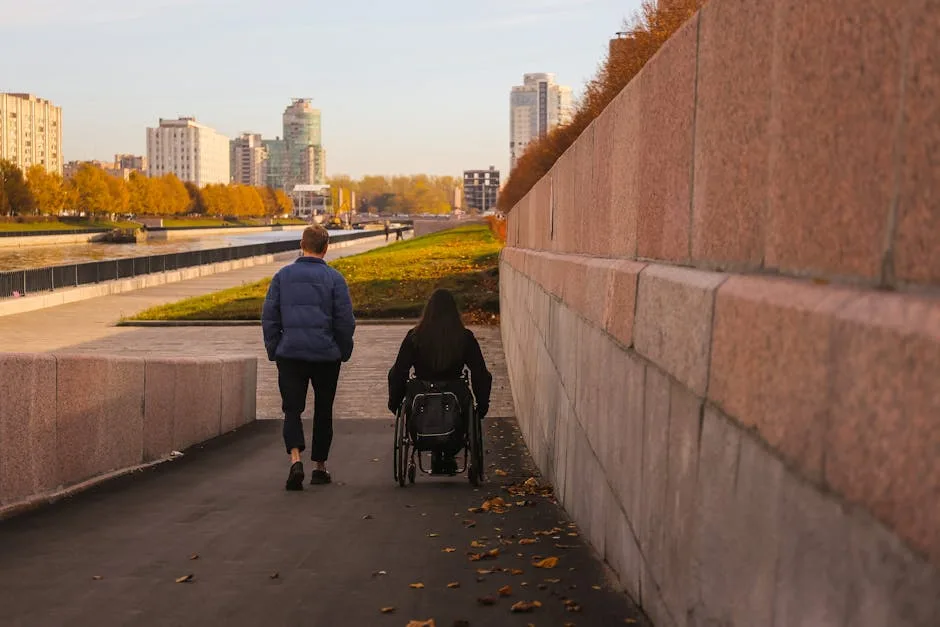
Practical tip: contact activity operators (workshops, guided tours, museums) in advance to request necessary adaptations — sign language interpreters, visual supports, written translations, high chairs or reserved wheelchair spaces. Local tourist offices (Ufficio Informazioni e Accoglienza Turistica – Piazza del Duomo) can help book and coordinate these services.
Final local tips: preparations, safety and smart habits
Here’s a concise checklist of local tips and checks to make before and during your stay in Pisa to optimize your accessible visit:
- Book in advance: tickets for the Tower and museums, assistance at the airport and station, accessible taxi, rental equipment (electric wheelchair / scooter).
- Documentation and proof: disability card, prescriptions, companion assistance cards (if a free companion is allowed), booking confirmations printed or digital.
- Choose the right times: favor early morning or late afternoon to avoid crowds and summer heat.
- Hydration and comfort: Pisa can be hot in summer; bring water, a hat, sunscreen and necessary medications.
- Useful numbers: Police (113), Carabinieri (112), medical emergencies (118), local taxi/Radio Taxi Pisa (number to check locally or via the hotel).
- Language: tourist staff often speak English; a few phrases in Italian help: « Ho bisogno di assistenza » (I need assistance), « Ascensore accessibile? » (accessible lift?).
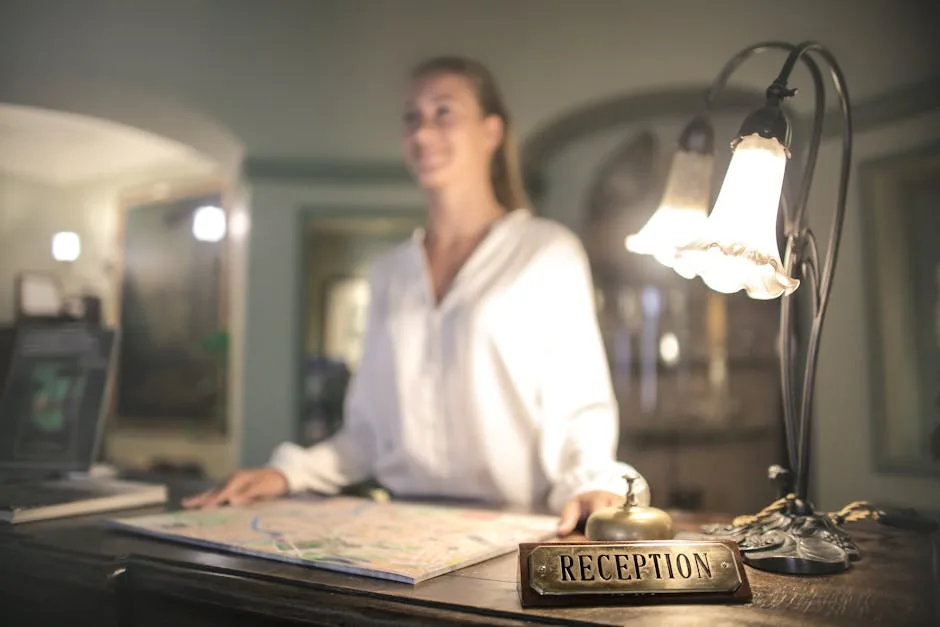
Keep in mind that Pisa is evolving in terms of accessibility: local authorities are gradually investing in inclusive infrastructure, but caution and preparation remain your best allies. Check with your accommodation and operators for the latest information at the time of travel.
Official resources and useful contacts
For official and up-to-date information:
- Opera della Primaziale Pisana — ticketing and information for the Leaning Tower and the Piazza del Duomo complex. Address: Piazza del Duomo, 56126 Pisa PI. Check the official site or the local tourist office for reservations and opening hours.
- Aeroporto Internazionale Galileo Galilei — PRM assistance and PisaMover. Address: Piazza del Padre Agostino Paoletti, 56124 Pisa PI.
- Pisa Centrale — main railway station, Piazza della Stazione, 56125 Pisa PI.
- Ufficio Informazioni e Accoglienza Turistica (IAT) – Piazza dei Miracoli — for accessible maps, tickets and local assistance.
Conclusion — Inclusive travel in Pisa: plan, adapt, enjoy
Pisa is a great choice for travelers who want to combine historical beauty, compactness and intense cultural experiences. For visitors with accessibility needs, the city now offers real possibilities — transfers from the airport via PisaMover, equipped train stations, low-floor buses, museums and institutions that provide adapted routes and multisensory supports. However, a successful inclusive visit depends on careful preparation: book assistance services in advance, check updated opening times and prices, choose suitable accommodation and keep alternatives in mind for monuments like the Torre Pendente di Pisa, where interior access may be restricted for structural reasons.
The proposed alternatives (museums, interactive exhibitions, accessible viewpoints, riverside walks and adapted workshops) ensure that no one has to miss out on discovering Pisa. Local staff, from higher-end hotels to independent guides, are often willing to go the extra mile to facilitate your experience; clear and prior communication of your needs will avoid misunderstandings and secure the best service. In short: plan, inform yourself and enjoy — Pisa has a lot to offer all visitors, and with the right steps, the experience of the Leaning Tower and Piazza dei Miracoli can be rich, educational and memorable for everyone.