





Introduction
Pisa is more than a tilted tower posed for photos all year round: the city hides characterful neighborhoods, narrow streets where local life unfolds, and little treasures that tell the story of its maritime and academic past. Away from the crowds clustered around the Torre Pendente di Pisa, there are walks that blend medieval architecture, lively cafés, baroque churches and the banks of the Arno where Pisans stroll at any hour. Discovering Pisa through its authentic neighborhoods means hearing the ripple of boats, smelling freshly ground coffee, and lingering in secondhand bookstores or family-run trattorie serving hearty Tuscan fish soup.
This article offers a sensory, detailed route: exact addresses, prices in euros, opening hours and local tips to make the most of each neighborhood. You’ll find suggestions for the Piazza dei Miracoli, Borgo Stretto, the Lungarno embankments, the San Martino quarter, Piazza dei Cavalieri and Trambacche — places that reveal the real Pisa, far from the clichés. The descriptions include immersive details to help you picture the moment: the shadow cast by a bell tower at dusk, the warm stone of a square, a pastry shop window overflowing with biscotti.
As you read on, you’ll also learn how to optimize your visits: the best light for photos, times when sites are less busy, and practical advice — transport, combined tickets, and food recommendations. Whether you have half a day or several days, these neighborhoods compose a coherent story of Pisa, between university memory and daily life. Lace up comfortable shoes, bring a small map and a sense of curiosity: we’re off to discover an authentic Pisa, away from queues but close to the people who live here.
 Click here to book your tickets for the Square of Miracles
Piazza dei Miracoli and the Surroundings: More Than the Tower
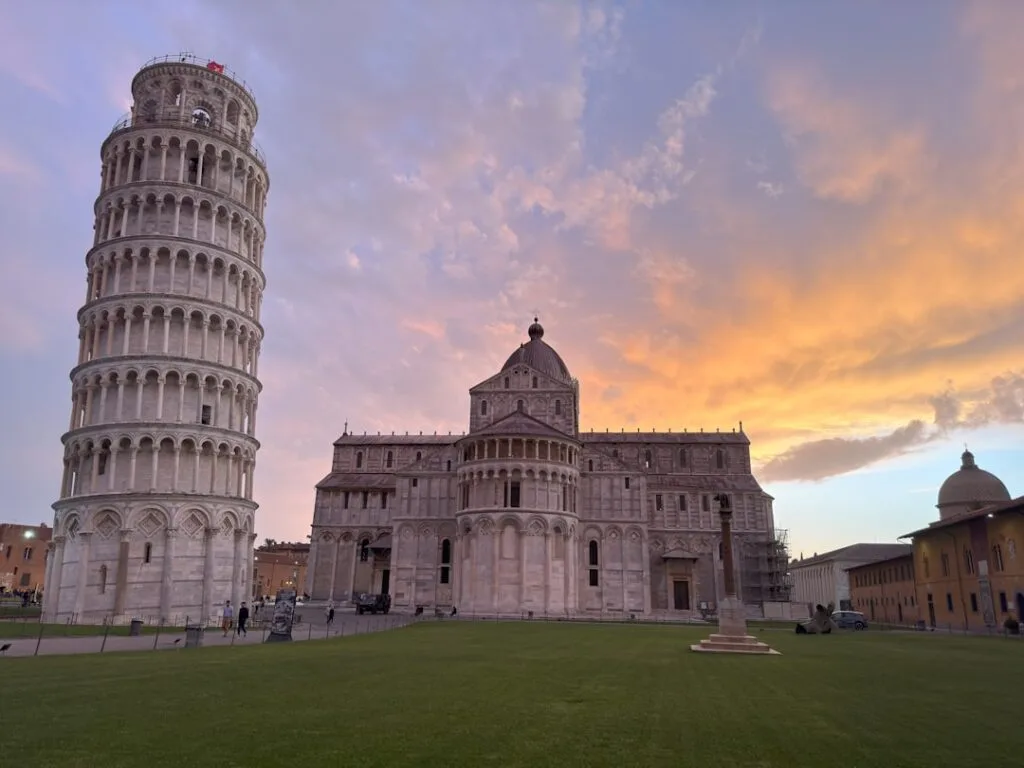
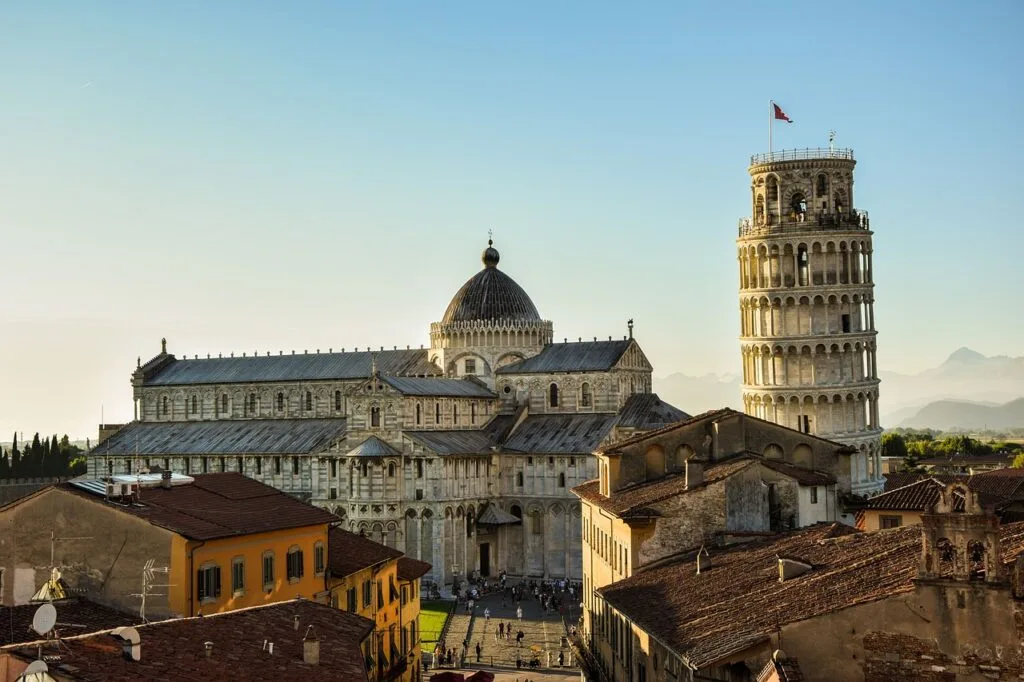
The Piazza dei Miracoli (also called Piazza del Duomo) is Pisa’s monumental epicenter. Address: Piazza del Duomo, 56126 Pisa PI, Italy. This square brings together several major landmarks: the Torre Pendente di Pisa (Leaning Tower of Pisa), the Duomo di Pisa (Cathedral of Santa Maria Assunta), the Battistero di San Giovanni (Baptistery) and the Camposanto Monumentale (monumental cemetery). The sensory feel of the square shifts with the hour: in the morning the white marble reflects a crisp, cool light; in the evening it warms to golden tones.
Opening times and prices (indicative, check before you go):
- Torre Pendente di Pisa — Access address: Piazza del Duomo, 56126 Pisa. Price: around €20 to climb (standard adult). Hours: typically 09:00–20:00 (extended hours in summer). Entry is managed by time slots, so book in advance.
- Duomo di Pisa (Cattedrale di Santa Maria Assunta) — Free entry to the main monumental area (religious services may limit access), but access to the treasury and certain areas may be included in a combined ticket costing about €5–€10. Hours: roughly 09:00–19:00.
- Battistero di San Giovanni — Address: Piazza del Duomo. Price: about €5–€7. Hours: often 10:00–18:00.
- Camposanto Monumentale — Address: Piazza del Duomo. Sometimes included in the combined ticket (≈ €7–€10). Hours: variable but close to the Cathedral’s schedule.
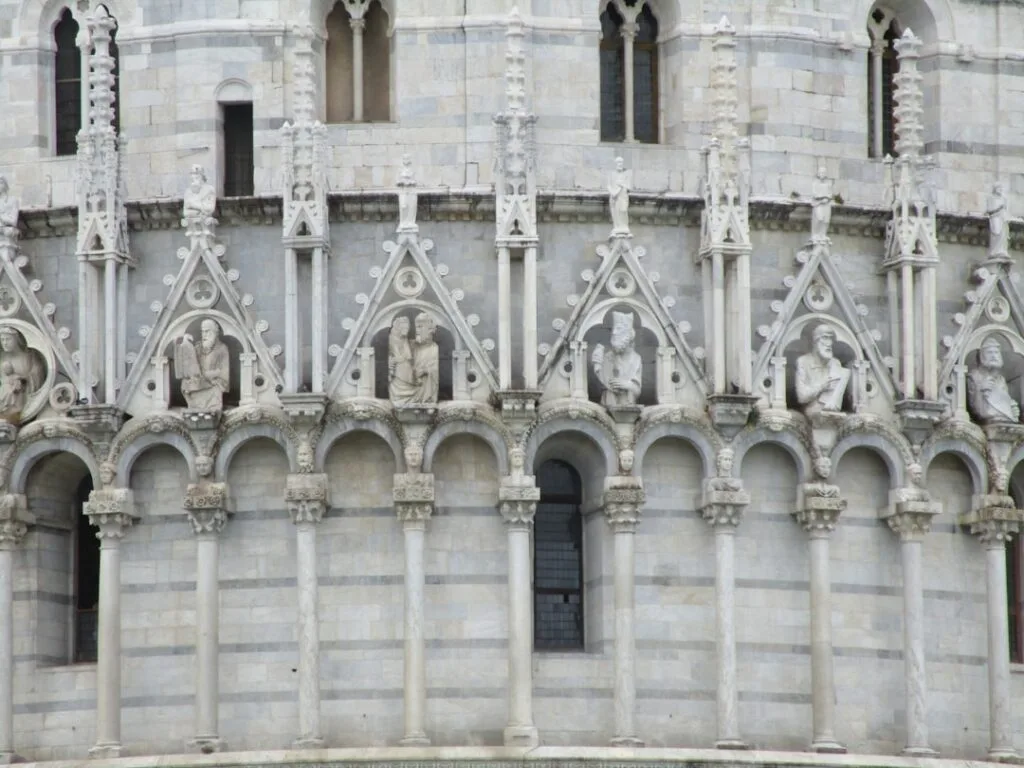
Practical tips: arrive early (8:30–9:00) to avoid most tour groups and enjoy soft light on the cathedral façade. Buy your Tower tickets online in advance — the number of visitors allowed at the top is limited and slots fill quickly during high season. Take the time to study the marble patterns on the cathedral, the reliefs on the portal and the Camposanto frescoes, often missed by those who leave after a quick selfie with the Tower. For a photogenic angle, position yourself on the south lawn at sunset — the Tower stands out against a colorful sky and shadows carve the arches.
Click here to visit the Square of Miracles and climb the tower
Borgo Stretto and the Historic Center: Artisans, Bookshops and Cafés
Borgo Stretto is one of the most emblematic streets in Pisa’s historic center. Main address: Via Borgo Stretto, 56125 Pisa (the central stretch between Piazza dei Cavalieri and Ponte di Mezzo). Here the medieval arcades house shops, old bookshops, traditional cafés and artisan workshops. The street is perfect for feeling the city’s daily rhythm: hurried students, retirees basking on benches, and shopkeepers who know many regulars by name.
Points of interest and addresses:
- Mercato delle Vettovaglie — Address: Piazza delle Vettovaglie, 56125 Pisa. Historic covered market with stalls selling fresh produce, cheeses and breads and cured meats. Hours: generally 07:00–14:00 (closed some afternoons). Free to enter; buy according to your appetite (expect €3–€10 for a local snack).
- La Bottega del Caffè (example cafés) — Via Borgo Stretto 7–15. A good espresso costs about €1–€1.50 at the counter. Ideal for people-watching.
- Libreria Ubik Pisa — Via Corridoni / Piazza delle Vettovaglie (various spots). Large selection of books in Italian and sometimes in foreign languages — great for finding a guide or a novel for the trip.
Immersive tips: stroll here in the early evening when the arcades glow with soft light and terraces fill up. Try cecina (a savory chickpea pancake) and the panino con lampredotto if you find a dedicated stall — classic Tuscan street food to share. For artisan lovers, seek out leather and handmade jewelry shops in the small side streets: many also offer quick repairs. If you want an original souvenir, pick artisanal biscotti or a bottle of local olive oil.
Click here to discover the street food and local specialties
Lungarno and the Arno Quays: Walks by the Water
The Lungarno (the Arno riverbanks) offers one of Pisa’s most poetic routes. Walking along the river from Ponte di Mezzo east or west reveals colourful façades, small bridges and views that shift with the seasons. It’s an ideal area for photographing reflections on the water and watching everyday life: early-morning joggers, students reading on the quays and anglers at dawn.
Specific points of interest:
- Ponte di Mezzo — Address: Ponte di Mezzo, the central crossing over the Arno. It’s the main bridge to gauge city buzz and occasional markets. It offers a fine view of Lungarno Pacinotti and Lungarno Gambacorti façades.
- Chiesa di Santa Maria della Spina — Address: Lungarno Gambacorti, 56125 Pisa. A tiny Gothic church on the north bank of the Arno, notable for its intricate sculpture. Entry sometimes costs (≈ €3–€5), hours variable: often 09:00–18:00.
- Lungarno Pacinotti — A shopping stretch with cafés and terraces perfect for an evening aperitivo.
Practical tips and best moments: the golden hour (just before sunset) is perfect for photos of the buildings mirrored in the Arno. If you love artisan gelato, stop at a local gelateria on the Lungarno: a scoop runs from about €1.50 to €3 depending on size. For history buffs, follow the bank to the Piazza dei Cavalieri (a few minutes on foot) and admire the ornate façades and flower-bedecked balconies. The quay is also an excellent spot for an impromptu picnic — pick up fresh bread and cheeses at the market for a classic Italian tasting.
Click here to explore the riverbank by e-bike to the sea
Piazza dei Cavalieri and the University Quarter: History and Workshops
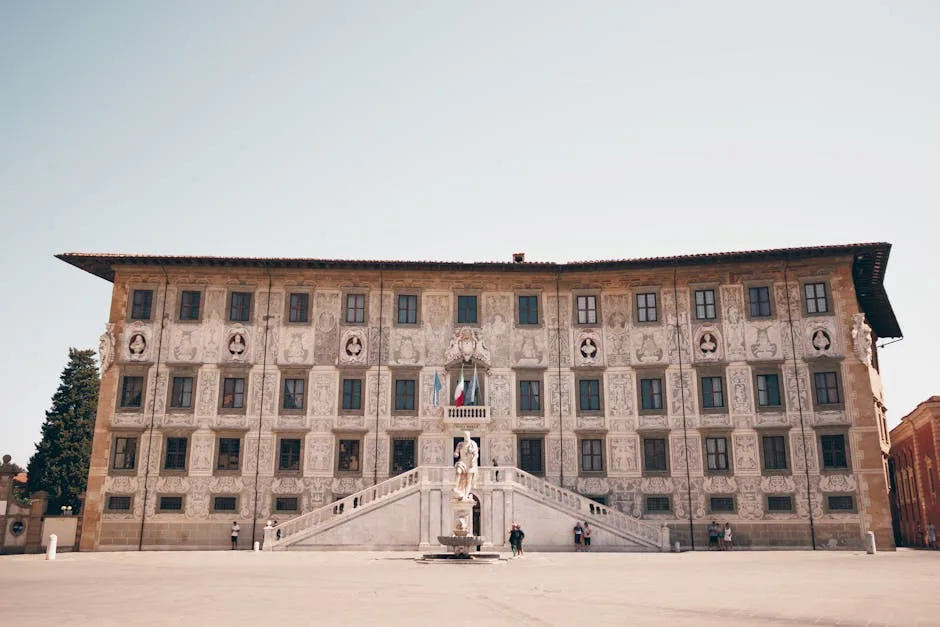
The Piazza dei Cavalieri (Address: Piazza dei Cavalieri, 56125 Pisa) is one of Pisa’s most historically charged squares. Once the medieval heart of political power, it now hosts the Scuola Normale Superiore di Pisa and palaces adorned with painted façades and coats of arms. Strolling the square you can feel the imprint of centuries: sculptures, columns and inner courtyards that sometimes open to the public.
Monuments and visits:
- Palazzo della Carovana — Located on the square, with a painted façade and historic emblems. University-led guided tours are sometimes available; check with the Scuola Normale for details.
- Chiesa di Santo Stefano dei Cavalieri — Address: Piazza dei Cavalieri. A baroque church that occasionally hosts ceremonies and concerts. Visiting hours typically 09:30–17:30; sometimes free entry or a suggested contribution.
- Museo Nazionale di San Matteo — Address: Piazza San Matteo in Soarta, 1, 56127 Pisa. Important collection of Pisan medieval art, including paintings, sculptures and liturgical objects. Price: about €5–€8. Hours: 09:00–19:00 in season.
Local tip: the square is particularly lively during academic events and city festivals — check the cultural calendar for chamber concerts or temporary exhibitions. For a truly local coffee after sightseeing, head into the small side streets where tiny trattorie serve budget-friendly student fare (pasta, soups). The presence of students gives these places a young, friendly atmosphere.
Click here to book a private walking tour of the highlights
San Martino Quarter and the Charming Trambacche
South of the old town lie San Martino and the small Trambacche neighborhood: less touristy areas dominated by stone houses, family-run trattorie and small artisan workshops. These quarters are perfect for experiencing everyday Pisan life away from the usual routes. You’ll find local parish churches, quiet inner courtyards and squares where children play before dinner.
Addresses and landmarks:
- Chiesa di San Martino — Address: Piazza San Martino, 56127 Pisa. A neighborhood church with an unassuming bell tower, attended by locals for services and weddings. Mass times: often 08:00–19:00 depending on the parish schedule.
- Via San Martino — A local shopping street with artisan butchers and small grocers. Ideal for buying typical Tuscan products to take home.
- Trattoria da Bruno (example of a local trattoria) — small tables, daily specials around €10–€18 for a main course. Look for places without big signs, often family-run.
Practical advice: wander without a strict plan, pop into a local bar for a caffè or an aperitivo, strike up a conversation with a shopkeeper — Pisans are generally welcoming and proud of their cuisine. If you want a truly local moment, look for a sagra (village festival) in summer: these gatherings offer music, food stalls and conviviality for a modest price. Also note shop hours: many businesses close for siesta around 13:00–16:00 and reopen later in the afternoon.
Click here to taste a Tuscan dinner with a local host
Practical Tips for Visiting Pisa’s Authentic Neighborhoods
Getting around: Pisa is best discovered on foot. The historic center is compact and most of the neighborhoods mentioned are walkable. For longer trips, the city’s bus network run by Autolinee Toscane is efficient. A taxi from the main train station to Piazza dei Miracoli typically costs between €6–€12 depending on traffic.
Best times to visit: spring (April–June) and autumn (September–October) offer mild weather and fewer crowds than July–August. If you want soft light for photography, aim for early morning and late afternoon.
Safety and etiquette: Pisa is generally safe, but as in any tourist city keep an eye on personal belongings, especially in markets and around the Tower. Respect places of worship: dress modestly to enter churches (shoulders covered, no very short shorts).
Approximate budget:
- An espresso at the counter: €1–€1.50
- A simple lunch (plate of pasta): €10–€15
- Entry to the Leaning Tower: around €20
- Museum / baptistery ticket: €5–€10
Accessibility: some historic monuments have limited access for people with reduced mobility (the Tower’s staircase, cobbled lanes). Check ahead if you have specific needs; many sites offer alternatives or assisted visits.
Click here to take a 2-hour walking tour of Pisa
Conclusion
Pisa shows its true face when you take the time to explore its neighborhoods, beyond the photographic clichés of the Torre Pendente. The Piazza dei Miracoli remains essential for its monumental ensemble, but Borgo Stretto, the Lungarno, Piazza dei Cavalieri, San Martino and the local markets provide the full palette of experiences: encounters, food, history and everyday life. Every street, arch and small square tells a different story — academic, commercial, maritime — and helps make Pisa a compact but rich destination.
To get the most out of your visit, combine monument tickets booked in advance with unplanned wandering: have a counter coffee, taste a cecina, buy bread at the market and sit for a while on a Lungarno bench at sunset. Don’t hesitate to venture into the alleyways off the tourist routes; they often hide the best trattorie and artisan workshops, and honest scenes of daily life.
Finally, remember that Pisa is a city of students and traditions: its vitality has a gentle pace. Whether you spend a day or several, let yourself be carried by the local rhythm, ask shopkeepers for recommendations, and revisit the same spots at different times of day and seasons — you’ll discover that every corner has many faces and that authentic Pisa reveals itself slowly to those who take the time to listen.