





Introduction
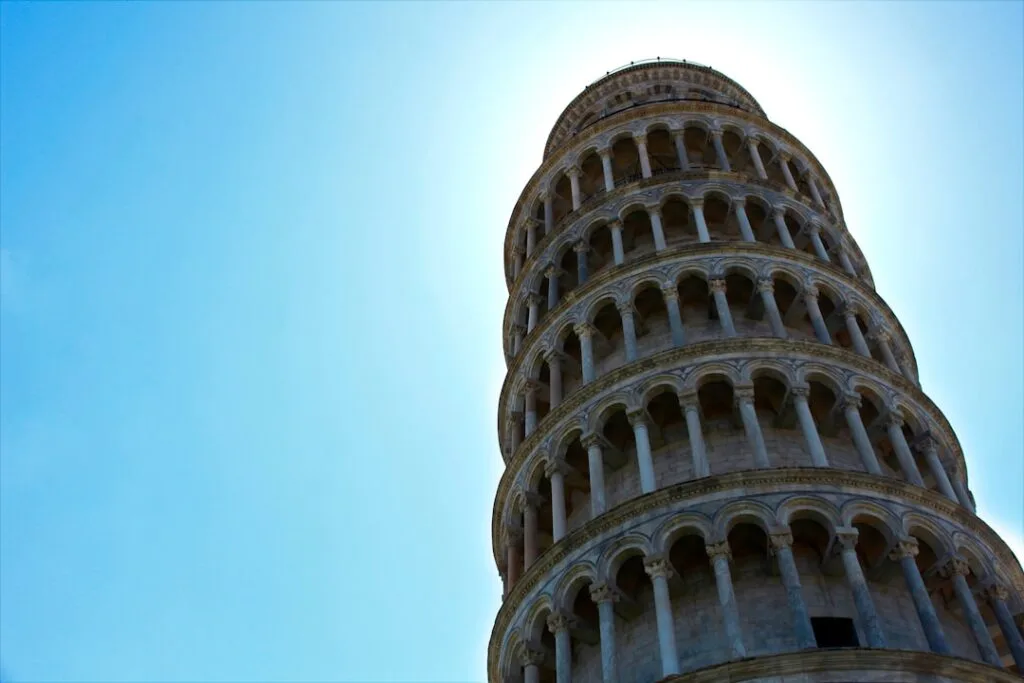
The Leaning Tower of Pisa, or Torre Pendente di Pisa, is one of Italy’s—and the world’s—most iconic landmarks. Standing on the Piazza del Duomo, also known as the Piazza dei Miracoli, it draws millions of visitors each year eager to climb its 294 steps and experience the unusual sensation of being « tilted » inside a historic building. Climbing the Tower is a memorable experience, but it requires planning, timing, and respect for safety rules. This guide aims to give you practical tips, accurate information (addresses, typical opening hours, estimated prices) and local recommendations so your ascent goes smoothly and safely.
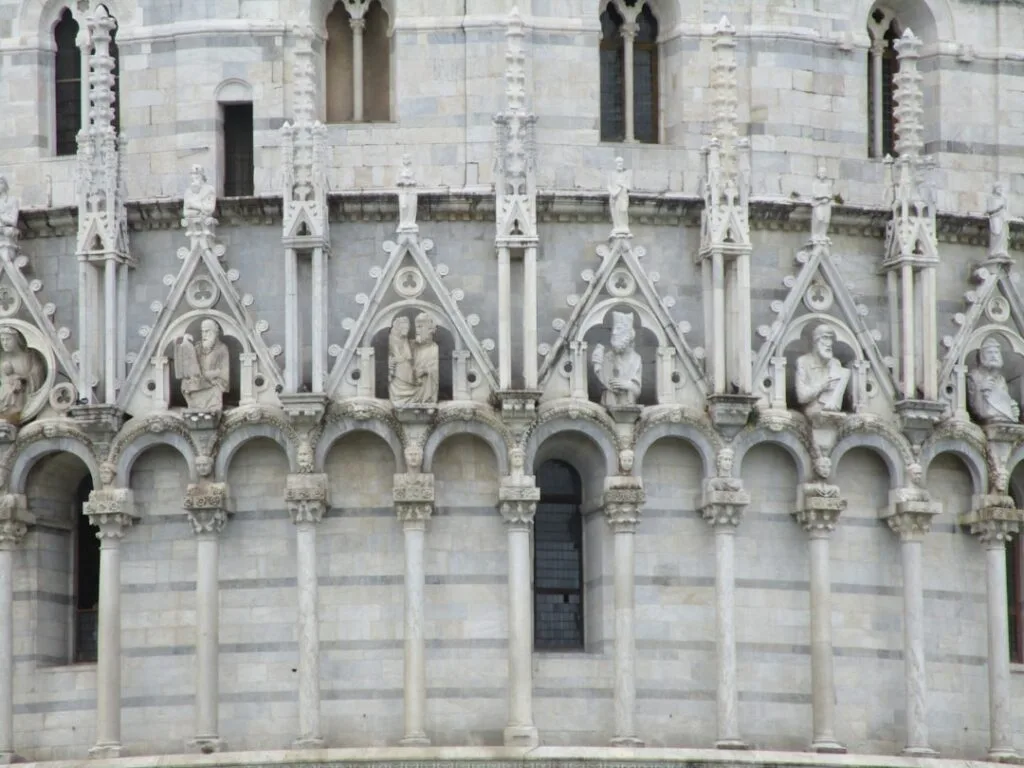
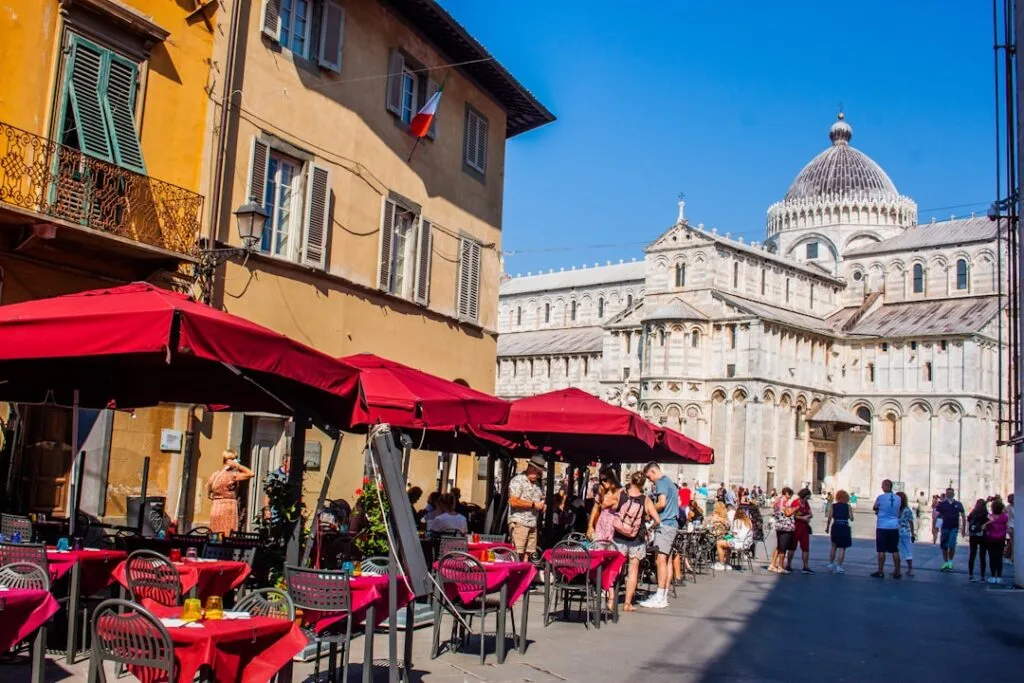
Pisa is a compact Tuscan city full of history. The Piazza del Duomo sits in the historic center and hosts several major monuments: the Cattedrale di Pisa (Duomo di Pisa), the Battistero di San Giovanni, the Camposanto Monumentale, and of course the Torre Pendente di Pisa. The main address for the complex is: Piazza del Duomo, 56126 Pisa PI, Italia. Note that access to the square and monuments is regulated and that climbing the Tower is managed by timed entry slots to ensure safety and control visitor flow.
Even before you reach the steps, it helps to know the physical requirements (narrow stairs, tilt, no elevator), the visiting rules (no large bags, security checks, mandatory reservations for the Tower), and local best practices (best times to avoid crowds, how to pick up tickets if you bought them online, public transport and parking). We’ll also cover practical info on current fares and hours, tips for photographing the Tower safely, and alternatives if you’re unable to climb.
This article provides concrete, immersive details: precise addresses, prices in euros (for guidance—double-check official sources before you go), typical opening hours, recommended gear, advice for visitors with reduced mobility, and safety tips to make the most of your climb. Whether you’re traveling solo, with family, on a school trip or for work, you’ll find practical, actionable information to plan your visit without stress. Pack comfortable shoes, have your ticket printed or ready on your phone, and follow these recommendations to turn your climb of the Leaning Tower of Pisa into a safe, unforgettable moment.
 Click here to book a walking tour of the Square and climb the Tower
Before You Climb: Preparation, Reservations and Practical Rules
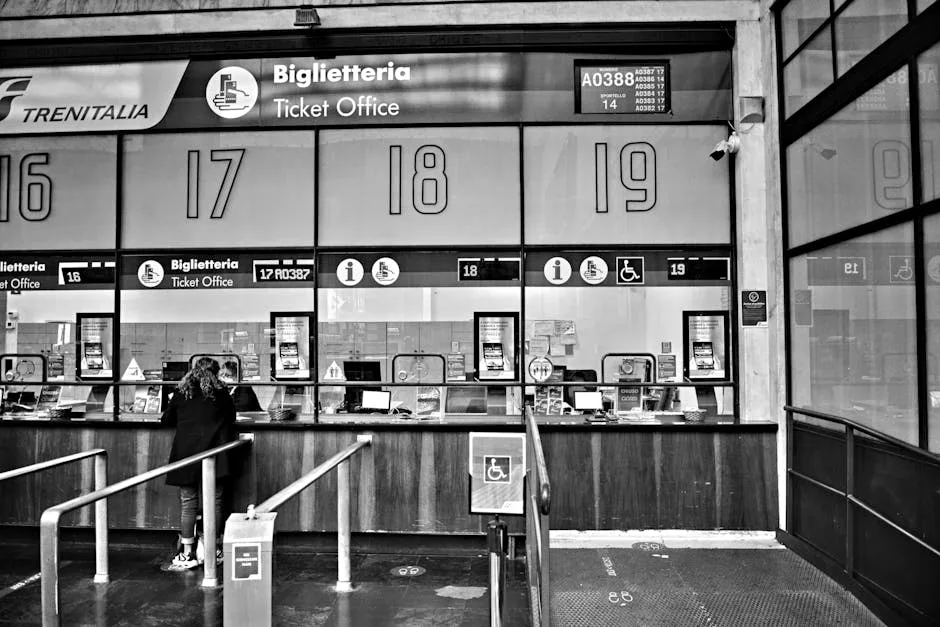
Preparation starts well before you get to the Piazza del Duomo. Most visitors think about the classic « holding up the tower » photo, but the most important thing is securing a timed slot to go inside. Tickets to climb the Torre Pendente di Pisa sell out quickly, especially in high season (April to October). The official starting point is the ticket office of Opera della Primaziale Pisana, located at Piazza del Duomo, 9, 56126 Pisa PI, Italia. Indicative prices for climbing the Tower are: adult: €20, reduced (students/young people): €17, children (7–18): €10. These rates can change, and combined tickets (Duomo + Baptistery + Camposanto) are often available—typically around €25–€30 for multi-site access. It’s strongly recommended to buy tickets online via the official site operapisa.it or at the official ticket point to secure your preferred time.
As for opening hours, the Torre Pendente di Pisa usually opens between 09:00 and 10:00 in the morning and closes between 17:00 and 20:00 depending on the season. Each climbing slot lasts roughly 30 minutes per group, and the number of simultaneous visitors is limited to ensure safety. The ticket office typically opens about half an hour before the first slot. For exact times during your visit, check the official site or Pisa’s tourist office: Ufficio Informazioni Turistiche – Piazza Vittorio Emanuele II, 7, 56125 Pisa PI, generally open 09:00–18:00.
Practical tips before entering: bring an ID, leave large bags and suitcases at your hotel or use luggage storage services (the main train station — Stazione di Pisa Centrale, Piazza della Stazione, 56125 Pisa PI — offers paid luggage storage), and wear closed, comfortable shoes. Safety rules usually prohibit large backpacks, tripods, and strollers during the climb. Security checks may include a manual bag search. Photos are allowed inside but avoid using harsh flash that could disturb other visitors and potentially harm the stone.
Click here to reserve your ticket for the Tower and monuments
Physical Safety While Climbing: Movements, Posture and Managing the Effort
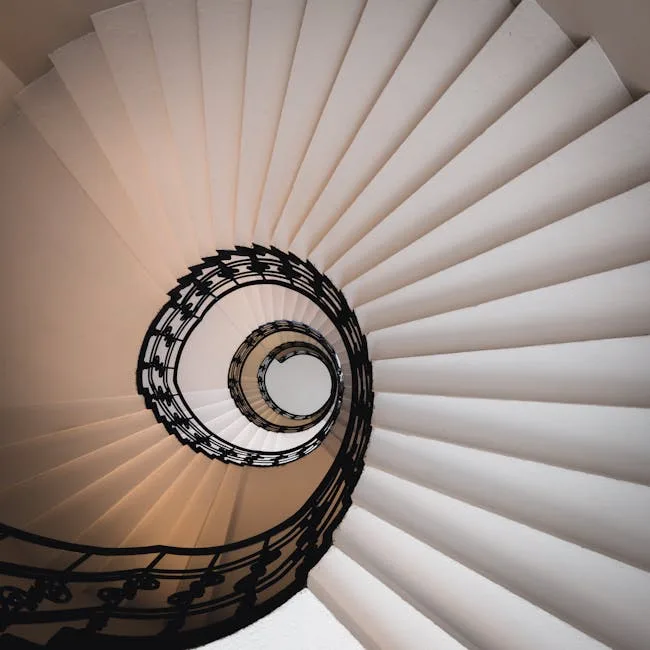
Climbing the Leaning Tower of Pisa isn’t a mountain hike, but it does require care: the stairs are narrow, spiral, worn stone and can be slippery. The tower has 294 steps (a commonly cited number), and the tilt can create a sensation of imbalance for those prone to vertigo. Here are practical tips to manage the effort and stay safe.
1) Adopt a stable posture: go up and down holding the handrail. The railing is your ally—use it to counteract the tilt. Walk slowly, especially where the spiral is tight. Wear shoes with non-slip soles; avoid flip-flops, high heels or slippery footwear.
2) Breathing and pacing: take your time. If you get out of breath, pause on a wider step to recover without blocking the flow. Groups are spaced by time slot, but there may be occasional crossings—step aside for official groups if instructed by a staff member.
3) Direction and physical obstacles: ascent and descent share the same narrow staircase. Be mindful of people coming down while you’re going up. Avoid using your phone while walking; take photos at designated niches or once you reach the top. If you feel unwell, alert the staff immediately—rangers are trained for emergency evacuation and have intercoms.
4) Accessibility: the Torre Pendente di Pisa is not wheelchair accessible due to its stairs. If you have specific needs, contact Opera della Primaziale Pisana before your visit to learn about alternative services, adapted guided tours or viewing options from ground level. The rest of the Piazza del Duomo is accessible to visitors with reduced mobility, including the Duomo’s forecourt and some outdoor paths.
Click here to book a guided tour of the Cathedral and Tower
Regulations, Assistance and First Aid
Safety management at the Torre Pendente di Pisa is taken very seriously by local authorities and the Opera della Primaziale Pisana. The site is staffed with security personnel, front-desk staff and teams ready to respond if needed. Here are the regulations and assistance resources you should be aware of.
1) Equipment and uniforms: security staff wear distinctive vests or uniforms. If you need help, approach staff at the Tower entrance or at the ticket office. Notices in multiple languages (Italian, English, French, Spanish) outline expected behavior, prohibited items and evacuation instructions.
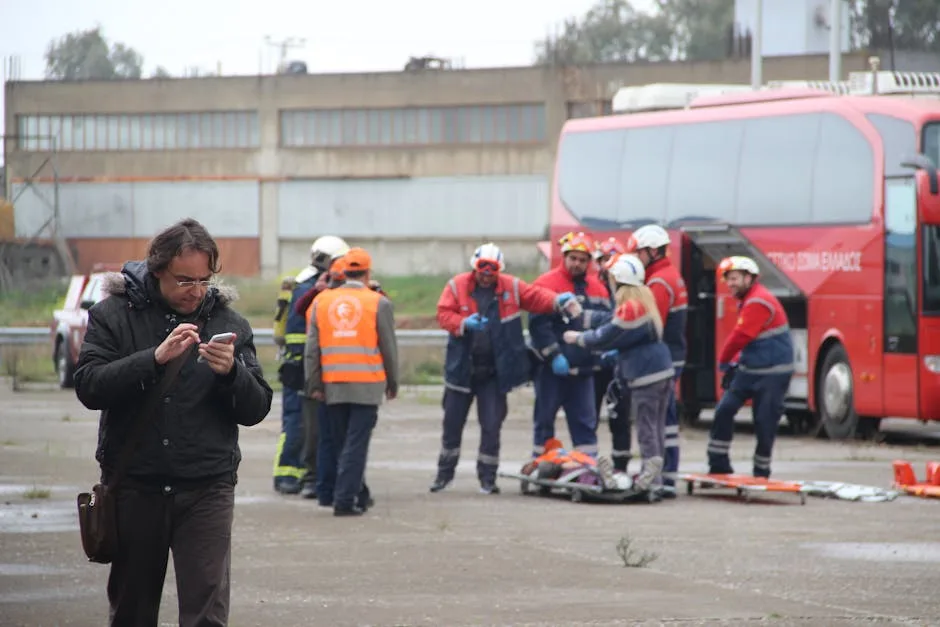
2) Evacuation procedures: in case of an incident, staff will guide you to the nearest exit. Evacuation routes use the same staircases and are organized to allow an orderly flow. Safety instructions emphasize staying calm, following staff directions and avoiding running. Local emergency services—Pronto Soccorso and ambulances—can respond quickly from the Piazza del Duomo or nearby streets.
3) First aid services: Pisa has an accessible health system. For medical emergencies, call the European emergency number 112 or, in Italy, 118 for an ambulance. The nearest university hospital is the Azienda Ospedaliero-Universitaria Pisana (AOUP), located at Via Roma, 67, 56126 Pisa PI. For minor injuries (sprains, cuts), first aid can be provided by on-site teams or at the nearest aid station in the Piazza del Duomo.
4) Travel insurance and liability: make sure your travel insurance covers minor incidents and medical evacuations. Visiting historic monuments can involve falls or injuries related to footing—appropriate insurance helps avoid unexpected costs. Visits are the responsibility of the visitor; the staff implements all reasonable measures to minimize risks.
Click here to buy entry tickets and an audio guide for the Square
On-Site Experience: Photos, Best Times and Alternatives If You Don’t Climb
Climbing the Leaning Tower is not the only way to enjoy the site. For a full and safe visit, it helps to know the best times to come, photo tips, and alternatives if you or someone in your group can’t or doesn’t want to climb.
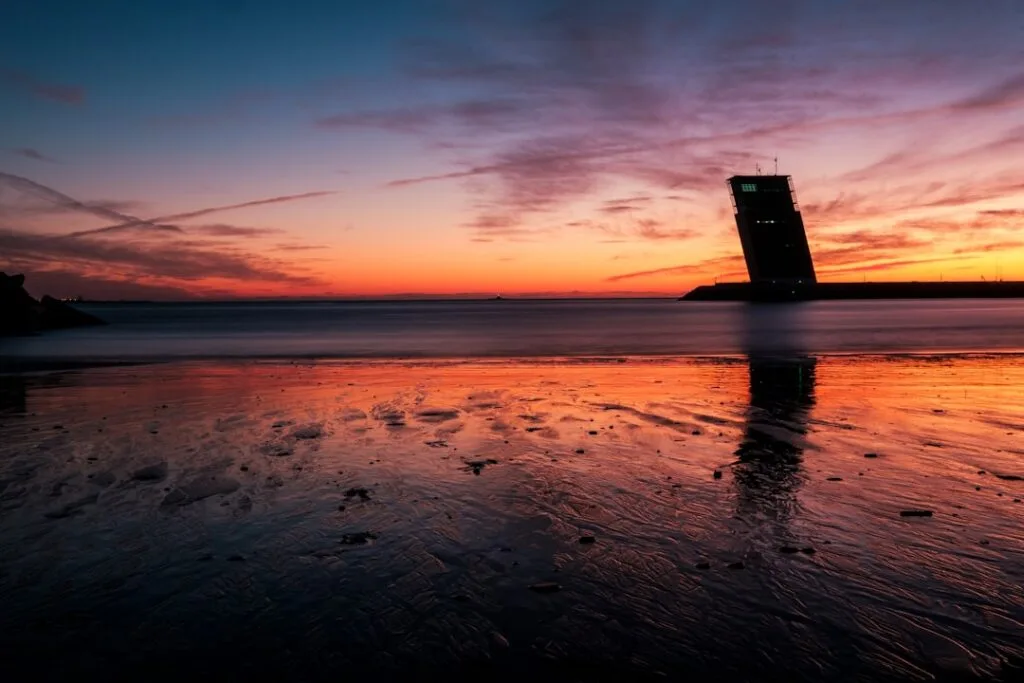
1) Best time to visit: early morning (opening, often around 09:00) or late afternoon (around 17:00–19:00) are the most pleasant times to avoid crowds and summer heat. In summer, morning and golden hour light at sunset create warm tones on the Duomo’s marble and flattering lighting for the Tower. Rainy days or misty mornings can produce a moody atmosphere and fewer visitors.
2) Responsible photography: classic photos are taken from the grass of the Piazza del Duomo, facing the Tower to capture its lean. Respect lawns and follow marked paths: walking on the grass is often forbidden and stewards may remind you of rules. Inside the Tower, photos are possible but spaces are tight—avoid large accessories or tripods that block movement.
3) Alternatives if you don’t climb: if climbing isn’t recommended due to health, mobility, or vertigo, you can still enjoy great views and activities:
- Visit the Duomo di Pisa (Cattedrale di Pisa) — address: Piazza del Duomo, 9, 56126 Pisa PI — entry is often free but access to the choir or museum may be charged (around €5–€10).
- The Battistero di San Giovanni (Baptistry) — Piazza del Duomo, 56126 Pisa PI — fares around €5–€10, typical hours 10:00–18:00.
- The Camposanto Monumentale and the Museo dell’Opera del Duomo (Piazza del Duomo, 17) feature fascinating frescoes and artifacts—combined tickets are available.
- Stroll along the Arno’s banks for picturesque views or visit Palazzo Blu (Lungarno, 19) for temporary exhibitions — address: Lungarno Gambacorti, 9, 56125 Pisa PI.
Click here to book the Baptistery and Cathedral ticket with audio guide
Local Advice and Best Practices to Respect the Site and Community
Respecting the Tower of Pisa and the local community helps preserve this heritage for future generations. Here are practical and ethical tips to follow during your visit.
1) Respect signs and barriers: protected areas around the Piazza del Duomo exist to preserve lawns and marble structures. Don’t cross ropes or write on walls or columns. Municipal officers issue fines for vandalism.
2) Keep noise down and avoid intrusive behavior: the Piazza del Duomo is a religious and historical site—behave accordingly (speak softly, respect ceremonies in the Duomo). If you’re in an organized group, appoint a leader to keep things orderly and avoid disturbing other visitors.
3) Buy responsibly and support local artisans: shop at authorized stores or local artisans. Avoid unauthorized street vendors who may sell poor-quality souvenirs and encourage the informal economy. Authentic artisan products are often sold near the tourist office or in small shops on Via Santa Maria.
4) Transport and parking: to reach the Piazza del Duomo, take the train to Stazione di Pisa Centrale (Piazza della Stazione, 56125 Pisa PI) then walk about 20 minutes or take the local bus (LAM Verde line). If you arrive by car, recommended public parking includes Parking Piazza Carrara (Via Santa Maria, near Corso Italia) or Parking Via Pietrasantina; rates vary (expect about €1–€2/hour in the city center). Avoid parking in historic streets without a permit.
5) Health precautions: during health measures, follow local rules (wear a mask if required, use hand sanitizer, keep distance). Tourist sites display the current guidelines—respect them for everyone’s safety.
Click here to book a 2-hour walking tour to discover Pisa
Useful Resources and Contacts
– Opera della Primaziale Pisana (ticket office) — Piazza del Duomo, 9, 56126 Pisa PI, website: operapisa.it, phone: +39 050 8XXXXXX (check the updated number on the site).
– Ufficio Informazioni Turistiche (Tourist Office) — Piazza Vittorio Emanuele II, 7, 56125 Pisa PI, hours: generally 09:00–18:00.
– Stazione di Pisa Centrale — Piazza della Stazione, 56125 Pisa PI. Luggage storage and local transport info.
– Azienda Ospedaliero-Universitaria Pisana (AOUP) — Via Roma, 67, 56126 Pisa PI — emergencies: dial 118 or 112 for prompt assistance.
Conclusion
Climbing the Leaning Tower of Pisa is both a symbolic and physical experience, blending history, architecture and a touch of personal challenge. To make the most of it, advance preparation is essential: reserve a time slot via the Opera della Primaziale Pisana, follow safety rules, wear suitable shoes, and be aware of everyone’s physical limits. The measures in place—limited visitor numbers, security checks, and staff supervision—exist to protect both visitors and the monument, which is fragile despite centuries of life and recent stabilization work.
Don’t overlook the alternatives to still enjoy the Piazza del Duomo if climbing isn’t possible: the Duomo di Pisa, the Battistero di San Giovanni, the Camposanto Monumentale and nearby museums offer a complete immersion in Pisa’s religious and artistic history. Also, the best times to visit are early morning or late afternoon, when the light flatters the marble, crowds are thinner, and the experience is generally more pleasant. Try to support the local economy by choosing official shops and local artisans in the town center.
Finally, adopt a respectful attitude—toward the monument, the staff, other visitors and the local community. A well-prepared and thoughtful visit not only lets you climb the steps safely but also ensures you leave with an intact and lasting memory of Tuscany’s beauty. Always verify practical information (prices, hours, rules) on official sites before you travel to avoid surprises. Buon viaggio e buona salita — enjoy your visit to the Torre Pendente di Pisa!
Click here to book a day trip from Florence with Tower tickets