





Introduction: An Unforgettable Day of Photography in Pisa
Pisa, the compact Tuscan town world-famous for its leaning tower, is a playground for photographers — from hobbyists to seasoned pros. There’s more to this city than the Torre Pendente: the heart of Pisa, centered around the Piazza dei Miracoli (Square of Miracles), showcases outstanding medieval architecture, striking perspectives, historic textures and ever-changing light that let you capture a rich variety of images in just one day. To make the most of light, queues and paid access, this guide lays out a timed photo route with precise locations, opening hours, typical prices and technical tips to help you compose powerful and memorable shots.
This sample day is planned as a coherent photographic walk: we start at sunrise to take advantage of soft light and an almost-empty Piazza dei Miracoli, then move on to the details of the Duomo di Pisa (Cattedrale di Santa Maria Assunta), the Battistero di San Giovanni and the Camposanto Monumentale. The route also includes more urban stops — the Lungarno, with its Arno reflections, and Borgo Stretto for classic Italian street scenes. Each spot is given with exact addresses, usual entrance fees (in euros), typical opening hours and practical tips to optimize your shooting (best angles, recommended focal lengths, when to use a tripod, etc.).
The aim isn’t just to tick monuments off a list but to tell a photographic story of Pisa in a single day: from the morning calm on the Piazza dei Miracoli, through carved cathedral details, to everyday life at the market or along the Arno at sunset. I’ll also explain how to book tickets (online is best to avoid long lines), which combined passes exist and how to handle lighting at different times of day. Finally, you’ll find practical notes on getting around Pisa, keeping your gear safe, and quick food recommendations so you stay efficient without missing the perfect shot.
Before you go, remember: Pisa is very touristy, especially around the tower. Preparation is key — reserve a time slot to climb the Torre di Pisa, check museum opening times and choose the right lenses (wide-angle for monuments, a tele for carved details, and a fast lens for dim interiors). With this guide you’ll be ready to turn one day in Pisa into a cohesive, varied and atmospheric photo series.
 Click here to book a timed ticket for the Leaning Tower
Morning: Sunrise and First Shots on the Piazza dei Miracoli
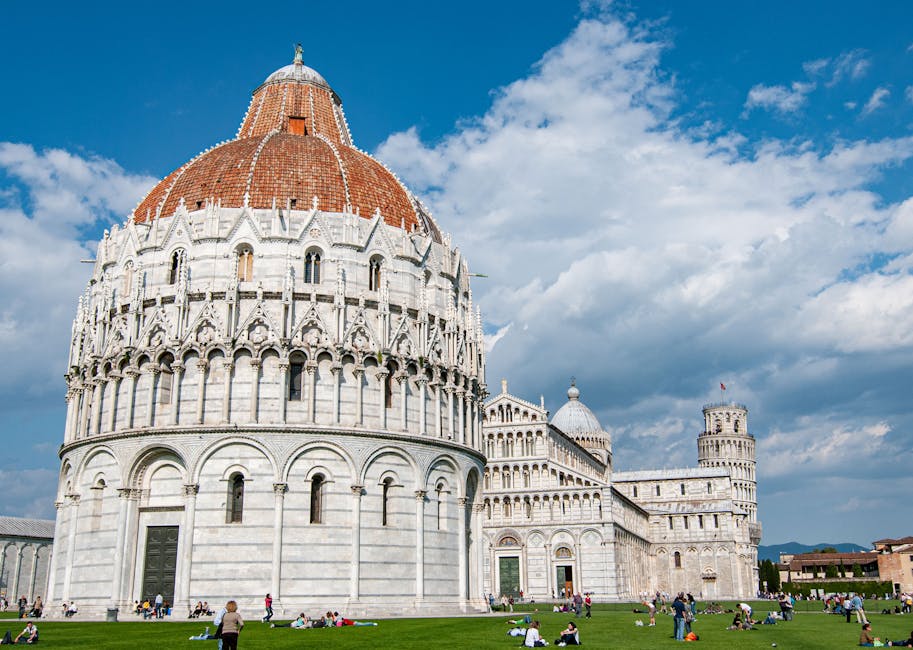
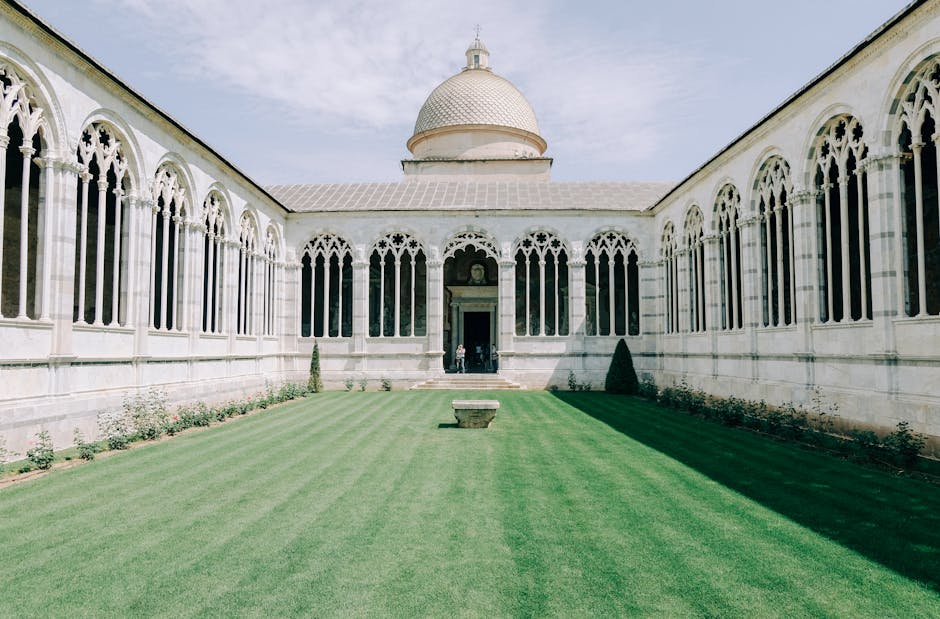
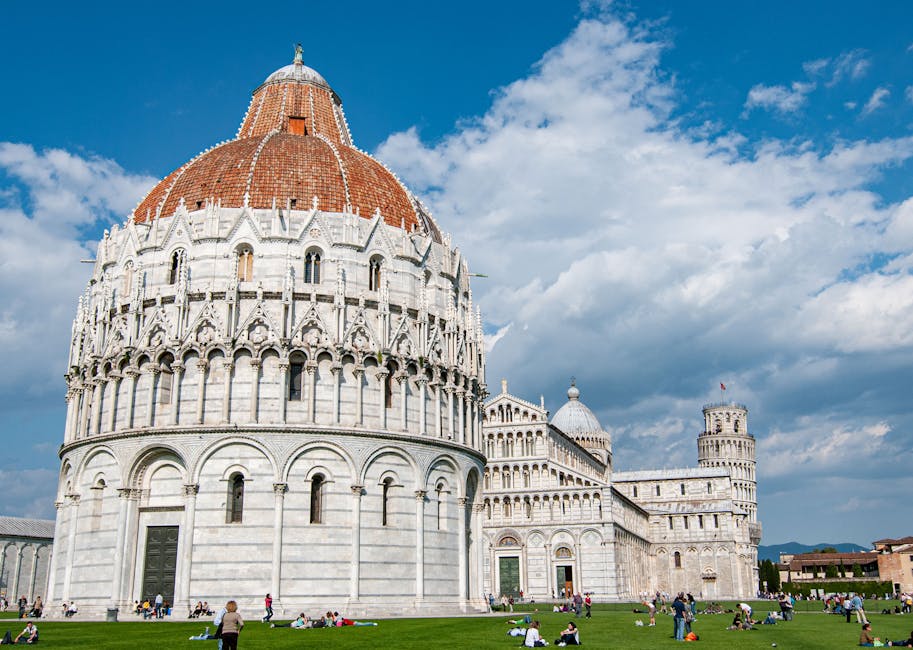
Start at dawn on the Piazza del Duomo (Piazza dei Miracoli), 56126 Pisa PI, Italy. For sunrise photos, aim to arrive 30 to 60 minutes before official sunrise to catch the golden hour and the pastel tones that flatter the white marble. The square is flanked by iconic buildings: the Torre Pendente (Torre di Pisa) (Piazza del Duomo, 56126 Pisa PI), the Cattedrale di Santa Maria Assunta (Duomo di Pisa) (Piazza del Duomo, 56126 Pisa PI), the Battistero di San Giovanni (Piazza del Duomo, 56126 Pisa PI) and the Camposanto Monumentale (Piazza del Duomo, 14, 56126 Pisa PI). Use the calm before the tourist buses arrive to experiment with centered and off-center compositions, play with reflections and bring a tripod if you want long exposures.
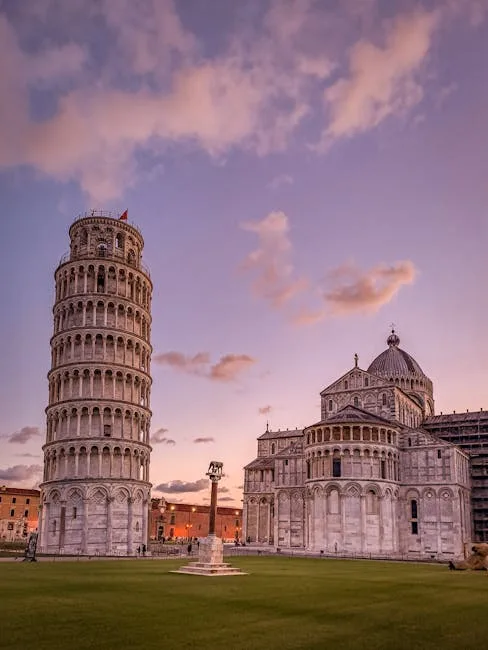
Hours and prices: access to the piazza itself is free at all times, but individual monuments have specific hours. Generally, the Torre di Pisa opens between 9:00 and 10:00 depending on the season; tickets to climb are roughly €20–€24 per person (book a timed slot online via the official site). The Battistero di San Giovanni and the Cattedrale di Santa Maria Assunta are often open between 9:00 and 19:00; entry to the cathedral is sometimes free, but access to the museums and the baptistery usually requires a combined ticket (Opera del Duomo pass) around €18–€25. Opening times change by season and holidays — always double-check online the day before.
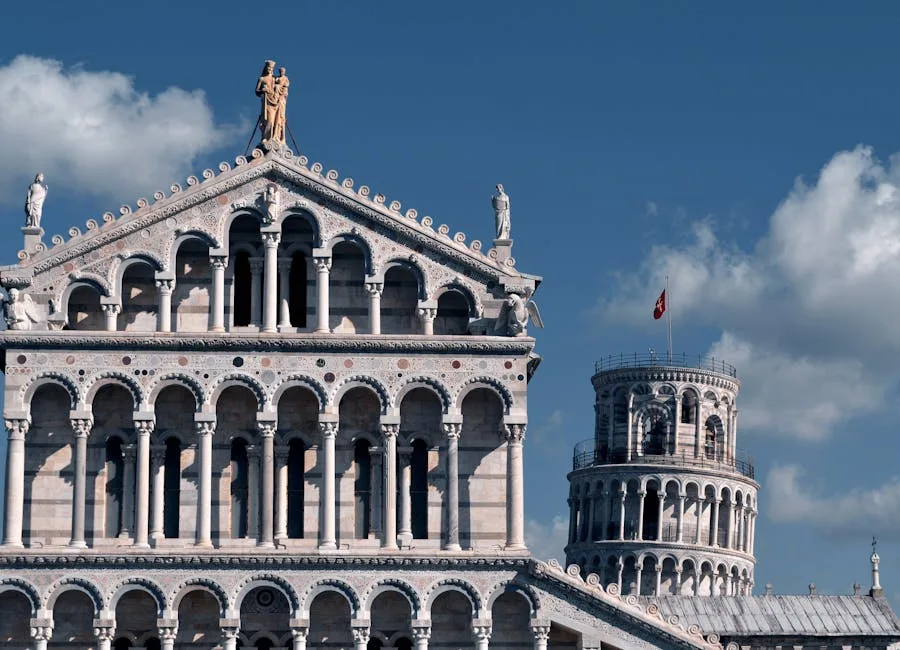
Photo tips: use a wide-angle lens (14–24mm or 16–35mm) to capture the whole square and the converging architectural lines. For travel portraits, isolate the tower with a 50mm or 85mm and wait for human moments at sunrise (couples, families, locals). The white and green marble details of the Duomo respond beautifully to soft light; favor slightly underexposed settings to preserve detail in the marble highlights.
Mid-Morning: Interiors and Details — Duomo, Baptistery and Museo dell’Opera del Duomo
After the wide shots, head inside the monuments to capture textures and carved details. The Cattedrale di Santa Maria Assunta (Duomo di Pisa, Piazza del Duomo, 56126 Pisa PI) is a Romanesque masterpiece; inside you’ll find mosaic floors, coffered ceilings and medieval sculpture. Cathedral entry is often free, but the Museo dell’Opera del Duomo (Piazza del Duomo, 9, 56126 Pisa PI) charges about €7–€10 and offers historical context for pieces moved from the complex. Typical hours for the cathedral and museum are 10:00–18:00 (varying by season); the baptistery usually opens between 9:00 and 19:00.
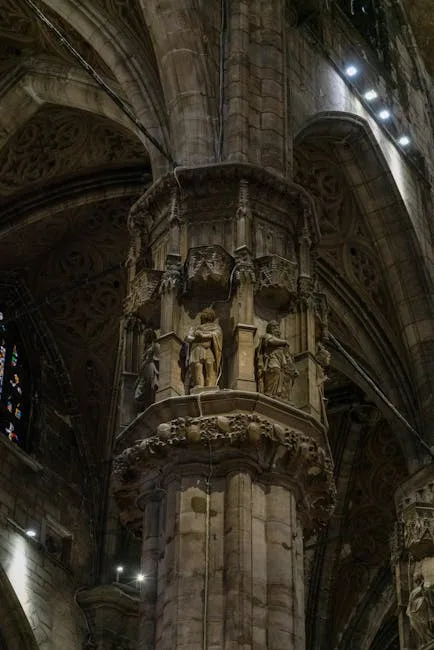
The Battistero di San Giovanni (Piazza del Duomo, 56126 Pisa PI) is especially photogenic thanks to its acoustics and domed ceiling. The vaults and shadow patterns make for strong black-and-white or high-contrast images. For interiors, a fast lens (f/1.8–f/2.8) is invaluable; if you plan to use a tripod, note that some religious sites prohibit tripods during busy hours. Also respect local rules: no flash in certain areas, maintain quiet behavior and wear appropriate clothing.
Technical tips: opt for moderate ISOs (800–1600 depending on your gear) and slow shutter speeds that still avoid motion blur. Use a bench or a step to stabilize your camera if tripods are not allowed. Look for details: carved capitals, medallions, Latin inscriptions and floor mosaics. Use a mid-range focal length to isolate a sculpture and a wider, tighter wide-angle to show relationships between architectural elements.
Click here to reserve entrance tickets for the Baptistery and Cathedral
Afternoon: Streets, Markets and Portraits — Borgo Stretto and the Lungarno
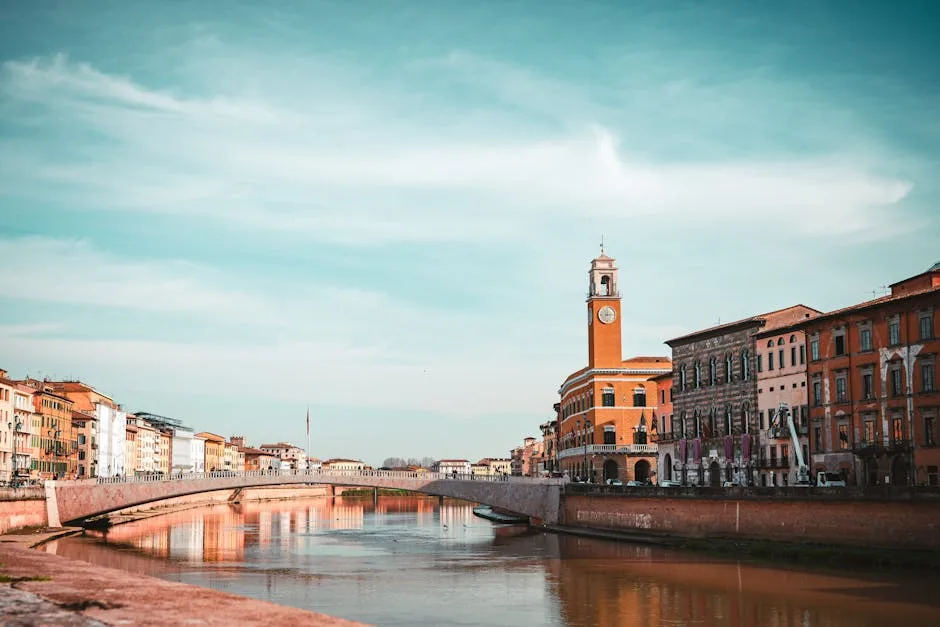
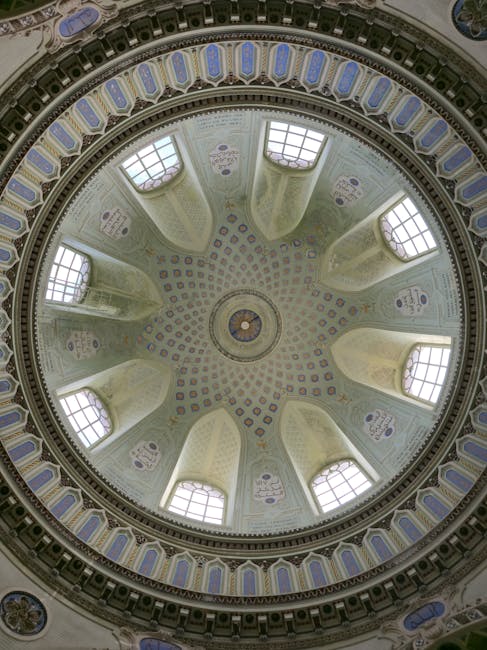
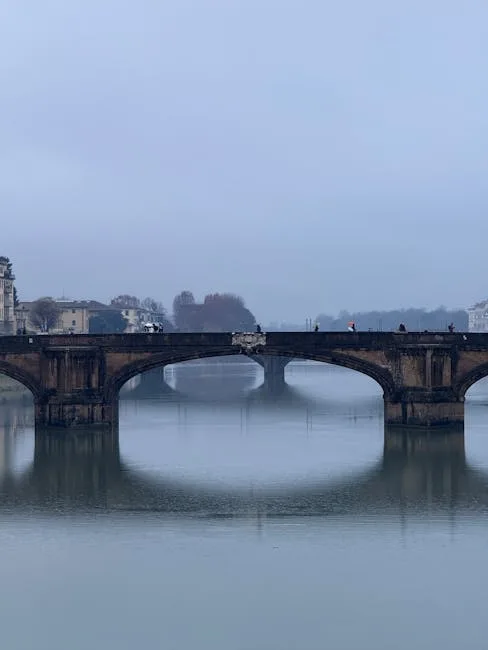
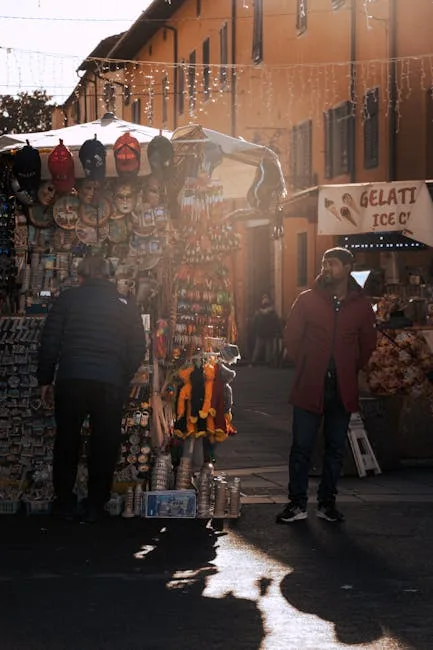
After lunch, explore Pisa’s livelier, everyday side. The Borgo Stretto (the main pedestrian street between Corso Italia and Piazza dei Cavalieri) is great for street photography: medieval façades, arcades, artisan shops and cafés. Wander the Lungarno (the Arno quays), especially around the Ponte di Mezzo (Ponte di Mezzo, 56125 Pisa PI) where the river’s perspective offers lovely symmetrical compositions. Useful address: Borgo Stretto, 56125 Pisa PI. The local market (Mercato di Piazza delle Vettovaglie) usually sets up around Piazza delle Vettovaglie (56125 Pisa PI) — perfect for capturing life, colorful stalls and candid portraits.
Click here to join a guided walking tour of Pisa
Hours and prices: most streets and markets are freely accessible. Shops and cafés typically open between 9:00 and 10:00 and close between 19:00 and 22:00 depending on the season. Smaller urban museums may charge €3–€8. When shooting street portraits, respect your subjects: ask for permission when you can and offer to show the photo — this often starts a conversation and leads to more natural images.
Photo tips: mid-afternoon light can be harsh. Seek shade under arcades for soft, even light on faces, or use a portable reflector to soften shadows. A 35mm or 50mm is ideal for street scenes; an 85mm works well for respectful distance portraits. For Lungarno views, experiment with water reflections and try long exposures in the evening to smooth the river surface (tripod recommended). Take time to step into a bookstore or historic café to shoot interiors — those images add narrative variety to your series.
Late Afternoon and Sunset: Tower Perspectives and Creative Shots
Return to the Piazza dei Miracoli in the late afternoon to work the golden hour and sunset. The square’s orientation produces different lighting effects by season: in spring and summer, the setting sun can bathe the Duomo and the tower in warm orange while the sky turns blue. Try creative compositions: silhouettes against the sky, playful tourist poses “holding” the Torre Pendente (beware clichés), low-angle shots to exaggerate perspective, or panoramas that include the Field of Miracles with the Campo Santo in the background.
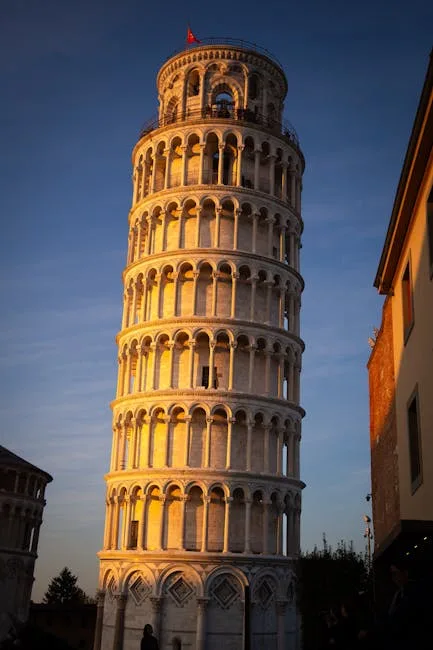
Late-afternoon hours: most monuments close between 17:00 and 20:00, varying by season. Last entry to the Torre di Pisa is tightly managed by timed tickets — check your slot so you don’t miss it. If you miss the climb, focus on exterior angles and how light plays across the stone. Many cafés around the square stay open late — perfect for a photo + snack break (try a cappuccino or a local focaccia) and for photographing evening activity.
Creative techniques: for sunset, lower your shutter speed and play with silhouettes and backlight. A graduated ND filter helps balance sky and foreground. To capture the Tower with dramatic clouds, use a 24–70mm range to alternate mid and tighter frames. Photograph sculptural details when the raking light emphasizes reliefs — a 70–200mm telephoto is great for isolating textures from the piazza.
Click here to book a professional photo session at the Leaning Tower
Evening: Sunset over the Arno and Practical Recommendations
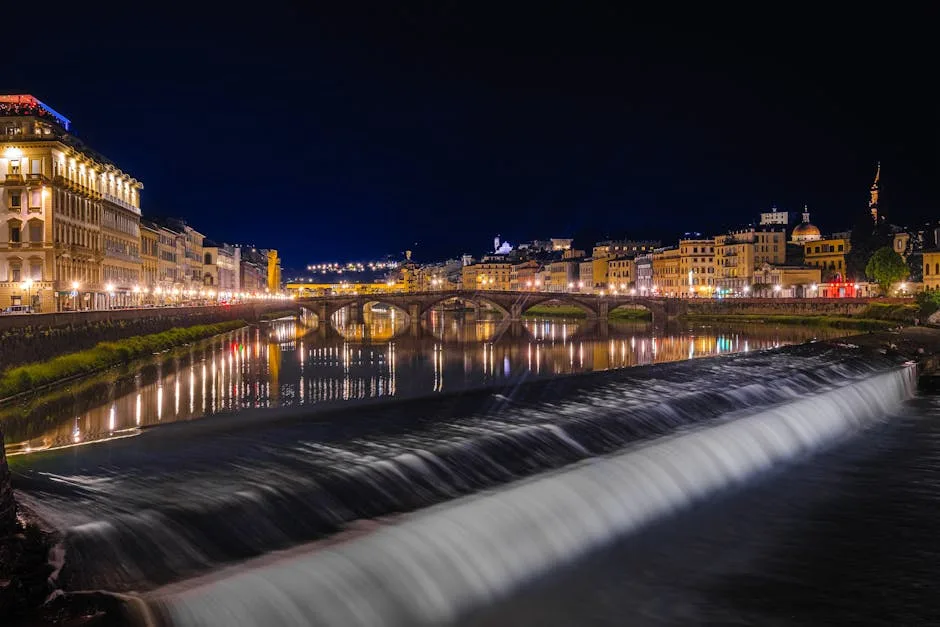
End the day along the Arno for one last set of twilight images. Lungarno Pacinotti and the Ponte di Mezzo offer viewpoints for photographing reflections of lit buildings, street lamps mirrored on the water and the relaxed evening vibe. Practical address: Lungarno Pacinotti, 56126 Pisa PI. Many bars and restaurants have terraces with a view — ideal for a well-earned break while you shoot the last colors of the night.
Local practical tips:
- Bookings: Buy your tickets for the Torre di Pisa and the Museo dell’Opera del Duomo online and pick a specific time slot. Skip-the-line tickets may cost a bit more (often included in the prices mentioned) but save a lot of time.
- Transport: Pisa is very walkable; the main train station, Pisa Centrale (Piazza della Stazione, 56125 Pisa PI), is about a 20–30 minute walk from the Piazza dei Miracoli. ATAF city buses serve outer areas (single ticket ~ €1.50–€2.00), and taxis are available near the station and tourist spots.
- Gear security: Keep your camera bag closed and close to you, especially in crowded areas. Use a secure strap and avoid leaving gear visible in a parked car.
- Opening hours: Always check updated times on official sites before visiting; churches may restrict access for religious services.
- Quick meals: For an efficient lunch without losing time, look for a tavola calda or a trattoria around Borgo Stretto — expect €8–€15 for a simple meal. For a sit-down dinner near the Arno, budget €20–€35 per person depending on the restaurant.
Quick Photo Checklist
- Lenses: wide-angle (14–35 mm), versatile zoom (24–70 mm), telephoto (70–200 mm)
- Lightweight tripod (check indoor access rules)
- Extra memory cards and batteries
- Printed or mobile booking confirmations for the Torre di Pisa
- Light jacket for cool morning and evening hours
Conclusion: Wrapping Up a Photographic Day in Pisa and How to Extend the Experience
A day of photography in Pisa may seem short compared to the city’s historical wealth, but well planned it delivers a coherent and highly photogenic route. Following this itinerary you’ll cover the essential icons — the Torre di Pisa, the Cattedrale di Santa Maria Assunta, the Battistero di San Giovanni, the Camposanto Monumentale and the Museo dell’Opera del Duomo — while also capturing street life in Borgo Stretto and the moods along the Lungarno. The precise addresses, indicative hours and prices help you organize the day with few surprises, and the technical tips will help you make the most of the light and locations.
If you have more time in Pisa, consider adding the Chiesa di Santa Maria della Spina (Piazza Santa Maria, 56125 Pisa PI), a picturesque small Gothic church on the Arno, or stroll through the university district for lively student scenes. Architecture lovers might take a half-day trip to Lucca (25 km away) or to San Gimignano (a bit further) for complementary subjects and memorable Tuscan panoramas.
Finally, beyond technical shots, a successful photo series often comes down to narrative coherence: pick a unifying thread (light, textures, portraits, architecture) and capture images that respond to each other. Share your best shots with location tags (for example, #PiazzaDeiMiracoli, #DuomoDiPisa) and whenever possible respect local rules to help preserve these exceptional sites. Enjoy your photographic journey in Pisa — may your images tell the story of a city where every stone keeps centuries of memory.