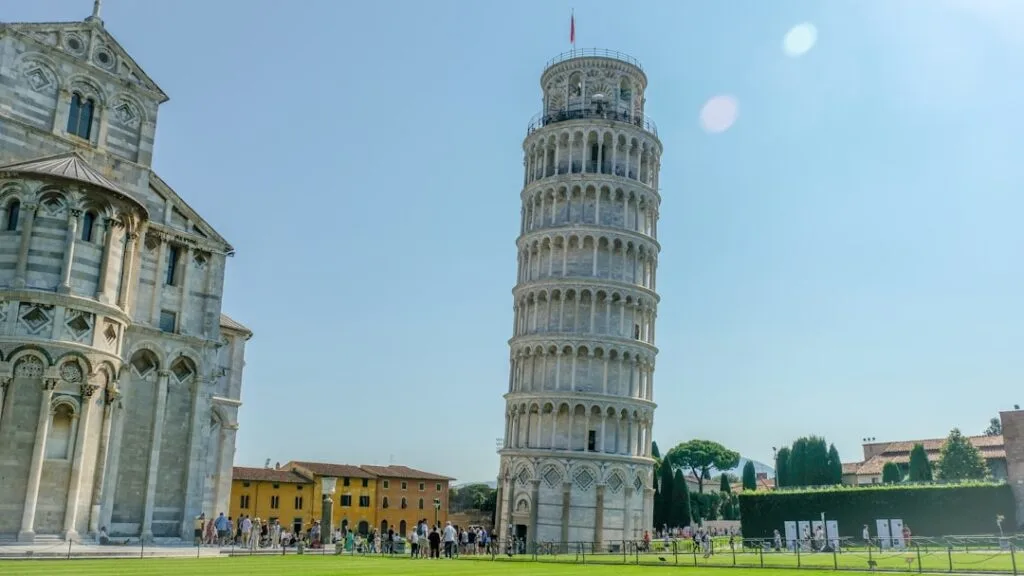






Introduction: Why Visit Pisa in One Day by Train
Pisa is often reduced to its famous Torre Pendente di Pisa — the Leaning Tower — but the city and its surroundings have so much more to offer: a rich medieval past, Romanesque churches, surprising museums and riverside and coastal scenery all within easy reach by train. If you only have one day and prefer to skip driving, exploring Pisa and the nearby towns by rail is practical, budget-friendly and eco-conscious. Regional Italian lines (Trenitalia Regionale) connect Tuscany’s main towns efficiently: from PISA Centrale you can reach Lucca, Florence (Firenze Santa Maria Novella) and even the coast at Marina di Pisa in a matter of tens of minutes. Frequent regional services, reasonable fares and short distances between sights make the train the perfect companion for a well-paced day trip.
This complete guide lays out a recommended itinerary to make the most of a top one-day visit to Pisa by train. I walk you through the must-see spots — Piazza dei Miracoli, the Duomo, the Baptistery of San Giovanni, the Camposanto Monumentale and the Museo dell’Opera del Duomo — with exact addresses, typical opening hours, approximate current prices and practical tips to save time (ticket reservations, best time slots, photo tips). You’ll also find options to broaden your range: a return trip to Lucca for a wall walk, or a short ride to Marina di Pisa if you prefer sea air. Tips cover how to buy train tickets (Trenitalia app, station machines), validating paper tickets when needed, where to leave luggage at Pisa Centrale, and local food recommendations — where to try a Tuscan crostino or a sourdough focaccia.
The aim: to leave feeling like you truly experienced Pisa without rushing, keeping a human pace while maximizing highlights. I provide a sample timed itinerary, alternatives if the weather changes, photo pointers (golden hours, less-touristy angles) and packing advice for light travel. This guide also warns you about small annoyances: queues at the Tower security checks, the need for a pass to access the Duomo complex, English tours, and seasonal schedules. I’ve included visual markers 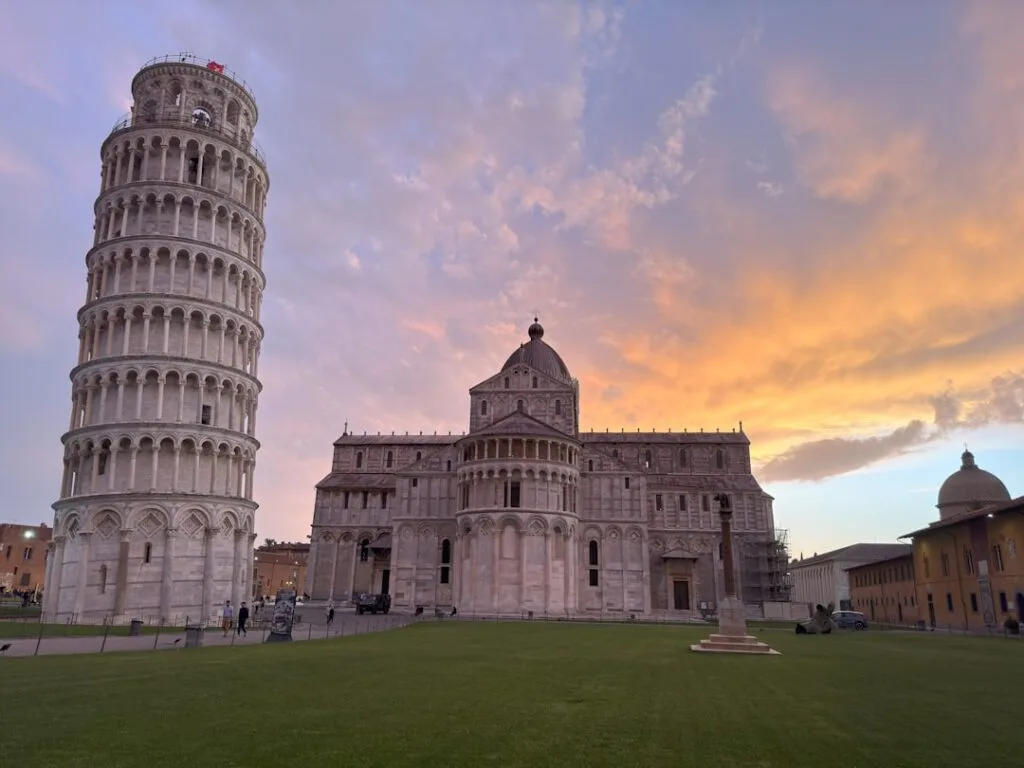 to help you picture each stage and plan your photo kit. Whether you love architecture, food, beaches or photography, Pisa can easily fill a memorable day — especially when you travel there by train.
 Click here to book your ticket for the Piazza dei Miracoli monuments
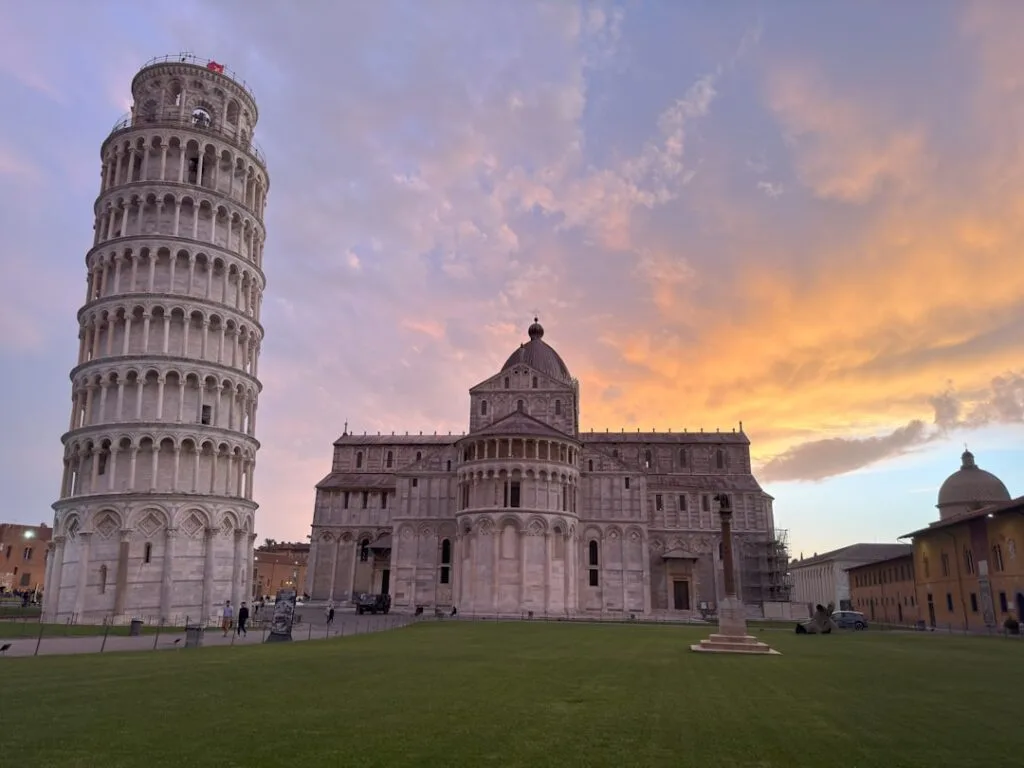
Suggested Itinerary for 1 Day by Train: Discover Pisa and the Surroundings
Morning — Arrival and first visit: arrive at Pisa Centrale (Piazza della Stazione, 56125 Pisa PI). This is the main station served by regional trains (Regionale) and Intercity services. Practical tips: aim to arrive between 08:00 and 09:00 to enjoy a full day; luggage lockers: some hotels and stations offer left-luggage services, but check in advance. From the station, take the LAM ROSSA bus or a taxi (about 10–15 minutes) or walk 25–30 minutes along Via Bonanno Pisano to reach Piazza dei Miracoli (address: Piazza del Duomo, 56126 Pisa PI), the monumental heart of Pisa.
Piazza dei Miracoli / Campo dei Miracoli: start at Piazza dei Miracoli, a UNESCO World Heritage ensemble that includes the Torre Pendente di Pisa (Torre Pendente di Pisa, Piazza del Duomo, 56126 Pisa PI), the Cathedral of Santa Maria Assunta (Duomo di Pisa), the Baptistery of San Giovanni, the Camposanto Monumentale (Campo Santo) and the Museo dell’Opera del Duomo. Typical hours: the Leaning Tower usually opens between 09:00 and 20:00 depending on season (last ascent about 30 minutes before closing); the Duomo welcomes visitors roughly 10:00–19:00 (masses and religious services may affect access), the Baptistery commonly 10:00–18:00 and the Camposanto 09:00–19:00. Approximate prices (May 2024): Torre Pendente di Pisa — around €20 for the climb (timed reservation required); Duomo di Pisa — entry often free but a ticket reservation or a suggested donation may apply (free online booking sometimes available via Opera della Primaziale Pisana); Baptistery of San Giovanni — about €5–8; Camposanto Monumentale — about €7–10; Museo dell’Opera del Duomo — €8–10. Tip: buy the « Pisa Ticket » or the combined Opera della Primaziale pass online to visit multiple monuments in the complex with a fixed time slot for the tower. Without reservations, expect queues.
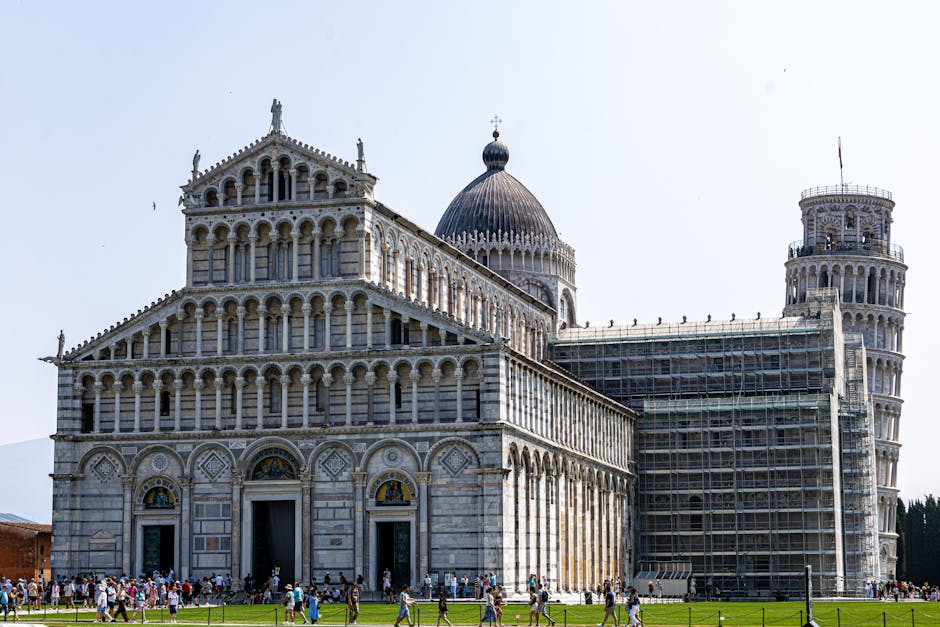
Photography and immersion: for classic shots of the Leaning Tower, favor the first hour of the morning (8:30–9:30) or late afternoon (18:00–19:30) for soft light and fewer harsh shadows. For more original compositions, explore the Loggia dei Canonici by the Duomo or the edges of the Camposanto for less postcard-like perspectives. If you climb the tower, bring a water bottle: the ascent takes about 15–20 minutes and the steps are narrow (age limits and restrictions apply for pregnant visitors). The park around Piazza dei Miracoli is also pleasant for a quick picnic.
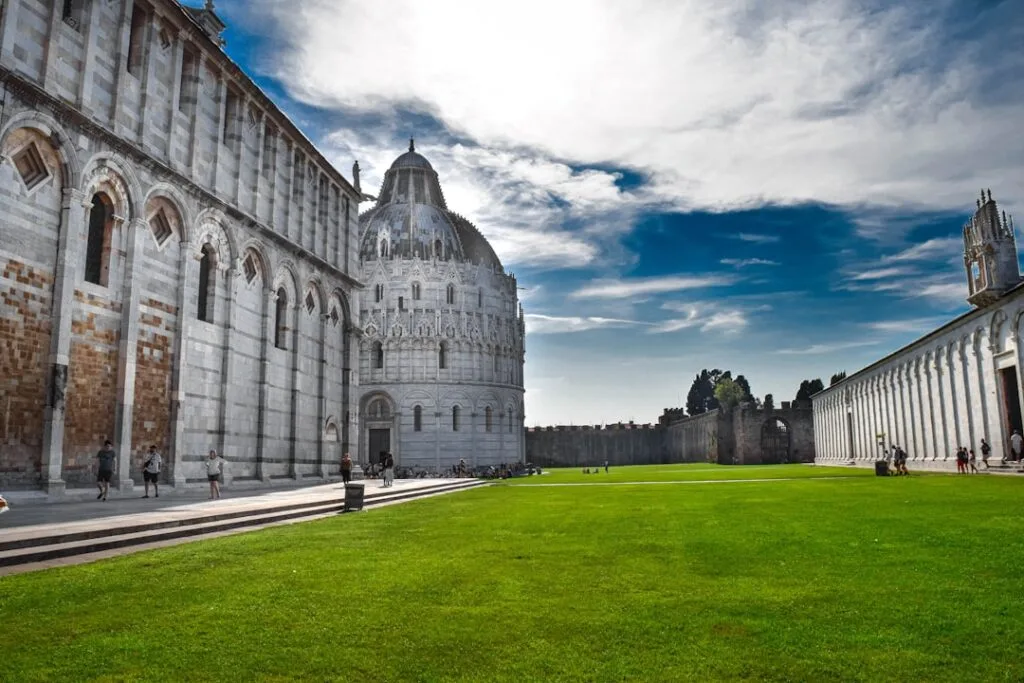
Midday — Lunch and a quick stop: around Piazza dei Miracoli and along Via Santa Maria you’ll find a number of osterie and trattorie. Classic picks: La Buca di Enea (Via Carlo Piaggia, 56125 Pisa PI) for Tuscan dishes, or Il Peperoncino (Via S. Frediano 7, near Piazza dei Miracoli) for pasta and focaccia. Lunch budget: expect €12–25 per person for a main dish and a drink. Tip: try a civetta or ribollita if available, and finish with a cantuccio dipped in Vin Santo.

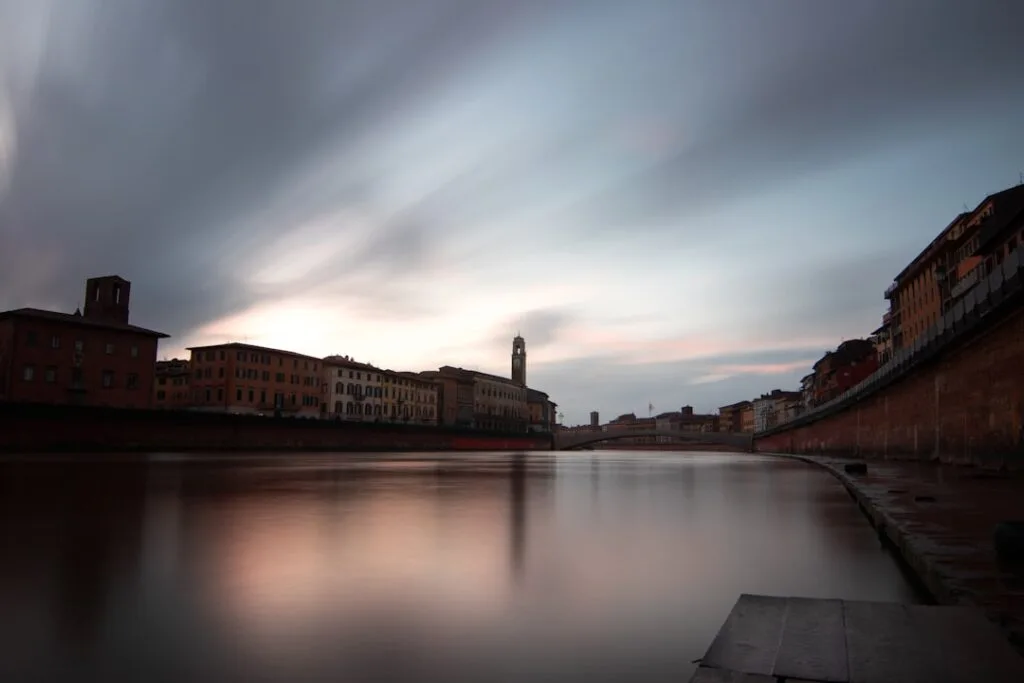
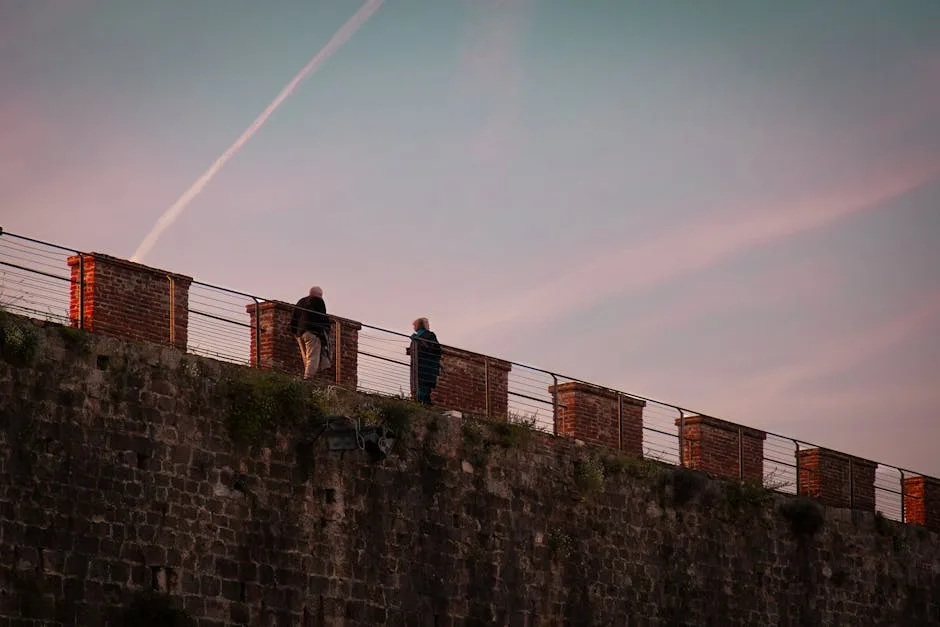
Afternoon — Options depending on your mood and the train timetable: Option 1 — stay in Pisa: stroll along the Arno, visit the Chiesa di Santa Maria della Spina (Lungarno Gambacorti, 56125 Pisa PI) for its exquisite Gothic details, then head to Piazza dei Cavalieri (Piazza dei Cavalieri, 56126 Pisa PI) to see the Scuola Normale Superiore and Renaissance façades. Hours: Santa Maria della Spina is always viewable from the outside; interior access depends on services — check locally. Option 2 — a short excursion: take a regional train to Lucca (Stazione di Lucca, Piazza Ricasoli, 55100 Lucca LU) — journey about 25–30 minutes, very frequent. In Lucca you can walk or rent a bike to circle the city walls (Mura di Lucca) and visit Torre Guinigi and Piazza dell’Anfiteatro. Train price: Pisa Centrale → Lucca around €3–5 (regional fares vary). Option 3 — if you prefer the sea, head to Marina di Pisa (Lungomare, 56017 Marina di Pisa PI): reachable by train+bus or taxi (30–40 minutes), perfect for a walk along the pier and views over the Gulf of Tuscany.
Click here to book a self-guided bike tour from Lucca to Pisa
Transport and tickets: to buy train tickets use the Trenitalia app, station machines or the ticket office. Regional trains sometimes require you to validate a paper ticket before boarding; if you buy through the app the ticket is time-stamped automatically. Short regional rides are cheap (just a few euros) but watch the timetable: some Regionale services don’t run late at night. For Piazza dei Miracoli, prefer booking the Tower and Baptistery online — you’ll save time and avoid queues. Also carry some cash for small purchases (coffee, gelato): cards are widely accepted, but a few tiny places prefer cash.
Safety and comfort tips: wear comfortable shoes — medieval cobbles and tower steps demand good footwear. Bring a small umbrella or light rain jacket: Tuscany’s weather can turn quickly in spring and autumn. If you travel in high season (June–August), be prepared for heat and heavy tourist traffic; book time slots in advance. For families, note that tower climbs are limited to a certain number of people per slot and there are age/health restrictions. Finally, respect the quiet and decorum inside churches — the Duomo remains an active place of worship.
Conclusion: Make the Most of Your Day in Pisa by Train — Summary and Recommendations
Pisa is an ideal destination for a one-day train excursion: compact, full of iconic monuments and well connected to neighboring towns. With a well-planned day you can visit Piazza dei Miracoli with the Leaning Tower, the Cathedral of Santa Maria Assunta and the Baptistery of San Giovanni, enjoy lunch in a local trattoria, then choose between a riverside stroll, a trip to Lucca for its walls and medieval atmosphere, or a seaside break at Marina di Pisa. Regional trains make these options simple and affordable: from Pisa Centrale (Piazza della Stazione, 56125 Pisa PI), journeys to Lucca (Stazione di Lucca, Piazza Ricasoli, 55100 Lucca LU) or Florence (Firenze Santa Maria Novella, Piazza della Stazione, 50123 Firenze FI) are frequent and cheap — always check times via the Trenitalia app or station displays.
Plan essential reservations (Leaning Tower, sometimes the Baptistery or Museo dell’Opera) to avoid long lines and optimize your schedule. Allow buffer time for security checks and walking between the station and the historic center. Budget-wise, count about €20 for the tower climb, €5–10 for other monuments, €3–10 for short train trips, and €12–25 for a decent lunch. Bring a water bottle, a map or GPS-enabled smartphone, and season-appropriate clothing. For photographers, the golden hours (early morning or late afternoon) provide the best light; to dodge crowds, visit the Tower or the Duomo at opening time or book a late slot.
In short, a top one-day visit to Pisa by train is entirely doable and highly rewarding: you’ll see the essentials, taste the local cuisine and, if you opt for a short excursion, experience Tuscany’s blend of urban heritage and coastline. This rail-friendly approach is also kinder to the environment and often more relaxing than driving. Keep this guide as your roadmap: exact addresses, ticketing tips, opening hours and photo advice will help you get the most out of your stop. Buon viaggio and enjoy discovering Pisa!
Click here to book your ticket for the Leaning Tower and Cathedral