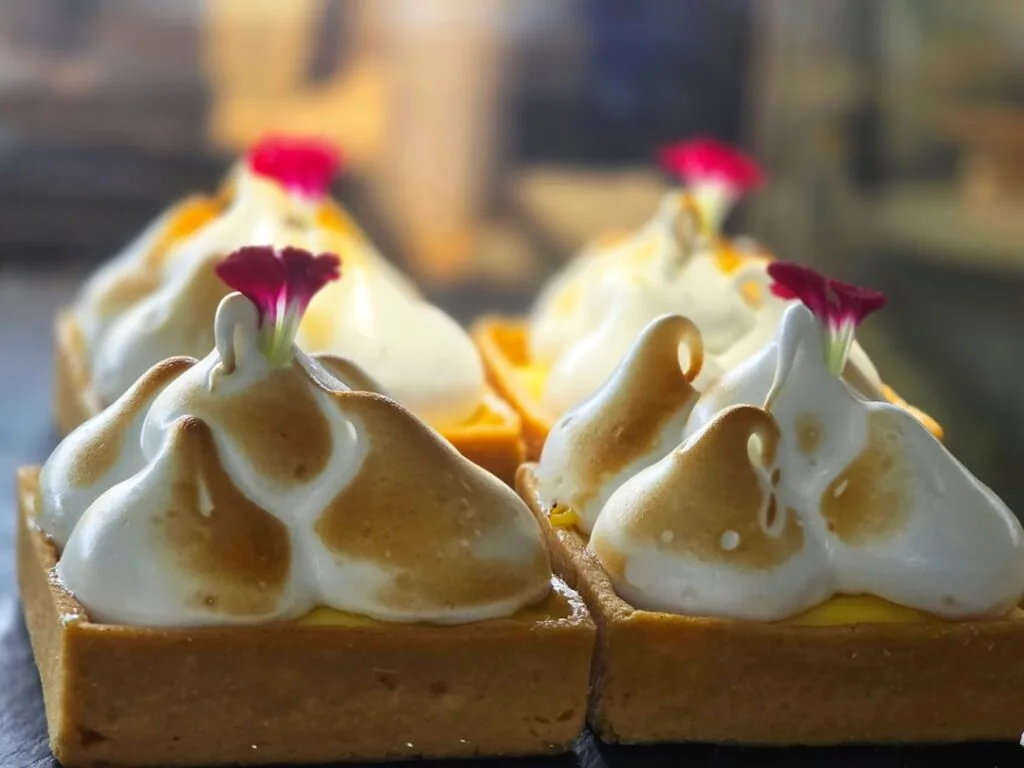






Introduction: Pisa’s streets and the taste of celebrations
Pisa isn’t just the home of the Torre Pendente di Pisa (the Leaning Tower) and its magnificent cathedral — it’s also a place where local culinary traditions follow the rhythm of the seasons and celebrations. Wander the cobbles of the Piazza dei Miracoli, linger in front of the Duomo di Pisa or stroll along the Arno, and you’ll be greeted by the scent of ovens and pastries reminding you that holidays — whether family, religious or civic — are often told through dessert. Year-end festivities, Easter, Festa della Mamma and other annual events have shaped recipes and customs that remain alive in both pastry shops and home kitchens across Pisa.
To set the scene: Pisa, in the heart of Tuscany, is a crossroads of art and history, and a small capital of Tuscan sweetness where traditional Italian desserts have been adapted to local ingredients. Almonds, olive oil, sweet wines like vinsanto, soft wheat flour, honey and Mediterranean citrus form the backbone of festive treats shared among family or bought from master pastry chefs. These desserts turn up in specific corners of the city: historic patisseries near the Piazza dei Cavalieri, artisan bakeries in the San Francesco district, and at markets and fairs held throughout the year.
The scale of the celebrations affects not only the recipes but how they’re enjoyed. At Christmas, some Pisan families nibble on dry biscuits with a glass of vinsanto by the fire; at Easter, egg- and ricotta-based pastries square off with more rustic cakes made with olive oil and citrus. Today, several iconic venues in Pisa offer a full culinary experience: historic cafés serving an artisanal panettone at teatime, small restaurants near the Mercato Centrale di Pisa presenting updated holiday sweets, and gourmet concept stores selling gift boxes to take home.
This detailed guide will walk you through Pisa’s streets and shop windows to discover traditional festive desserts, with exact addresses, practical info (opening hours, indicative prices in euros), sensory descriptions and local tips for getting the most out of every bite. We’ll also cover the history and origins of these treats, modern twists offered by artisans, and how to bring these flavors into your own celebrations once you’re back home. Join us for a sweet stroll through the city, between monumental heritage and the little delights that make Pisani hearts beat faster.
 Click here to buy tickets for the Square of Miracles
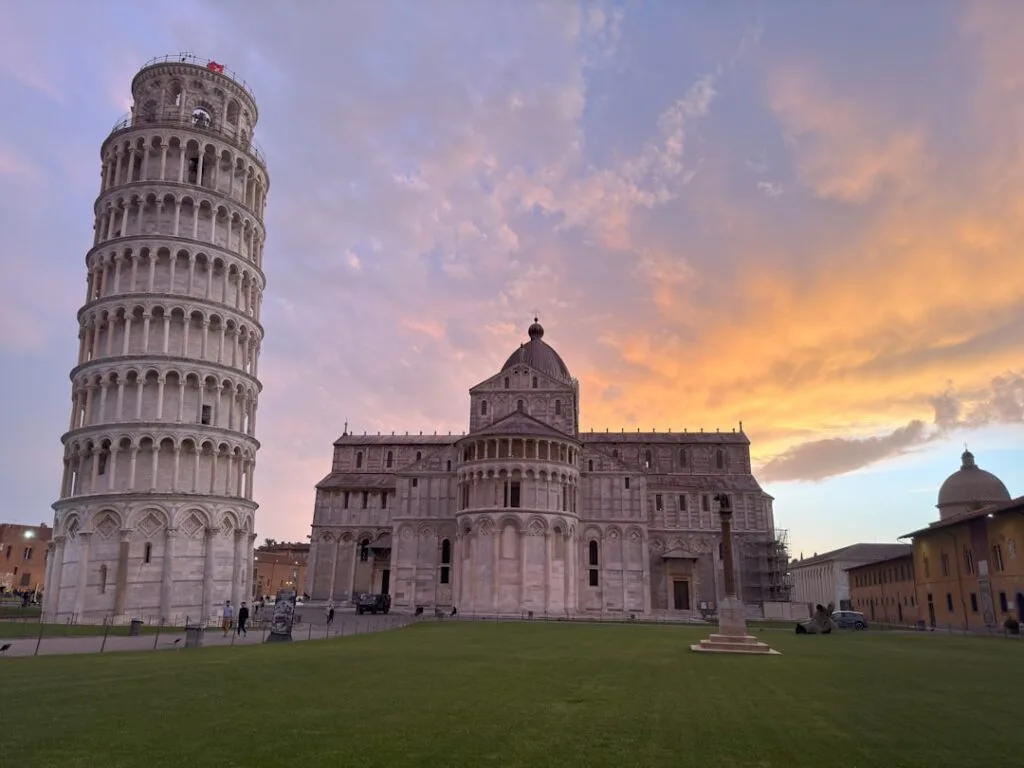
Christmas treats in Pisa: Panforte, Panettone and local specialties
At Christmas, Pisa hums with a sweet tradition that blends Tuscan recipes with Italian classics. While the Panettone is a nationwide staple, in Pisa you’ll often find versions flavored with local citrus, candied orange pieces, and sometimes a splash of vinsanto. Bakeries near the Piazza dei Miracoli and Piazza dei Cavalieri sell artisanal panettoni made with long rise times for a fluffy, aromatic crumb.
The Panforte, originally from Siena, is widely embraced by Pisan families during the holidays: spices, dried fruits, honey and flour create a dense, aromatic cake. It’s commonly sold at historic pastry shops, usually sliced and gift-wrapped. A quieter local must-try is bisciola (a sweet bread with walnuts and raisins) that some bakeries are bringing back into fashion for Christmas.
Where to taste and buy:
- Pasticceria Dolce Pisa — Via Santa Maria 102, 56126 Pisa PI. Hours: Mon–Sat 07:30–20:00, Sun 08:30–13:00. Artisanal panettone: €18–€30 each (medium size).
- Forno Storico San Martino — Via San Martino 23, 56126 Pisa PI. Hours: Tue–Sun 07:00–14:00, Tue–Sat 16:00–19:00. Bisciola and sliced panforte: €3–€5 per portion; whole sweet bread: €12–€20.
Practical tips: buy panettoni and panforte a few days before Christmas since artisans sell out fast; for a travel-friendly souvenir, choose vacuum-packed versions. For an authentic tasting, stop by the Caffè Letterario presso Torre Pendente (Piazza del Duomo, 1) after the tower visit — coffee and a slice of panettone with a glass of vinsanto make a memorable pairing.
Click here to discover a culinary tour with wine tasting
Click here to taste local wines near the Leaning Tower
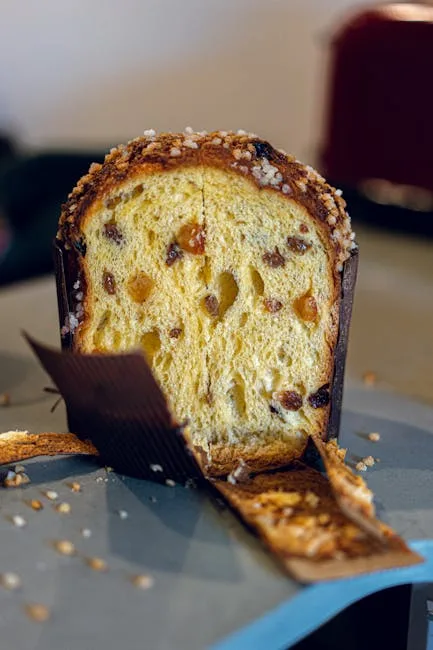
Easter and religious sweets: Colomba, Pastiera and ricotta-based desserts
Easter brings its own indulgences: the Colomba Pasquale, a dove-shaped cake similar to panettone but softer and often topped with almonds and pearl sugar, is highly sought after. In Pisa, colomba is sometimes scented with limoncello or extra-virgin olive oil to give it a local twist. Another favorite from southern Italy that’s loved in Tuscany is the Pastiera: a ricotta and cooked wheat tart flavored with orange blossom water — perfect for those who enjoy creamy textures and floral notes.
Pisan pastry shops also make small ricotta-based cakes, often flavored with vanilla, lemon or orange zest. These desserts, commonly prepared within families, symbolize resurrection and springtime joy and are traditionally shared after Easter mass in parishes such as the Chiesa di Santa Maria della Spina.
Addresses and practical info:
- Pasticceria La Colombaia — Via Santa Maria 76, 56126 Pisa PI. Hours: Mon–Sat 08:00–19:30, Sun 09:00–14:00. Artisanal colomba: €15–€25 depending on size. Pastiera portions: €3.50–€5.
- Mercato Centrale di Pisa — Piazza delle Vettovaglie 7, 56125 Pisa PI. Hours: Tue–Sat 08:00–14:00. Producer stalls: festival dessert portions €2.50–€6.
Local tips: colomba keeps for a few days if well wrapped, but for best flavor, enjoy it within 48 hours. Pisan bakeries often use eggs from local spring-raised hens, adding extra richness to ricotta-based pastries. If you’re in Pisa over Easter, try to attend a mass or local procession to fully appreciate the cultural context of these sweets.
Click here to join a home-cooking class
Festive cookies and local biscuit traditions: Cantucci, Brutti e Buoni and assorted biscotti
Dry cookies hold an important place year-round, and they take on special roles during celebrations: sold in little bags, dunked in morning coffee or in vinsanto at the end of a meal, they represent Pisan conviviality. The Cantuccio (plural cantucci) is a crunchy almond biscuit that’s perfect with sweet wine. Brutti e Buoni are pleasantly imperfect meringue-like cookies made with hazelnuts or almonds, often finished with a light sugared coat.
In Pisa, several traditional biscuit workshops bake these recipes passed down through families. You’ll find them around the Piazza dei Cavalieri and along the Lungarno, and many sell gift tins that make excellent edible souvenirs.
Where to find them:
- Biscottificio Pisano — Via Garibaldi 48, 56126 Pisa PI. Hours: Mon–Sat 07:00–19:00. 500 g tin of cantucci: €6.50. 250 g bags of Brutti e Buoni: €4.50.
- Antica Bottega del Biscotto — Via San Frediano 12, 56125 Pisa PI. Hours: Tue–Sun 08:00–18:30. Assorted gift boxes: €10–€25.
Practical advice: for international travel, pick metal tins or vacuum-sealed packaging to prevent crumbling. For a more authentic experience, ask for a quick workshop tour to see the baking — some bakeries accept small groups by reservation (possible fee €5–€10 per person).
Where to enjoy them on site: cafés, tea rooms and tastings near the monuments
After visiting the landmarks — the Torre Pendente di Pisa (Piazza del Duomo, 56126 Pisa PI), the Duomo di Pisa (Piazza del Duomo, 56126 Pisa PI) and the Battistero di San Giovanni (Piazza del Duomo, 56126 Pisa PI) — nothing beats a sweet break. Several places serve festive desserts to eat in, some with views or historic décor.
Must-visit spots:
- Caffè dell’Opera — Piazza dei Miracoli 8, 56126 Pisa PI. Hours: 08:00–22:00. Coffee + dessert (panettone/pasticciotto): €6–€12. Atmosphere: terrace facing the cathedral (reserve in high season).
- Salotto Dolce Lungarno — Lungarno Galileo Galilei 34, 56127 Pisa PI. Hours: 09:00–20:00. Tea room with assortments of festive biscuits: €4–€10 per serving.
- Gelateria dei Miracoli — Via Santa Maria 22, 56100 Pisa PI. Hours: 10:30–23:30. Ice creams and festive semifreddo (ideal after a holiday meal): €3–€6 per scoop/serving.
Local tips: after visiting the Leaning Tower, buy at-the-counter treats rather than sitting on the terrace if the weather’s cool — it’s often cheaper. Some cafés offer afternoon snack combos (drink + dessert) for around €8–€12 — perfect for a mid-visit pick-me-up. If you’re traveling with kids, aim for quieter times (10:00–11:30 or 15:30–17:00).
Click here to book a private culinary tour to discover
Click here to reserve tickets for the Square of Miracles
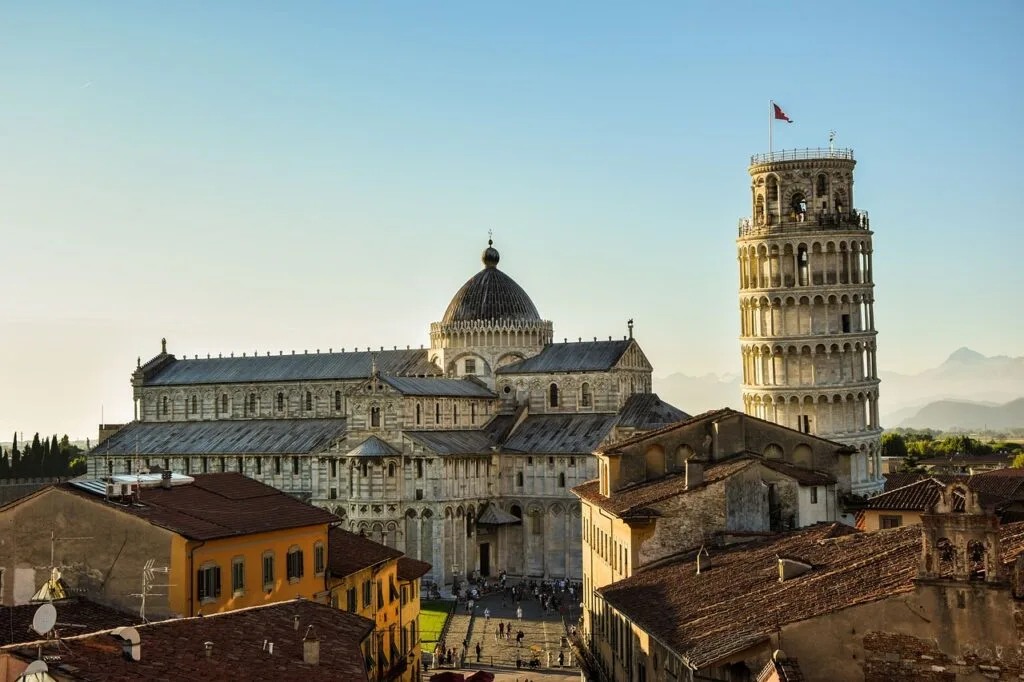
Christmas workshops and markets: buy, learn and bring Pisa’s flavors home
During the Christmas season and winter markets, Pisa buzzes with stalls and workshops where artisans and local associations sell festive desserts. The Mercatino di Natale in Piazza dei Cavalieri (usually in December) gathers local producers: artisan pastries, preserves, sweet wines and biscuits. These stalls are great for buying typical products and taking part in culinary demonstrations.
Practical info:
- Mercatino di Natale, Piazza dei Cavalieri — Piazza dei Cavalieri, 56126 Pisa PI. Dates: December (dates vary). Hours: 10:00–20:00 (opening days vary by year). Entry: usually free; tastings charged (€2–€8 depending on the producer).
- Atelier Pasticceria Tradizionale — Laboratorio Via del Borghetto 5, 56126 Pisa PI. Reservation required. Workshop price: €30–€60 per person (2–3 hours) — includes tasting and recipes to take home.
Practical tips: book workshops weeks in advance during high season; bring a small insulated bag if you buy fresh products that need chilling for the journey. For gifts, favor dry items or preserves (honey, jams, vinsanto) that travel more easily.
Click here to book the ultimate culinary tour with a Tuscan meal

Practical tips for enjoying and bringing home Pisa’s festive desserts
Here are practical pointers to help you enjoy Pisan holiday treats and bring them back safely:
- Transport and storage: for cakes and dry biscuits, opt for metal tins or vacuum-sealed packaging. Ricotta- or cream-based items should be eaten quickly or stored in a cooler for the journey.
- Buy local: favor artisan shops and workshops (a 5–10 minute walk from the Piazza dei Miracoli) over tourist chains — you’ll get better quality, more authentic flavors and often fairer prices.
- Language and ordering: learn two Italian phrases: « Una confezione regalo, per favore » (a gift wrap, please) and « Ha questo prodotto senza conservanti? » (Do you have this product without preservatives?).
- Opening hours: many shops close between 13:00 and 16:00 in certain neighborhoods; plan purchases for the morning or late afternoon.
- Budget: expect to spend €10–€30 for respectable edible souvenirs; for a fuller gift basket, budget €40–€80 depending on the selection.
Conclusion: Take a piece of Pisa to your celebrations
Pisa’s festive desserts tell a story where heritage, local produce and conviviality meet in every bite. Whether you’re wandering around the Piazza dei Miracoli, admiring the Torre Pendente di Pisa or getting lost in the streets of the Quartiere di San Martino, you’ll always find a pastry shop, bakery or market offering the sweets that mark the city’s celebrations. These desserts are more than treats: they are carriers of tradition, gifts to share and sensorial experiences that extend your visit long after you’ve left.
Practically speaking, plan your tasty stops around artisan opening hours, prioritize local purchases for quality, and consider joining a workshop to bring home not only products but know-how. Panettoni, cantucci, colombe and other specialties make thoughtful gifts or souvenirs that will remind you of Pisan oven aromas and the murmur of the Arno. And remember: the best way to enjoy these desserts is together — invite friends or family for a dedicated tasting, pair biscuits with a glass of vinsanto, and let Pisa’s seasons carry you away.