





Introduction: A historical outing among Tuscan towers and walls in Pisa
Pisa is too often reduced to a single iconic snapshot: the Torre Pendente di Pisa leaning in the golden light of sunset. But the story is much broader and richer. This Tuscan city on the banks of the Arno preserves an urban landscape where medieval towers, defensive walls, grand squares and layers of history tell centuries of maritime rivalry, communal power and architectural ingenuity. A historical outing focused on “Tuscan towers and walls” in Pisa is more than a tourist photo stop: it’s an invitation to climb centuries-old staircases, pass beneath fortified gates, listen as landmark names echo, and understand how the urban space was shaped by defense, religion and trade.
As you stroll through Pisa you’ll encounter iconic spots like the Piazza del Duomo (also known as the Piazza dei Miracoli), home to the Torre Pendente, the Battistero di San Giovanni and the Camposanto Monumentale, but also less-photographed relics such as the Piazza dei Cavalieri with the Palazzo della Carovana, and fragments of medieval walls and gates like the Porta a Lucca. These elements, scattered between the historic center and the Arno’s banks, provide a complete reading of Pisan history: from military defenses built to protect the city-state to civic towers raised to display wealth and power.
This guide offers a deep dive: accurate descriptions of monuments, exact addresses to help you find your way, realistic opening times, indicative current prices in euros and practical tips to make the most of your visit. Whether you’re an amateur photographer, a fan of medieval architecture, an urban hiker or a curious traveler, you’ll find routes, crowd-avoidance tips and practical info — like where to buy official tickets and how to access tower tops and walks along the walls. The aim isn’t just to list sites but to provide an immersive narrative: walking along the walls at dawn, hearing the Duomo bells from the loggia, or imagining sentries watching from a tower at dusk.
Throughout this article, visual cues
 Click here to book a walking tour to discover Pisa
 will help you picture the scenes, while structured sections will guide you from the Piazza del Duomo to lesser-known ramparts. Lace up your shoes, grab your camera and bring your curiosity: Pisa offers an open-air history lesson, with stones polished by time and panoramas where the Tuscan horizon melts into the sky.
Must-see monuments at the Piazza del Duomo: towers, baptistery and the Camposanto
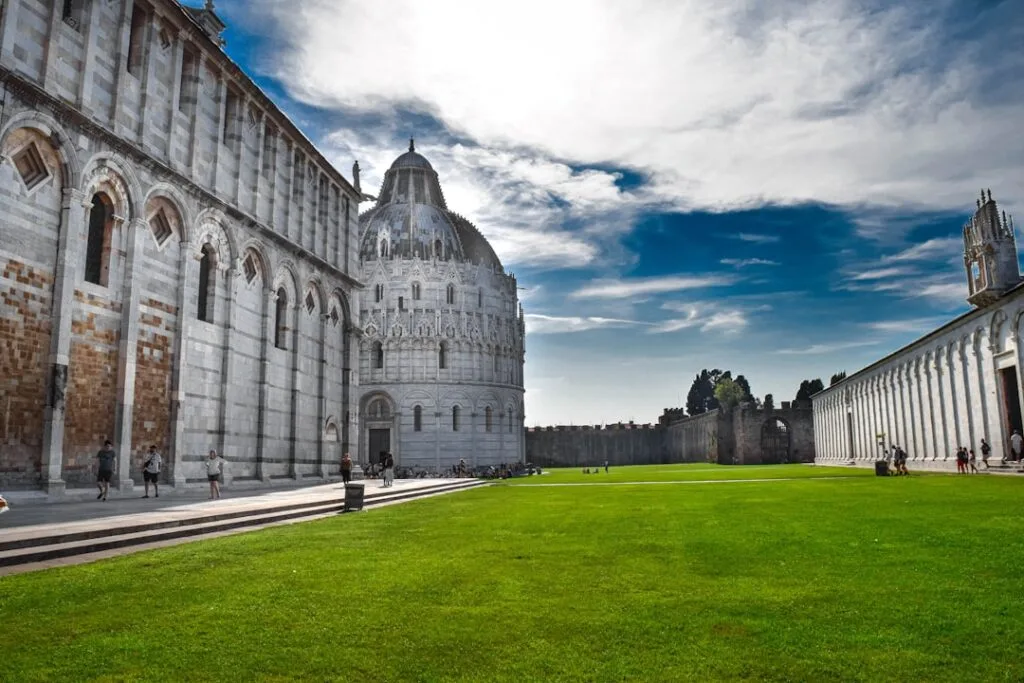
No trip to Pisa is complete without a thorough visit to the Piazza del Duomo (Piazza dei Miracoli), the city’s spiritual and tourist heart. Address: Piazza del Duomo, 56126 Pisa PI, Italy. This large grassy square concentrates several major monuments that tell the story of Pisa’s religious and artistic power during the Middle Ages. Here are the main sights you shouldn’t miss, with practical info and immersive descriptions.
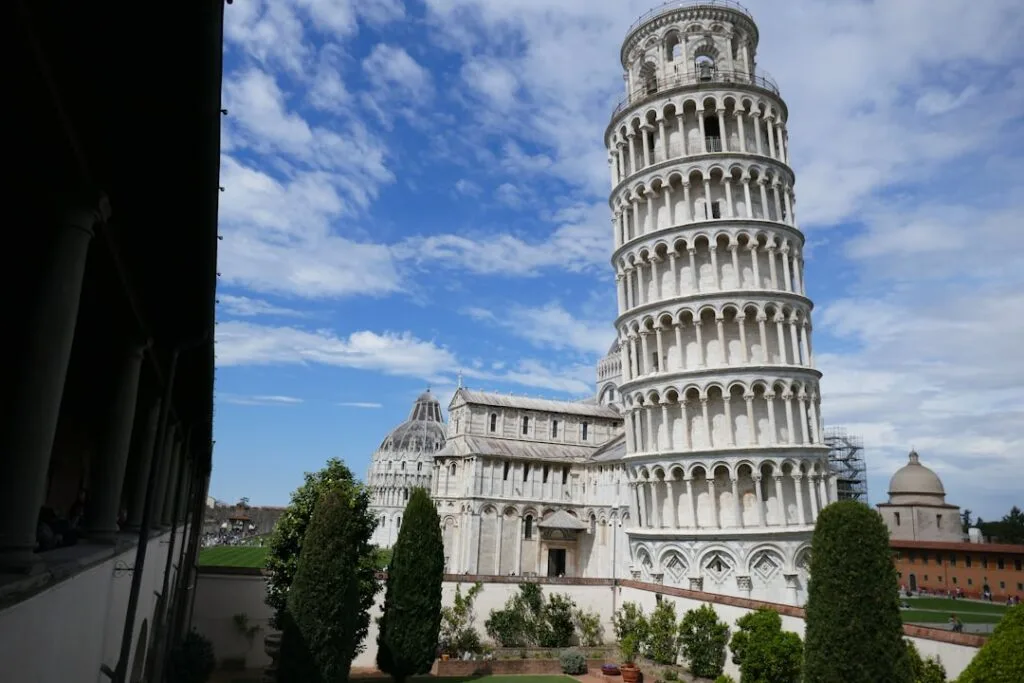
Torre Pendente di Pisa (Leaning Tower of Pisa)
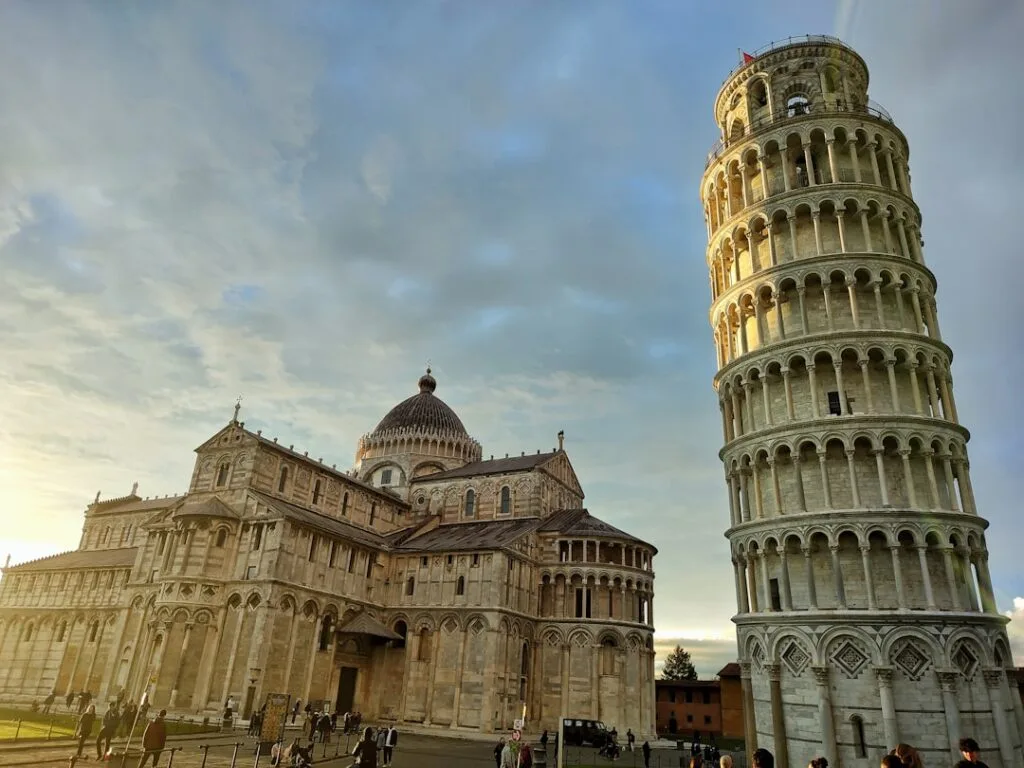
Address: Piazza del Duomo, 56126 Pisa PI, Italy. Opening hours: typically from 09:00 to 20:00 (seasonal hours — check online before visiting). Indicative price: around €20.00 to climb the tower (adult price; reductions for children, students and seniors; online booking strongly recommended). Description: built between the 12th and 14th centuries as the cathedral’s bell tower, the tower is famous for its tilt caused by soft ground. Climbing its 294 steps is a sensory experience: the spiral staircase, the small windows slicing the light and the panoramic view from the upper loggia offer a unique perspective on the cathedral and the city. For photographers, favor early morning or late afternoon slots for softer light and less harsh illumination.
Click here to book tickets for the Leaning Tower and Cathedral
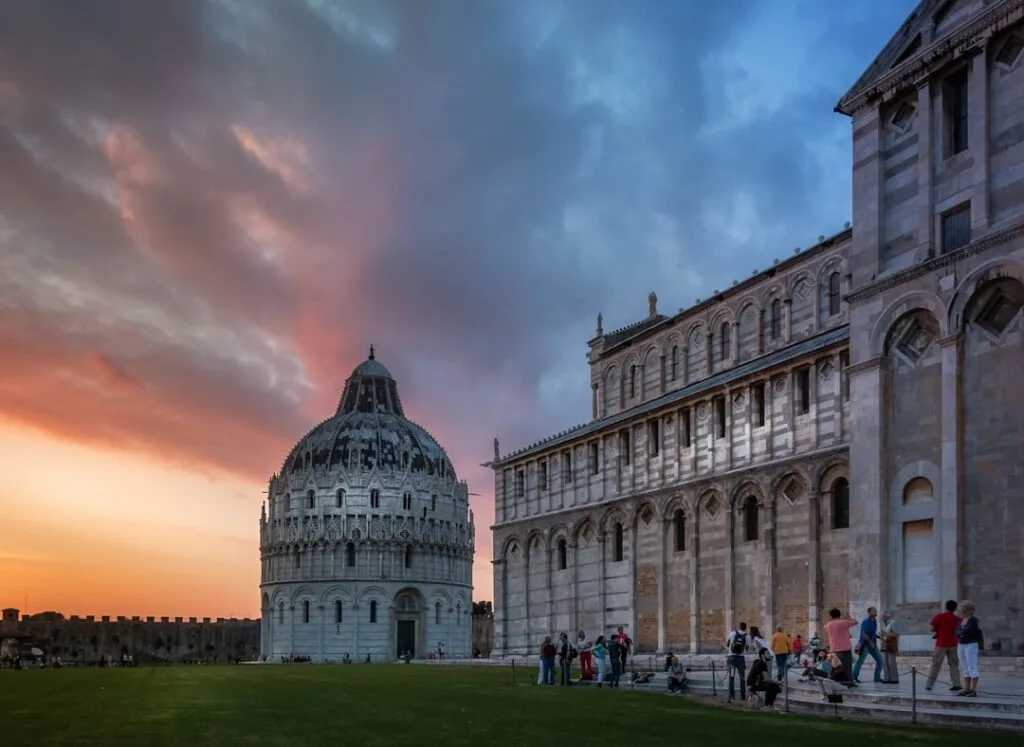
Battistero di San Giovanni (Baptistery)
Address: Piazza del Duomo, 56126 Pisa PI, Italy. Opening hours: typically from 10:00 to 18:00 (hours vary by season). Indicative price: around €6.00 (basic entry). Description: located just in front of the Duomo’s façade, the baptistery is a marvel of acoustics and decoration. Its stone dome and the pulpit sculpted by Nicola Pisano testify to a fusion of Romanesque and Gothic influences. Take time to listen to the natural reverberation during a vocal demonstration (often offered for visitors) and study the reliefs that narrate biblical and allegorical scenes. 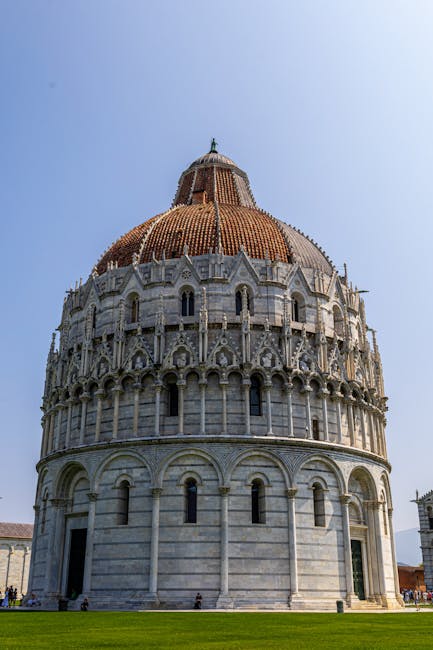
Camposanto Monumentale (Monumental Cemetery)
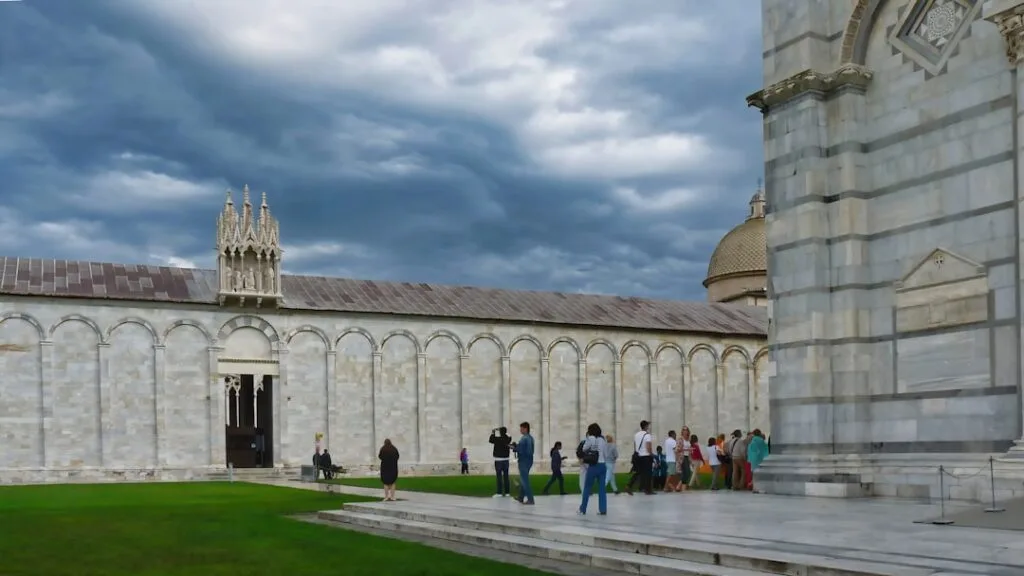
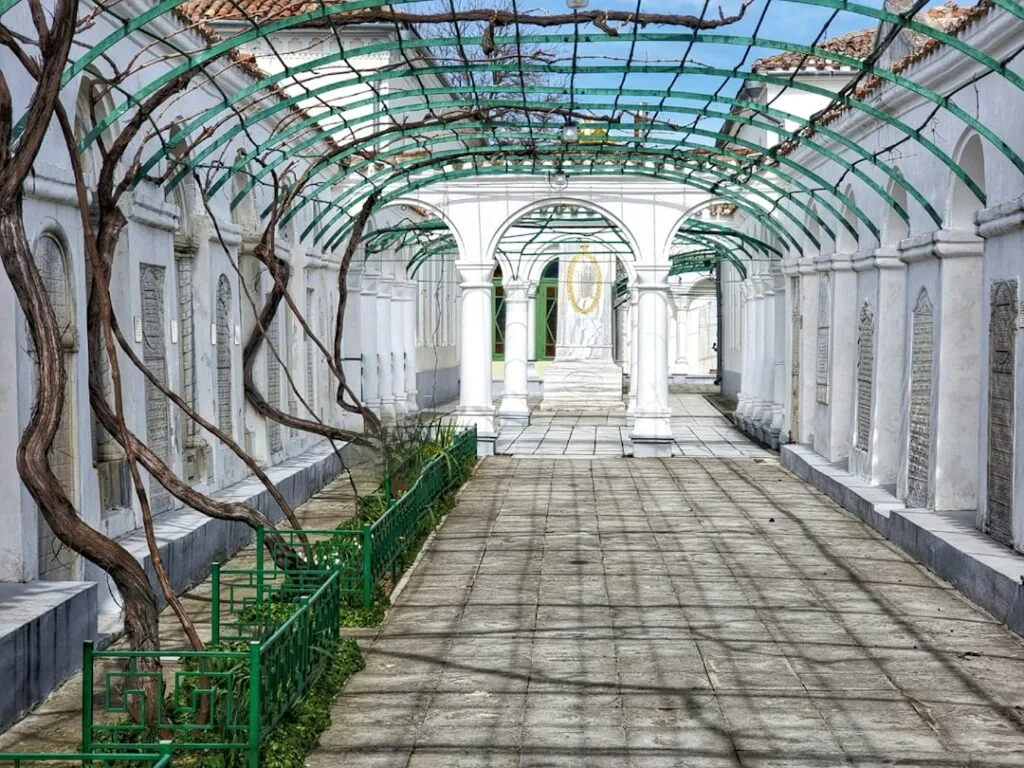
Address: Piazza del Duomo, 56126 Pisa PI, Italy. Opening hours: roughly 10:00–18:00 (seasonal). Indicative price: around €8.00 (entry). Description: this monumental cemetery houses medieval frescoes and ancient sarcophagi aligned under a covered gallery. The atmosphere is solemn and contemplative, ideal for those seeking a quiet moment away from tourist flows. The frescoes, partly restored, provide a pictorial reading of the city’s religious and social history. 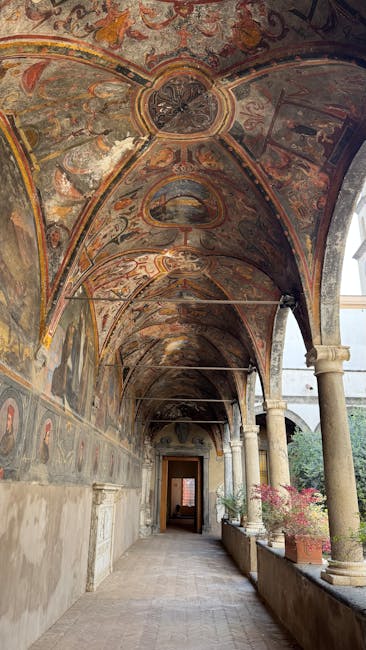
Duomo di Santa Maria Assunta (Cathedral of Pisa)
Address: Piazza del Duomo, 56126 Pisa PI, Italy. Opening hours: the cathedral is often open from 10:00 to 19:00 (times may change for religious services). Indicative price: entrance is sometimes free but may require reservation or a contribution to the Opera della Primaziale Pisana; some areas and exhibitions (museum, terraces) are ticketed (around €6–10). Description: the white and gray marble façade, its golden mosaics and the three-aisled interior evoke Pisa’s maritime and religious might. Look for the Renaissance pulpit, the presbytery mosaics and the rich decoration that reflect Mediterranean artistic exchanges.
Click here to book access to the monuments on the Square of Miracles
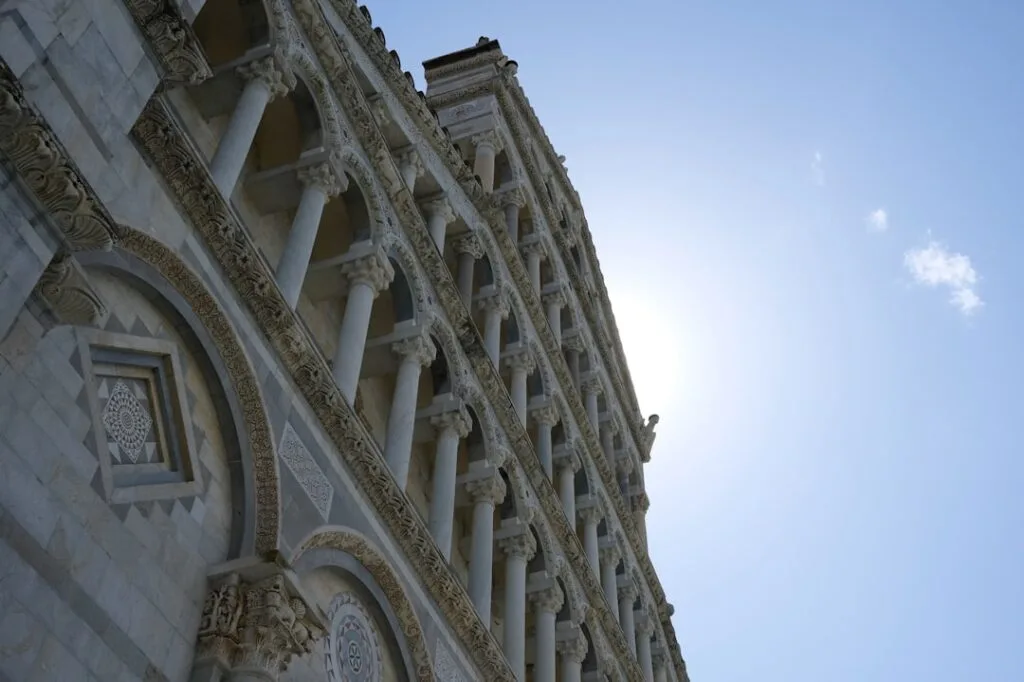
Practical tips: to avoid long lines, book tower and museum tickets through the official “Opera della Primaziale Pisana” website. Arrive early (or late afternoon) to enjoy better lighting for photos and fewer visitors. Wear suitable shoes: ancient floors and steps can be slippery. Finally, respect service times if you plan to visit the cathedral during worship.
Pisa’s medieval walls and gates: walks, bastions and viewpoints
Pisa isn’t just the Duomo square: the city still retains traces of its medieval fortifications that deserve a careful exploration. The walls served to protect the city from land incursions and to control access routes, complementing the maritime power of the Pisan republic. Several sections are still visible and accessible today, creating an attractive urban route for walkers and military history enthusiasts.
Porta a Lucca (Porta a Lucca gate)
Address: Piazza Vittorio Emanuele II (adjacent area), 56125 Pisa PI, Italy. Description: one of the best-preserved medieval gates, once the entry point toward the road linking Pisa to Lucca. The imposing arch and remnants of buttresses allow you to imagine the commercial and military activity that passed through here. The gate gives access to a portion of the internal wall walk, perfect for beginning a historical stroll. 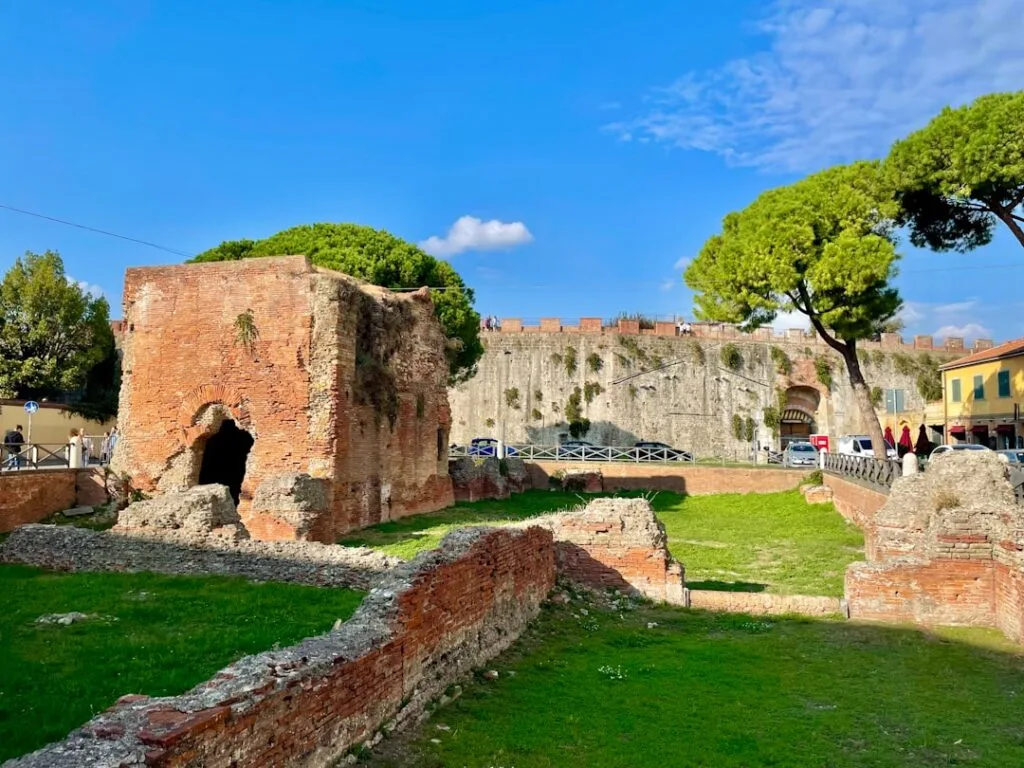
Mura di Pisa (Medieval city walls)
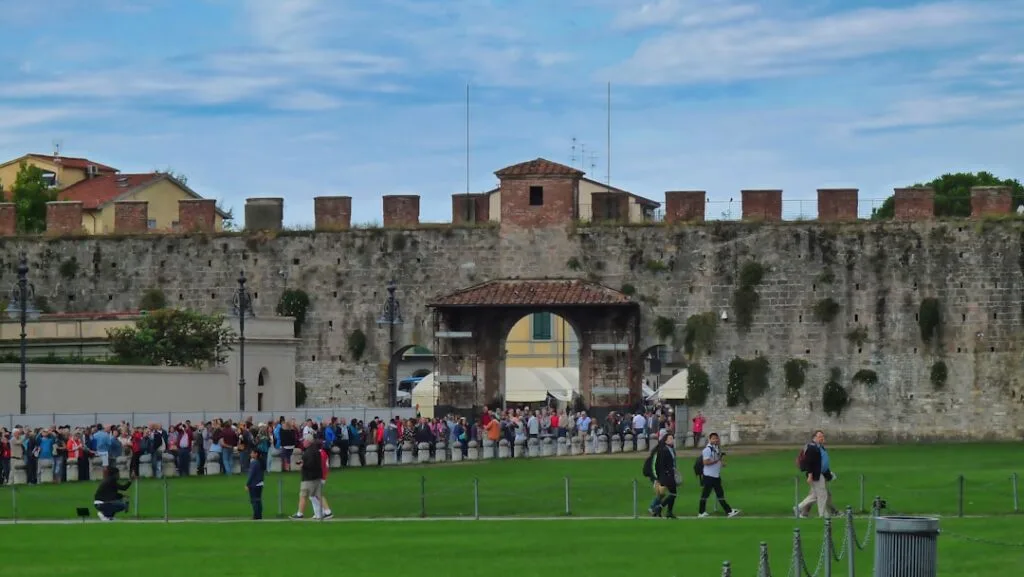
Address: sections visible along the Lungarno and via delle Mura (various stretches); main access points Piazza Garibaldi / Porta a Lucca. Hours: outer ramparts are freely accessible outdoors 24/7; paved sections and paths may close for restoration. Price: free access for the outer walk; some guided visits to bastions may be ticketed (around €3–6). Description: Pisa’s walls offer panoramic walks, especially toward the Arno, where you can spot watchtowers, battlements and bastions. Restored sections include interpretive panels about the history and chronology of works from the 12th to the 16th century. Walking these walls reveals the defensive strategy: tall towers for surveillance, bastions to resist assaults and fortified gates to control trade.
Bastioni and fortifications along the Arno (Bastions and fortifications along the Arno)
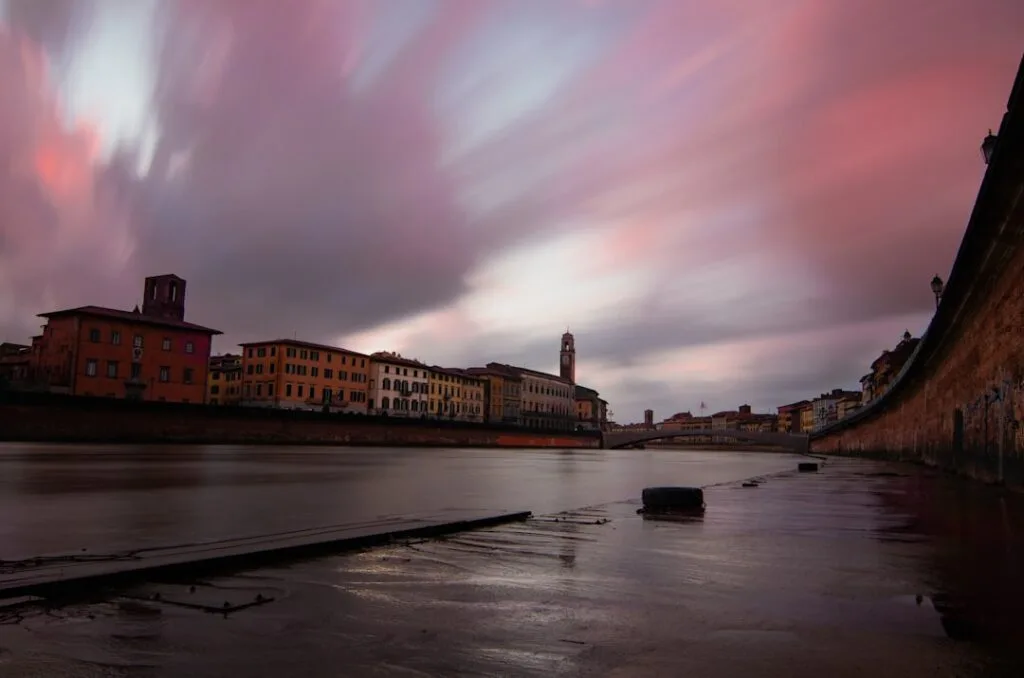
Description: the Arno river has always been a vital artery for Pisa. The river defenses include bastions and counterscarps designed to protect the quays and prevent enemy landings. Some stretches now offer viewpoints over the water and picture-perfect backdrops, especially at sunset when the Arno reflects Tuscan light.
Click here to explore Pisa’s surroundings by e-bike
Click here to book a golf-cart tour beyond the Tower
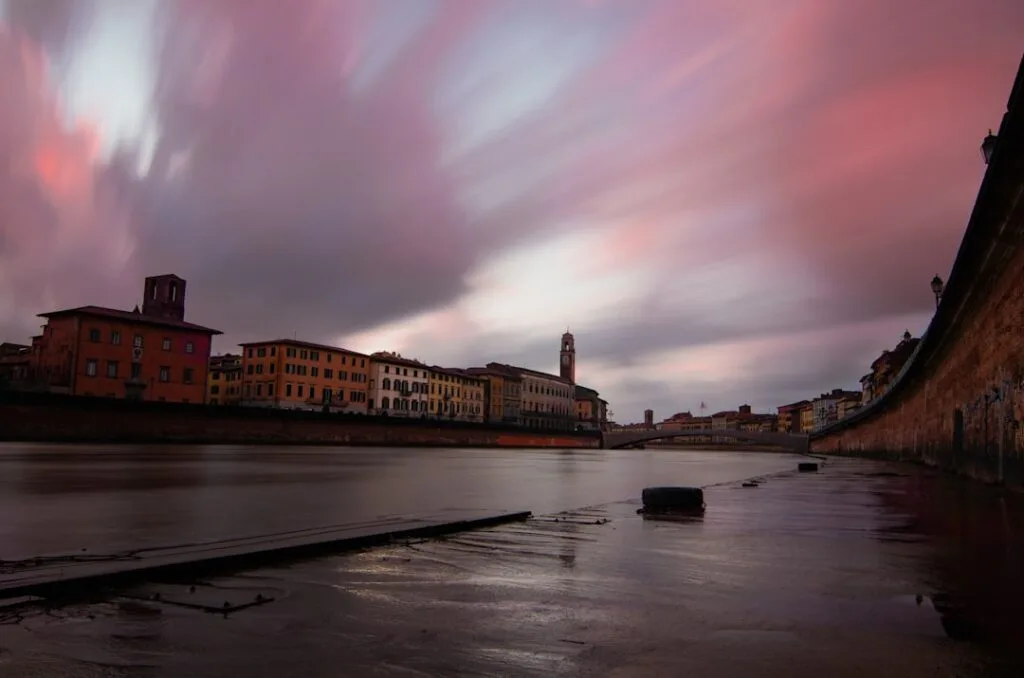
Walking tips: start your route at the Porta a Lucca, then follow the walls toward the historic center, skirting the Lungarno and heading back toward the Piazza dei Miracoli. Bring water and a hat in summer — exposed stretches can be hot and sparsely shaded. Check for restoration works: some sections may be closed for conservation but often alternative routes are signposted. For a richer experience, opt for a themed guided tour (military history, medieval architecture): local guides share anecdotes about sieges, trade agreements and rivalries with Genoa and Florence.
Other towers, palaces and points of interest around the old town
Beyond the Piazza del Duomo and the walls, Pisa holds other towers and historic buildings that deserve attention. These sites complete the urban story and provide a fuller view of the city’s civic, educational and military roles through the centuries. Here’s a detailed selection, with addresses, opening times and practical tips.
Piazza dei Cavalieri and Palazzo della Carovana (Palace of the Knights)
Address: Piazza dei Cavalieri, 7, 56125 Pisa PI, Italy. Hours: exterior visit always possible; some parts accessible via guided tours, times vary (often morning tours between 09:30 and 13:00 for groups). Indicative price: guided tours usually cost around €5–10. Description: once the civic power center under the Republic of Pisa, this elegant square displays sober Renaissance façades and an almost military atmosphere, especially with the Palazzo della Carovana, now home to the Scuola Normale Superiore. Wander the square, study the coats of arms and imagine the political contests that took place here. 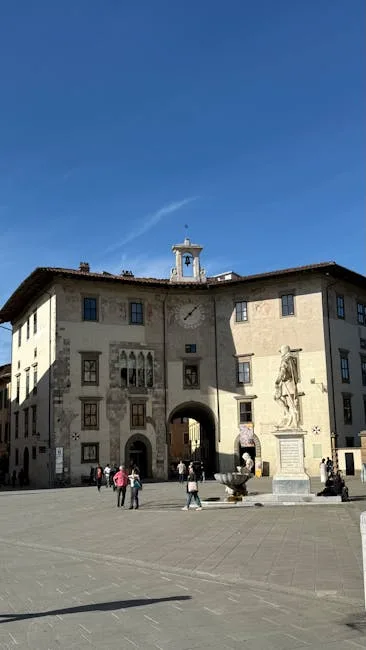
Palazzo Blu (museum and exhibition space)
Address: Lungarno Gambacorti, 9, 56125 Pisa PI, Italy. Hours: typically 10:00–19:00 (closed some Mondays; check temporary exhibitions). Price: permanent and temporary exhibitions cost between €6.00 and €12.00 depending on the show. Description: located on the banks of the Arno, Palazzo Blu hosts art exhibitions and local collections. The renovated interior blends historical decor with contemporary installations, ideal for understanding the links between art, politics and society in Pisa. 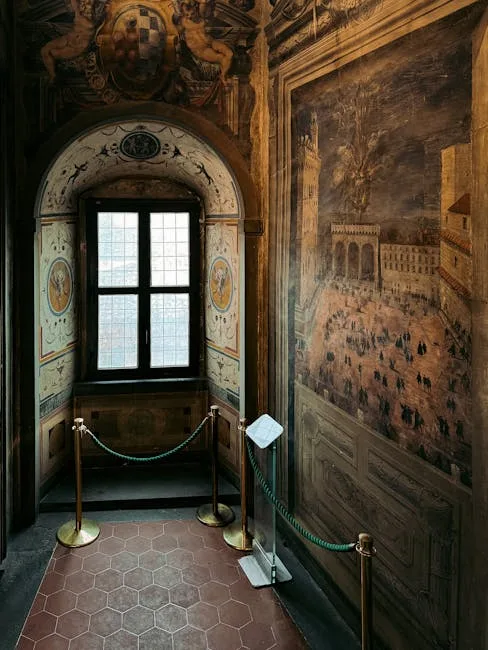
Torre dei Gualandi (formerly Tower of the Gualandi)
Approximate address: area near Lungarno Gambacorti, historic center (historic site without a museum). Description: this tower is tied to historical and literary tales — mentioned in local chronicles and sometimes associated with episodes of medieval imprisonment of notable figures. While it’s not always open to the public as an attraction, its silhouette remains a landmark in Pisa’s dense medieval fabric and offers a direct reading of the city’s compact built environment.
Click here to book a private walking tour of the must-see sites
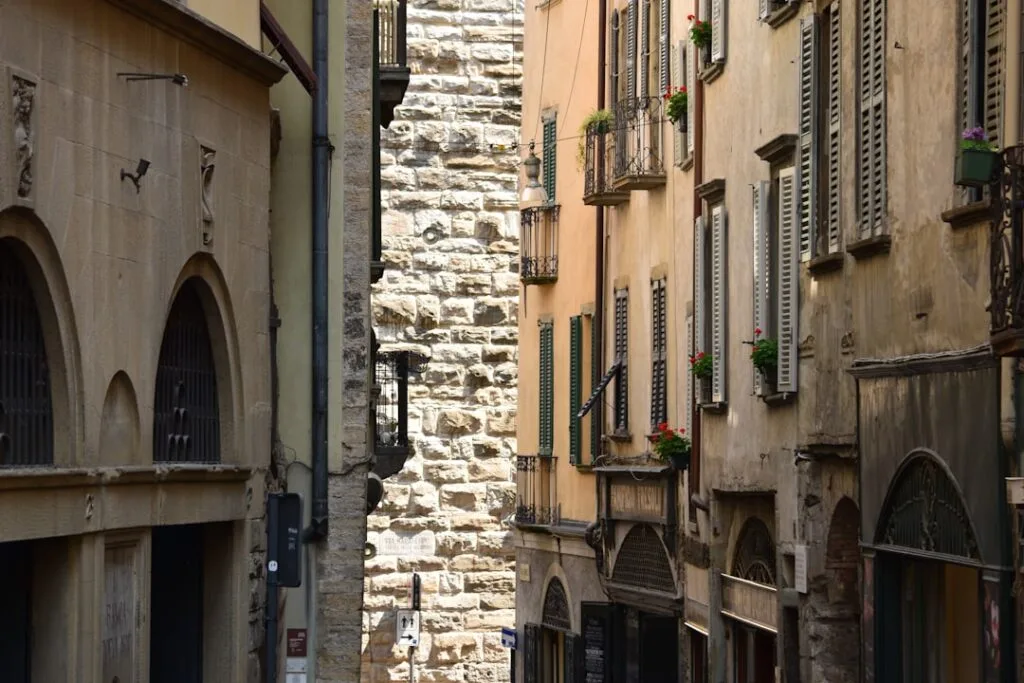
Practical tips: combine a visit to Palazzo Blu with a stroll along the Arno — the contrast between calm water and colorful façades yields excellent photo opportunities. For history buffs, check with tourist offices (IAT Pisa, Piazza Vittorio Emanuele II) for themed guided routes: “fortifications and towers of Pisa” or “medieval Pisa.” These tours, often offered in English and Italian, typically cost between €10.00 and €20.00 per person and may include reduced entry to some museums.
Practical advice, recommended routes and logistical information
Planning a historical excursion centered on Tuscan towers and walls in Pisa takes a bit of organization. Here are concrete tips to optimize your visit, recommended routes depending on your available time, and practical info on tickets, transport and local services.
Tickets and bookings
– Torre Pendente di Pisa: book online via the official site (Opera della Primaziale Pisana) for a timed slot. Indicative ticket: ~€20.00 per adult.
– Piazza del Duomo packages: the Opera offers combined tickets (Duomo, Battistero, Camposanto, Museo dell’Opera). Prices vary: typical combined tickets range from €10.00 to €25.00 depending on chosen modules.
– Palazzo Blu and municipal museums: tickets available on site or online, prices €6–12.
Transport and access
– Pisa Centrale train station (Pisa Centrale, Piazza della Stazione, 56125 Pisa): most of the historic center is walkable from the station (about 15–20 minutes).
– City buses: CPT runs lines linking the station to the Piazza dei Miracoli and neighborhoods around the walls. Single ticket ~€1.50 (buy at tobacco shops or ticket machines).
– Car: if arriving by car, look for paid parking around the Piazza dei Miracoli (parking on Via Cesare Battisti or Park & Ride), daily rates vary (€5–20 depending on location and season). The historic center includes ZTL (limited traffic zones) — avoid entering without authorization to prevent fines. 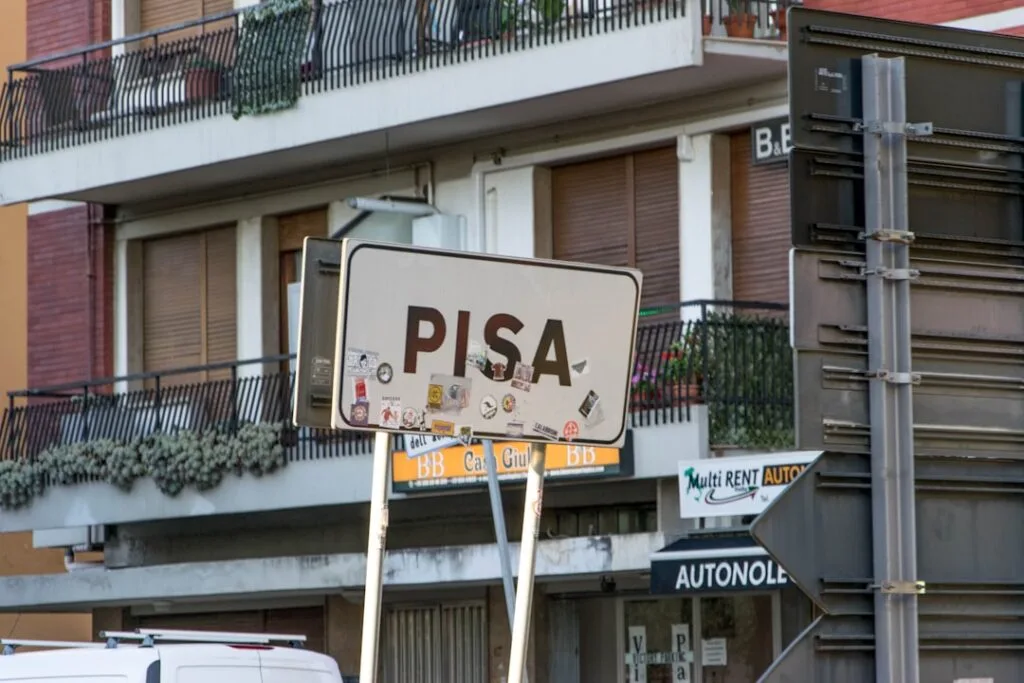
Recommended routes
– Half-day (morning): start at the Piazza del Duomo — visit the Duomo, the Baptistery, climb the Torre Pendente (book a slot) — then stroll toward the Lungarno and stop for lunch.
– Full day: Piazza del Duomo in the morning, Camposanto and Museo dell’Opera, lunch near Borgo Stretto, afternoon walk on the walls from Porta a Lucca, then Piazza dei Cavalieri and Palazzo Blu late afternoon.
– Themed “walls and views” route: begin at Porta a Lucca, follow the walls along the Arno, cross toward the Lungarno, climb an accessible tower (if a guided tour is available), enjoy sunset from the Arno quays.
Click here to buy an audio guide for the cathedral and baptistery
Local tips and safety
– Opening times: monument hours vary between low and high season; always check online before you go.
– Tickets: prioritize official outlets to avoid resellers. Timed entry is strict for the Torre Pendente.
– Accessibility: climbing towers usually involves narrow, steep stairs; not recommended for visitors with reduced mobility. Gardens and some wall sections remain accessible to all.
– Food and breaks: for an authentic meal, look for trattorie in Borgo Stretto and around Via Santa Maria (main courses typically €10–18). For a quick coffee, expect to pay €1–2 at the counter. 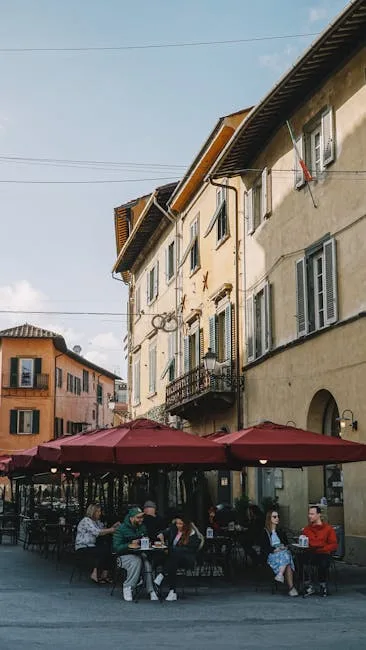
By following these tips and booking essential items (Torre Pendente, key museums), you’ll enjoy a complete historical outing among Tuscan towers and walls, with a balance between major discoveries and walks off the beaten path. Pisa is best explored on foot: every alley, gate and rampart tells a different chapter of its past.
Conclusion: feeling history while walking Pisa’s towers and walls
Seeing Pisa through the lens of towers and walls means letting time shape your perspective: the stones here speak of urban planning, maritime rivalries, faith and defense. Between the tilted majesty of the Torre Pendente di Pisa (Piazza del Duomo, 56126 Pisa PI) and walks along the Mura di Pisa, the experience will swing between pictorial wonder and historical reflection. The addresses mentioned in this article — Piazza del Duomo, Piazza dei Miracoli, Piazza dei Cavalieri, Lungarno Gambacorti and Porta a Lucca — form a network best discovered on foot: each stop brings fresh facts, viewpoints and memorable photos.
Click here to book a minibus tour to Pisa and Lucca
Practically, plan to reserve the Torre Pendente and check museum and monument hours (Camposanto, Battistery, Palazzo Blu). Combined tickets offered by the Opera della Primaziale Pisana can save time and sometimes money; themed guided tours provide context and local anecdotes that a simple paper guide cannot convey. In summer, aim to start early to enjoy soft light and a less crowded city; off-season you’ll appreciate quieter streets and more available guides.
Finally, think of Pisa as a gateway to Tuscany: after tracing its towers and walls, you can continue your journey to Lucca (Lucca), Florence (Firenze) or the Livorno coast to deepen your understanding of regional defensive systems and urban dynamics. Whether you’re a photographer, amateur historian, romantic traveler or casual stroller, the city offers a route where history unfolds through stones, arches and views over the Arno. Keep your curiosity alive: behind every gate and every tower there’s a story waiting to be heard.