





Introduction: Wandering Pisa’s Local Markets
Pisa isn’t just home to the famous Torre di Pisa and the majestic Piazza dei Miracoli; it’s a lively city where local markets tell the culinary and social story of Tuscany. Losing yourself among colorful stalls, inhaling the scent of fresh herbs, tasting a slice of aged cheese, and haggling a bit over a bottle of olive oil — these are the everyday experiences that guidebooks don’t always highlight, but they reveal the real, daily soul of Pisa.
Pisa’s markets are urban microcosms where rural producers mix with early-morning fishmongers, veg sellers and artisans. They showcase a variety of must-try products: sheep cheeses (pecorino), Tuscan cured meats (finocchiona, salame), extra-virgin olive oils from the San Miniato area, local wines (plus tips on travel-friendly bottle sizes), rustic breads, fresh pasta and local pastries like biscotti. Beyond food, you’ll also find crafts — hand-painted ceramics, woven baskets, olive-oil soaps — and sometimes small street-food stalls ready for an instant bite.
This guide will walk you through Pisa’s main markets with exact addresses, opening hours, price ranges, immersive product descriptions and practical tips to shop like a local: how to ask for a sample, useful Italian phrases, how to pack fragile items for your trip, and basic rules for keeping purchases fresh in summer. We’ll also cover specialized markets — the fish market for fresh seafood lovers, the indoor market for delicatessens, and occasional markets selling clothing and antiques. Whether you’re planning a day trip or a longer stay, this info will help turn a simple market stroll into a genuine culinary and cultural experience.
Finally, I’ll share practical payment tips, the quietest times to visit, useful vocabulary (for example: « Quanto costa? » to ask the price, « Posso assaggiare? » to ask for a taste) and little secrets to avoid tourist traps. Grab your cooler bag, some small change and your curiosity — let’s explore Pisa’s local markets.
 Click here to discover the ultimate food tour in Pisa
Mercato delle Vettovaglie (Piazza delle Vettovaglie) — Pisa’s lively food hub
Address: Piazza delle Vettovaglie, 56125 Pisa PI. Mercato delle Vettovaglie is a cluster of stalls in the historic center, a stone’s throw from Piazza dei Cavalieri and about 1.2 km from the Leaning Tower. It’s the market most frequented by locals and students from the University of Pisa. Opening hours: Monday to Saturday from 08:00 to 14:00 (some vendors stay open until 18:00 to sell non-perishables). Closed on Sundays.
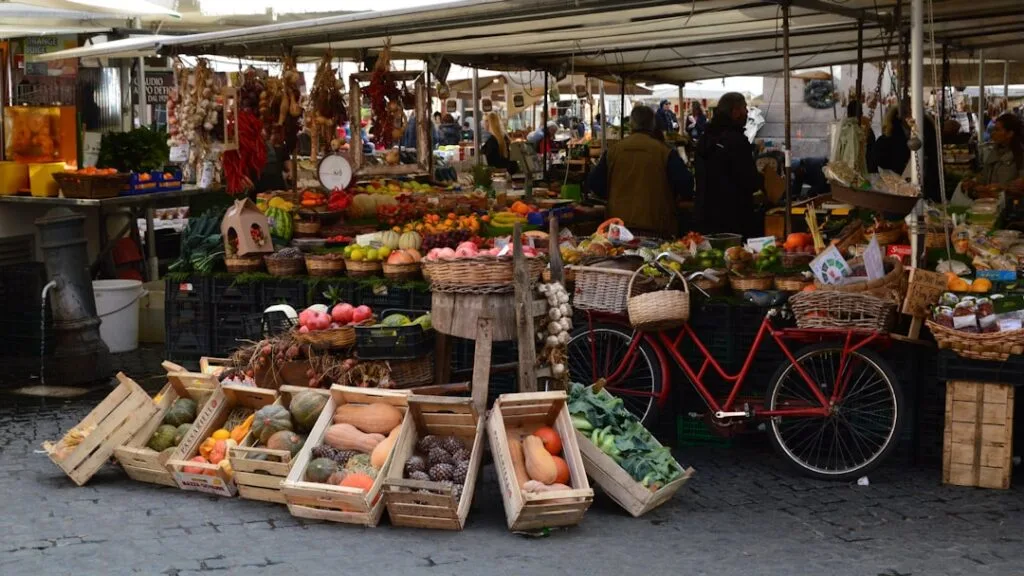
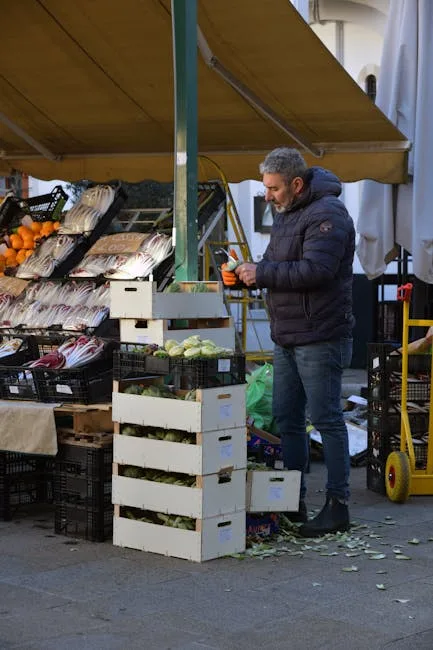
Description: Stand under the stone arcades and follow the colors: stacks of San Marzano tomatoes, crates of juicy peaches, aromatic herbs (rosmarino, salvia, basilico) and wild mushrooms in season. Cheese stalls mainly offer Tuscan pecorino (average 14–25 €/kg depending on aging) and fresh caciotte (6–12 €/kg). You’ll also find a great selection of cured meats: finocchiona (12–18 €/kg), Tuscan salame (10–15 €/kg) and artisanal pancetta (10–20 €/kg).
Immersive experience: On Saturday mornings the market is buzzing — artisans, strollers and street vendors create an irresistible atmosphere. Don’t hesitate to ask for an « assaggio » (a sample) of cheese or salami: local sellers often oblige, especially if you buy something afterward. For coffee, look for the small bar on the square (often called « Bar La Vettovaglia » or similar) for an espresso around €1.10–1.50 and a cornetto at €1.20–1.80.
Practical tips: bring sturdy reusable bags and, for perishables, a cooler bag for summer transport. Some vendors accept cards, but it’s safer to carry some cash for stall purchases (€5–20 will get you a generous tasting). Best times: early morning (8:00–10:00) for selection and freshness, late morning for a livelier vibe. Watch out for pickpockets during peak tourist times — keep your bag closed and close to you.
Click here to discover the ultimate food tour in Pisa
Mercato Coperto di Piazza delle Vettovaglie — indoor market & deli shops
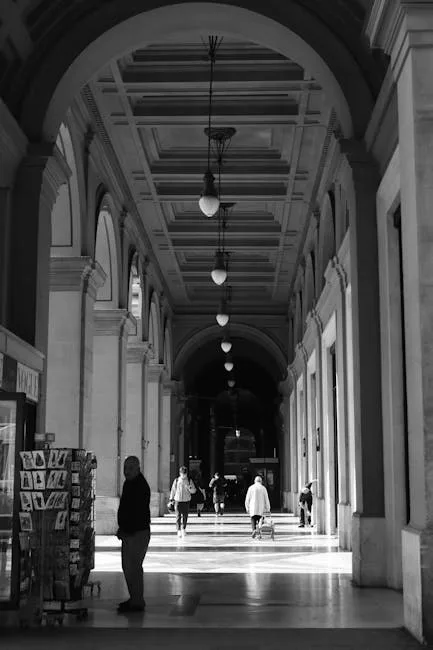
Address: Vicolo del Tidi 3 (entrance from Piazza delle Vettovaglie), 56125 Pisa PI. Located under the arcades and often referred to as the covered market of the square, it brings together permanent stalls and a few specialty grocery shops. Opening hours: Tuesday to Saturday 09:00–19:00, limited opening on Sundays, usually closed on Mondays.
Description: This indoor market features curated pantry items: extra-virgin olive oils from small producers (500 ml bottles from €8 up to €25 for special vintages or single-varietal oils), artisanal balsamic vinegars (100 ml €6–18 depending on concentration), handmade pasta (500 g €2.50–6) and local canned goods (peeled tomatoes 400 g €1.50–3).
There’s a fish counter and deli corner preparing ready-to-go specialties: baccalà alla livornese, crostini with chicken livers, and grilled vegetable antipasti. Takeaway portions cost €3–8 depending on the preparation. Cheese sellers label their products with aging time, origin (Montescudaio, San Miniato) and tasting tips.
Atmosphere and services: The covered setting makes this market perfect in bad weather. Stalls are often family-run for generations; you’ll frequently get free pairing advice on cheese and wine. Have a few questions ready (for example, « Qual è il vostro olio migliore per insalate? » — what’s your best oil for salads) to start a conversation and get valuable recommendations.
Practical tips: check oil labels (DOP, IGP) if you want traceability. For purchases over €30–40, ask if they can gift-wrap or use special conservation packaging. Cards are accepted in most fixed shops, though smaller deli counters may prefer cash.
Click here to taste cured meats and olive oil near Pisa
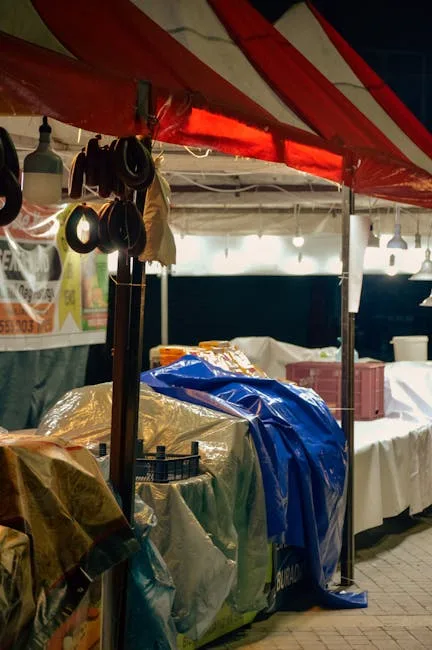
Mercato Ittico di Pisa / Pescheria del Lungarno — fresh fish and seafood
Address: Lungarno Mediceo (near Ponte di Mezzo), 56127 Pisa PI. The fish market runs early mornings along parts of the Lungarno, and the traditional Pescheria di Pisa (fish shop) sits near the San Martino neighborhood. Hours: quay fish market 06:00–10:00 Tuesday to Saturday; fish shop open Tuesday–Saturday 07:30–13:30 and 16:00–19:00 (summer hours may vary).
Description: Local fishermen bring in shellfish, sardines, anchovies, cuttlefish and squid depending on the day’s catch. Prices vary widely: whole sardines €3–6/kg, whole cuttlefish €6–12/kg, sea bream €10–18/kg depending on size, loose mussels €3–6/kg. Fishmongers often offer filleting and cleaning for a small extra fee (generally €1–3 per fish depending on size).
Immersive experience: Arriving at the fish market at dawn is a full sensory plunge — river air, the slap of nets and vendors calling out. For an instant taste, some stalls sell « frittura di paranza » to go (a small mix of fried small fish) from about €4–6 a portion. If you’re staying in an apartment, ask the fishmonger the best way to store your purchase (ice, special paper) for the journey.
Practical tips: if buying fish to cook, ask about origin and fishing method (« pescato locale », « pesca sostenibile »). Bring a cooler bag and ice packs if you’re traveling by train or car. Sales can end quickly: visit between 06:30 and 08:00 for the best selection. Fishmongers usually accept cash; plan on €10–50 depending on quantity.
Click here to take a kayak trip on the Arno
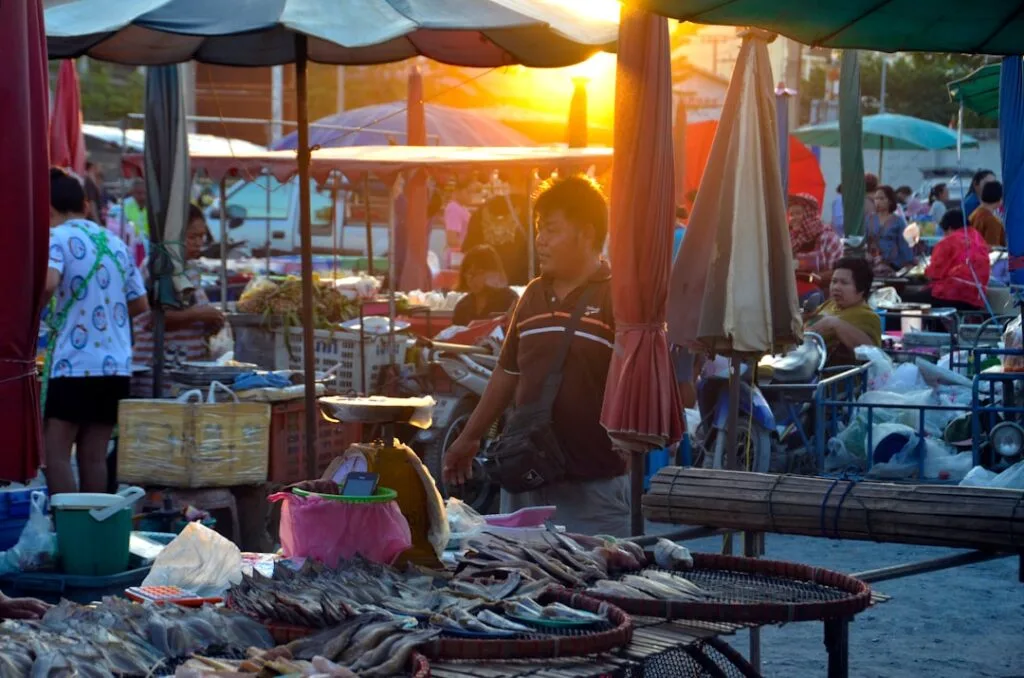
Open-air & occasional markets — fashion, antiques and organic goods
Pisa also hosts temporary and weekly markets that change the city’s landscape: the Porta a Mare street market, the flea market at Largo Ciro Menotti, and monthly organic fairs sometimes held at Parco delle Concette or along the Lungarno. These markets usually take place on Sunday mornings or monthly depending on the season. Typical hours: 08:00–14:00.
Description: These fairs offer a huge variety: second-hand clothes, antiques, handmade jewelry, books and sometimes organic food stalls. Antique lovers should watch for special events at Piazza dei Miracoli (dates vary) offering collectibles, vintage posters and tableware. Prices can range from one euro for a small item to several hundred euros for furniture or a rare artwork.
Immersive experience: wander between stalls, sift through boxes of vinyl, uncover an embroidered tablecloth or taste artisanal honey — these markets are full of stories and negotiation. For organic goods, expect local honey jars (250 g €4–8), artisanal jams (250 g €3–6) and pesticide-free vegetables (prices similar to the main market). Artisan markets highlight handmade work: painted ceramics, leather jewelry, and olive-oil soaps (€3–6 each).
Practical tips: bring coins for small purchases and a large bag if you plan to buy textiles or ceramics. Bargaining is common for antiques and second-hand goods — start about 20–30% below the asking price and stay polite. For organic products, ask for the label or origin (« biologico », « prodotto locale »). Arrive early for the best finds and leave with a printed business card or a photo of the vendor if you want to order more later.
Click here to taste Pisa street food on a walking tour
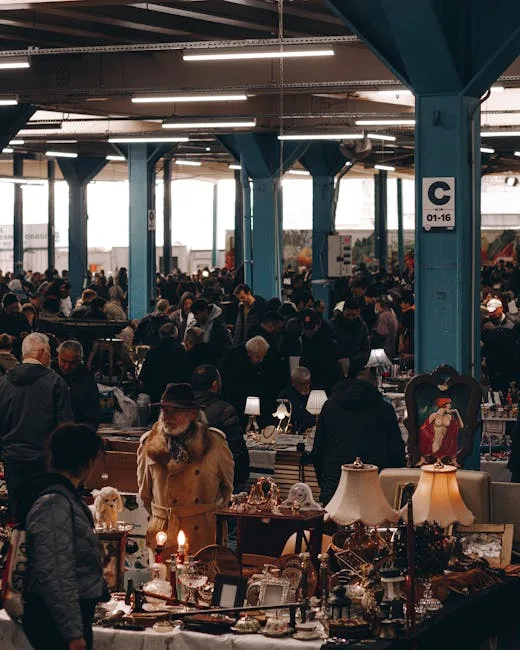
General practical tips for visiting and shopping Pisa’s markets
Hours & planning: most outdoor food markets run in the morning (08:00–14:00). Fish markets and some popular stalls open as early as 06:00. Covered markets have longer hours (09:00–19:00) and are often closed on Mondays. Always check local public holidays; for example, Festa della Repubblica (June 2) or Fiera di San Ranieri can change opening times.
Payments & cash: many stalls prefer cash for small amounts. Carry small bills (€5–20). Fixed shops accept cards (Visa, Mastercard); some small vendors now use mobile terminals (SumUp, iZettle) and accept card or smartphone payments. If you plan to buy bottles of olive oil or tins in bulk, tell the seller you want secure packing (bubble wrap, boxes) — sometimes free; otherwise budget €1–3 for packaging.
Transport & packing: if you’re traveling by train (Pisa Centrale), most markets are walkable or reachable by city bus. For fragile purchases (ceramics, bottles) ask for professional packing or buy packing materials at the covered market. Bring a cooler bag for fish and dairy, especially in summer. For bulky items, consider international shipping: some producers will prepare parcels for dispatch (additional fees and customs formalities apply).
Useful phrases & etiquette: a few handy Italian lines — « Quanto costa? » (How much is it?); « Posso assaggiare? » (Can I taste?); « Mi fa uno sconto? » (Can you give me a discount?); « Lo porto via, per favore » (I’ll take it, please). Be polite, smile and be ready to listen to vendors’ advice: they’re often proud of their products and happy to share recipes or storage tips.
Conclusion: Tasting Pisa beyond the Tower
Visiting Pisa’s local markets is your chance to understand the city from the inside: its links to the land, the sea and convivial life. From the stalls at Piazza delle Vettovaglie to the fishmongers along the Lungarno, each market maps a geography of flavors and know-how. You’ll leave with products — pecorino, olive oil, baccalà, or an artisanal jam — but just as importantly with conversations, cooking tips picked up at counters, and sometimes a little rolodex of contacts passed down through generations of vendors.
Practically speaking, come prepared: cooler bags for fresh items, small change for stalls, and a few basic Italian phrases to ease transactions. Try to arrive early to enjoy freshness and the best selection, but also come back late morning for the lively weekend atmosphere. If you plan to take items home, ask for secure packing and check shipping options for the largest or most fragile pieces.
Finally, leave room in your schedule for the unexpected: a surprise street-food stall, a free wine tasting, or discovering a honey producer who tells you about the local biodiversity. Those moments are often the most memorable. Pisa truly reveals itself at stall height: the leaning tower is only a picture; the real Pisa is found among the smells, tastes and voices of its markets. Safe travels and happy tasting!
Click here to book your tickets for Piazza dei Miracoli monuments