





Introduction: Pisa Beyond the Tower — why wander the secret alleys
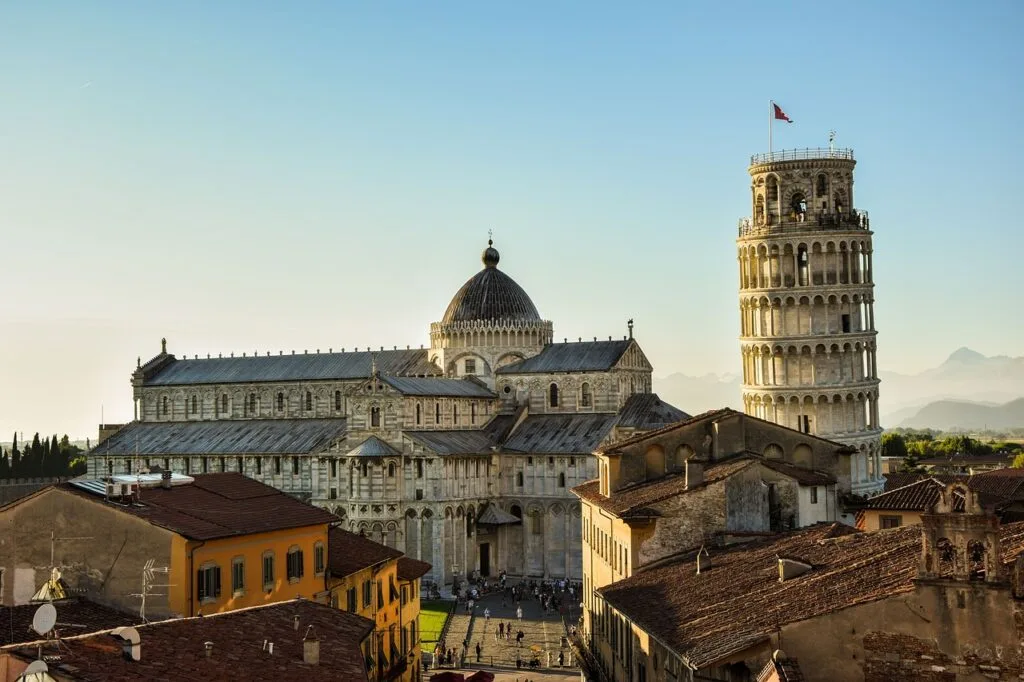
Pisa is all too often reduced to a single postcard-ready sight: the Torre Pendente di Pisa (Leaning Tower of Pisa) and the broad lawn of the Piazza dei Miracoli. Yet the city hides an intimate network of alleys, small gardens, forgotten churches and riverside stretches that tell the everyday story of Pisans from the Middle Ages to today. Intentionally getting lost in these narrow streets gives you access to another Pisa — less touristy, more authentic — where every door, little square and façade holds a tale of craftsmen, merchants, students and sailors.
This article offers a sensory walking route through Pisa’s secret alleys, packed with practical details — full names, exact addresses, entrance fees, opening hours and local tips — to turn a stroll into a real discovery. Whether you love Romanesque architecture, ivy-clad walls, neighborhood cafés or unexpected views of the Arno, you’ll find specific suggestions here to plan your steps.
Places covered include the majestic but often overlooked Chiesa di Santa Maria della Spina, tucked at the water’s edge; the medieval charm of Borgo Stretto and its historic shops; the contemplative atmosphere of the Camposanto Monumentale and the Museo dell’Opera del Duomo; as well as tiny passages like Vicolo del Tidi (a short alley rooted in local tradition) or Via Santa Maria, where you’ll find cafés and trattorie frequented by residents. You’ll also learn how to buy combined tickets for the Piazza dei Miracoli complex, which times to choose to avoid crowds, and where to enjoy a caffè al banco like a Pisano.
Pisa’s secret alleys aren’t just architectural curiosities: they act as urban micro-ecosystems dotted with craft shops (leather makers, restoration workshops), small university libraries and unexpected green spaces, like the very old Orto Botanico di Pisa. For each spot I give the exact address, typical hours and entrance fee (when applicable), plus practical advice — which angle to shoot at sunrise, where to sit and watch local life, or how to head down to the Arno for a romantic evening moment.
Finally, the article includes visual cues to help plan your photos and routes, with precise suggestions of images to look for before you visit. Lace up comfortable shoes: the real Pisa is revealed slowly, alley by alley.
The medieval maze: Borgo Stretto, Via Santa Maria and the little lanes
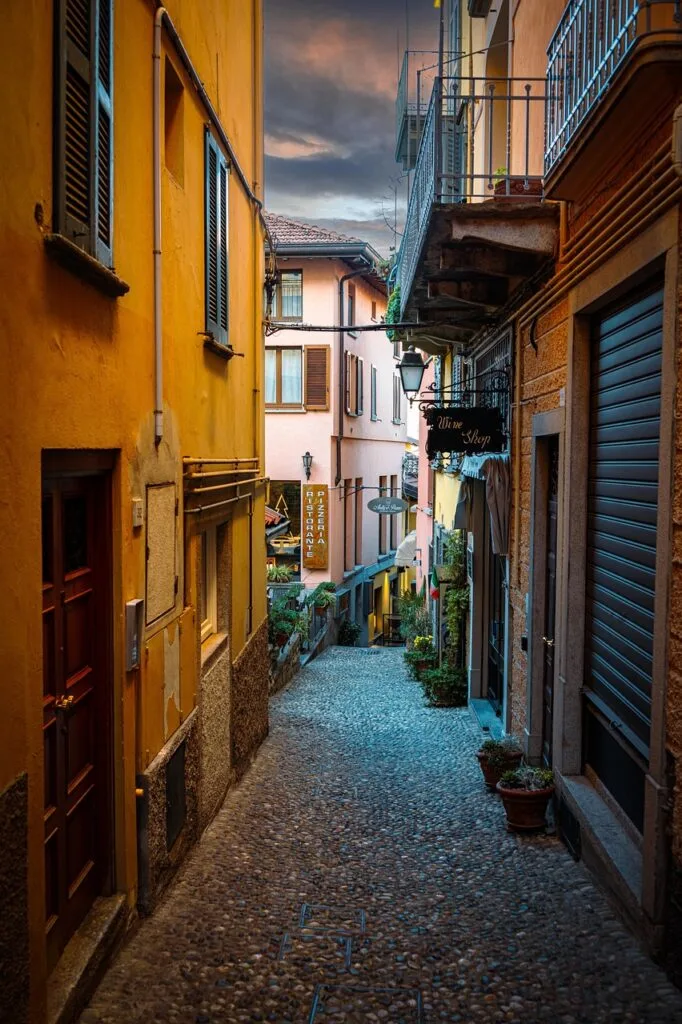
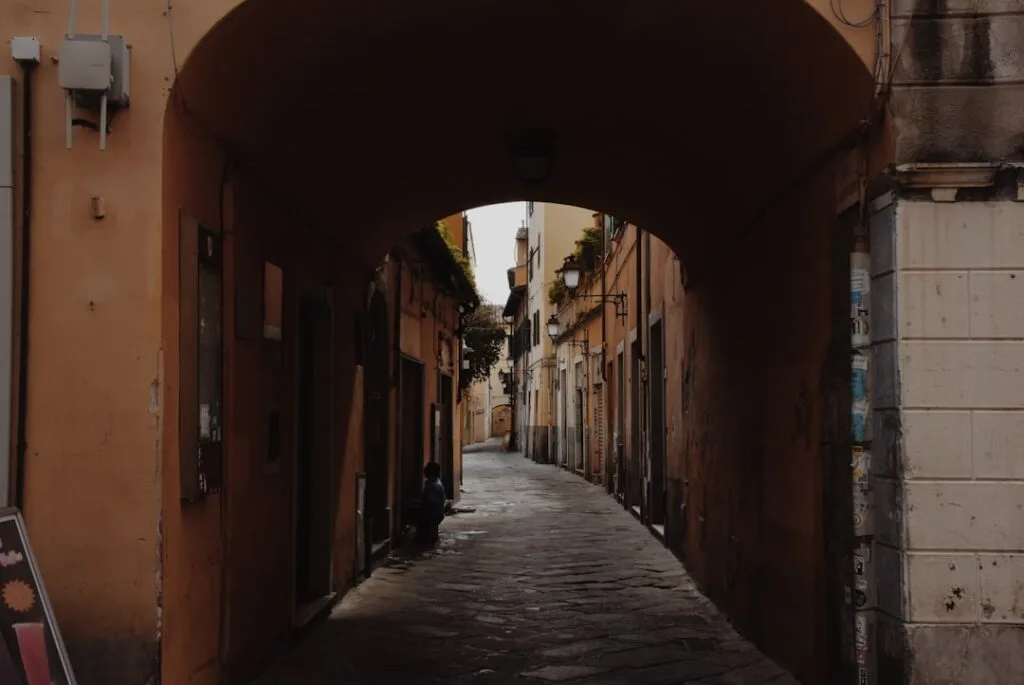
Start your exploration on Borgo Stretto, the historic thoroughfare linking the city center to the banks of the Arno. Address: Borgo Stretto, 56125 Pisa PI, Italy. This paved street, flanked by arcades and centuries-old shops, still carries the imprint of medieval merchants. Walk against the main tourist flow to spot ornate façades, memorial plaques and family-run leather shops. A short walk away, Via Santa Maria (Via Santa Maria, 56126 Pisa PI) slips into narrow lanes where the smells of bread and espresso mingle.
Practical tips: arrive early (8:00–10:00) to enjoy cafés opening and to photograph the arcades without crowds. Shopkeepers are more available in the morning to share the history of their businesses; don’t hesitate to ask closing times — many close between 13:00 and 16:00 for a siesta. Historic shops don’t charge entry, but bring cash for small purchases.
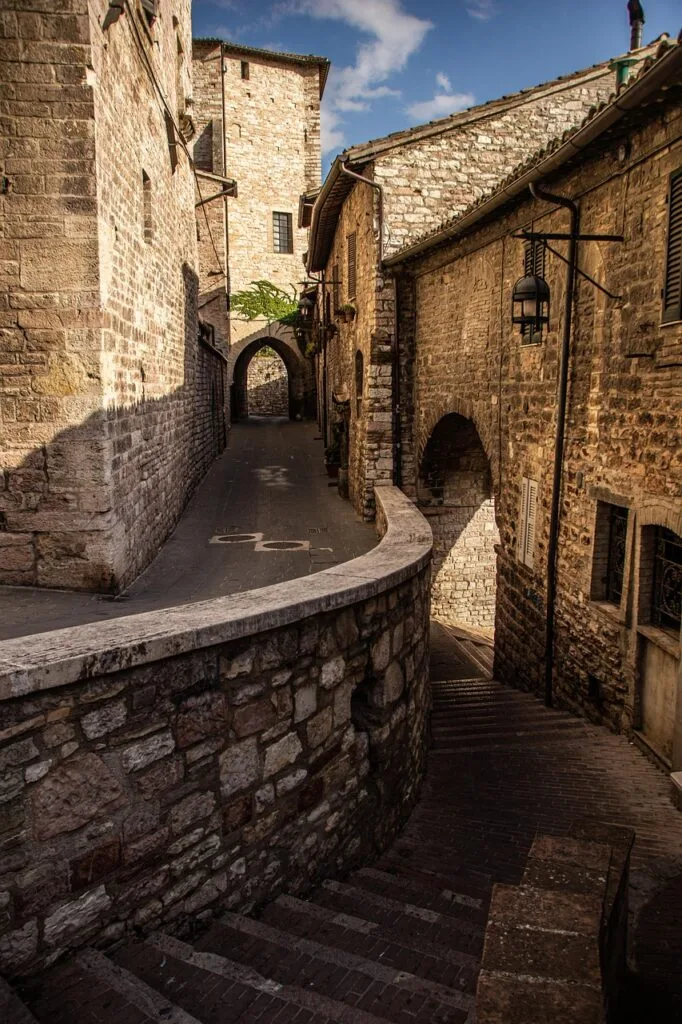
If you’re after even more secret passages, explore Vicolo del Tidi (near Borgo Stretto) — a short, picturesque alley — and Via San Martino, dotted with small workshops and family-run restaurants. Indicative address: Vicolo del Tidi, 56125 Pisa PI. Don’t be afraid to turn down unexpected side streets: arcades or stairways often lead to calm little squares where children play and older residents gather to chat.
 Click here to book a private walking tour of hidden gems
Click here to book a private walking tour of hidden gems
To eat: stop at a local osteria to try a crostini toscani (€4–8) or a plate of pasta — trattorie in these lanes often offer a daily menu (primo + secondo + contorno) for around €12–18. For a quick coffee, a caffè al banco usually costs between €1.00 and €1.50.
Along the Arno: Santa Maria della Spina and lesser-known riverwalks
The Chiesa di Santa Maria della Spina is a Gothic gem perched on the Arno’s edge, often overshadowed by larger monuments but essential for anyone wanting to feel the city breathe with the river. Address: Lungarno Gambacorti, 56125 Pisa PI, Italy. Built in the 13th century and restored multiple times, the church is notable for its delicate sculptures and its almost literal position « on the water’s edge. » Access to the interior can be limited due to ceremonies or restorations; entry is generally free, but donations are appreciated.
Just upstream and downstream, stroll along the quays to find different views of the bridges and the city: the Lungarno Gambacorti offers ideal perspectives at sunset. General address: Lungarno Gambacorti, 56125 Pisa PI. On summer evenings, Pisans gather on the riverbanks to enjoy a drink or a chat, creating a friendly, relaxed vibe.
Hours and tips: the church doesn’t have consistent public hours — it may be open in the morning and closed in the afternoon depending on parish activities. For photography, aim for the golden hour (30–60 minutes before sunset): the white stone of the church glows warmly and contrasts beautifully with the Arno’s dark water. Watch out for mosquitoes in summer: bring spray or lotion if you plan to sit near the water.
For a tasty riverside break, look for small gelaterie and kiosks selling panini (€4–6) and artisan gelato (€3–5). Benches along the Lungarno are perfect for watching river life: rowing, boat rides and sometimes street performers.
Click here to book a kayak excursion on the Arno
Click here to book a boat tour along the coast
Quiet monuments and museums: Camposanto, Museo dell’Opera del Duomo and small chapels
The Piazza dei Miracoli is Pisa’s monumental heart, but several of its components deserve a closer, quieter visit: the Camposanto Monumentale (Camposanto Monumentale, Piazza del Duomo, 56126 Pisa PI), the Museo dell’Opera del Duomo (Piazza del Duomo, 6, 56126 Pisa PI), and the Battistero di San Giovanni (Piazza del Duomo, 56126 Pisa PI). Rather than rushing to the Torre Pendente di Pisa alone, spend time in the museum and monumental cemetery to understand funerary practices, frescoes and liturgical objects.
Prices and hours (approximate): the combined ticket « Opera della Primaziale Pisana » — granting access to the Torre Pendente di Pisa, the Duomo di Pisa, the Battistero di San Giovanni, the Camposanto Monumentale and the Museo dell’Opera — usually costs between €20 and €25 depending on the season. Typical hours: Duomo di Pisa 10:00–18:00, Battistero 9:00–19:00; Museo dell’Opera 10:00–18:00; Camposanto 10:00–18:00. Always check the official site for seasonal variations and reserved time slots.
Why spend time here? The Camposanto Monumentale houses frescoes and tombs around a peaceful cloister — an ideal spot to feel historical silence between noisier visits. The Museo dell’Opera del Duomo displays original works removed from the cathedral and baptistery, including sculptures by Nicola Pisano. Take time to read the information panels: they place Pisa’s maritime rivalry with Genoa and Pisa’s role as a medieval artistic center into context.
Click here to reserve your ticket for the Square of Miracles
Click here to book your ticket for the Square of Miracles

Practical tips: book combined tickets online to avoid queues, especially in high season. Climb the Torre Pendente di Pisa in closed shoes (narrow spiral staircases); access is limited to a set number of visitors per time slot (check the arrival window printed on your ticket). Photographers will appreciate long morning shadows on the piazza’s lawn; later in the day the light softens for sculptural detail shots.
Hidden gardens, markets and everyday life: Orto Botanico, markets and neighborhood trattorie
To breathe in everyday Pisa, nothing beats a break at the Orto Botanico di Pisa (Botanical Garden of Pisa), one of Europe’s oldest university botanical gardens. Address: Orto Botanico, Via Luca Ghini, 13, 56126 Pisa PI, Italy. Founded in the 16th century, it offers greenhouses, medicinal plants and shaded paths. Typical hours: 8:30–18:00 (seasonal variation). Entry fee: around €4–6 for adults, reduced rates for students and seniors.
During market days (often in the morning), wander the local market near Piazza delle Vettovaglie (Piazza delle Vettovaglie, 56125 Pisa PI): fresh produce, Tuscan cheeses and clothing stalls. It’s the perfect chance to sample local specialties without going to tourist restaurants: a bag of fresh fruit (€2–4) or a local focaccia (€2–3) will make your culinary visit feel authentic.
Trattorie and cafés: look for small spots on side streets like Via dei Cavalieri and Via Giosuè Carducci. A neighborhood trattoria will often serve a « menu del giorno » (€12–18): ideal for lunching like a local. Wine lovers can order a glass of Vernaccia di San Gimignano or a local Chianti (about €4–7 per glass).
Practical tips: carry small change for markets, opt for small plates to share so you can taste multiple dishes, and remember closing hours: many shops close between 13:00 and 16:00. If you plan to buy food products, ask about storage (some cheeses need refrigeration).
Click here to discover Pisa on a food tour and tasting
Click here to discover Pisa on a food tour and tasting
Conclusion: lose yourself to truly find Pisa
Exploring Pisa’s secret alleys means slowing down and listening to the city. Beyond the postcards of the Piazza dei Miracoli, Pisa offers discreet treasures: a Gothic façade by the Arno, a leather shop where the Pisano dialect is still heard, a bench at sunset on the Lungarno, a botanical garden exhaling forgotten scents. The precise addresses and practical details provided here — from the Torre Pendente di Pisa to the Chiesa di Santa Maria della Spina, via the Camposanto Monumentale and the Orto Botanico di Pisa — should help you build an off-the-beaten-track itinerary without sacrificing safety or comfort.
Final tip: plan a full day or two half-days. In the morning, explore the Piazza dei Miracoli and its museums; in the afternoon, get lost in Borgo Stretto, Via Santa Maria and the small lanes. Book paid sites online if possible (Tower, Baptistery, Museo dell’Opera) and always keep a paper map or an offline screenshot of opening hours, since parish closures or restoration work can change access. Also, don’t forget to try local food in a neighborhood trattoria, carry a small bottle of water and wear comfortable shoes: medieval cobbles are no place for heels.
At the end of your walk, remember that the best photo of Pisa isn’t always the leaning tower — often it’s a reflection on the Arno, a colorful door in a shaded alley, or a cat lounging on an ancient wall. Favor curiosity and friendliness: greet shopkeepers, ask the story behind a façade, sit at a terrace and let the city tell you its secrets. Enjoy the discovery — Buon viaggio e buona esplorazione a Pisa!