





Introduction: Why the view from the Bastion di San Antonio is a must-see in Pisa
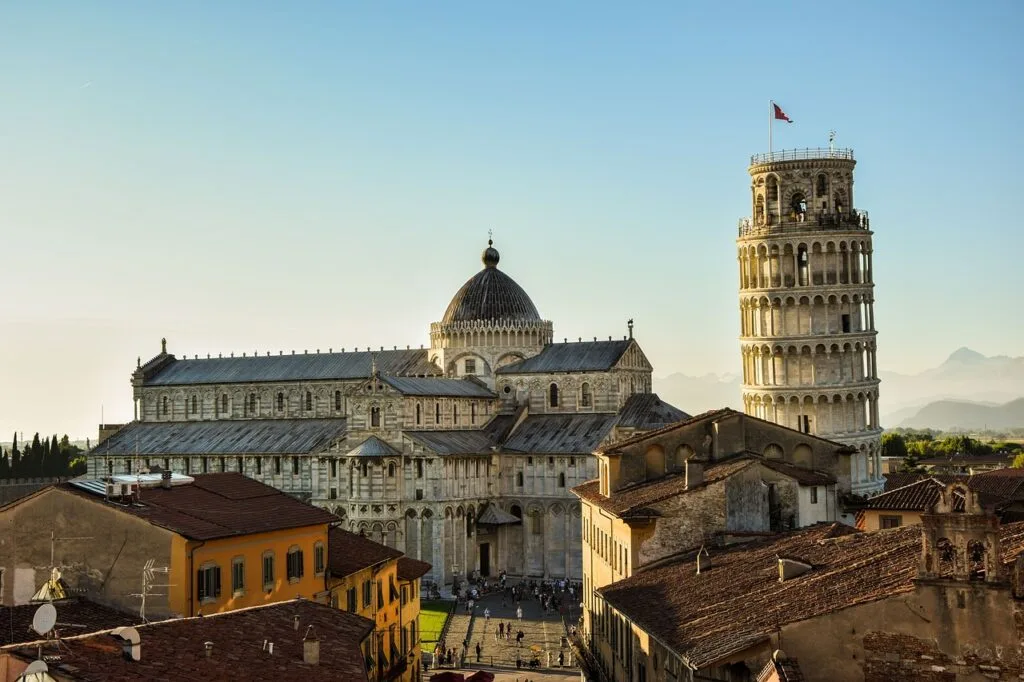
The Bastion di San Antonio, sometimes called in Italian Bastione di Sant’Antonio, is one of Pisa’s favorite urban viewpoints for both visitors and locals. Perched on a surviving section of the old city fortifications, the bastion offers a unique perspective on the historic center: the Arno winding toward the sea, terracotta rooftops, medieval bell towers and, on very clear days, the distant silhouette of the Tuscan hills. Unlike the more tourist-packed vantage points — like the Piazza dei Miracoli with its famous Torre Pendente — the Bastion di San Antonio provides a quieter, more contemplative spot perfect for twilight photography, solitary strolls and romantic moments.
Culturally, the bastion is interesting because it physically embodies Pisa’s military and urban history: its walls, buttresses and access points tell the story of centuries when the city defended itself from river and land incursions. For architecture and history lovers, its proximity to major monuments — the Cattedrale di Pisa (Duomo di Pisa), the Battistero di San Giovanni and the Camposanto Monumentale — makes it easy to combine visits and viewpoints without changing neighborhoods. The bastion also often feels like a transition zone between everyday, market-filled Pisa and the grand, guidebook version of the city.
Practically speaking, the site is reachable on foot from Pisa Centrale station in about 20 minutes, or by local bus from Piazza Vittorio Emanuele II. The walk along the Lungarno is particularly pleasant, with cafés and gelaterie where you can stop before reaching the bastion. The area is free in most cases: it’s a public stretch of the walls and an open esplanade. That said, some sections may be temporarily closed for conservation work, cultural events or safety reasons, so it’s wise to check local information before planning your visit.
Finally, for photographers, painters and travelers seeking inspiration, the Bastion di San Antonio offers incredible light plays: low, grazing light in the morning; reflective mid-day light on the Arno; and a fiery sky at sunset that accentuates the stone façades and the tops of the poplars along the river. In this guide I’ll walk you through how to reach the bastion, the best time slots, exact viewing spots, practical info (addresses, prices, opening times for nearby major sights), and local tips to get the most out of your visit to Pisa.
 Click here to book your tickets for the Square of Miracles and the Tower
Click here to book tickets for the Square of Miracles and Tower
History and exact location of the Bastion di San Antonio: understanding the site
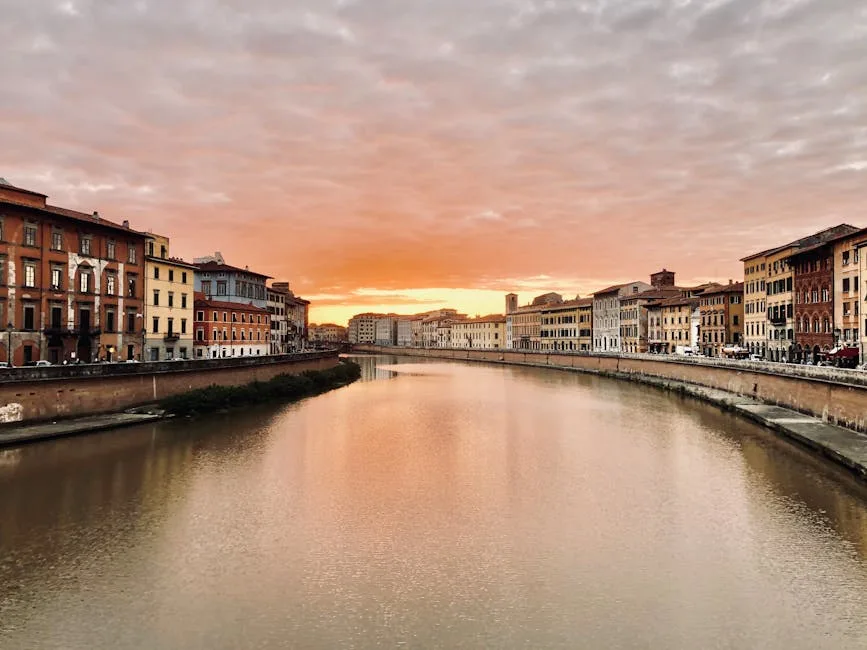
The Bastion di San Antonio is part of Pisa’s historic defensive wall system. Built and reworked across different eras — from the Middle Ages through the Renaissance — it reflects the evolution of military techniques and how the city reorganized its defenses against river and land threats. The bastion sits right by the Arno, on the bank that offers panoramic views to the west and toward the historic center.
Exact address (practical coordinates): Bastion di San Antonio, Lungarno Antonio Pacinotti, 56126 Pisa PI, Italy. This location places it just west of Piazza Vittorio Emanuele II and roughly 1.1 km from Piazza del Duomo (where the Torre Pendente, Cattedrale di Pisa and Battistero di San Giovanni are located). To find it on a map, search for “Bastione di Sant’Antonio Lungarno Pacinotti Pisa”.
Access: most visitors reach the bastion via steps or ramps from Lungarno Antonio Pacinotti. The esplanade is mainly pedestrian; however, some stretches of the ramparts near the bastion can be fenced off for conservation. Architecturally, the bastion mixes local stone with brick repairs: on site you can still spot former arrow slits turned into observation openings and uneven cobbles that narrate the wear of time.
Preserving authenticity: many Pisans and cultural associations work to preserve the bastion and occasionally run guided tours, exhibitions or open-air readings. If you can join a guided visit, you’ll learn details often missed by hurried passersby: carved inscriptions, historic repairs, or traces of old drainage systems designed to protect the foundations from Arno floods.
Click here to book a 2-hour walking tour of Pisa
Click here to book a 2-hour walking tour of Pisa
The view: what you can see from the lookout and the best times to go
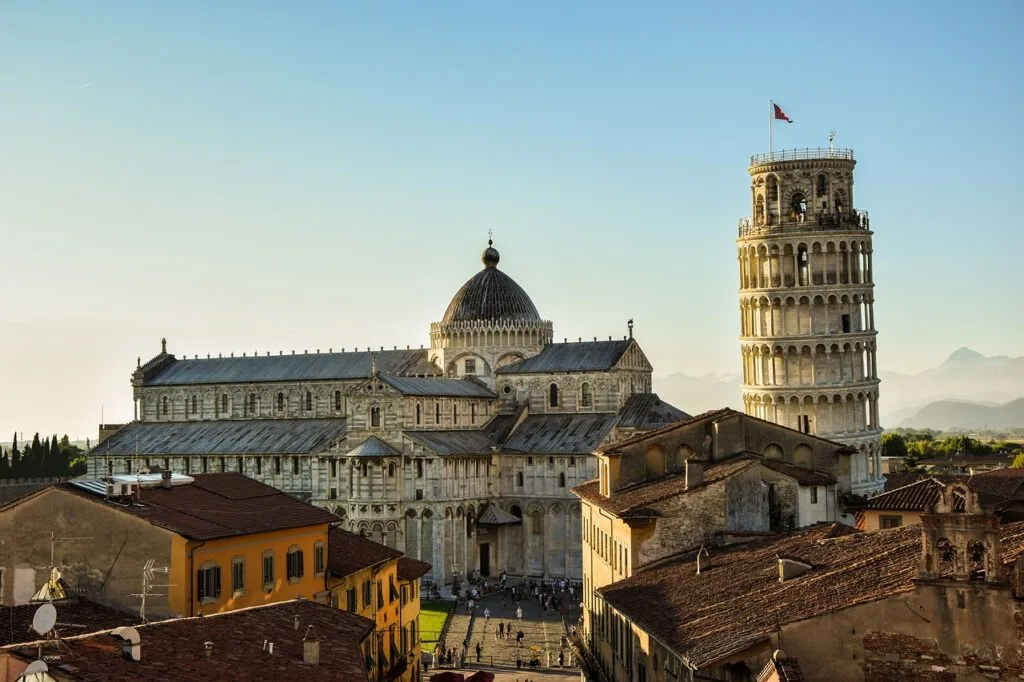
From the top of the Bastion di San Antonio, the panorama spans several layers of Pisa and its surroundings: looking east you’ll make out the roofs and bell towers leading to the famous Piazza del Duomo — the Torre di Pisa (Leaning Tower of Pisa) is often visible depending on the angle and the line of trees along the streets. To the north and west you can follow the Arno’s course, its bridges and the colorful façades lining the river, which contrast vividly with the gray stone of the fortifications. On very clear days the Tuscan hills form a backdrop, their tones shifting from tender green to golden brown with the seasons.
Best times of day:
– Dawn: low, grazing light brings out wall textures and the Arno is often calm, perfect for reflective photographs.
– Late morning: soft, diffuse light that’s ideal for portraits or shots without harsh shadows.
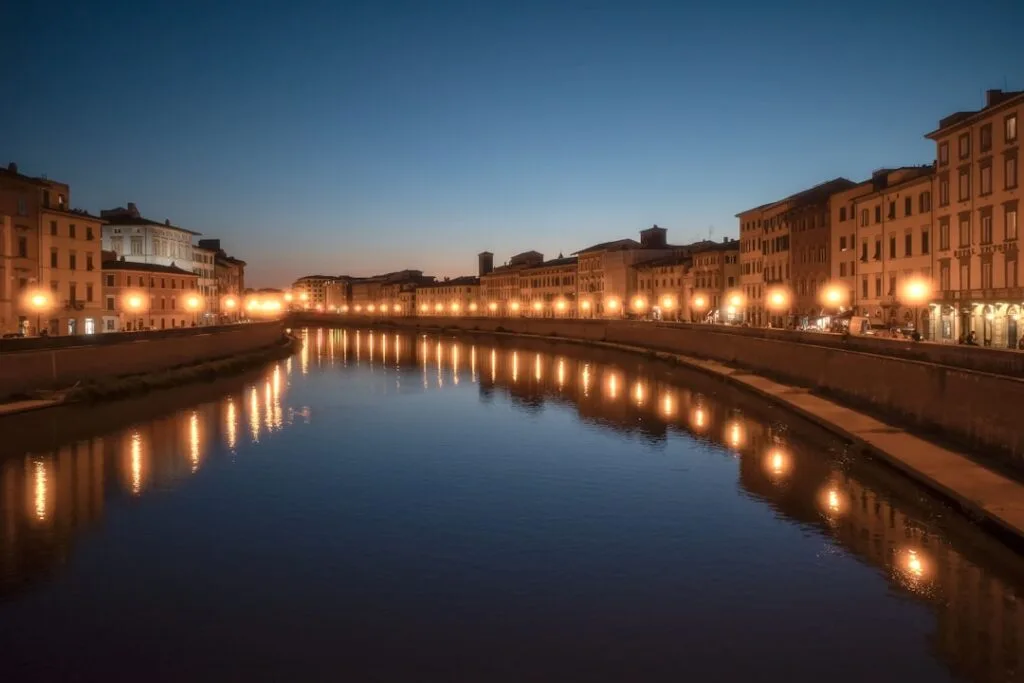
– Dusk and sunset: the most magical window — the sky turns gold, orange and purple as city lights start to come on, producing striking day-to-night transition photos.
Seasons and weather: in summer the area is busier and sunsets can be accompanied by a light Arno breeze; in winter the air is crisper and visibility toward the hills improves, though it can be cold and damp; spring and autumn often offer the softest light and fewer crowds, making them the best compromise for photographers and walkers.
Click here to book a ticket for the Tower and the Cathedral
Click here to book a ticket for the Tower and Cathedral
Visiting the surroundings: nearby monuments, addresses, opening times and prices
The Bastion di San Antonio stands within easy reach of many of Pisa’s major sights. Here’s a practical guide to help you plan your route, with addresses, typical opening times and approximate prices (note: rates and hours can change with the season or due to special measures, so check official sites before you go).
- Duomo di Pisa — Cattedrale di Santa Maria Assunta
Address: Piazza del Duomo, 56126 Pisa PI, Italy.
Opening times: generally 10:00–19:00 (hours vary with seasons and religious services).
Price: often included in a combined « Pisa Monumenti » ticket; individual entry can be free for attending a service, otherwise skip-the-line tickets vary (around €5–10 for access to restricted areas).
Description: the Romanesque cathedral houses rich interiors of marble, mosaics and sculptures; its white and green marble façade is a masterpiece of Pisan medieval art. - Torre di Pisa — Leaning Tower of Pisa
Address: Piazza del Duomo, 56126 Pisa PI, Italy.
Opening times: 9:00–20:00 (seasonal), last entry 30–60 minutes before closing.
Price: climbing the tower costs around €20–25 (indicative; time-slot tickets recommended).
Description: the leaning tower is Pisa’s emblem; its 294 steps offer a distinctive view over the piazza and, in the distance, the Arno. - Battistero di San Giovanni (Pisa Baptistery)
Address: Piazza del Duomo, 56126 Pisa PI, Italy.
Opening times: 8:00–19:30 (times vary).
Price: individual entry around €5–8; sometimes included with the Duomo ticket.
Description: a blend of Romanesque and Gothic architecture, famous for its exceptional acoustics and sculpted dome. - Camposanto Monumentale
Address: Piazza del Duomo, 56126 Pisa PI, Italy.
Opening times: 9:00–19:00 (variable).
Price: variable entry, often around €5–8.
Description: a monumental cemetery with frescoes and sculptures — a quiet, history-filled place.
Access from the Bastion: on foot, allow 10–15 minutes to reach Piazza del Duomo from the bastion by following the Lungarno and historic lanes; by bus, several lines serve the Piazza dei Miracoli from the central station.
Click here to buy tickets for the Square of Miracles with audio guide
Click here to buy tickets for the Square of Miracles with audio guide
Local practical tips: how to make the most of the Bastion and Pisa
Getting around: walking is the best way to discover Pisa and to reach the Bastion di San Antonio. From Stazione di Pisa Centrale, plan for 15–25 minutes on foot along the Lungarno, or hop on a city bus (ATAF) toward the historic center. Taxis are available but more expensive; expect around €8–12 for a short city ride.
Safety and comfort: the bastion is generally a safe area, but as in any tourist spot, keep an eye on your belongings — wallets, cameras and phones. In the evening, stick to well-lit paths along the Lungarno. Wear comfortable shoes: the ground can be uneven and cobbled.
Photography: for wide city-and-river shots, use a wide-angle lens; with a telephoto you can isolate architectural details and silhouettes. Bring a tripod for long exposures at sunset or night (be mindful of local restrictions if concerts or events are taking place). Be courteous to other visitors: don’t block narrow viewpoints for long during peak times.
Food and drinks: a few minutes from the bastion you’ll find cafés and gelaterie such as:
– Pasticceria Salza (Via Santa Maria 43, 56126 Pisa) for local pastries;
– Gelateria De’ Coltelli (Via Bonanno Pisano 76, 56126 Pisa) for artisanal gelato.
Expect €2–6 for a gelato, €3–6 for a coffee at these typical spots. If you want a meal, several trattorie around Piazza dei Miracoli serve Tuscan dishes (antipasti, pappardelle, bistecca) with main-course prices averaging €12–25.
Recommended experiences and complementary itineraries
Half-day photo route: start at the Bastion di San Antonio at sunrise for reflections on the Arno, then walk down the Lungarno toward Piazza del Duomo (10–15 minutes). Explore the Cattedrale di Santa Maria Assunta and the Baptistery, climb the Torre di Pisa if you’ve booked a timed ticket, and finish with a break at a nearby gelateria. This route mixes panorama, architecture and food in a compact outing.
Long walk: for a full day, combine the historic center (Piazza del Duomo, Piazza dei Cavalieri) with a wander through quieter neighborhoods: the San Martino area or Quartiere di San Francesco, where you’ll find peaceful lanes, small squares and family-run trattorie. To dive into local life, visit a market (Mercato delle Vettovaglie, Via Galli Tassi) for fresh produce, cheeses and cold cuts.
Seasonal activities: in summer, open-air concerts and events sometimes take place along the riverbanks; in November, heritage conservation days may offer free guided tours of walls and bastions. Check municipal boards and tourist offices for event calendars.
Tips for families: the bastion is a great starting point for curious kids — bring binoculars to watch birds and boats on the Arno and pack a snack. Avoid the hottest hours in summer and opt for morning or late-afternoon strolls.
Click here to book a guided tour of the Square of Miracles
Click here to book a guided tour of the Square of Miracles
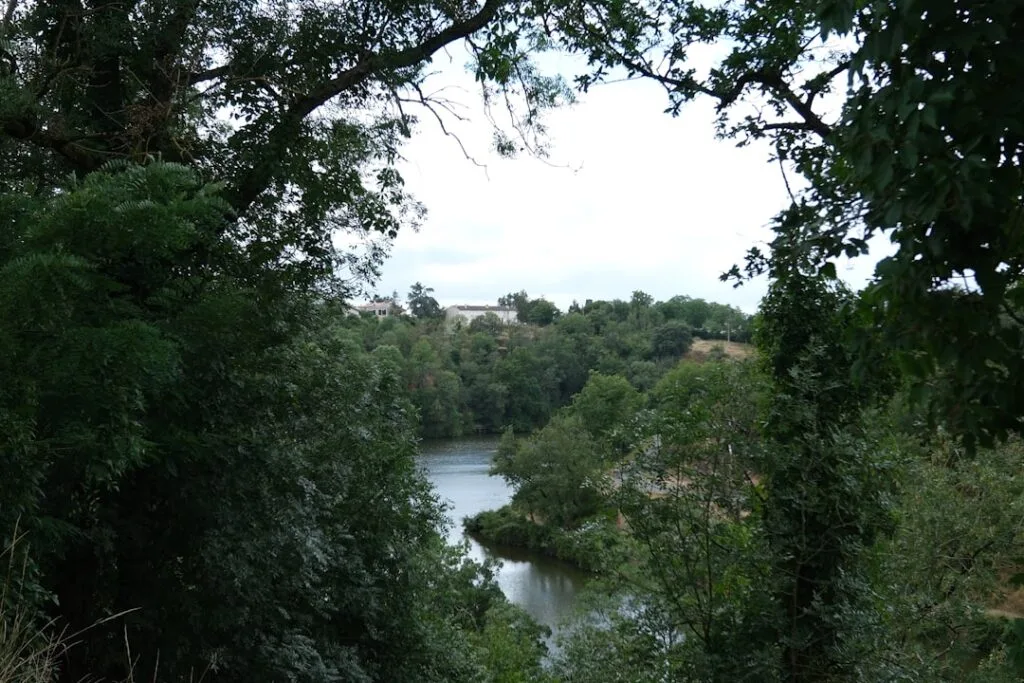
Conclusion: Bastion di San Antonio — panorama, history and tranquility
The Bastion di San Antonio is a valuable stop for anyone wanting to experience Pisa beyond its most famous icons. It’s a place where the history of urban fortifications meets a powerful visual experience: views of the Arno, medieval bell towers, Piazza del Duomo in perspective and, sometimes, the distant Tuscan hills. The experience is both cultural and emotional: come for photography, a quiet moment, to read or simply to watch the city wake and buzz around you.
Practically, the bastion is easy to reach from the train station and the historic center. You can easily combine the visit with nearby monuments (Torre di Pisa, Cattedrale di Santa Maria Assunta, Battistero di San Giovanni, Camposanto Monumentale) — I’ve included key addresses and guidance on prices and hours. To make the most of the site, plan your visit according to the light you want, wear comfortable shoes and check local conditions (possible closures or events).
Whether you’re a photographer, a romantic stroller, a history enthusiast or a traveler seeking a peaceful panorama, the Bastion di San Antonio will give you an intimate, poetic view of Pisa. Take the time to study the wall details, listen to the water and the birds, and savor the changing light that transforms the city throughout the day. It’s a spot people return to again and again — for a sunset, a new season or simply to remember why Pisa fascinates beyond its leaning tower.