





Introduction
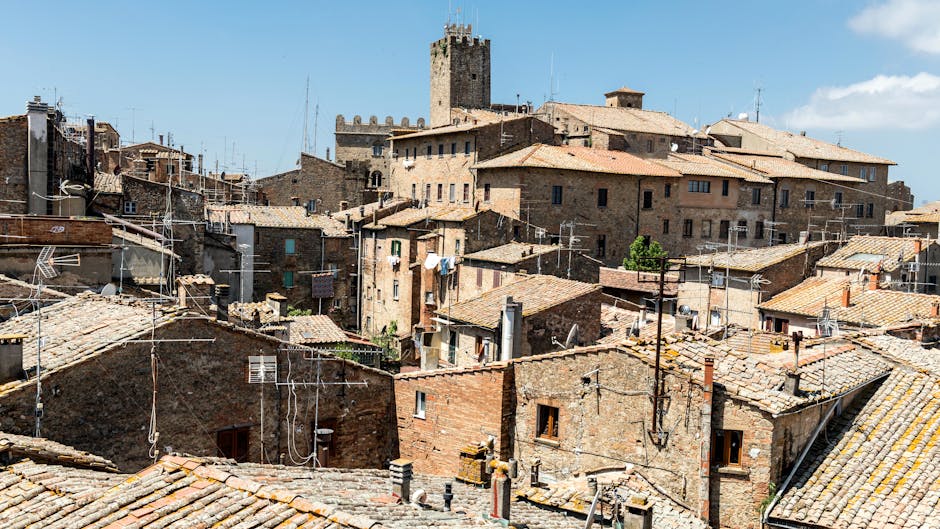
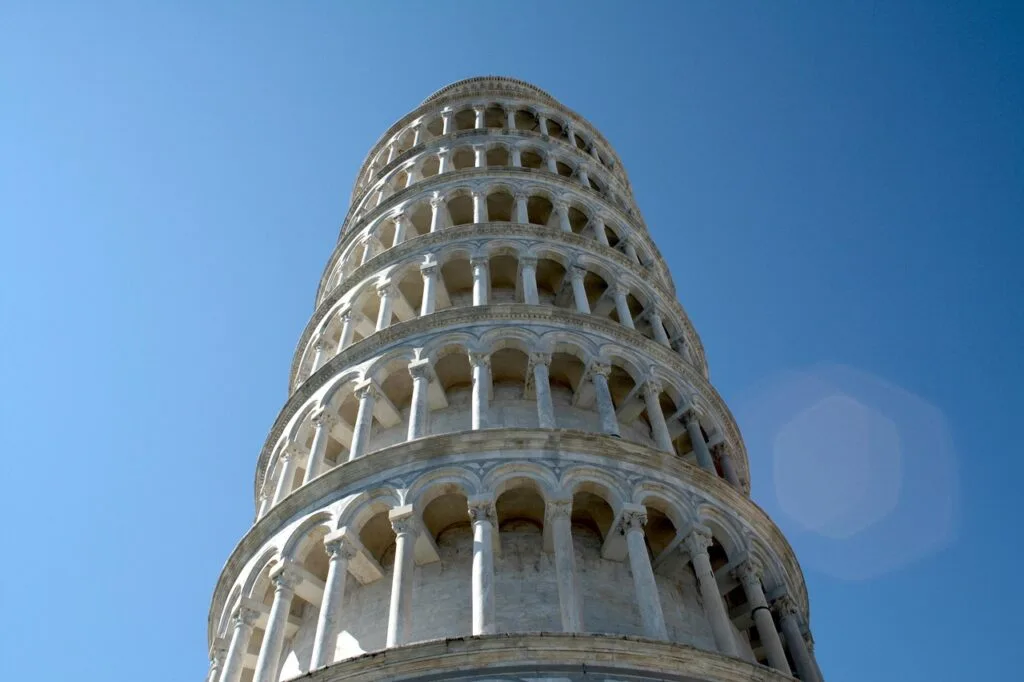
Just about an hour’s drive from Pisa, the medieval town of Volterra stands proudly on its tuff promontory, offering curious travelers a genuine trip back in time. Located in the province of Pisa in Tuscany, Volterra is a place where stones still tell stories of the Etruscans, the Romans and the Middle Ages. For visitors setting out from Pisa, a « medieval day » in Volterra is the perfect excuse to mix history, sweeping Tuscan views and local cuisine. This complete guide walks you through the journey from Pisa — suggested itinerary, must-see monuments with exact addresses, entry prices, opening hours, vivid descriptions and practical tips to make the most of a one-day escape.
The charm of Volterra lies in its compact urban fabric: cobbled lanes, Gothic palaces, ancient gates and squares where time seems to have paused. The town is famous for its Museo Etrusco Guarnacci, the imposing Palazzo dei Priori, Piazza dei Priori, Volterra Cathedral (Cattedrale di Santa Maria Assunta) and the Roman Theatre. Wandering through these spots gives an intimate yet monumental sense of an Italy often reduced to its coasts and big cities. The experience is intensely sensory: the smell of sun-warmed stone, the sound of footsteps on cobbles, the contrast between deep shaded alleys and open views over the Tuscan countryside.
Getting to Volterra from Pisa is straightforward: by car the drive takes roughly 50–70 minutes depending on traffic, via the SP2 and SP68; by bus, regular lines connect Pisa to Volterra with possible transfers. For a stress-free option, guided tours from Pisa include pickup and historical commentary. But nothing beats the freedom of a drive, stopping in little borghi and vineyards along the way.
This guide focuses on a full day: how to organize your time, which visits to prioritize, where to eat, the best photo viewpoints, and most importantly practical local advice — from parking to public toilets and card payments. Each site described below includes an exact address, indicative prices in euros, opening hours and an immersive description to help you picture and plan your visit. The following sections also offer culinary suggestions and local experiences to turn a simple trip into a memorable, well-rounded day.
 Click here to book a Cinque Terre tour from Pisa

Arrival from Pisa: route, parking and first impressions (250+ words)
Leave Pisa early in the morning if you want to squeeze the most out of your day in Volterra. By car, it’s smart to take the SR439 or SP2 heading southwest, crossing agricultural land and the gently rolling hills typical of Tuscany. The drive is roughly 50–70 minutes (about 67 km depending on the route), traffic permitting. If you opt for public transport, Autolinee Toscane runs regular connections between Pisa and Volterra; the trip typically takes around 1h30 and may include a transfer. Buses usually depart from Piazza Vittorio Emanuele II (the bus station close to Pisa Centrale).
On arrival in Volterra, your first task is to find parking. The medieval center is largely a restricted traffic zone (ZTL), so you’ll need to park in one of the lots at the town’s edge. The main car parks are:
- Parcheggio Porta a Selci – Address: Via Porta a Selci, 56048 Volterra PI. Large capacity, close to the Porta a Selci gate; approximate rate €1.00–€2.00/hour, with stairs and a ramp up to the center.
- Parcheggio Via Guido Monaco – Address: Via Guido Monaco, 56048 Volterra PI. Best for long stays; around €6–€8/day. Convenient if you plan to leave the car all day.
- Parcheggio Piazza Martiri della Libertà – Address: Piazza Martiri della Libertà, 56048 Volterra PI. More central but often full in high season; rates similar to Porta a Selci.
Once parked, you’ll climb to the historic center on foot. The town’s first impression, particularly in the morning, is of a place waking up slowly: artisans opening their shops, the aroma of coffee in the air, and a golden light highlighting the stone walls. A sensible itinerary for a typical day is to start at Piazza dei Priori and the Palazzo dei Priori to get a sense of the civic history, then head to the Museo Etrusco Guarnacci to learn about the region’s Etruscan roots. How much you see depends on your pace: in three to six hours you can cover the essentials, while a full day lets you explore each museum and enjoy a leisurely lunch without rushing.
Palazzo dei Priori and Piazza dei Priori: civic heart and urban panorama (250+ words)
Piazza dei Priori is often considered Volterra’s most emblematic square. It’s dominated by the Palazzo dei Priori, the oldest still-standing communal palace in Tuscany, built between the late 13th and early 14th centuries. Address: Piazza dei Priori, 1, 56048 Volterra PI, Italia. The building impresses with its stone façade, battlements and tower, a reminder of Volterra’s civic power in the Middle Ages.
Today the Palazzo dei Priori houses municipal rooms and sometimes temporary exhibitions. Access to the tower or internal rooms may require a ticket for guided tours or special events. Indicative price: guided visit to the main hall and tower €3–€6 per person (rates can fluctuate by season and depending on exhibitions). Usual hours: the square is open 24/7, while interior visits typically run from 10:00 to 18:00 in summer and 10:00 to 16:00 in winter; check opening times the same day as they may change for official events.
The piazza is surrounded by noteworthy buildings, artisan shops and cafés where you can sip an espresso while watching local life unfold. For a panorama, climb the steps or find a café terrace: morning and evening light cast warm tones on the limestone and on the rolling landscape beyond the rooftops. Photographers will love the compositions offered here: dramatic interplay of shadow and Gothic architecture, medieval windows and discreet sculptures embedded in the columns.
Practical tips: arrive early to avoid crowds, particularly in summer; wear comfortable shoes as the square can be unevenly paved; respect pedestrian areas and local etiquette during civic ceremonies. If you visit the Palazzo dei Priori, ask at the desk for brochures in French or English to deepen your understanding. If time allows, pair this stop with a visit to the nearby Palazzo Viti to explore aristocratic interiors and private collections.
Museo Etrusco Guarnacci and the Etruscan origins: historical immersion (250+ words)
To grasp Volterra’s long history, the Museo Etrusco Guarnacci is essential. Address: Via Porta all’Arco, 12, 56048 Volterra PI, Italia (check the exact number at the entrance, several accesses exist around Porta all’Arco). This museum preserves one of the largest collections of Etruscan artifacts: funerary urns, steles, bronzes and an impressive array of sarcophagi. The museum’s interior layout guides you through rooms and cloisters in a compelling chronological narrative.
Indicative entry price: adult €8–€10, reduced €5–€7 (young people, seniors, school groups). Typical opening hours: 09:00–19:00 in high season (April–October), 09:00–17:00 in low season (November–March). Prices and hours may change; check the official site or the local tourist office before visiting. Audioguides and guided tours in English and Italian are often available for an extra €3–€5.
A visit to the museum is a sensory experience: controlled dim lighting highlights the textures of the objects, glass cases protect yet do not erase the sense of closeness to ancient pieces. Funerary urns display motifs and inscriptions that reveal burial rites; the bronzes hint at the skilled artisans of the Etruscan era. The highlight is the sequence of sarcophagi and archaic statue reproductions that convey the prestige and ritual surrounding death in Etruscan society.
Practical tips: allow at least 1.5–2 hours if you’re curious; the muted lighting and quiet rooms encourage contemplation. Traveling with family? Look for child-friendly panels or request an adapted visit. Don’t miss the nearby Porta all’Arco (Roman gate): the arch is an excellent photo spot that illustrates the transition from antiquity to the medieval town. Buy tickets early in the day to avoid queues and peak times, especially during high season.
Roman Theatre, Teatro di Vallebona and the ancient remains (250+ words)
The Teatro Romano di Volterra is one of the town’s major ancient remains, located at the foot of the medieval walls. Address: Via del Teatro Romano, 1, 56048 Volterra PI, Italia (access from streets near the historic center). This theatre dates back to the 1st century BC and was gradually rediscovered in the 19th century. The ruins let you imagine a place of performances and gatherings where stone once echoed ancient voices.
Prices and hours: indicative entry €6–€8 for adults, reductions for students and seniors around €4–€5. Typical opening times are 10:00–18:00 in high season, with earlier closures possible in low season — check the notice at the entrance. The site includes a small archaeological area and an annex museum displaying objects unearthed during excavations.
Visiting at sunrise or sunset is particularly poetic: the light grazing the tiers gives the stone a theatrical atmosphere. The site also offers spectacular views over the valley and Tuscan hills. On-site interpretation panels help reconstruct the theatre’s layout: orchestra, cavea, stage. Visitors can sense the layering of eras — Roman use, medieval neglect and modern rediscovery.
Practical advice: wear non-slip shoes for walking on stone seating; in summer bring water and a hat as shade is limited; guided tours greatly enhance understanding, especially when they include the small finds museum. If you have time, pair this visit with the Teatro di Vallebona and the Roman gate for a fuller immersion in ancient Volterra. Cultural events and concerts are sometimes held here in summer — check local listings when planning your visit.

Lunch, local crafts and tastings: where to eat and what to bring home (250+ words)
After a morning of exploring, nothing beats a traditional Tuscan lunch. Volterra has restaurants and trattorie serving simple, flavorful dishes: homemade pasta, pork specialties, local cheeses and truffle-based products. A few recommended spots:
- Trattoria del Duca – Address: Via dei Sarti, 23, 56048 Volterra PI. Traditional Tuscan plates; average per person €18–€30. Hours: 12:00–14:30, 19:00–22:30.
- La Carabaccia – Address: Via Turazza, 1, 56048 Volterra PI. Local specialties and the traditional « carabaccia » soup; prices €15–€35 depending on the menu. Hours: 12:00–15:00, 19:00–23:00.
- Osteria La Pace – Address: Piazza dei Priori, 8, 56048 Volterra PI. Terrace seating with views over the square; prices €20–€40. Hours: 11:30–15:30, 18:30–22:30.
For dessert, hunt out shops selling local treats: cantucci (almond biscuits), artisan gelato, or a slice of schiacciata sucia when in season. Don’t leave Volterra without tasting a local DOC Val di Cecina wine, or a glass of Vernaccia if you prefer a dry white. Wine by the glass typically costs €3–€8 depending on the venue; a local bottle at a restaurant is generally €15–€30.
Volterra is also renowned for its crafts, especially alabaster work. Alabaster workshops sell vases, lamps and small sculpted objects. A few workshops to visit:
- Alabastrificio Bucci – Address: Via Porta all’Arco, 13, 56048 Volterra PI. Souvenir prices €10–€150 depending on size and complexity. Hours: 09:00–18:00.
- Cooperativa di Alabastro – Address: Via Turazza, 5, 56048 Volterra PI. Quality items for both tourists and collectors; demonstration workshops available.
Practical tips: bargain politely for handmade items if buying in small shops; check the quality of alabaster (solid, translucent) to avoid cheap imitations; leave some room in your luggage if you plan to buy bulky pieces. For lunch, book ahead during high season (July–August) or long weekends. Finally, favor places that list ingredients and origins, especially if you have allergies or dietary restrictions.
Click here to book a Tuscan vineyard tasting with transfer from Pisa

Walks, viewpoints and medieval events (250+ words)
Volterra is made for wandering: every alley hides carved details, ancient doors and small squares worth a pause. Recommended walks include:
- A stroll along the mura medievali (medieval walls) for unobstructed views of the Tuscan countryside and to appreciate the town’s defensive silhouette.
- Via dei Sarti with its artisan shops, ideal for finding handmade objects and local textiles.
- The climb up to the Fortezza Medicea (Address: Piazza della Fortezza, 56048 Volterra PI): the outside of the fortress is accessible and offers an exceptional panorama. The fortress sometimes hosts exhibitions and a café.
Volterra regularly stages medieval-themed events, notably the well-known « Volterra Azzurra » and historical reenactments in summer and autumn. These events include medieval markets, equestrian tournaments, early music and craft workshops. If your visit coincides with one of these festivals, you’ll enjoy a more intense immersion: costumes, weapon demonstrations and period cuisine are often on the program.
Practical tips for viewpoints: look out for the Porta all’Arco viewpoint for a framed photo by the Roman gate; then wander toward Via Gramsci for quieter, less touristy vantage points. The best times for photography are early morning (soft light, fewer people) and late afternoon (golden hour), when Volterra’s stone takes on warm, glowing hues.
If you want to extend the day, roads into the surrounding countryside lead to farms offering olive oil and wine tastings. These small estates (agriturismi) often provide guided tours of olive groves or cellars, with products available to buy on site. Book in advance if you want a guided tasting or private visit.
Click here to book a wine and olive oil tasting in Chianni
If you want to extend the day, roads into the surrounding countryside lead to farms offering olive oil and wine tastings. These small estates (agriturismi) often provide guided tours of olive groves or cellars, with products available to buy on site. Book in advance if you want a guided tasting or private visit.
Conclusion
A medieval day in Volterra from Pisa is a rich and accessible experience: in a matter of a few dozen kilometers you go from a city known for its leaning tower to a town where history is written in every stone. Volterra strikes a fine balance between major historic sites — Palazzo dei Priori, Museo Etrusco Guarnacci, Roman Theatre — and relaxed moments in typical cafés and trattorie. The addresses mentioned in this article — Piazza dei Priori, Via Porta all’Arco, Via del Teatro Romano, and the Fortezza Medicea — serve as useful waypoints to plan your day with confidence.
To get the most from this outing, leave early from Pisa, plan to park on the periphery to avoid the ZTL, book restaurants in high season and check museum opening times the day before you travel. The prices indicated (€3–€10 for most entries, €15–€30 for a meal and €6–€8 for archaeological visits) are practical estimates to help budget your day, but remember that fees can change with seasonality and temporary exhibitions.
Finally, leave some time to wander without a strict itinerary: it’s often in those unplanned moments that you stumble upon a lively alabaster workshop, a secret view over the valley or a family-run trattoria where the owner happily shares local stories. With its historical layers and Tuscan panoramas, Volterra invites both contemplation and discovery. Whether you’re traveling solo, as a couple on a romantic escape, or with family, a medieval day trip from Pisa to Volterra promises striking sights and lasting memories.