





Introduction
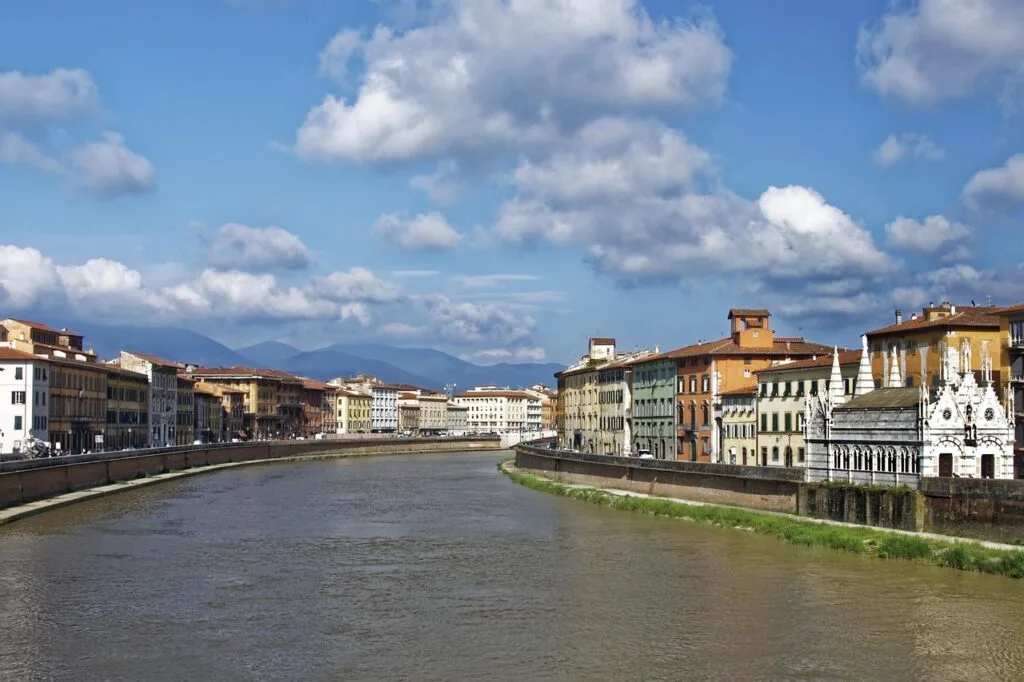
Pisa isn’t just the Leaning Tower and the grand Piazza dei Miracoli — it’s also a city where street food fills the air at every corner, from the banks of the Arno to the winding medieval lanes. Pisan street food blends rustic Tuscan traditions with wider Italian influences, using simple, seasonal ingredients cooked to order. Strolling along Borgo Stretto, the Lungarno or through the historic market, you’ll follow the scents of warm bread, roasted chickpeas and golden fried treats that tell the city’s culinary story.
This article is a tasty walking tour for anyone who wants to eat quickly, well and on a budget without losing authenticity. We’ll highlight must-see spots like the Piazza dei Miracoli (Piazza del Duomo, 56126 Pisa PI, Italy), the Mercato delle Vettovaglie (Piazza delle Vettovaglie, 56126 Pisa PI, Italy) and the banks of the Lungarno, with practical details on addresses, typical opening hours, average prices and tips. You’ll also get immersive descriptions of classic street dishes — cecina (chickpea pancake), stuffed panini, arancini and small frozen desserts — plus logistics for stress-free on-the-go eating.
 Click here to discover Pisa’s street food and highlights
Street food in Pisa is best enjoyed standing, on a bench by the Arno or while wandering through a medieval campo. Flavors are straightforward: extra-virgin olive oil, rosemary, pecorino cheese, local cured meats and a short, strong espresso that accompanies any snack. Stands and small shops in the historic center can get very busy in high season (June–September), but quality often stays high — locals are used to serving fast while still offering a hot, well-made product.
For travelers in a hurry — students, day-trippers or professionals passing through — this guide not only covers what to try but exactly where to find it, how much to expect to pay and the best times to go to avoid crowds. At the end you’ll find tips on local etiquette, options for specific diets (vegetarian, gluten-free) and how to make the most of your quick culinary stops between major sights.
Where to find street food in Pisa: markets, squares and lanes
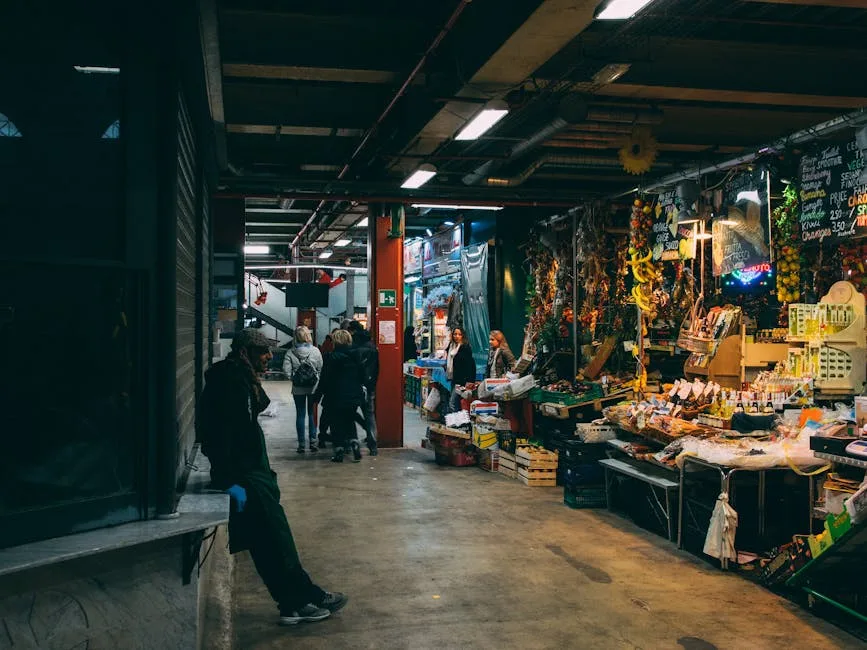
The nerve center of Pisan street food is the Mercato delle Vettovaglie, at Piazza delle Vettovaglie, 56126 Pisa PI, Italy. This historic market mixes vegetable stalls, butcher shops and small stands selling ready-to-go dishes. Opening hours: generally Monday to Saturday from 07:00 to 14:00; some vendors stay open in the evenings depending on the season (check locally). Prices: a typical snack (panino or cecina) runs between €3 and €6; a portion of mixed fried or an arancino costs around €4–7.
Another key area is Borgo Stretto (Borgo Stretto, 56125 Pisa PI, Italy), a lively historic shopping street where small sandwich shops and bars serve artisan panini and supplì to take away. Hours: shops are usually open from 09:00 to 20:00, some bars until 22:00–23:00. Expect to pay €4–8 for a hearty stuffed panino.
Click here to book a walking tour to discover Pisa
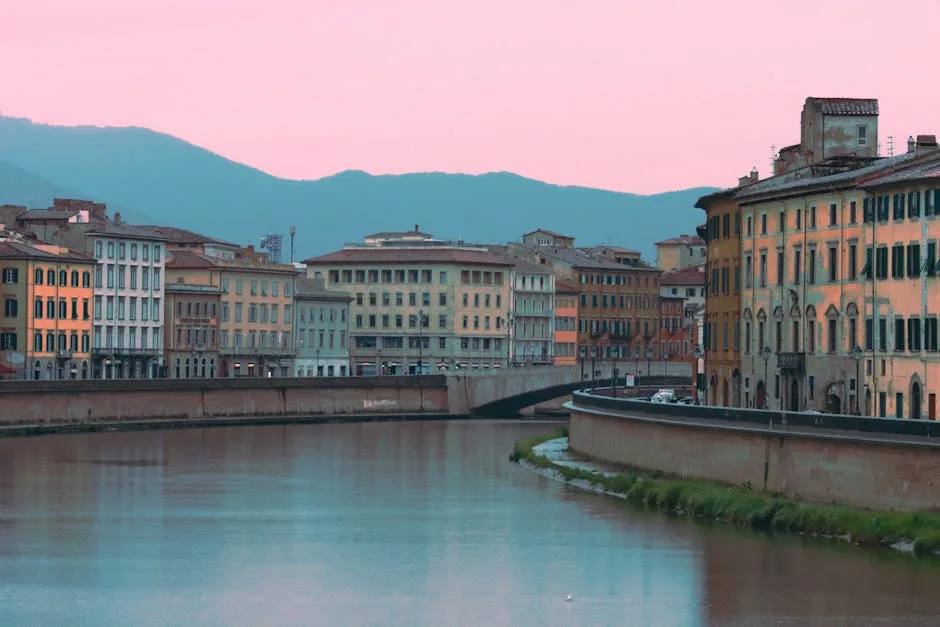
The banks of the Arno — especially Lungarno Mediceo and Lungarno Gambacorti — host food trucks and pop-up stalls during events, fairs and weekends. General address: Lungarno Mediceo, 56100 Pisa PI, Italy. Hours vary by event; keep an eye on local posters or municipal pages. For a cool treat, head to the gelaterie near the bridges: a scoop usually costs €2–3 on average.
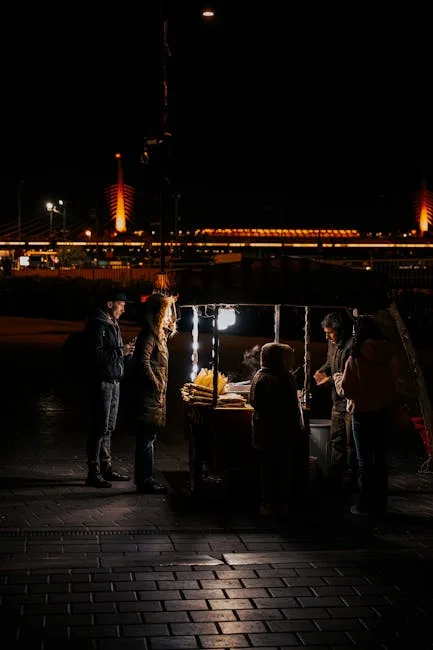
Finally, neighborhoods around the Università di Pisa (Piazza dei Cavalieri, 56126 Pisa PI, Italy) offer plenty of cheap snacks for students: small kiosks, pizzerie al taglio and panini stands. Hours: early mornings for breakfast (07:00–10:00), very busy at lunch (12:00–14:30) and late afternoon (17:00–19:00).
Must-try dishes to grab quickly: descriptions and prices
The local street food star is cecina (also called farinata in other regions): a thin, golden pancake made from chickpea flour, water, olive oil and salt, baked until the edges are crispy and the center stays soft. At the Mercato delle Vettovaglie you’ll find slices served plain or topped with rosemary and black pepper. Price: €2.50–4 per portion depending on size.
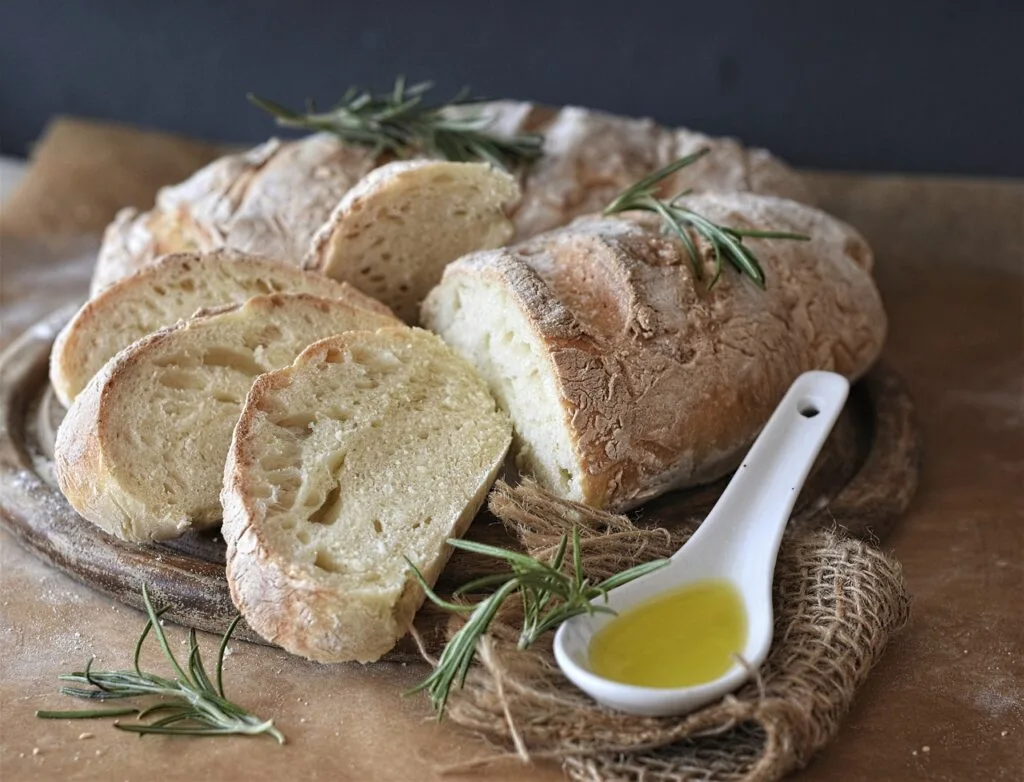
Panini are everywhere: crusty bread with Tuscan cured meats (finocchiona, prosciutto), local cheeses (pecorino) and sometimes arugula or sun-dried tomatoes. A classic city-center panino typically costs between €3.50 and €6.50. For a local specialty, look for the panino con porchetta — freshly sliced roast pork; portions usually go for €5–8.
Click here to Experience Pisa’s ultimate culinary walking tour
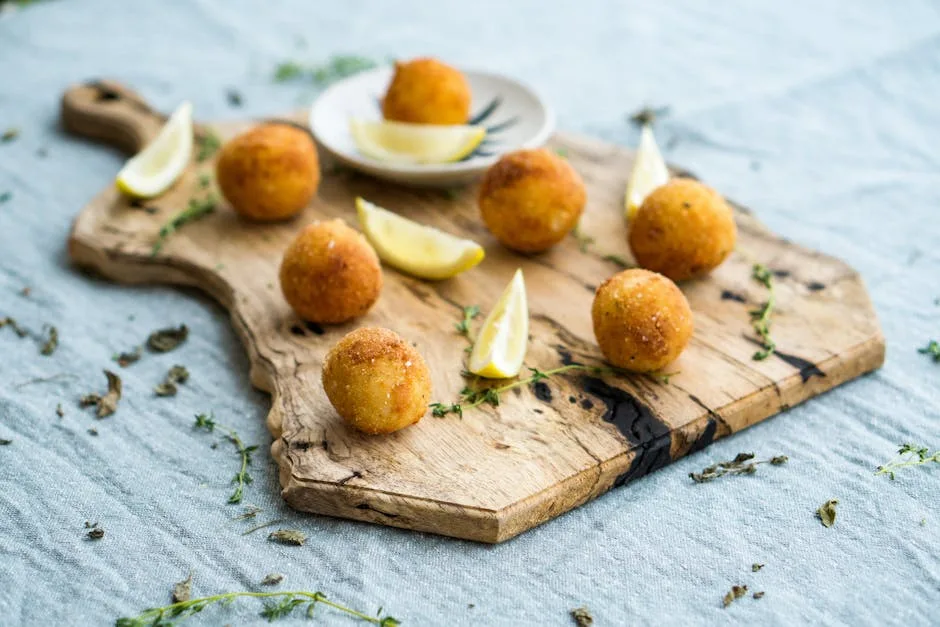
Small fried bites (calamari fritti, fried zucchini blossoms) and arancini (fried rice balls with fillings) pop up often at events or in tiny eateries. Indicative prices: €4–7 per portion. For sweets, don’t miss artisan gelati (1 scoop €2–3, 2 scoops €3–5) and cantucci biscuits sometimes paired with vin santo in traditional shops.
Click here to taste local specialties and wines in Pisa
Insider tip: try regional variations like lampredotto (a Florentine specialty but sometimes found in Pisa) — slow-cooked beef tripe served in a sandwich for about €3–5 at specialized stands.
Best spots around Piazza dei Miracoli and practical tips
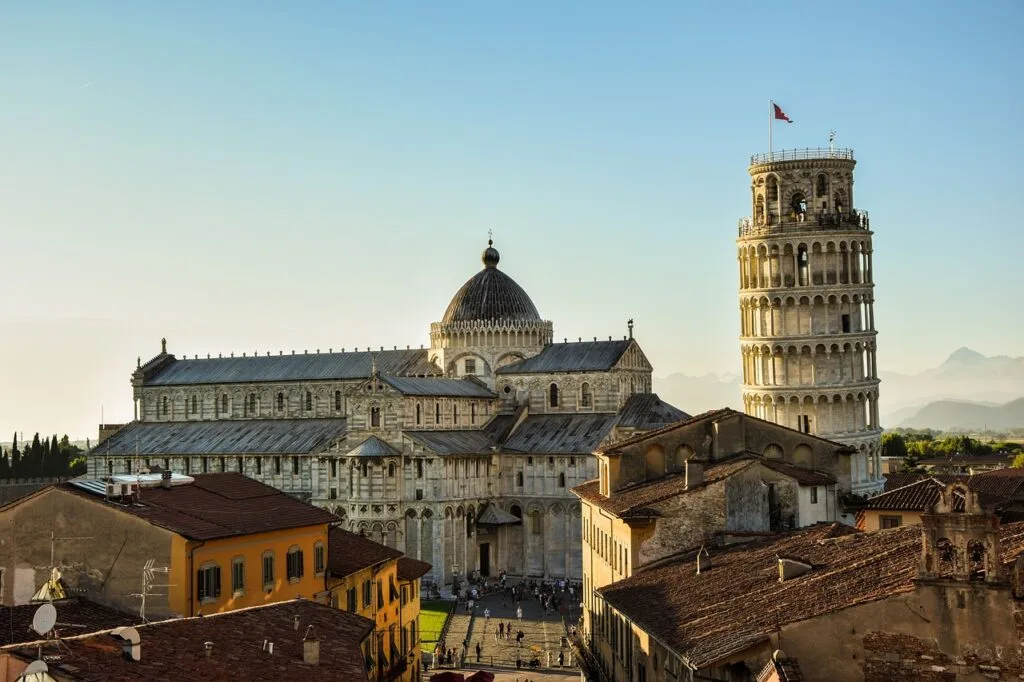
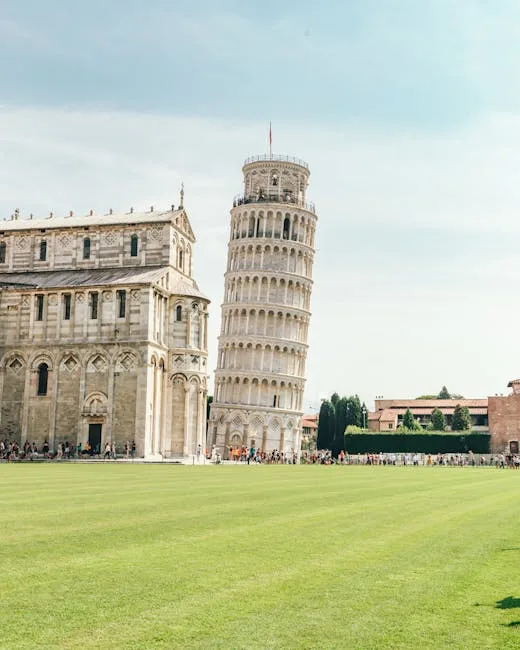
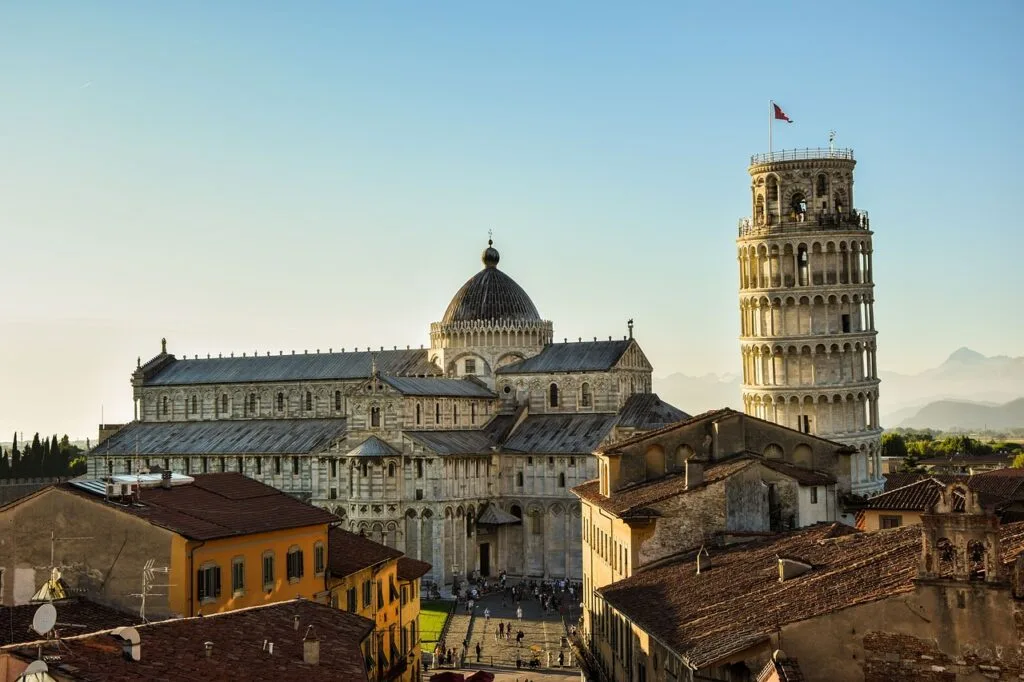
The Piazza dei Miracoli (Piazza del Duomo, 56126 Pisa PI, Italy) is the tourist heart of Pisa. After visiting the Torre Pendente di Pisa (Leaning Tower of Pisa) — the tower’s entrance is at Piazza del Duomo; hours vary by season, tickets from about €20–25 — look to the nearby streets for stands and cafés offering a quick coffee or snack. Note: the area is very touristy, so expect slightly higher prices for similar street food.
Money-saving tip: walk five minutes to Borgo Stretto or the Mercato delle Vettovaglie where prices are more reasonable and quality often better. If you’re in a rush, order « da asporto » (to take away) and enjoy it on the benches of the Prato dei Miracoli or along the Lungarno. Best times to avoid crowds: early morning (08:00–10:00) or late afternoon after 17:00.
Click here to book your ticket for the monuments on the Square of Miracles
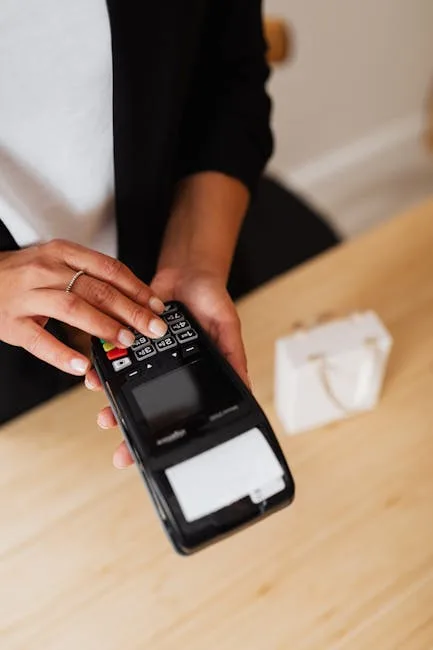
Payments: many small stalls accept cash only. Carry some bills and coins for purchases under €10–15. Credit cards are increasingly accepted in bars and pizzerias, but always check at the entrance. Finally, respect local queuing habits and the Italian friendliness: a « buon appetito » when paying is appreciated and warmly received.
Local practical advice: hours, allergies and behavior
General hours: markets like Mercato delle Vettovaglie are busiest in the morning and around lunchtime (07:00–14:00). Bars and small sandwich shops stay open from 09:00 to 20:00, some until 23:00. Food trucks and event stalls have variable hours; check municipal pages or local noticeboards for details.
Allergies and diets: street food often contains gluten (bread, arancini), eggs and dairy. For a gluten-free option, ask for « senza glutine » explicitly: several bakeries and stands now offer alternatives. For vegetarians, cecina and some vegetable panini are great options — say « sono vegetariano/a » if needed.
Hygiene and comfort: eat where there’s a crowd and high turnover — a good sign of freshness. Local rules are simple: take your rubbish to public bins (they’re not always abundant), respect queues and avoid smoking near stalls where signs prohibit it. For seating, use public benches along the Lungarno or the lawns of the Prato dei Miracoli when weather permits.
Click here to book a 2-hour walking tour of Pisa
Conclusion
Pisa’s street food is a snapshot of Tuscany: simple ingredients, generous servings and a lifestyle that lets you savor great food quickly without compromising quality. Between the Mercato delle Vettovaglie (Piazza delle Vettovaglie, 56126 Pisa PI, Italy), the lanes of Borgo Stretto (Borgo Stretto, 56125 Pisa PI, Italy) and the banks of the Lungarno (Lungarno Mediceo / Gambacorti, 56100 Pisa PI, Italy), every corner delivers a different sensory experience — from warm cecina to a slice of pizza al taglio, to artisan gelati perfect for sunny days.
Click here to Learn to cook authentic Pisan dishes with locals

Plan your snack breaks: an early-morning or late-afternoon bite helps you avoid the crowds; carry a little cash and check gluten-free options if needed. Taste the classics (cecina, panini, arancini), but also leave room for surprises: a small stall near the Piazza dei Miracoli might unveil an antipasto or a sweet local treat you didn’t expect. In the end, Pisa’s street food is the promise of a short but memorable culinary trip — best enjoyed standing, walking or watching the light kiss the Leaning Tower at dusk.